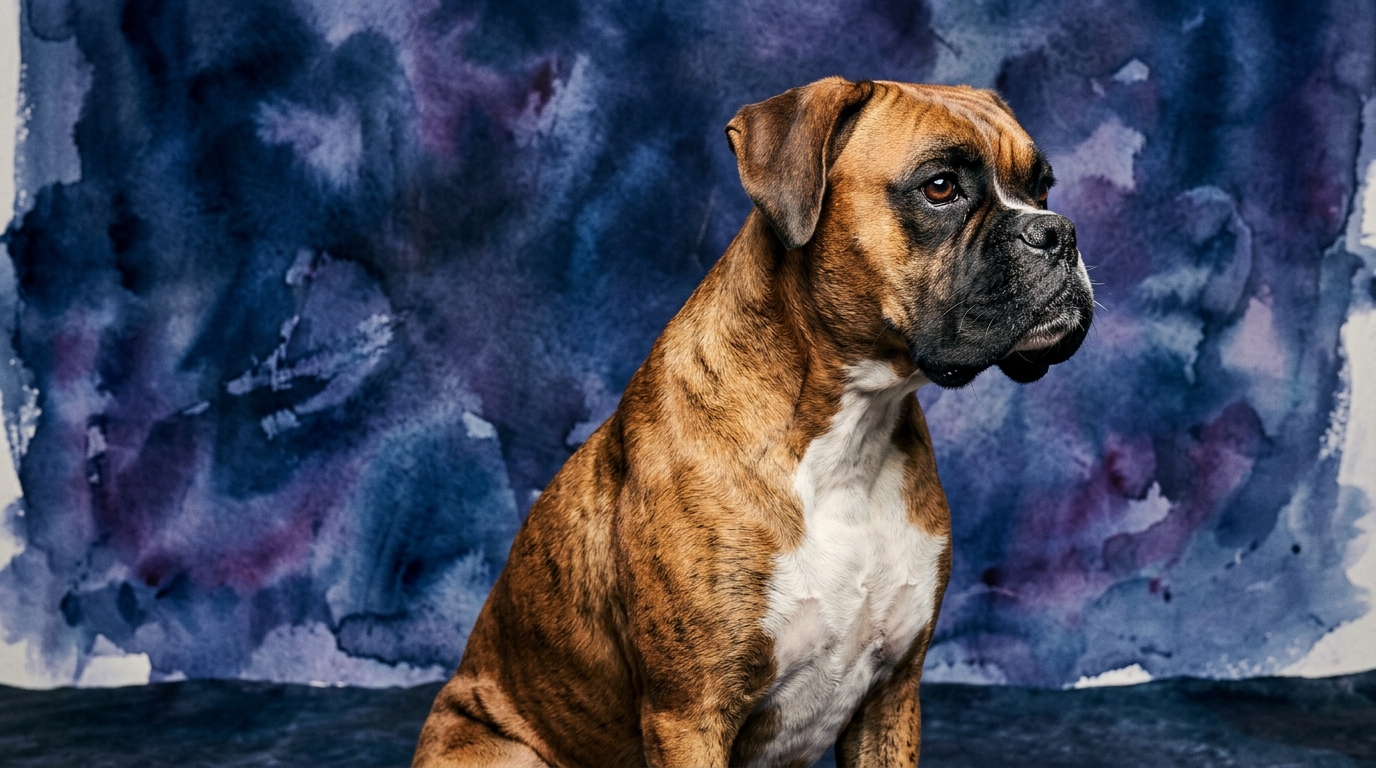
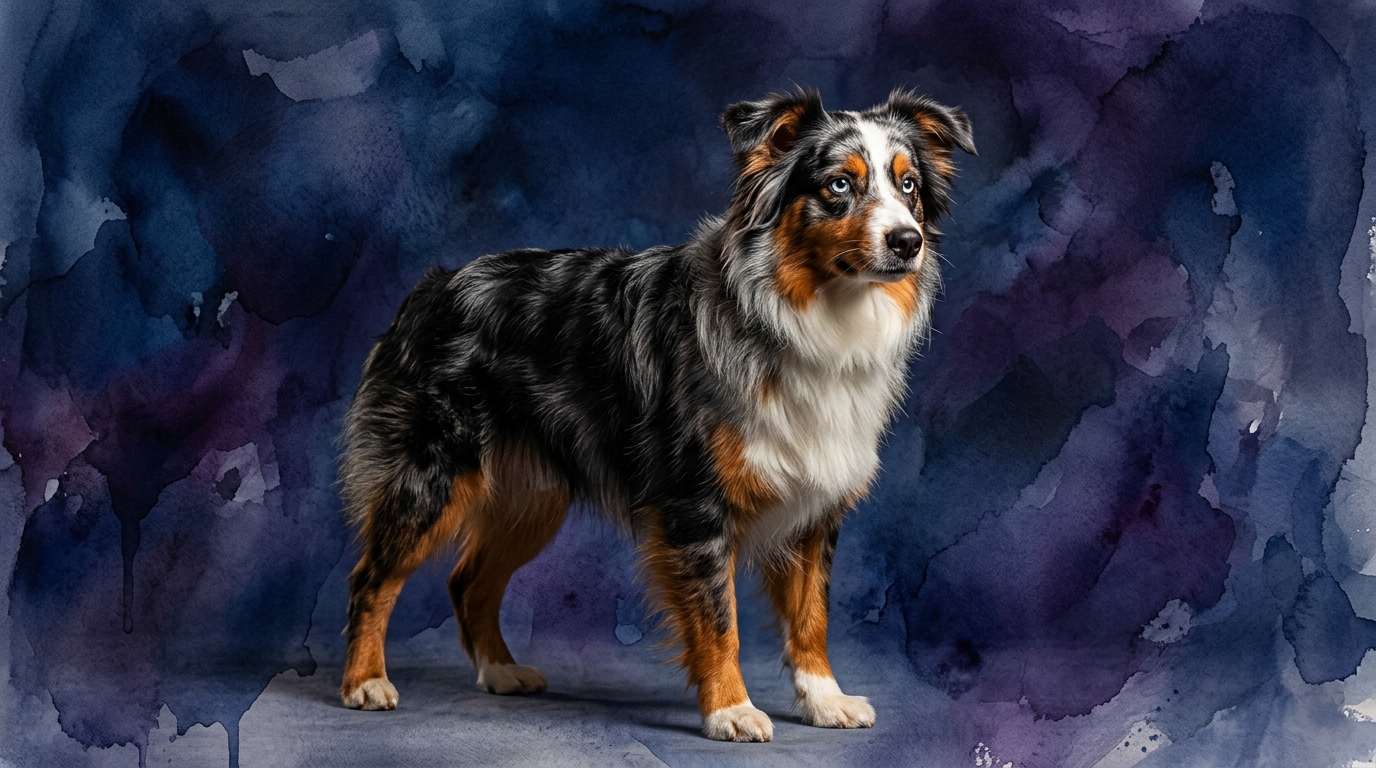
Side-by-Side Cognitive Profile: Boxer vs. Miniature American Shepherd
At The Cosmic Pet Pet IQ Lab, we delve beyond general perceptions to provide a granular view of canine intelligence, evaluating five core dimensions. For the Boxer, a Working group dog with a Coren ranking of #48, their cognitive profile reveals a balanced yet distinct set of abilities. They score 3/5 in Problem Solving, indicating a capacity to navigate everyday challenges and learn from experience, but they may require guidance for novel or complex puzzles. Their Training Speed is also 3/5, meaning they acquire new commands at a moderate pace, thriving on consistent, engaging methods. Social Intelligence is where the Boxer truly shines, earning a remarkable 5/5, reflecting an exceptional ability to interpret human emotions and cues, fostering deep bonds. An Instinctive Drive of 4/5 highlights their inherent desire for play, companionship, and often, protective behaviors. Finally, their Memory is rated 3/5, allowing for reliable retention of routines and commands over time.
The Miniature American Shepherd, a Herding group dog not specifically ranked by Coren, presents a cognitive profile that, while sharing some numerical similarities with the Boxer, is shaped by its different ancestral purpose. They also score 3/5 in Problem Solving, demonstrating practical intelligence for tasks like navigating obstacles or figuring out simple mechanisms, often relying on learned patterns. Their Training Speed aligns at 3/5, indicating they learn new tasks effectively with clear instruction and positive reinforcement, consistent with their herding background. Social Intelligence for the Miniature American Shepherd is 3/5, suggesting a moderate ability to engage with humans and other animals, often starting with a reserved demeanor before forming loyal attachments. Their Instinctive Drive is 3/5, which manifests as a moderate but focused desire for purposeful activity, including herding behaviors and mental engagement. Like the Boxer, their Memory is 3/5, enabling them to reliably recall learned sequences and familiar environments.
Where the Boxer Excels Cognitively
The Boxer's most pronounced cognitive advantage lies in their Social Intelligence, scoring a full 5 out of 5 compared to the Miniature American Shepherd's 3/5. This superior social acumen means Boxers possess an extraordinary capacity to understand and respond to human emotional states and subtle non-verbal cues. A Boxer might instinctively offer comfort to a distressed owner, initiating a gentle nudge or leaning in, demonstrating an empathetic awareness that goes beyond simple obedience. They are acutely attuned to the family dynamic, often acting as intuitive companions who can anticipate needs and moods, rather than merely reacting to direct commands. This deep social connection makes them particularly adept at forming strong, reciprocal bonds, thriving on interaction and becoming an integral, emotionally responsive member of the household, a trait invaluable for those seeking a dog deeply integrated into their social lives.
Where the Miniature American Shepherd Excels Cognitively
While the Miniature American Shepherd shares similar scores in Problem Solving (3/5) and Training Speed (3/5) with the Boxer, their cognitive strengths are often channeled differently due to their herding lineage. Their moderate Instinctive Drive (3/5), though numerically lower than the Boxer's, is typically directed towards tasks requiring focus, precision, and sequential thinking. This means that while a Boxer might apply problem-solving to social navigation or finding ways to initiate play, a Miniature American Shepherd often excels in structured activities that demand attention to detail and consistent execution, such as agility courses or rally obedience. Their intelligence, while not necessarily higher in raw problem-solving capacity, is geared towards understanding and executing complex patterns and multi-step commands, making them particularly adept at 'jobs' that require sustained mental engagement and a methodical approach, even if their social impetus is more reserved.
Training Aptitude: Boxer vs. Miniature American Shepherd
Both the Boxer and Miniature American Shepherd register a 3/5 in Training Speed, indicating a moderate pace of learning. However, the 'why' behind this score and the training experience itself can differ significantly. The Boxer's high Social Intelligence (5/5) often translates into a strong desire to please their human companions, which can make them eager participants in training sessions. This eagerness, coupled with their exuberant nature and higher Instinctive Drive (4/5) for play, means they can learn quickly when engaged and motivated by positive reinforcement and fun. Yet, this same exuberance can also lead to distractions, requiring trainers to maintain high energy and novelty to keep their focus. They respond best to short, engaging sessions that incorporate play and praise, leveraging their social connection.
Conversely, the Miniature American Shepherd, with a 3/5 Social Intelligence, might not be as inherently driven by the sheer pleasure of pleasing their owner. Their learning curve, while similar in speed, often benefits more from clear, consistent, and methodical instruction. Their moderate Instinctive Drive (3/5) for purposeful activity can be harnessed effectively for training, as they often thrive on having a 'job' to do. They might be less prone to the boisterous distractions of a Boxer but may require more intrinsic motivation or a clearer understanding of the task's utility. Both breeds necessitate patience and positive reinforcement, but the Boxer's training can feel more like a dynamic partnership, while the Miniature American Shepherd's often benefits from a more structured, task-oriented approach.
Ideal Owners: Active Pursuits vs. Relaxed Companionship
When considering an owner's lifestyle, both breeds require significant engagement, though the nature of that engagement varies. The Boxer, with their 4/5 Instinctive Drive and 5/5 Social Intelligence, is best suited for active owners who can provide ample opportunities for vigorous play, regular exercise, and constant companionship. They thrive on being an integral part of family activities, whether it's daily runs, interactive games, or simply being present during household routines. A Boxer's energy isn't just physical; it's also deeply social, meaning they need owners who are prepared for a dog that wants to be involved in everything and will seek out interaction, making them less ideal for those seeking a truly 'relaxed' pet.
The Miniature American Shepherd, while also an active working breed with a 3/5 Instinctive Drive, often benefits from owners who appreciate structured activities and mental challenges. While they enjoy physical exercise, their herding background means they often excel when given a 'job'—be it dog sports like agility, herding, or even complex obedience routines. They can adapt to a more relaxed home environment provided their mental and physical needs are consistently met through purposeful engagement. Owners who enjoy teaching new tricks, participating in canine sports, or providing consistent training will find a rewarding partner in the Miniature American Shepherd, even if their social demands are less intense than a Boxer's.
The Verdict
Choose a Boxer if you seek a deeply socially connected, emotionally responsive companion who thrives on playful engagement and being an integral, emotive part of your family's daily life.
Opt for a Miniature American Shepherd if you value a more reserved, task-oriented partner, appreciating precision in training and a dog that excels with consistent structure and a sense of purpose.
🧠 Find Your Pet's IQ Score
Our Pet IQ Lab assessment covers 25+ tests across 5 cognitive dimensions — personalized to your breed.
Take the Full IQ Test →Frequently Asked Questions
Are Boxers stubborn during training?
Boxers, with a 3/5 training speed and 4/5 instinctive drive, can sometimes appear stubborn if they are bored or if something more engaging captures their attention. Their high social intelligence means they respond well to positive reinforcement and engaging, fun training methods that keep them focused and prevent distractions.
Do Miniature American Shepherds need a 'job'?
Yes, Miniature American Shepherds, as a herding breed with a 3/5 instinctive drive, generally thrive when given a 'job' or purposeful activities. This could be anything from dog sports like agility or obedience to consistent training that challenges their moderate problem-solving and memory skills, preventing boredom and channeling their energy positively.
How do their similar memory scores impact daily life?
Both breeds scoring 3/5 in memory indicates they reliably retain learned commands and routines, making them dependable in daily life once behaviors are established. While they won't have photographic recall for every past event, consistent repetition in training ensures they remember what's expected, contributing to their overall trainability and adaptability to routines.