Side-by-Side IQ Profile: Boxer vs. Shiba Inu
At The Cosmic Pet Pet IQ Lab, we analyze canine intelligence across five key dimensions to provide a nuanced understanding of each breed's cognitive strengths. Here's how the Boxer and Shiba Inu compare:
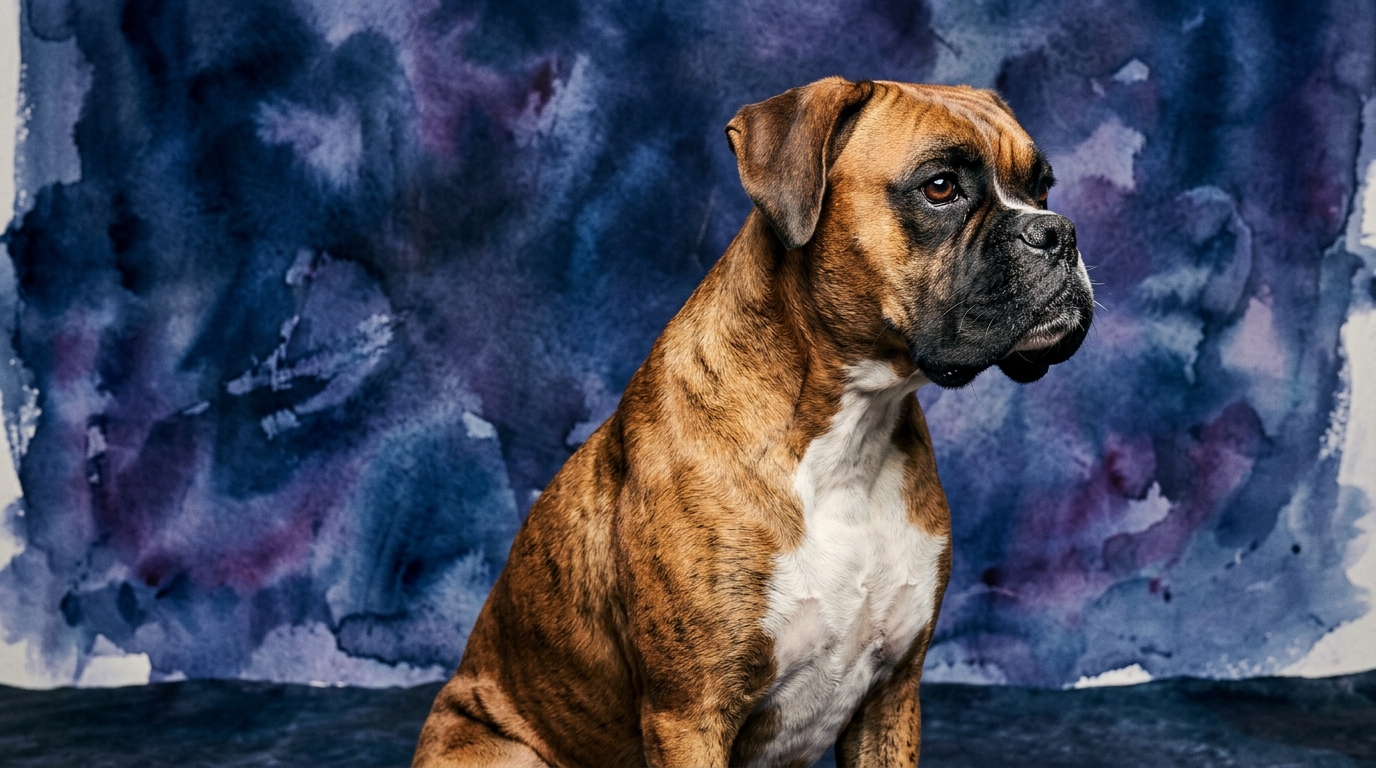
Boxer (Working Group, Coren Rank #48): Problem Solving (3/5): Boxers show moderate capacity for novel challenges, often preferring guidance or relying on learned patterns over spontaneous invention. They can learn through trial and error but might not actively seek complex puzzles. Training Speed (3/5): Their ability to grasp new commands is solid but not instantaneous. Consistent repetition and positive reinforcement lead to steady progress in obedience and skill acquisition, making them reliable students. Social Intelligence (5/5): This is a Boxer's defining cognitive strength. They are exceptionally attuned to human emotions and social cues, forming deep, empathetic bonds. Their natural responsiveness makes them highly cooperative companions who thrive on interaction and collaboration within a family unit. Instinctive Drive (4/5): Boxers possess a strong, purposeful drive rooted in their working heritage, expressed as a desire to play, guard, or engage in physical activities. This drive is typically channeled towards cooperative tasks or family protection rather than independent pursuits. Memory (3/5): Their memory for commands, routines, and familiar faces is reliable. While they retain learned information well, their recall might not be as rapid or extensive for less frequently accessed data compared to breeds with higher memory scores.
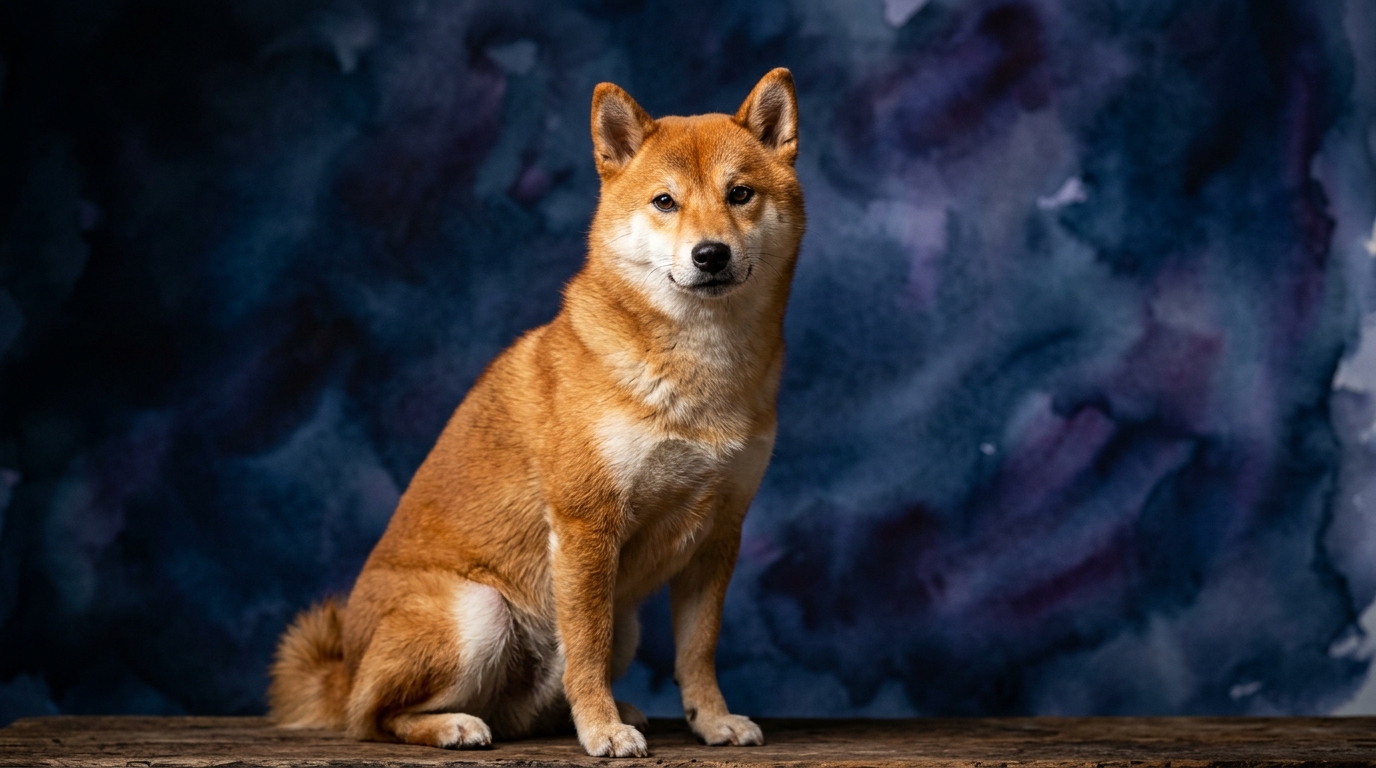
Shiba Inu (Non-Sporting Group, Not Coren-ranked): Problem Solving (4/5): Shiba Inus demonstrate strong aptitude for independent problem-solving, often finding clever solutions to obstacles or figuring out how to achieve their goals. This can manifest as ingenious escape artistry or accessing forbidden items through sheer cunning. Training Speed (2/5): While capable of learning, Shiba Inus are not quick to pick up new commands. Their independent nature demands significant motivation and consistent reinforcement, as they may choose to "opt-out" if they don't see immediate personal benefit. Social Intelligence (3/5): Shibas possess moderate social attunement, understanding human cues but often interpreting them through their own agenda. They form strong bonds with their chosen family, but their social intelligence is more about discerning opportunities for themselves than deep emotional reciprocity. Instinctive Drive (5/5): This breed exhibits a powerful, self-directed instinctive drive, particularly a strong prey drive and desire for independent exploration. This dominant force compels them to follow scents, chase small animals, and patrol their territory with singular focus. Memory (4/5): Shiba Inus have robust memory, especially for experiences, spatial layouts, and which behaviors lead to desired outcomes. This contributes to their independent problem-solving, as they recall past successes and failures in navigating their environment.
Where the Boxer Wins Cognitively
The Boxer's cognitive strength lies in its exceptional social intelligence (5/5). They are remarkably attuned to human emotions and social cues, fostering deep empathy and responsiveness. This makes them naturally collaborative partners, eager to engage and please their humans, whether in family interactions or structured training. Their ability to read and react to human intentions allows for seamless cooperation and a profound emotional connection, reflecting their heritage as dedicated working companions.
Where the Shiba Inu Wins Cognitively
The Shiba Inu excels in independent problem-solving (4/5), instinctive drive (5/5), and memory (4/5). Their sharp problem-solving skills allow them to independently assess situations and devise clever solutions, often leveraging their environment to reach a goal. A potent instinctive drive fuels their keen sense of purpose and exploration, making them highly self-motivated. Combined with a strong memory for experiences and spatial understanding, Shibas are adept at navigating complex environments and recalling strategies for success, even if those strategies are not always human-approved.
Training Dynamics: Which Breed is Easier?
The Boxer is generally easier to train than the Shiba Inu, primarily due to their superior social intelligence (Boxer 5/5 vs. Shiba 3/5) and more cooperative training speed (Boxer 3/5 vs. Shiba 2/5). Boxers are eager to please and highly responsive to human direction, thriving on positive reinforcement and the close bond formed during training. They actively seek to understand and comply, making them receptive students. In contrast, the Shiba Inu's strong instinctive drive (5/5) and independent problem-solving often translate into a "what's in it for me?" attitude. They are capable of learning but frequently choose not to comply if a command doesn't align with their current desire. This independence, coupled with a slower training speed, demands immense patience, creativity, and highly motivating rewards from owners to achieve consistent obedience.
Lifestyle Match: Active vs. Relaxed Owners
Boxers, with their strong cooperative drive (4/5) and high social intelligence, thrive with active owners who enjoy engaging them in sports, long walks, or interactive games. Their desire for companionship makes them excellent partners for shared adventures, and they appreciate mental and physical stimulation from their humans. Shiba Inus, possessing a powerful instinctive drive (5/5) for independent exploration and moderate social intelligence, also suit active owners, but their dynamic is different. They require outlets for their drive through secure off-leash areas or activities appealing to their hunting instincts, yet are less likely to be "team players." For relaxed owners, a Boxer's desire for companionship makes them more adaptable to quieter periods, provided their exercise needs are met. A Shiba Inu's independent nature, however, demands consistent engagement to prevent self-entertaining (and potentially destructive) behaviors if their strong drives are not adequately managed.
The Verdict
Choose a Boxer if you seek a highly social, cooperative, and empathetic companion eager to engage in shared activities and form a deep emotional bond.
Opt for a Shiba Inu if you appreciate an independent, clever, and self-motivated dog that excels at navigating challenges on its own terms, thriving with an owner who respects its unique autonomy and provides outlets for its strong instincts.
🧠 Find Your Pet's IQ Score
Our Pet IQ Lab assessment covers 25+ tests across 5 cognitive dimensions — personalized to your breed.
Take the Full IQ Test →Frequently Asked Questions
Are Boxers stubborn during training?
Boxers are generally cooperative; their 3/5 training speed means they respond well to consistent, positive reinforcement. Perceived stubbornness often stems from unclear communication, as they typically aim to please.
Can a Shiba Inu be as affectionate as a Boxer?
A Shiba Inu's affection (3/5 social intelligence) is typically reserved and on their own terms, often through quiet companionship. A Boxer's (5/5 social intelligence) affection is generally more demonstrative, seeking close physical and emotional connection.
Which breed is better for first-time dog owners?
Boxers are generally more forgiving and easier for first-time owners due to their cooperative nature. Shiba Inus, with their strong independent streak and training challenges, are better suited for experienced owners.