
Side-by-Side Cognitive Profile
The Briard, a Herding breed, holds a notable Coren rank of #30, indicating a distinct cognitive aptitude. Their Problem Solving score of 4/5 highlights an impressive ability to navigate complex situations, often devising independent strategies to achieve goals or overcome obstacles. A Training Speed of 4/5 means they are quick to grasp and internalize new commands, requiring fewer repetitions than many other breeds. Their Social Intelligence is rated at 3/5, suggesting a moderate understanding of human cues and social dynamics, capable of forming strong bonds while sometimes preferring clear leadership. The Instinctive Drive also sits at 3/5, indicating a balanced herding instinct that is present but manageable and adaptable to various activities. Finally, their Memory score of 4/5 underscores a robust capacity to retain learned behaviors and experiences over extended periods, making training durable and lessons impactful.
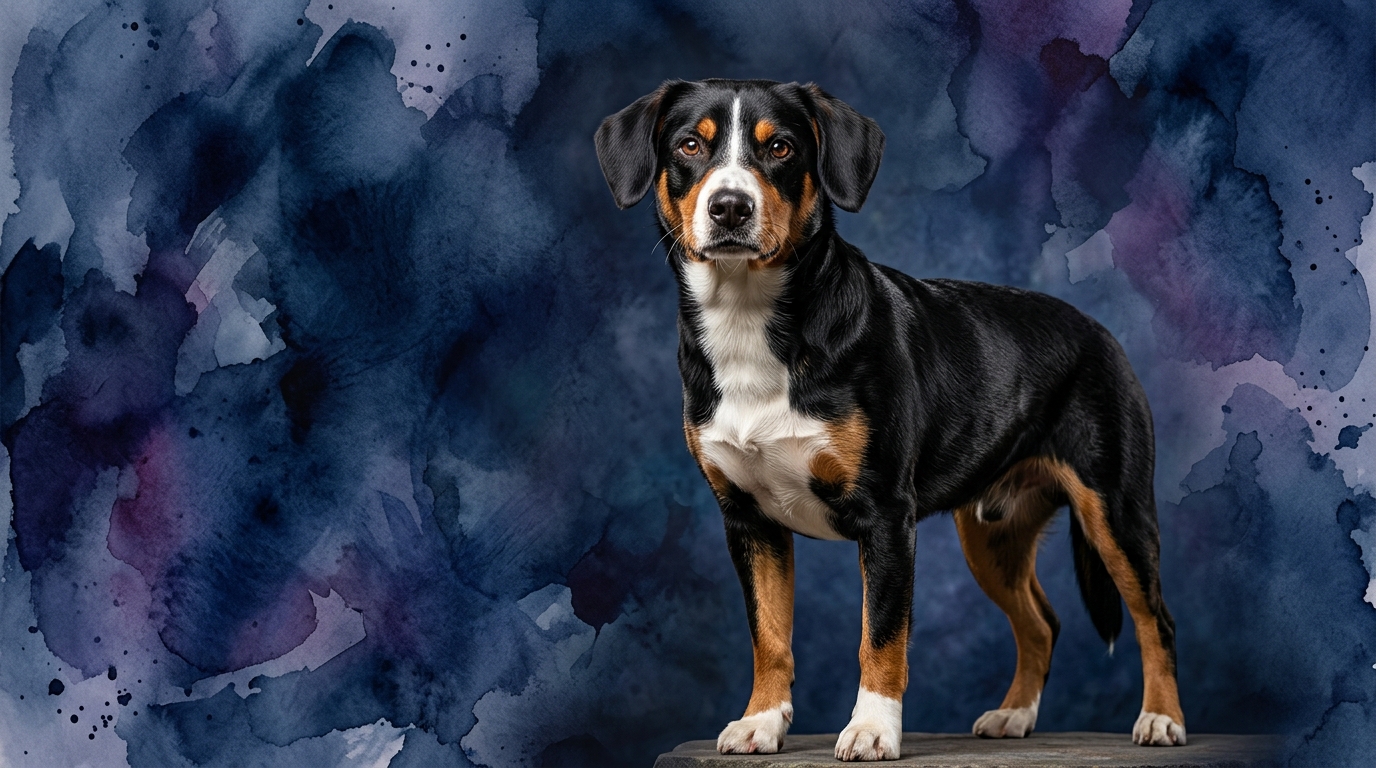
In contrast, the Entlebucher Mountain Dog, also a Herding breed, is not Coren-ranked, yet possesses a consistent set of cognitive abilities. Their Problem Solving score of 3/5 suggests they are capable of solving straightforward challenges but might require more guidance or trial-and-error for more novel or intricate tasks. With a Training Speed of 3/5, they learn at a steady pace, benefiting from consistent repetition and clear instruction to solidify new behaviors. Their Social Intelligence, like the Briard, is rated at 3/5, signifying a moderate awareness of social cues and a need for consistent socialization to ensure appropriate interactions. The Instinctive Drive is also 3/5, indicating a moderate herding and guarding impulse that, while needing channeling, is not overwhelmingly intense. Their Memory score of 3/5 reflects a reliable capacity for recalling established routines and commands, though perhaps not with the same depth or speed as the Briard for nuanced past events.
Where the Briard Excels Cognitively
The Briard demonstrates a distinct cognitive edge in areas demanding independent thought and rapid acquisition of information. Their Problem Solving score of 4/5 indicates a dog that isn't easily stumped, often seeking solutions to novel environmental challenges or figuring out complex sequences of actions without constant human intervention. This translates to an animal that can adapt quickly to changing situations, whether it's navigating a new agility course or figuring out how to open a child-proof gate. Furthermore, the Briard's superior Training Speed (4/5) means they internalize new commands with remarkable efficiency, often requiring fewer repetitions than many other breeds. This quick uptake is supported by their strong Memory (4/5), allowing them to retain vast repertoires of commands and experiences over extended periods, making refresher training sessions swift and effective. This combination of quick learning and robust recall makes them particularly adept at advanced obedience, competitive dog sports, and roles requiring a broad skill set.
Where the Entlebucher Mountain Dog Excels Cognitively
While the Entlebucher Mountain Dog's individual cognitive scores are consistently 3/5, this balanced profile isn't without its own set of advantages. Their cognitive strength lies in a reliable, steady approach to learning and interaction, rather than bursts of independent brilliance. An Entlebucher is less likely to 'overthink' a situation or devise complex, potentially mischievous, solutions to perceived problems, unlike a dog with a higher problem-solving drive. Their moderate Training Speed (3/5) ensures they are receptive to instruction, provided it's consistent and clear, leading to a predictable and well-mannered companion. This breed excels when given a clear framework and routine, consistently applying what they've learned without the need for constant novelty or mental gymnastics. Their balanced Social Intelligence and Instinctive Drive mean they are less prone to extreme behaviors, providing a stable foundation for family life where a steady, dependable presence is valued over an intensely independent intellect.
Which is Easier to Train and Why
When assessing ease of training, the Briard holds an advantage, primarily due to its superior Training Speed (4/5) and Memory (4/5). Briards assimilate new commands and concepts quickly, often understanding what's expected after just a few repetitions. Their robust memory means they retain these lessons for extended periods, making long-term training highly effective and refresher sessions brief. However, this cognitive capacity also comes with a caveat: Briards are capable of independent thought (Problem Solving 4/5) and can be quite opinionated. A trainer must be engaging and consistent, providing clear leadership to channel their intellect productively. Without proper guidance, their problem-solving skills might be applied to undesirable behaviors, such as figuring out how to escape a yard or manipulate situations to their advantage.
The Entlebucher Mountain Dog, with a Training Speed of 3/5 and Memory of 3/5, learns at a more deliberate pace. They require more repetitions and a highly consistent approach to master new commands. While they may not pick up concepts as rapidly as a Briard, their steady nature means that once a behavior is learned through patient, positive reinforcement, it tends to stick reliably. They are generally less inclined to challenge authority or invent their own solutions, making them more straightforward for owners who prioritize consistency over speed in training. The Entlebucher thrives on routine and predictability, responding well to a calm, firm, and encouraging trainer.
Which Suits Active Owners vs. Relaxed Owners
For active owners seeking a canine partner that thrives on complex challenges and varied activities, the Briard is often the more suitable choice. Their Problem Solving (4/5) and Training Speed (4/5) scores indicate a dog that benefits immensely from engaging in dog sports like agility, obedience, herding trials, or even tracking. They possess the mental capacity and drive to excel in roles that demand quick thinking and the application of a wide skill set. These dogs need more than just physical exercise; their minds require stimulating work to prevent boredom and potential destructive behaviors. A Briard will relish opportunities to learn new tricks, solve puzzle toys, and participate in extended training sessions.
Conversely, while still a herding breed requiring regular physical activity, the Entlebucher Mountain Dog might align better with moderately active owners who appreciate consistency and a slightly less demanding cognitive engagement. Their steady 3/5 scores across the board mean they are content with regular walks, hikes, and structured play sessions, rather than needing constant mental novelty. They enjoy having a job to do, like carrying a pack on a hike or participating in basic obedience, but they may not seek out complex mental puzzles with the same intensity as a Briard. An Entlebucher is a great companion for owners who enjoy an active lifestyle but don't necessarily want to dedicate extensive time to advanced competitive dog sports or intricate problem-solving tasks every day.
The Verdict
Choose the Briard if you are an experienced owner seeking a highly trainable, independent thinker eager for advanced mental challenges and dog sports. They thrive with consistent, engaging leadership and a lifestyle rich in problem-solving opportunities.
Opt for the Entlebucher Mountain Dog if you value a reliably steady, consistent companion who excels with clear routines and patient, positive reinforcement training. They are ideal for moderately active homes that appreciate a predictable temperament and a loyal presence.
🧠 Find Your Pet's IQ Score
Our Pet IQ Lab assessment covers 25+ tests across 5 cognitive dimensions — personalized to your breed.
Take the Full IQ Test →Frequently Asked Questions
Are Briards good family dogs given their cognitive abilities?
Briards can be excellent family dogs, especially with proper socialization and training from a young age. Their problem-solving skills mean they require consistent mental engagement, which, if provided, makes them loyal and protective companions. Without sufficient mental stimulation, their independent thinking might lead to self-directed activities that aren't always desirable.
How does the Entlebucher Mountain Dog's moderate social intelligence manifest?
An Entlebucher's moderate social intelligence (3/5) means they are capable of forming strong bonds with their family and understanding social cues, but they might be reserved or cautious with strangers. Consistent, positive socialization throughout their lives is crucial to help them develop appropriate social manners and prevent excessive shyness or territoriality.
Does the lack of a Coren rank for the Entlebucher Mountain Dog mean it's less capable?
The absence of a Coren rank for the Entlebucher Mountain Dog does not inherently imply lesser capability, but rather that it was not included in Stanley Coren's specific study or its cognitive profile didn't align with the criteria for ranking. Our IQ scores of 3/5 across the board indicate a capable, consistent, and trainable dog, just one with a different cognitive approach compared to breeds with higher scores in specific areas.