
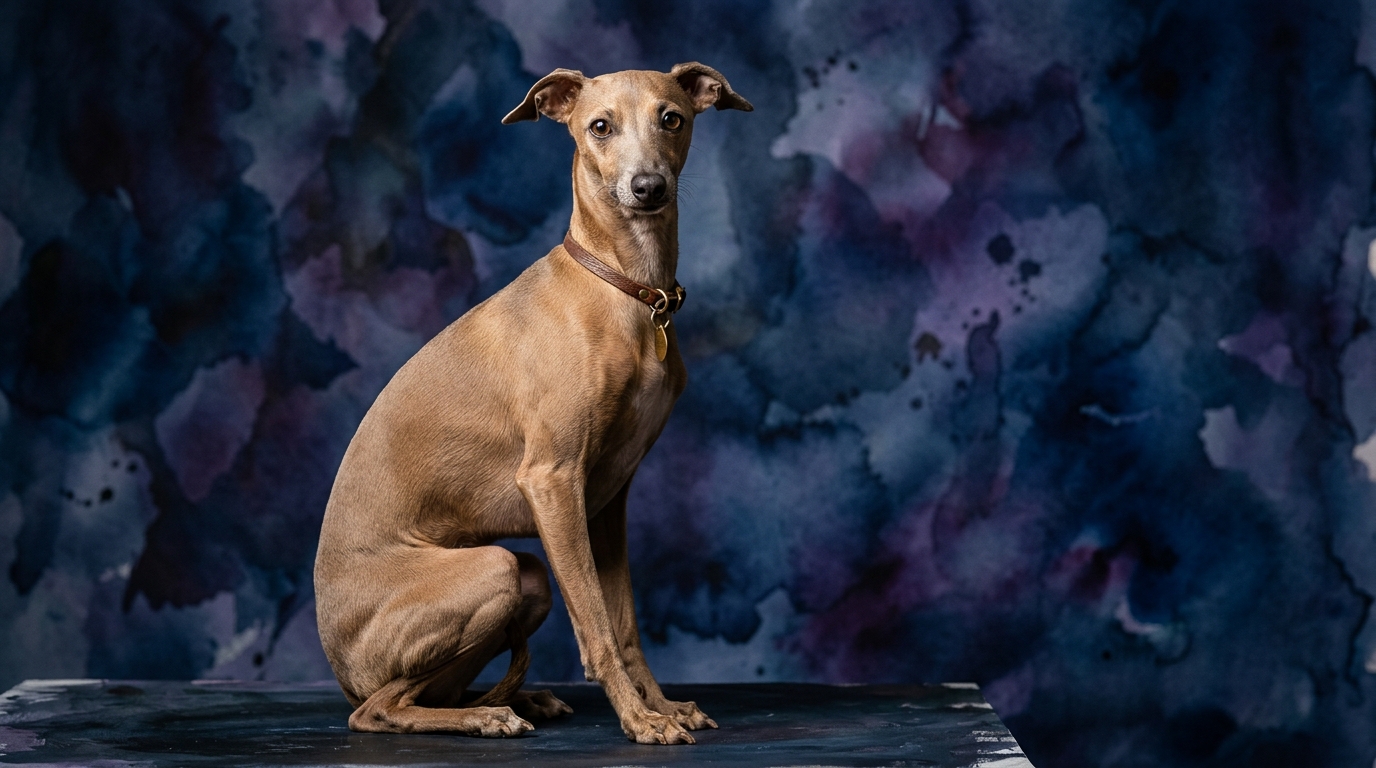
Side-by-Side Cognitive Profiles
**The Briard: A Herding Mind at Work**
**Problem Solving (4/5):** The Briard, with a herding lineage, excels at complex tasks requiring sequential steps or spatial understanding, like figuring out gate latches or navigating obstacles. Their observational skills foster independent thought and solution-finding, often involving foresight and planning, indicative of their historical role in livestock management.
**Training Speed (4/5):** Briards absorb new commands efficiently, demonstrating responsiveness and good retention with consistent, positive reinforcement. While possessing an independent streak, clear and engaging training allows them to quickly master concepts for advanced obedience or dog sports.
**Social Intelligence (3/5):** Briards form deep bonds with family and are attuned to their moods. However, their guardian heritage means they approach strangers with reserve, assessing new situations carefully. This reflects a discerning, protective nature, influencing a more selective social circle.
**Instinctive Drive (3/5):** Rooted in herding and guarding, this drive manifests as a desire to keep their “flock” (family) together and safe, sometimes leading to territorial behavior. It provides strong internal motivation requiring owners to channel it constructively through training and appropriate activities.
**Memory (4/5):** Briards possess robust memory, retaining commands, routines, and experiences over long periods. This strong recall aids training success, environmental navigation, and anticipating occurrences based on past events, supporting their protective instincts.
**The Italian Greyhound: A Companion's Cleverness**
**Problem Solving (3/5):** Italian Greyhounds show moderate problem-solving, adept at finding comfort, warmth, or manipulating situations for attention. Their solutions are often practical and immediate, less about complex, multi-step tasks. They use charm and agility to achieve goals effectively.
**Training Speed (3/5):** Italian Greyhounds learn steadily with consistent, positive methods, but are sensitive and may have shorter attention spans, requiring more repetition. Their motivation is tied to comfort and companionship, influencing engagement in rigorous training.
**Social Intelligence (3/5):** IGs are highly socially intelligent within their family, attuned to owner emotions and thriving on close companionship. They can be reserved with strangers but are affectionate once comfortable. Their social understanding focuses on intimate family dynamics and expressing comfort needs.
**Instinctive Drive (3/5):** Primarily a sighthound chase instinct for moving objects outdoors, coupled with a strong need for comfort and warmth indoors. This manifests as burrowing and cuddling, reflecting a deep desire for self-preservation and human companionship.
**Memory (3/5):** IGs have functional memory for daily routines, people, and comfort-related specifics (e.g., treat jar sounds, sunbeam locations). While retaining information, their memory is less expansive for complex sequences than working breeds, focusing on what brings them joy and comfort.
Where the Briard Leads Cognitively
The Briard outperforms the Italian Greyhound in areas demanding sustained cognitive effort and independent decision-making. Their problem-solving (4/5) reflects an ability to analyze complex situations and devise solutions beyond simple trial-and-error, a trait honed by centuries of livestock management. This involves anticipating outcomes and adapting strategies, skills less central to a companion sighthound. The Briard's superior memory (4/5) also allows for quicker mastery and reliable recall of intricate tasks and environmental information over extended periods, equipping them for varied and challenging scenarios with greater mental agility.
Where the Italian Greyhound Shines Cognitively
While not outscoring the Briard in raw cognitive dimensions, the Italian Greyhound exhibits a distinct cognitive advantage in refined emotional attunement and domestic adaptability. Their problem-solving (3/5) is highly effective for their lifestyle, excelling at discerning subtle owner cues, manipulating for comfort, or finding warm spots. Their social intelligence (3/5) is finely tuned for close human bonds, allowing them to quickly respond to family emotions with endearing sensitivity. This specialized intelligence masters companionship, leveraging charm and subtle communication to secure needs for warmth and affection, making them remarkably adept at navigating human-dog family life.
Training Dynamics: Briard vs. Italian Greyhound
For owners seeking broad obedience and diverse activities, the Briard generally offers a more straightforward training experience. Their training speed (4/5) and robust memory (4/5), coupled with a natural work ethic, mean they grasp and retain commands efficiently. Briards thrive on purpose, making them eager participants in advanced obedience or sports, provided their independent nature is respected. Their herding drive, when channeled, motivates engagement. In contrast, the Italian Greyhound, with 3/5 in both training speed and memory, requires more patience. While clever, their sighthound instincts cause distractions, and their comfort-seeking nature can reduce motivation for rigorous drills. Potty training can be particularly challenging. Successful training for IGs involves short, positive, reward-based sessions, focusing on strengthening the bond rather than strict compliance, as they are sensitive to harshness. Their 'easiness' hinges on the owner's training goals.
Lifestyle Match: Active vs. Relaxed Owners
The Briard is ideal for active owners who can provide consistent mental and physical engagement. Their substantial instinctive drive (3/5) and need for purpose demand more than just walks; they thrive on hiking, advanced obedience, or dog sports. An owner who enjoys channeling their problem-solving and energy into constructive outlets will find a deeply rewarding companion. Without sufficient stimulation, a Briard can develop undesirable behaviors from boredom. Conversely, the Italian Greyhound suits more relaxed owners. While they possess a chase instinct outdoors, their indoor life centers on comfort, warmth, and close physical proximity. They enjoy short play bursts and walks but are equally content spending hours cuddling. Their moderate instinctive drive (3/5) and lower energy needs make them excellent companions for quieter homes, appreciating affection without demanding extensive daily 'work' or high-impact exercise.
The Verdict
Choose the Briard if you are an active individual or family seeking a mentally robust, trainable companion for advanced obedience, dog sports, or a working role, prepared to engage their problem-solving and memory skills daily.
Opt for the Italian Greyhound if you desire a devoted, affectionate companion for a relaxed home environment, valuing sensitive emotional connection and a dog that thrives on comfort and close human interaction.
🧠 Find Your Pet's IQ Score
Our Pet IQ Lab assessment covers 25+ tests across 5 cognitive dimensions — personalized to your breed.
Take the Full IQ Test →Frequently Asked Questions
Are Briards good with children?
Briards can be excellent with children, especially those they are raised with, due to their protective and herding instincts. However, their size and herding tendencies mean supervision is crucial, and they may try to 'herd' smaller children, which requires gentle guidance and training.
Do Italian Greyhounds shed a lot?
Italian Greyhounds have very short, fine coats and are considered low-shedding. They require minimal grooming, primarily limited to occasional baths and nail trims, making them a good choice for individuals sensitive to pet hair.
What are the typical health concerns for each breed?
Briards can be prone to hip and elbow dysplasia, bloat, and certain eye conditions. Italian Greyhounds, being more delicate, are susceptible to dental disease, patellar luxation, Legg-Calve-Perthes disease, and fractures due to their fine bones, especially when young.