Side-by-Side Cognitive Profiles
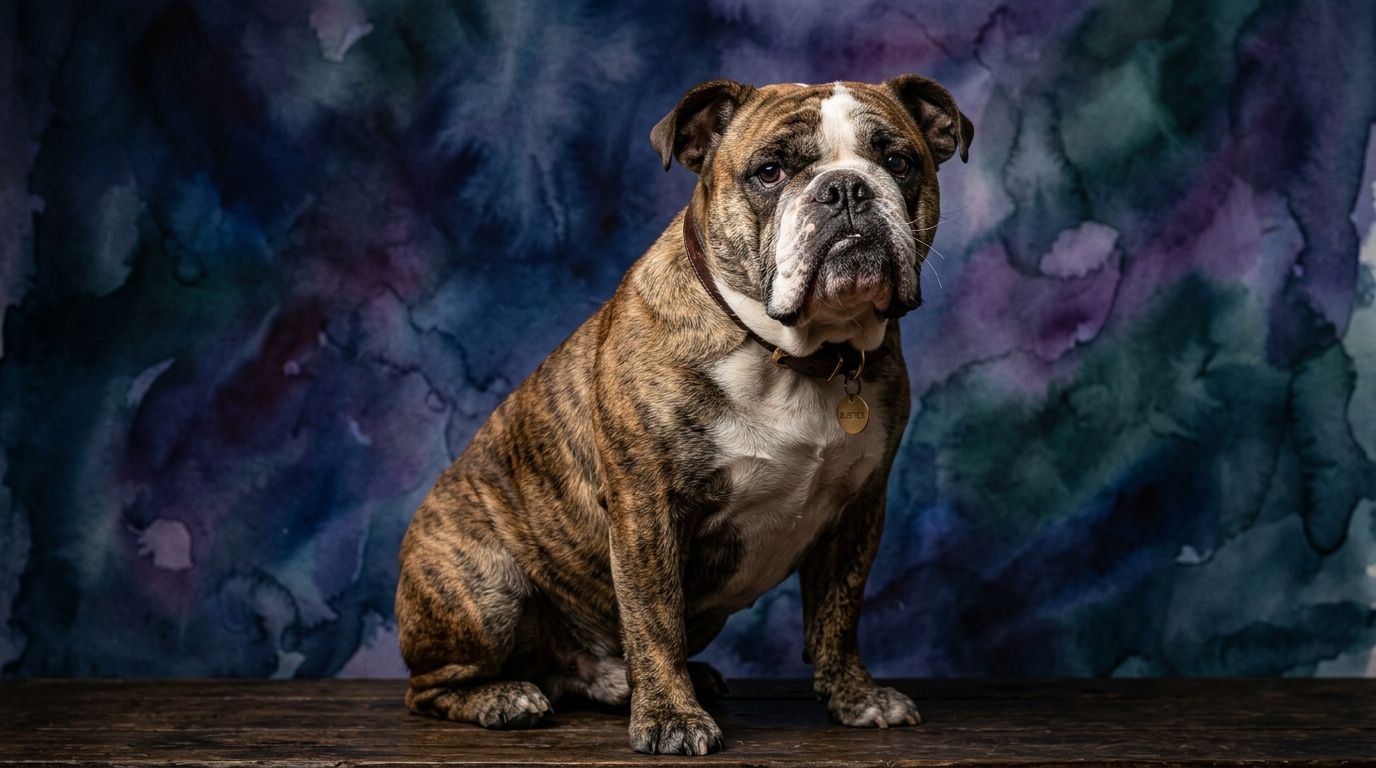
The Cosmic Pet Pet IQ Lab assesses canine cognition across five crucial dimensions, offering a nuanced view of each breed's mental landscape. For the English Bulldog, a Coren-ranked #77 breed, its profile shows Problem Solving at 2/5, indicating a methodical approach that prefers established routines. Training Speed also sits at 2/5, suggesting that while capable, the Bulldog requires significant patience and repetition. Where the Bulldog shines is in Social Intelligence, scoring a robust 4/5; these dogs are typically affable, forming deep, loyal bonds and often displaying remarkable tolerance. Their Instinctive Drive is moderate at 3/5, meaning they possess some natural dog behaviors but aren't typically driven by intense prey instincts. Finally, their Memory is rated 2/5, implying that learned behaviors may need frequent refreshing.
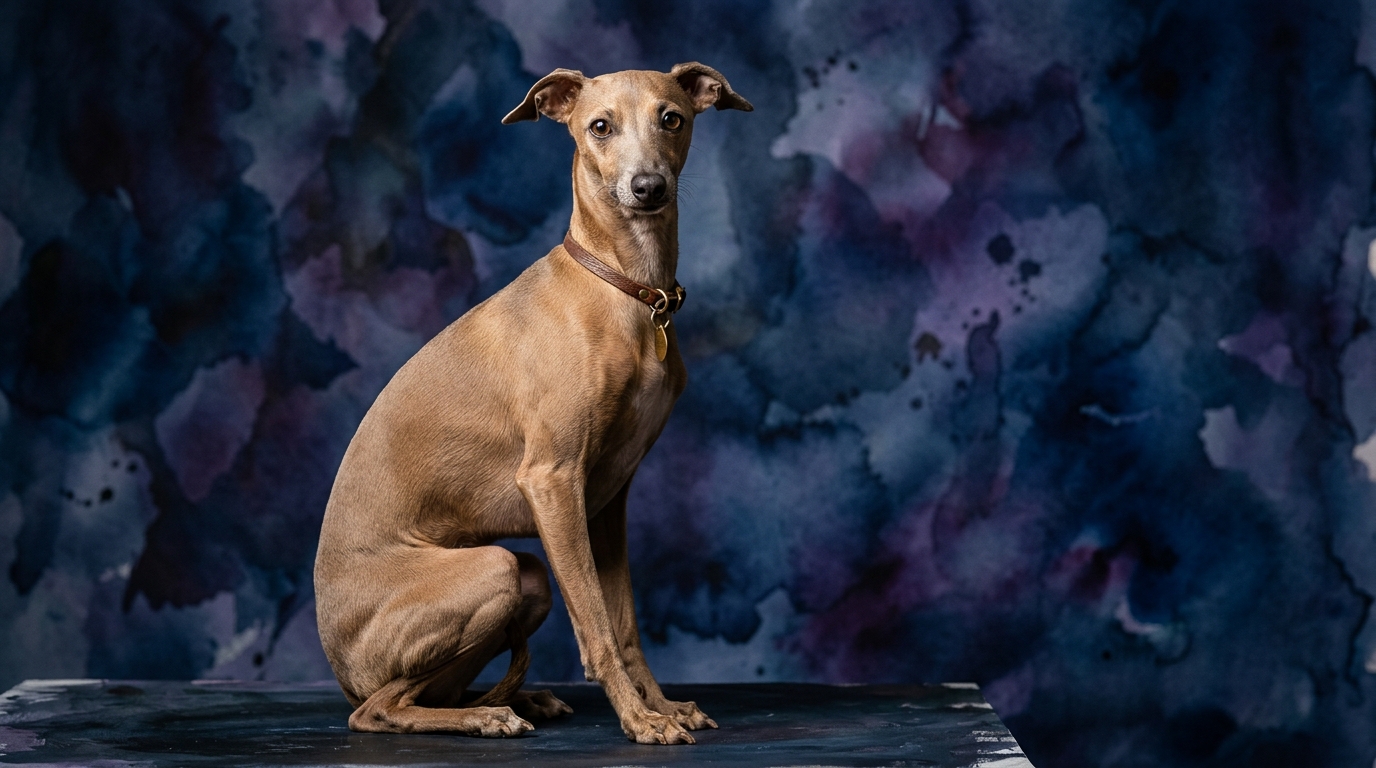
In contrast, the Italian Greyhound, a Toy breed not specifically ranked by Coren, presents a different cognitive blueprint. Its Problem Solving ability is rated 3/5, suggesting a more agile mind that can devise clever strategies, often centered around comfort. Training Speed is also 3/5, indicating that these sighthounds generally respond well to positive reinforcement and can grasp new commands with reasonable efficiency. Their Social Intelligence stands at 3/5; while capable of forming incredibly strong, devoted bonds, Italian Greyhounds can be more reserved with strangers. Instinctive Drive is 3/5, reflecting their sighthound heritage with a notable, though not overwhelming, prey drive. Their Memory also scores 3/5, suggesting better retention of learned commands and experiences compared to the Bulldog, allowing for more consistent application of training over time.
Where the English Bulldog Wins Cognitively
The English Bulldog distinctly excels in Social Intelligence, where its score of 4/5 surpasses the Italian Greyhound's 3/5. This higher rating reflects the Bulldog's inherent capacity for profound emotional connection and its generally placid, amiable nature. Bulldogs often exhibit unwavering loyalty and a deep, intuitive understanding of their human family's moods, making them exceptional emotional support companions. Their calm demeanor allows them to integrate smoothly into varied family dynamics, displaying remarkable tolerance and patience. This isn't just about being friendly; it's about a deep-seated social awareness that helps them navigate complex social cues with quiet grace. While not quick to learn complex tricks, their ability to be a steadfast, comforting presence, often providing a stable social anchor, is a significant cognitive strength. They are masters of companionship, understanding the nuances of shared space and quiet affection, and their social aptitude contributes to their often-cited patience with children.
Where the Italian Greyhound Wins Cognitively
The Italian Greyhound demonstrates a clear cognitive advantage across three key dimensions: Problem Solving (3/5 vs. Bulldog's 2/5), Training Speed (3/5 vs. Bulldog's 2/5), and Memory (3/5 vs. Bulldog's 2/5). Their elevated Problem Solving score means they are more likely to independently figure out how to navigate obstacles or strategically position themselves for maximum comfort. This is often a clever, almost feline approach to achieving goals. The superior Training Speed means Italian Greyhounds are typically quicker to pick up new commands and routines, possessing a greater capacity for associative learning. This agility in learning is complemented by their higher Memory score, enabling them to retain these learned behaviors with greater consistency over time. Owners will likely find that once an Italian Greyhound has mastered a command, it requires less frequent re-teaching, leading to a more reliable repertoire of trained actions. This combination of quicker learning, better retention, and adaptive problem-solving makes the Italian Greyhound a more cognitively flexible breed for acquiring and applying new skills.
Training Dynamics: Which is Easier and Why
Based on the Cosmic Pet Pet IQ Lab metrics, the Italian Greyhound is generally easier to train than the English Bulldog, primarily due to its higher scores in Training Speed (3/5), Problem Solving (3/5), and Memory (3/5). Italian Greyhounds possess a more eager-to-please disposition and a greater capacity for grasping new concepts quickly. They respond well to positive reinforcement, readily associating rewards with desired behaviors, which makes teaching basic obedience a more streamlined process. Their cognitive agility allows them to process and integrate new information efficiently, leading to faster skill acquisition.
In contrast, the English Bulldog's lower Training Speed (2/5), Problem Solving (2/5), and Memory (2/5) indicate a more challenging training journey. Bulldogs possess a strong independent streak and a tendency to prioritize comfort. Training a Bulldog demands immense patience, short, engaging sessions, and consistent use of high-value treats. They often require more repetitions to solidify a command, and owners must be prepared for moments where the Bulldog simply decides not to comply, not out of malice, but preference. Their methodical nature means they will eventually learn, but mastery is typically longer and requires more dedication. For instance, house-training might take longer because their lower problem-solving and memory mean they might not generalize the concept as quickly or reliably.
Matching Breeds to Lifestyles: Active vs. Relaxed Owners
The choice between an English Bulldog and an Italian Greyhound largely depends on an owner's lifestyle and energy levels. The Italian Greyhound, despite its delicate appearance, is better suited for moderately active owners. With an Instinctive Drive of 3/5, reflecting their sighthound heritage, these dogs thrive on bursts of vigorous exercise, such as sprinting in a securely fenced yard or engaging in brisk walks. They need regular opportunities to stretch their legs and satisfy their natural urge to run. An active owner who enjoys daily walks, perhaps a game of fetch, or even participating in dog sports, would find the Italian Greyhound a delightful companion. Their quicker cognitive processing also benefits from mental stimulation, making them suitable for owners who enjoy teaching new tricks or puzzle toys.
Conversely, the English Bulldog is an ideal match for relaxed owners who prefer a more sedate pace of life. With their robust build and brachycephalic physiology, Bulldogs are prone to overheating and are not built for strenuous activity. Their lower Problem Solving and Training Speed mean they are more content with routine and less demanding of constant mental or physical engagement. Short, gentle strolls are sufficient for their exercise needs, and they are perfectly happy to spend the majority of their day lounging comfortably. An owner who enjoys quiet evenings at home, values a calm presence, and appreciates a dog content with minimal outdoor adventures will find the Bulldog's temperament perfectly aligned with their lifestyle. They are companions for cozy afternoons rather than mountain hikes.
The Verdict
Opt for an English Bulldog if you seek a calm, steadfast companion who will offer unwavering loyalty and a gentle, social presence with minimal demands for strenuous activity.
Choose an Italian Greyhound if you desire a clever, agile dog that enjoys bursts of activity, learns readily, and thrives on consistent, positive engagement in a secure environment.
🧠 Find Your Pet's IQ Score
Our Pet IQ Lab assessment covers 25+ tests across 5 cognitive dimensions — personalized to your breed.
Take the Full IQ Test →Frequently Asked Questions
Are English Bulldogs difficult to train?
English Bulldogs can present challenges in training due to their lower training speed and independent nature, requiring significant patience, consistency, and high-value motivation from their owners. They are capable of learning, but the process often takes longer and demands more dedication compared to many other breeds.
Do Italian Greyhounds need a lot of exercise?
Italian Greyhounds need regular, moderate exercise, including opportunities for short bursts of running in a secure, fenced area to satisfy their sighthound instincts. While not requiring hours of continuous activity, daily walks and playtime are essential for their physical and mental well-being.
Which breed is better with children?
The English Bulldog's high social intelligence and placid temperament often make them very tolerant and gentle companions for children, provided interactions are supervised. Italian Greyhounds can be good with older, respectful children, but their delicate build and sometimes reserved nature mean they might prefer a quieter, less boisterous environment.