Side-by-Side Cognitive Profile: Bulldog (English) vs. Miniature American Shepherd
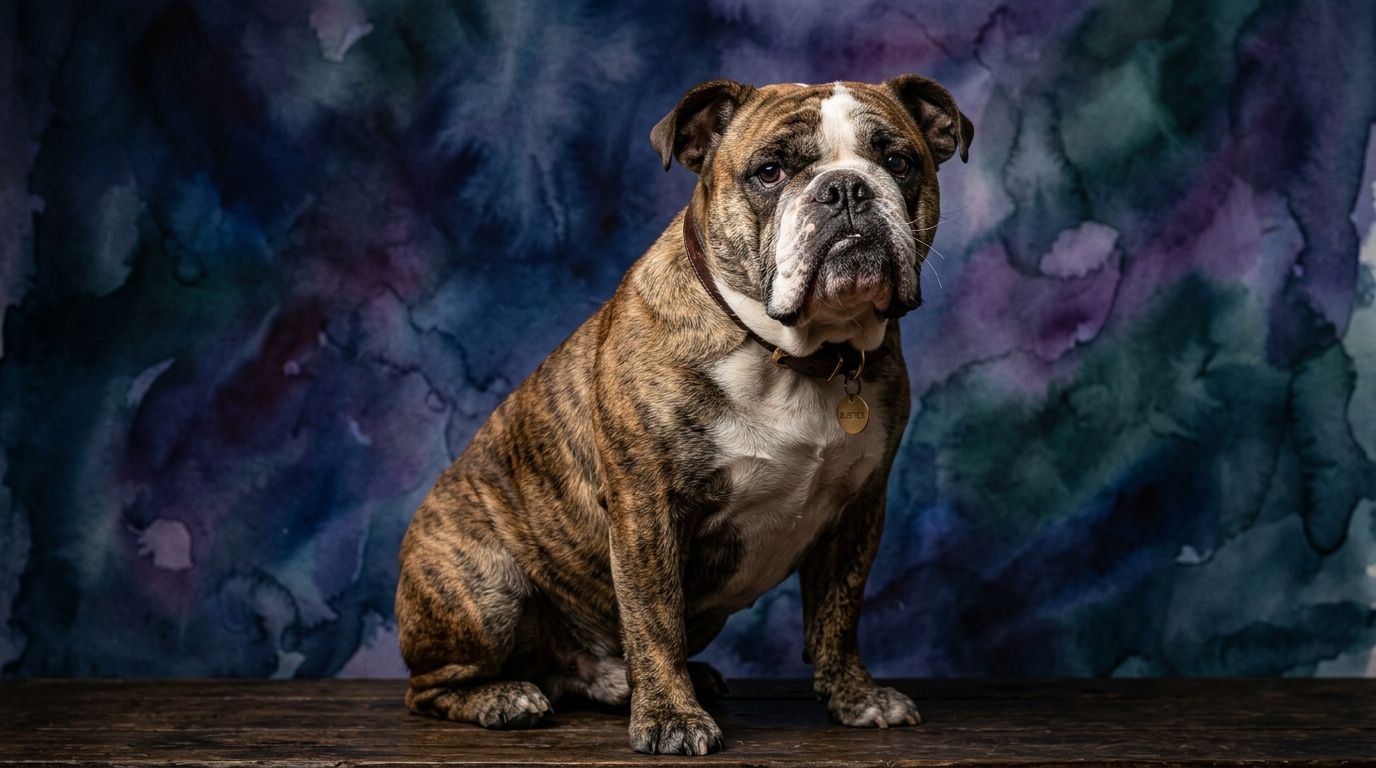
At The Cosmic Pet Pet IQ Lab, we evaluate canine intelligence across five key dimensions to provide a nuanced understanding of each breed's cognitive strengths. For the English Bulldog, a Non-Sporting breed, their Coren rank of #77 provides a general context, but our deeper dive reveals specific cognitive leanings. Their Problem Solving is rated 2/5, indicating they typically approach novel challenges with less spontaneous innovation, often preferring familiar routines or relying on human guidance rather than intricate strategic planning. Training Speed for the Bulldog stands at 2/5, meaning acquiring new commands or behaviors can take a considerable number of repetitions, demanding patience and consistent positive reinforcement. However, their Social Intelligence shines at 4/5, as they excel in understanding and responding to human social cues, displaying a strong capacity for bonding and interpreting emotional states. Their Instinctive Drive is moderate at 3/5, primarily manifesting as a desire for comfort, companionship, and occasional bursts of playful energy, rather than strong prey or herding instincts. Finally, their Memory is 2/5, suggesting recall for specific commands or past experiences can be somewhat selective, often requiring regular reinforcement to maintain learned behaviors.
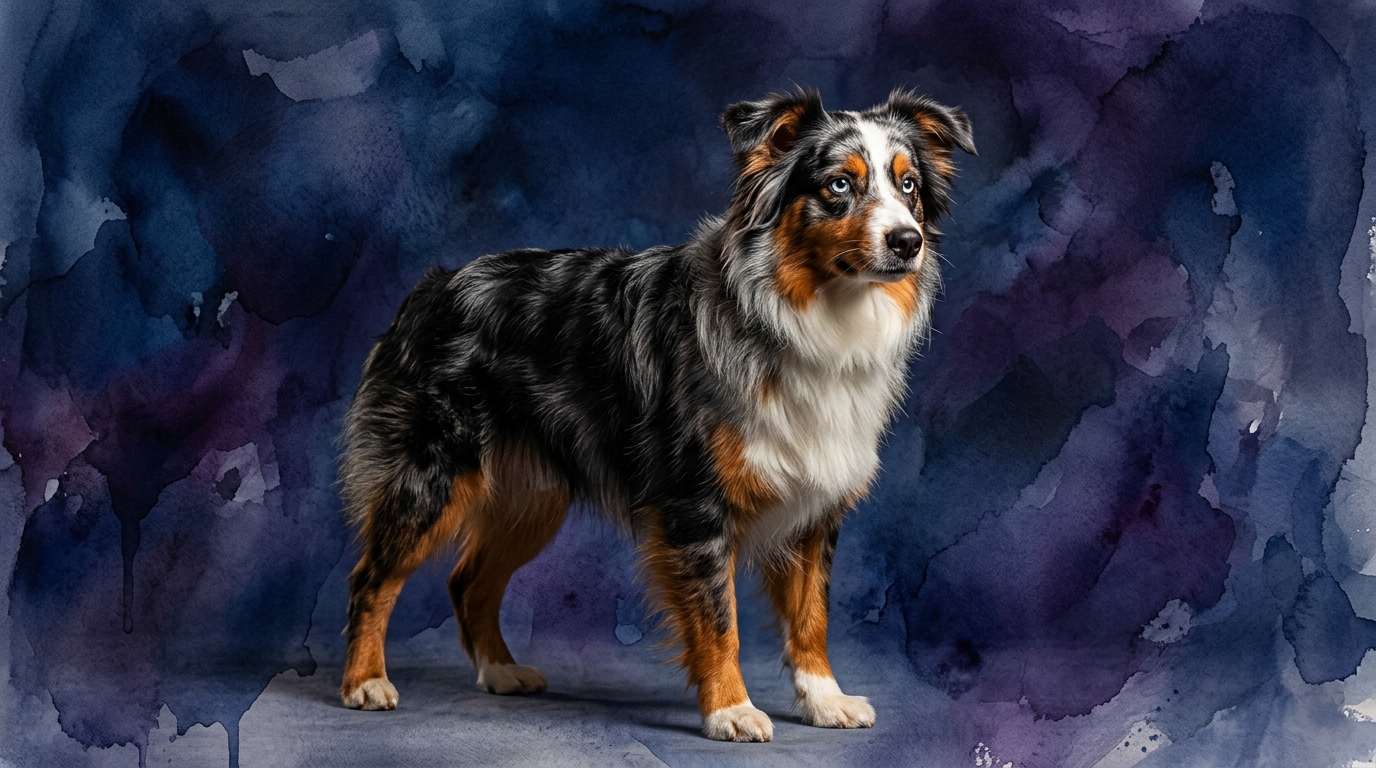
The Miniature American Shepherd, a Herding breed not typically included in Coren's ranking, presents a different cognitive blueprint. Their Problem Solving is rated 3/5, demonstrating a capable approach to challenges, often showing initiative in navigating their environment or figuring out how to achieve a desired outcome through adaptable strategies. Training Speed for this breed is 3/5, indicating they generally learn new commands and routines at a good pace, grasping concepts after a moderate number of repetitions due to their willingness to engage. Their Social Intelligence is 3/5; they exhibit good awareness, capable of understanding human moods and intentions, though sometimes with a degree of reserved observation, forming strong bonds with their families. The Miniature American Shepherd's Instinctive Drive is 3/5, rooted in their herding heritage, often displaying a natural inclination to gather and manage, contributing to their engagement in activities. Their Memory is also 3/5, meaning they typically have a solid recall for commands, routines, and past experiences, allowing them to retain learned behaviors effectively and consistently.
Where the English Bulldog Wins Cognitively
The English Bulldog's standout cognitive strength lies in its exceptional social intelligence (4/5). This breed demonstrates a superior capacity for perceiving and responding to human emotional states and cues, making them incredibly attuned companions. They are adept at forming profound emotional connections, often anticipating their owner's needs for comfort or companionship without explicit commands. This high social acumen allows them to integrate seamlessly into family life, offering intuitive support and understanding that goes beyond simple obedience, fostering a deep, empathetic bond. Their ability to read a room, so to speak, and offer a comforting presence or a gentle nudge reflects a nuanced understanding of social dynamics within their immediate human pack, making them masters of emotional connection.
Where the Miniature American Shepherd Wins Cognitively
The Miniature American Shepherd's cognitive advantages are evident in its problem-solving abilities (3/5) and training speed (3/5), coupled with a stronger memory (3/5) compared to the English Bulldog. These dogs often display a more proactive and adaptable approach to novel challenges, willing to experiment and adjust their methods to achieve goals. This cognitive flexibility, combined with their capacity for quicker learning, means they can acquire complex sequences of commands and tasks with fewer repetitions. Their solid memory ensures that these learned behaviors are retained effectively over time, making them reliable partners for various activities that demand consistency and recall. This combination of traits positions them well for activities requiring independent thought and sustained engagement, reflecting their working heritage.
Training Dynamics: English Bulldog vs. Miniature American Shepherd
The Miniature American Shepherd generally presents as the easier breed to train due to its higher scores in training speed (3/5), problem-solving (3/5), and memory (3/5). Their inherent desire to work and their capacity for quicker learning mean they can grasp new commands and sequences with fewer repetitions, often retaining these skills reliably. For example, a Miniature American Shepherd might master a multi-step agility course or a complex trick like 'fetch the specific toy' in a shorter timeframe because they process information efficiently and remember the steps involved. Their proactive problem-solving also makes them more likely to try to figure out what is being asked of them.
In contrast, the English Bulldog's training speed (2/5) and memory (2/5) suggest a more deliberate learning pace. While they can certainly be trained, it often requires more patience, consistency, and a higher number of repetitions to solidify new behaviors. An English Bulldog might excel at understanding 'sit' but take longer to consistently execute a 'stay' command for extended periods, as their cognitive processing prioritizes comfort and social connection over rapid skill acquisition and recall of intricate instructions. Their lower problem-solving score also means they might be less inclined to independently figure out what is being asked of them, relying more on direct, consistent cues rather than independent deduction.
Lifestyle Match: Active vs. Relaxed Owners
The Miniature American Shepherd is unequivocally better suited for active owners. Their moderate instinctive drive (3/5), coupled with their problem-solving aptitude (3/5) and quicker training speed (3/5), means they thrive on regular physical exercise and mental engagement. Owners who enjoy activities like hiking, dog sports (agility, flyball), herding trials, or even long, brisk walks will find a willing and capable partner in a Miniature American Shepherd. Their cognitive makeup demands an outlet for their energy and intellect, preventing boredom and potential behavioral issues, making them excellent companions for those with dynamic lifestyles.
Conversely, the English Bulldog is an ideal match for relaxed owners seeking a more sedentary companion. Their lower activity requirements and moderate instinctive drive (3/5), which often manifests as a desire for comfort and companionship, mean they are content with shorter, leisurely strolls and ample time for napping and snuggling. Their high social intelligence (4/5) makes them excellent house companions who enjoy being part of family life without needing constant stimulation or rigorous physical exertion. Owners who prefer quiet evenings, gentle companionship, and less demanding exercise routines will find the English Bulldog perfectly aligns with their lifestyle, offering a devoted, calm presence.
The Verdict
Select an English Bulldog if your primary desire is an exceptionally socially intelligent, deeply affectionate companion who thrives on close human connection and requires a more relaxed pace of life. They are ideal for individuals or families who value a calm, devoted presence and are prepared for a deliberate training journey.
Opt for a Miniature American Shepherd if you are an active individual or family seeking an engaged, trainable partner for dog sports, outdoor adventures, and consistent mental challenges. They are best suited for those who appreciate a working breed's intellect and willingness to participate in a dynamic lifestyle.
🧠 Find Your Pet's IQ Score
Our Pet IQ Lab assessment covers 25+ tests across 5 cognitive dimensions — personalized to your breed.
Take the Full IQ Test →Frequently Asked Questions
Is the English Bulldog difficult to train?
While not inherently difficult, English Bulldogs learn at a more deliberate pace due to their training speed (2/5) and memory (2/5). They require consistent, patient, and positive reinforcement, often needing more repetitions than some other breeds to solidify new commands. Their strong social intelligence means they respond well to training methods that build connection.
Do Miniature American Shepherds need a lot of exercise?
Yes, Miniature American Shepherds require significant physical activity and mental stimulation. Their herding heritage and balanced instinctive drive (3/5) mean they thrive on daily exercise like long walks, runs, or engaging in dog sports, which helps channel their energy constructively. Without adequate outlets, they can become restless or develop unwanted behaviors.
Which breed is better with children?
Both breeds can be good with children, but in different ways. The English Bulldog's high social intelligence (4/5) and calm demeanor make them gentle, patient companions, often tolerant of children's antics. The Miniature American Shepherd, while also affectionate, might be more prone to herding behaviors with very young, running children due to their instinctive drive, requiring supervision and early training to manage these instincts.