Side-by-Side IQ Profile: A Cognitive Snapshot
At The Cosmic Pet Pet IQ Lab, we delve beyond surface behaviors to understand the unique cognitive makeup of each breed. The English Bulldog, holding a Coren rank of #77, and the Shiba Inu, though not Coren-ranked, present fascinating contrasts in their intellectual strengths. Let's break down their five key IQ dimensions.
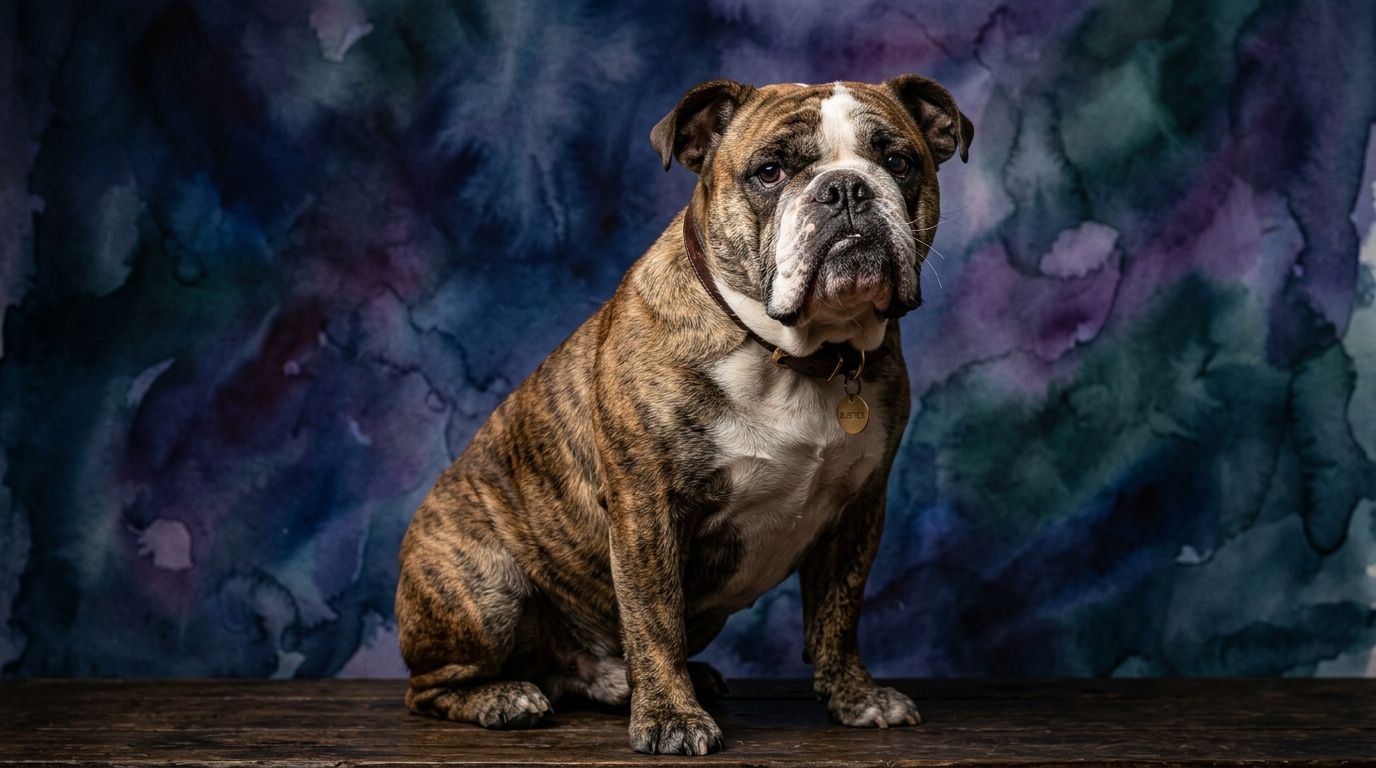
The English Bulldog's profile reveals a Problem Solving score of 2/5, indicating they are not typically adept at independently navigating complex new challenges. Their Training Speed also stands at 2/5, suggesting a slower uptake of new commands, requiring consistent, patient instruction. Where they truly shine is in Social Intelligence, scoring 4/5, demonstrating a remarkable ability to read and respond to human emotions and social dynamics. Their Instinctive Drive is moderate at 3/5, meaning they are not overly compelled by primal urges, while their Memory at 2/5 suggests they may not retain intricate sequences or commands with speed.
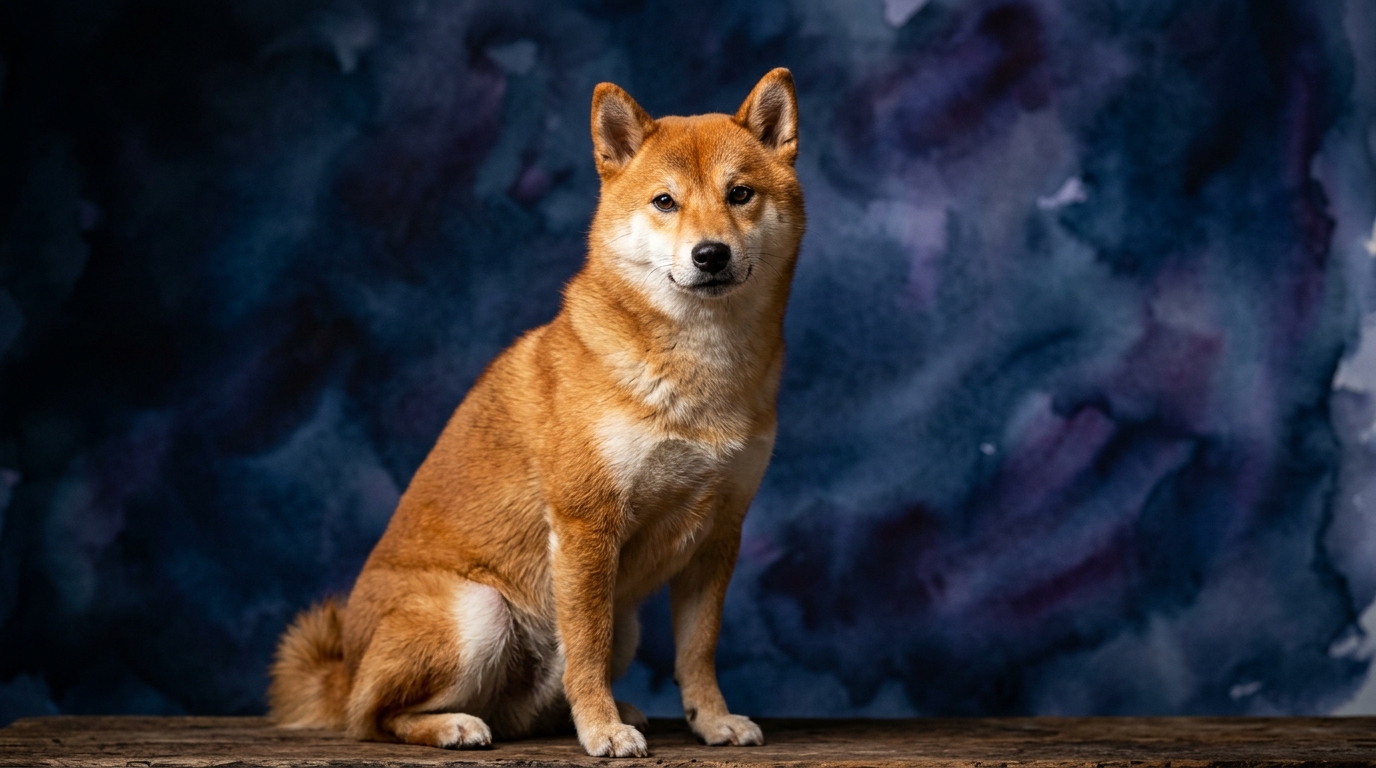
Conversely, the Shiba Inu paints a picture of a more independent thinker. Their Problem Solving score of 4/5 points to a breed that is ingenious and often finds creative ways to achieve its goals. Similar to the Bulldog, their Training Speed is 2/5, though this often stems from a strong will rather than a lack of comprehension. Social Intelligence for the Shiba is 3/5, indicating they understand cues but might be less inclined to seek constant human interaction. A striking feature is their Instinctive Drive, rated 5/5, reflecting a powerful connection to their ancestral hunting and survival instincts. Finally, their Memory at 4/5 suggests a strong capacity for retaining information, both positive and negative, which influences their learning and behavior over time.
Where the English Bulldog Wins Cognitively
The English Bulldog's primary cognitive strength lies squarely in its Social Intelligence, scoring a robust 4/5 compared to the Shiba Inu's 3/5. This dimension reflects a profound capacity to understand and respond to human emotions and social cues. Bulldogs are incredibly attuned to their family's moods, often providing comfort or seeking interaction based on subtle shifts in tone or body language. This makes them exceptionally empathetic companions who integrate deeply into the emotional fabric of a household.
Their ability to forge strong, reciprocal bonds is a direct result of this social acumen. They adapt well to established family routines and emotional rhythms, offering a comforting, predictable presence. While they may not be solving complex puzzles, their profound understanding of their human companions allows them to navigate social situations with grace, often appearing 'wiser' in their interactions than their lower scores in other areas might suggest. This cognitive strength translates into a dog that intuitively understands its place within the family unit and contributes significantly to a harmonious home environment.
Where the Shiba Inu Wins Cognitively
The Shiba Inu's cognitive profile showcases distinct strengths that contrast sharply with the Bulldog. Foremost among these is their superior Problem Solving ability, rated at 4/5 compared to the Bulldog's 2/5. Shibas are natural strategists; they excel at independently figuring out how to overcome environmental challenges, whether it's opening a gate, escaping a yard, or devising a way to access a desired item. This ingenuity, while sometimes leading to mischief, underscores a flexible, adaptive mind that constantly analyzes its surroundings.
Complementing their problem-solving prowess is an Instinctive Drive of 5/5, far exceeding the Bulldog's 3/5. This score signifies a powerful internal motivation and a deep connection to their ancestral hunting heritage. Shibas are highly alert, resourceful, and self-sufficient, capable of navigating complex outdoor scenarios with a strong sense of purpose. This drive, combined with their problem-solving skills, makes them incredibly capable survivors and thinkers, even if it presents challenges in domestic settings.
Furthermore, the Shiba Inu boasts a Memory score of 4/5 against the Bulldog's 2/5. This indicates they retain information effectively, whether it's the location of a hidden treat, a specific route, or a past interaction. Their strong memory contributes significantly to their problem-solving, allowing them to learn from experience and apply past knowledge to new situations. While this means they remember training, it also means they remember inconsistencies or negative experiences, which can profoundly impact their cooperation.
Which is Easier to Train and Why
Both the English Bulldog and the Shiba Inu share a Training Speed score of 2/5, suggesting neither breed is a quick study in traditional obedience. However, the underlying reasons for this similar score are quite different and crucial for prospective owners to understand.
For the English Bulldog, their slower training speed is primarily attributed to their lower Problem Solving and Memory scores. They simply take longer to process and retain new commands, requiring significant patience, repetition, and consistency from their owner. While often eager to please their beloved humans due to their high social intelligence, their cognitive processing pace is naturally slower. Training success with a Bulldog relies on making sessions fun, positive, and short, focusing on building muscle memory and strong positive associations. Their physical characteristics, such as brachycephaly and lower stamina, also influence the type and duration of training they can comfortably engage in.
The Shiba Inu's training speed is hampered by a completely different set of cognitive traits: their strong independent streak and very high instinctive drive. Shibas are intelligent enough to understand commands, but their high Problem Solving ability means they often choose whether or not to obey based on their own assessment of the situation or their current motivation. They are not inherently driven by a desire to please; instead, they are constantly evaluating if a command is 'worth their while.' Training a Shiba requires immense consistency, high-value rewards, and a deep understanding of their independent, often cat-like nature. It's less about teaching them what to do and more about convincing them that complying is the most beneficial option for them, making it a more nuanced and sometimes challenging endeavor.
Which Suits Active Owners vs. Relaxed Owners
Understanding the cognitive profiles of these two breeds is key to matching them with the right lifestyle. Their inherent drives and problem-solving approaches dictate their needs for mental and physical engagement.
For relaxed owners, the English Bulldog often proves to be an ideal companion. With their moderate instinctive drive and generally lower energy levels, they thrive in a calmer, more predictable home environment. Their high social intelligence means they genuinely enjoy being close to their people, making them excellent companions for those who prefer quiet evenings and gentle companionship. While they require regular, gentle exercise to maintain health, they are not built for intense or prolonged physical activity. Their contentment with a stable routine and their affectionate nature make them perfect for owners seeking a devoted presence that doesn't demand constant strenuous engagement or complex mental games.
Conversely, the Shiba Inu is far better suited for active owners. Their very high instinctive drive and strong problem-solving abilities demand consistent mental and physical stimulation to prevent boredom and potential behavioral issues. They need regular, engaging exercise that allows them to explore, sniff, and utilize their senses. Owners who enjoy hiking, long walks, or interactive puzzle games will find a more engaged and satisfied Shiba. Their independent nature also means they need an owner who respects their space, provides clear, consistent boundaries, and understands that building a bond with a Shiba is a process of mutual respect and varied experiences, rather than constant physical affection. They thrive with owners who are firm, fair, and can channel their clever minds and strong drives productively.
The Cosmic Pet Verdict
The Verdict
Opt for an English Bulldog if you seek a deeply affectionate, empathetic companion who integrates seamlessly into a calm household and offers unwavering emotional support, prioritizing social connection over complex obedience.
Select a Shiba Inu if you are an experienced, active owner ready to engage a clever, independent spirit with consistent mental and physical challenges, appreciating their resourceful nature and unique personality.
🧠 Find Your Pet's IQ Score
Our Pet IQ Lab assessment covers 25+ tests across 5 cognitive dimensions — personalized to your breed.
Take the Full IQ Test →Frequently Asked Questions
Are English Bulldogs difficult to train?
English Bulldogs have a slower training speed and lower memory, meaning they require significant patience, positive reinforcement, and consistent repetition to learn new commands. Their eagerness to please helps, but understanding their cognitive pace is crucial for successful training.
Why is the Shiba Inu not Coren-ranked?
The Coren ranking primarily assesses obedience intelligence, which often reflects a breed's willingness to comply with human commands. Shiba Inus, with their strong independence and high instinctive drive, often choose not to obey if they don't see the immediate benefit, leading to them being perceived as less 'trainable' in traditional obedience contexts, rather than less intelligent.
Do Shiba Inus need a lot of exercise?
Yes, Shiba Inus possess a very high instinctive drive and problem-solving ability, meaning they require regular physical activity and significant mental stimulation to prevent boredom. Daily walks, puzzle toys, and consistent training are essential to keep their clever minds engaged and their bodies healthy.