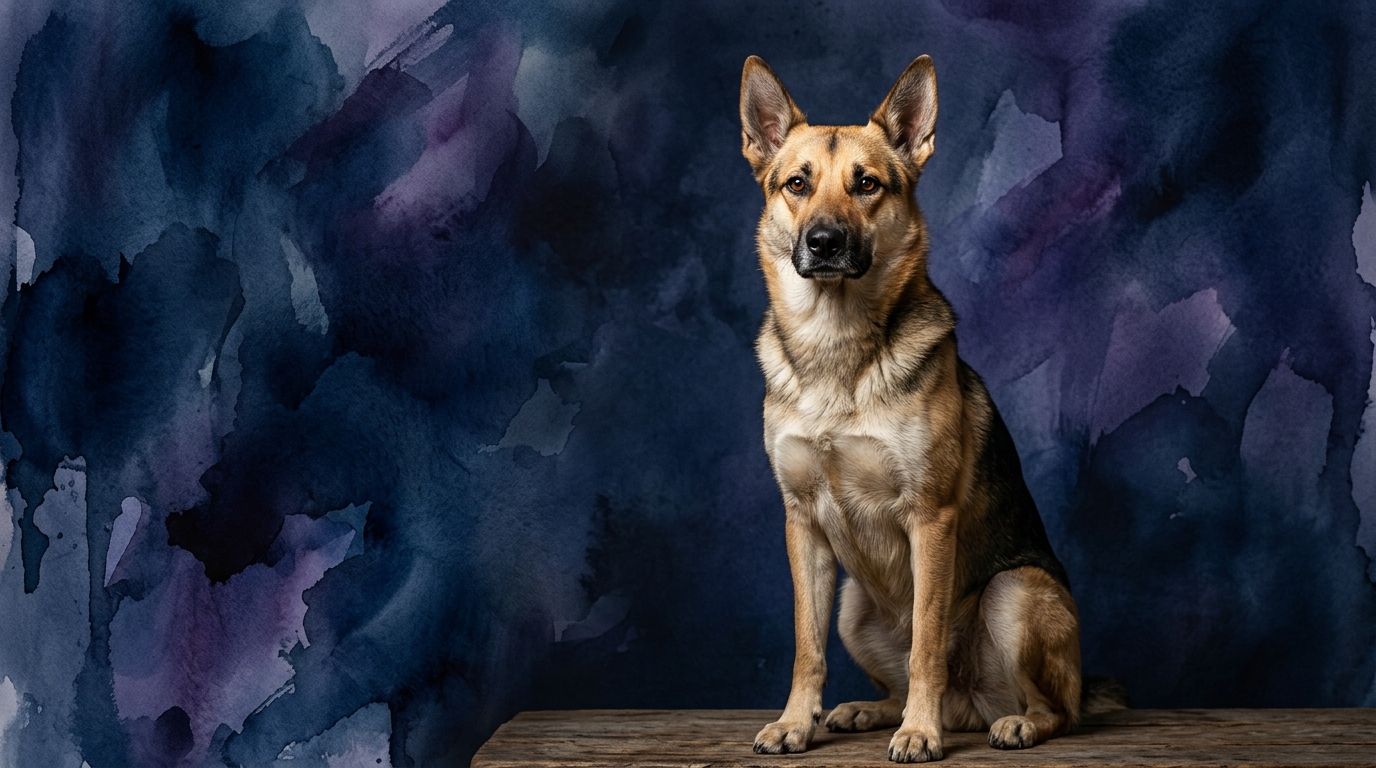
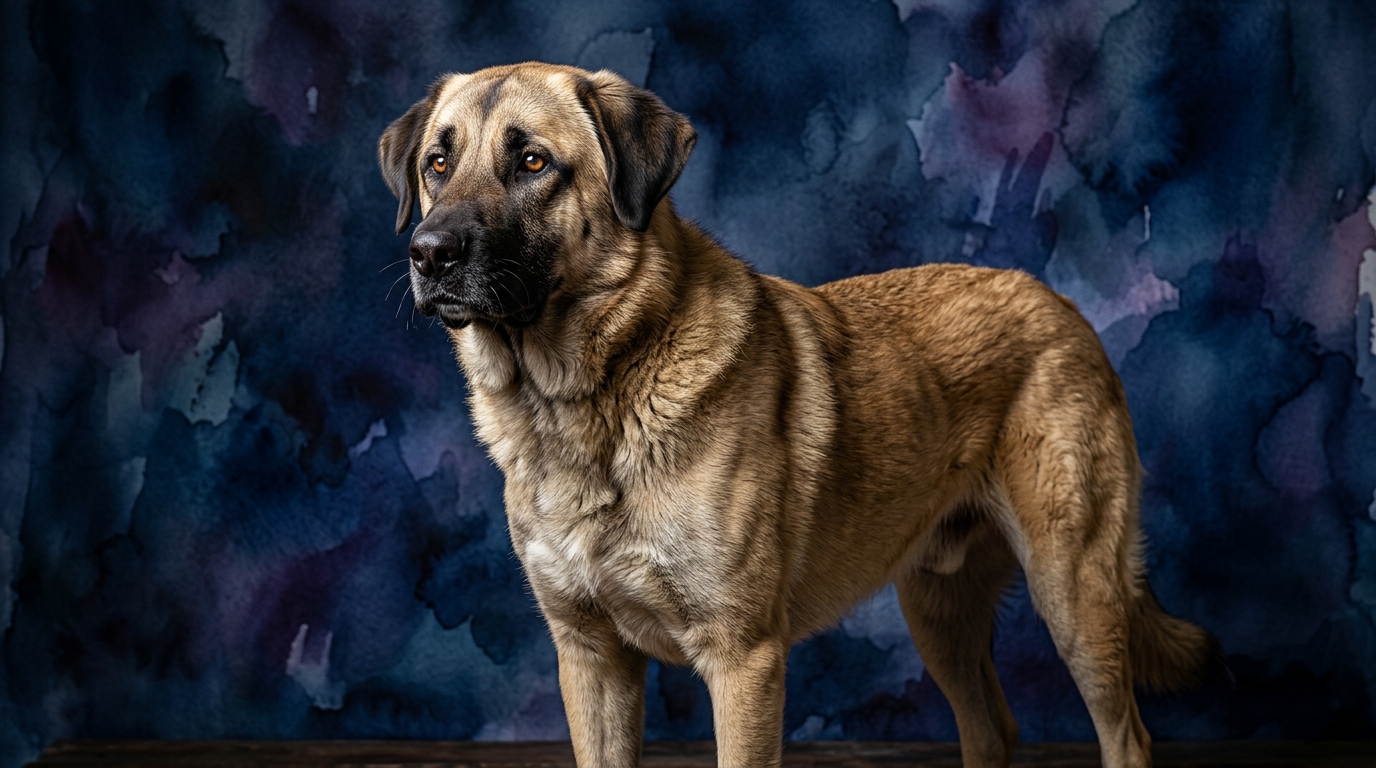
Side-by-Side Cognitive Profiles
The Cosmic Pet Pet IQ Lab employs a five-dimensional framework to assess canine intelligence, offering a nuanced view beyond simple obedience. For the Canaan Dog, problem-solving registers at 3/5, indicating a capacity for navigating complex scenarios and finding solutions independently, a trait honed in their semi-feral origins and herding duties. Their training speed is also 3/5, suggesting they can grasp new commands and routines at a moderate pace, often requiring clear, consistent methods. Social intelligence, rated 3/5, reflects their ability to interpret human cues and interact within a social structure, though their independence can influence this. Instinctive drive, at 3/5, points to a balanced expression of innate behaviors, including their natural herding tendencies. A standout trait for the Canaan Dog is their memory, scoring 4/5, which suggests a strong ability to recall past experiences, learned behaviors, and environmental layouts, critical for navigating varied terrains and complex social dynamics.
In contrast, the Anatolian Shepherd Dog presents a largely consistent cognitive profile across several dimensions. Their problem-solving ability is 3/5, reflecting practical intelligence focused on their primary role of livestock guarding, where assessing threats and making independent decisions is paramount. Training speed also stands at 3/5, meaning they learn at a similar rate to the Canaan Dog, but their inherent independence might require a different training approach. Social intelligence is 3/5, indicating an awareness of social hierarchies and interactions, though their protective nature often dictates their engagement. Their instinctive drive is 3/5, a clear manifestation of their deep-seated guarding instincts, which are central to their being. The Anatolian Shepherd Dog's memory is rated 3/5, indicating a solid capacity for recall, sufficient for remembering boundaries, routines, and perceived threats, but perhaps less emphasis on intricate sequences compared to the Canaan Dog.
Where the Canaan Dog Excels Cognitively
The Canaan Dog's primary cognitive advantage lies in its superior memory, scoring 4/5 compared to the Anatolian's 3/5. This enhanced recall ability translates into a greater capacity for retaining complex sequences of commands, remembering intricate routes, and recalling subtle environmental cues over extended periods. For an owner, this means a Canaan Dog might more readily remember past training lessons, even after a break, or recall specific locations of interest during walks, showcasing a detailed mental map. Their historical role as herding dogs, often working independently to guide flocks across diverse landscapes, undoubtedly strengthened this memory dimension, allowing them to track livestock, navigate changing terrains, and remember safe passages.
Furthermore, while both breeds share a 3/5 problem-solving score, the Canaan Dog's historical context suggests a type of problem-solving centered on adaptability and resourcefulness in varied environments. Their capacity to make quick, independent decisions when faced with scattered livestock or unfamiliar situations speaks to a cognitive flexibility that complements their strong memory, allowing them to apply past learning to new challenges effectively. This blend of memory and adaptive problem-solving makes them adept at tasks requiring sequential learning and spatial awareness.
Where the Anatolian Shepherd Dog Excels Cognitively
The Anatolian Shepherd Dog's cognitive strengths are deeply rooted in their specialized role as livestock guardians, manifesting as a profound and unwavering instinctive drive for protection, rated at 3/5. While numerically similar to the Canaan Dog, the *nature* of this drive is distinct. Their problem-solving (3/5) is highly contextual, focused on threat assessment and deterrent strategies specific to their guarding duties. This involves an inherent ability to evaluate potential dangers to their flock or family, making independent judgments on when to observe, when to warn, and when to intervene, often without direct human instruction.
Their cognitive profile supports an acute awareness of their territory and its inhabitants, coupled with a deep-seated sense of responsibility. This isn't about solving abstract puzzles but rather mastering the complex, real-world 'problem' of keeping livestock safe. Their social intelligence (3/5), while not outwardly effusive, is keenly attuned to the needs and safety of their charges, displaying a quiet, watchful attentiveness. This specialized cognitive focus, prioritizing vigilance and protective action, represents a significant advantage in their intended role, allowing them to remain steadfast and reliable guardians even in challenging conditions.
Trainability: Canaan Dog vs. Anatolian Shepherd Dog
When it comes to trainability, both breeds share a training speed score of 3/5, suggesting they learn new commands at a moderate pace. However, real-world behavioral differences significantly influence the training experience. The Canaan Dog, with its higher memory score (4/5), tends to retain learned behaviors and cues more effectively over time. This means that once a Canaan Dog has grasped a concept or command, it is likely to stick with them, making reinforcement sessions potentially more efficient. Their herding lineage often provides a foundation for working in partnership with a handler, albeit with an independent streak that requires a confident and consistent leader.
The Anatolian Shepherd Dog, while equally capable of learning new commands, often presents a different challenge due to its inherent independence and strong guarding instincts. Their problem-solving (3/5) and instinctive drive (3/5) are geared towards self-sufficiency in protecting livestock, meaning they may question commands that don't align with their perceived duty or seem arbitrary. Training an Anatolian requires immense patience, clear boundaries, and a deep understanding of their guardian mindset. They respond best to positive reinforcement and methods that respect their independent judgment, rather than rote obedience. An Anatolian might learn a command, but choose not to execute it if it conflicts with their internal assessment of a situation, making them less 'eager to please' than some other breeds.
Suitability for Active vs. Relaxed Owners
For active owners seeking a canine companion that thrives on structured activity and mental engagement, the Canaan Dog is often the more fitting choice. Their herding heritage means they possess a natural desire for a 'job' and benefit greatly from consistent physical exercise and mental stimulation, such as agility, obedience, or scent work. Their problem-solving and memory traits make them adaptable to learning new sports and challenges, and while they enjoy downtime, they are not content to be couch potatoes for extended periods. Owners who can provide regular, varied activities will find the Canaan Dog responsive and engaged, channeling their energy into productive outlets.
In contrast, the Anatolian Shepherd Dog is better suited for owners who appreciate a more relaxed, watchful presence, often in a spacious environment. While they require regular exercise, their needs are typically less about high-intensity, structured activities and more about patrolling their territory and engaging in moderate, self-directed movement. Their deep-seated instinctive drive for guarding means they are most content when they have a 'flock' to oversee, even if that 'flock' is the family and property. They are not typically inclined towards high-energy games or constant interaction; instead, they prefer a calm, predictable routine. Owners with ample space and a preference for a more independent, protective companion will find the Anatolian Shepherd Dog to be a suitable match, understanding that their 'activity' often involves quiet vigilance.
The Verdict: When to Choose Each Breed
The Verdict
Choose a Canaan Dog if you are an active owner seeking a responsive, intelligent companion for structured activities, dog sports, and a strong partnership built on consistent training and mental engagement. Their superior memory and adaptability make them rewarding for those who enjoy teaching complex tasks and providing varied stimulation.
Opt for an Anatolian Shepherd Dog if you have ample space, value an independent, watchful guardian, and prefer a calm, self-reliant canine presence that excels in protective roles. Be prepared for a training journey that respects their strong instincts and requires patience, rather than expecting eager obedience.
🧠 Find Your Pet's IQ Score
Our Pet IQ Lab assessment covers 25+ tests across 5 cognitive dimensions — personalized to your breed.
Take the Full IQ Test →Frequently Asked Questions
Are Canaan Dogs better at learning tricks than Anatolian Shepherd Dogs?
While both breeds have a training speed of 3/5, the Canaan Dog's higher memory score (4/5) suggests they might retain complex sequences required for tricks more consistently. Their inherent desire for engagement in structured activities also often makes them more receptive to trick training compared to the more independently-minded Anatolian.
Which breed is more independent, the Canaan Dog or the Anatolian Shepherd Dog?
Both breeds possess a degree of independence, but it manifests differently. The Anatolian Shepherd Dog's independence is deeply ingrained from centuries of solo guarding work, leading them to make their own decisions regarding protection. The Canaan Dog also exhibits independence, often stemming from their semi-feral origins and herding duties where self-reliance was crucial, but they generally retain a stronger desire to work collaboratively with their human.
Do Canaan Dogs or Anatolian Shepherd Dogs require more mental stimulation?
Canaan Dogs generally require more varied and structured mental stimulation to prevent boredom and destructive behaviors, benefiting from activities like obedience, agility, or puzzle toys. Anatolian Shepherd Dogs, while needing environmental enrichment, often find their primary mental stimulation in patrolling and observing their territory, fulfilling their innate guardian role rather than needing constant interactive challenges.