Side-by-Side Cognitive Profile: Identical Scores, Distinct Minds
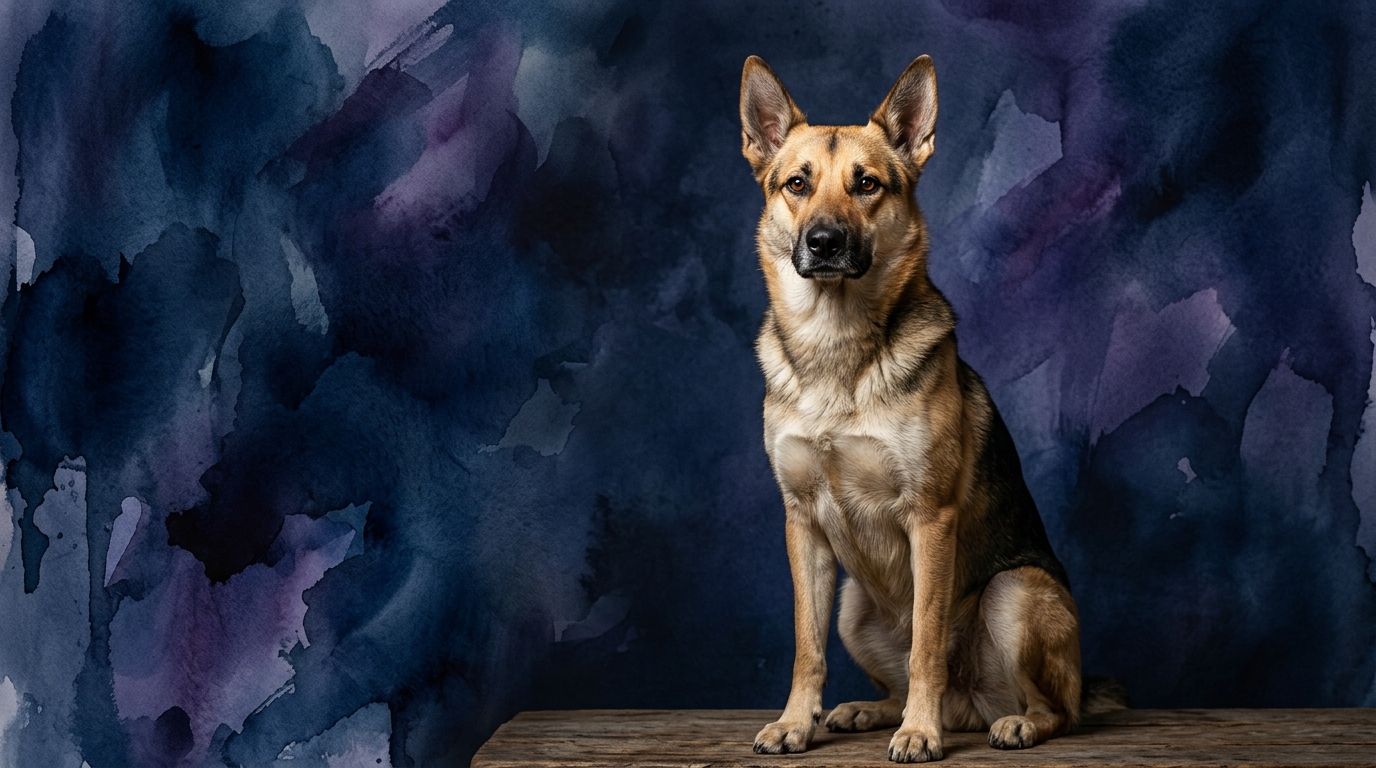
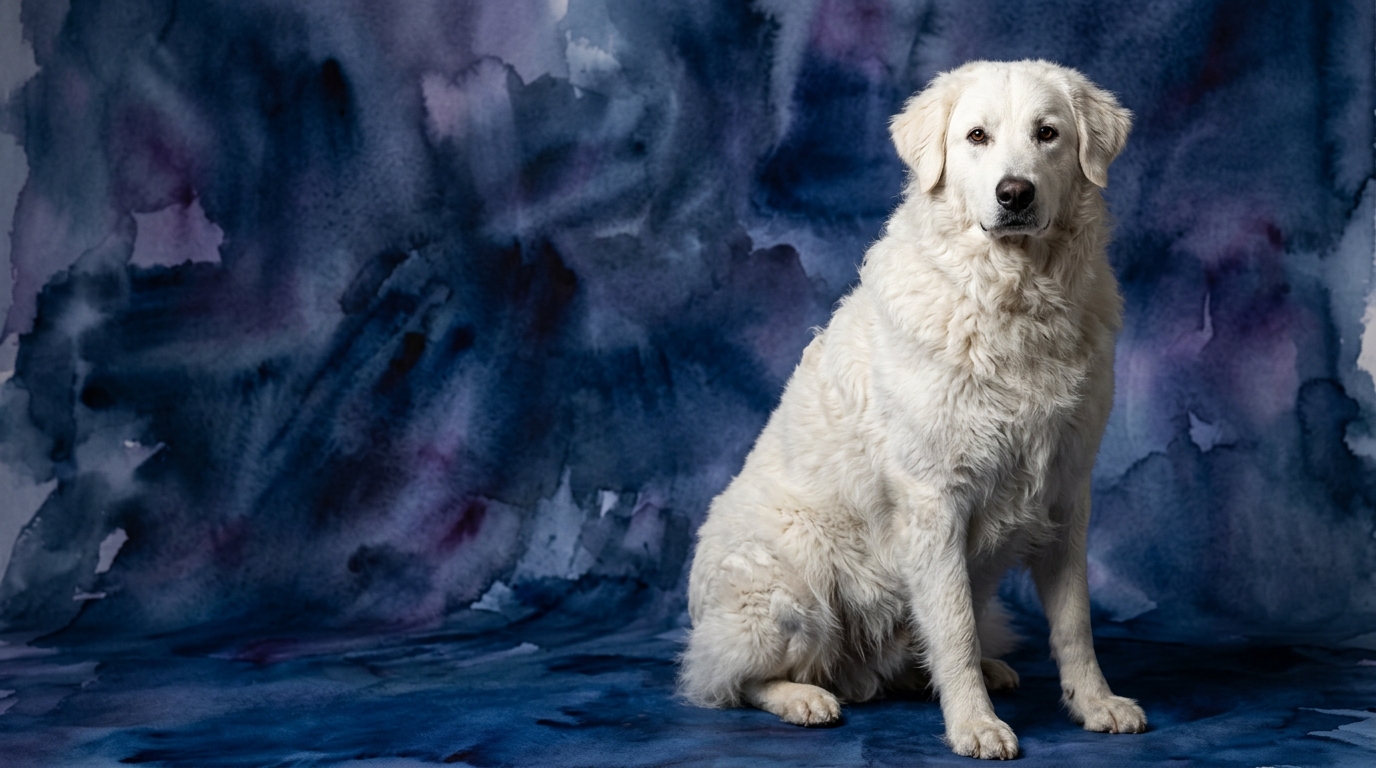
At The Cosmic Pet Pet IQ Lab, we delve beyond simple rankings to understand the intricate cognitive architecture of each breed. For the Canaan Dog, a remarkable survivor from ancient times, and the Kuvasz, a majestic guardian from Hungary, their raw cognitive scores present a striking similarity. Both breeds hold Coren ranks in the low 40s (Canaan Dog #43, Kuvasz #42), suggesting a solid, mid-range capacity for learning and adaptation.
When examining Problem Solving, both breeds score a 3 out of 5. For the Canaan Dog, this translates into resourceful exploration and independent navigation, a trait honed by centuries of semi-feral existence. The Kuvasz similarly applies this score to intelligently assessing threats and strategizing protection within its territory, rather than waiting for specific commands.
Their Training Speed also registers at 3 out of 5, signifying that both breeds require a consistent, patient, and engaging approach. The Canaan Dog's inherent independence means it evaluates commands based on perceived utility. The Kuvasz's guardian instincts prioritize observation and independent judgment over immediate obedience, meaning training success hinges on building trust.
Social Intelligence, rated 3 out of 5 for both, points to an adequate but not overly effusive understanding of human and canine social cues. The Canaan Dog forms deep bonds with its family but can be reserved with strangers, interpreting interactions through cautious assessment. The Kuvasz displays a similar pattern, devoted to its family but maintaining a dignified distance with outsiders due to its protective nature.
Instinctive Drive, again at 3 out of 5, reveals a moderate internal motivation for breed-specific behaviors. For the Canaan Dog, this translates into a drive for patrolling, surveying its environment, and exhibiting resourcefulness, reflecting its herding and generalist working background. The Kuvasz's score here underscores its inherent drive to protect and oversee its flock or family, often manifesting as vigilance.
Finally, Memory stands out as the highest score for both, at 4 out of 5. This indicates an excellent capacity to retain learned behaviors, positive and negative experiences, and spatial information over long periods. A Canaan Dog will remember training cues and routines well. The Kuvasz's strong memory is crucial for its guardian role, enabling it to recall threats and safe boundaries.
Where the Canaan Dog Wins Cognitively
While their raw scores are identical, the Canaan Dog's cognitive strengths lean towards a unique form of environmental adaptability and self-sufficiency, a direct result of its historical existence as a pariah dog. Its 3/5 Problem Solving score, when viewed through this lens, suggests a superior ability to independently assess and navigate complex or changing outdoor environments. This breed likely excels at finding its own shelter or locating resources without human direction, leveraging its keen senses and memory (4/5) to build a detailed mental map of its surroundings, prioritizing practical, survival-driven ingenuity.
The Canaan Dog's moderate Instinctive Drive (3/5) is finely tuned towards generalist herding and protective instincts, but crucially, it is coupled with an independent decision-making process. Unlike some breeds whose drives are highly specialized, the Canaan Dog's cognitive edge lies in its capacity for autonomous action when faced with a perceived need for self-preservation or flock management. This breed excels when allowed to think on its feet, making it particularly effective in roles where quick, unassisted judgments are paramount, rather than waiting for a handler's specific instruction.
Where the Kuvasz Wins Cognitively
The Kuvasz, with its history as a steadfast livestock guardian, demonstrates a cognitive advantage in specific areas related to its protective role. Its 3/5 Problem Solving score, though numerically identical to the Canaan Dog, manifests as a profound ability to analyze and neutralize threats within its territory. This breed excels at discerning subtle changes in its environment, identifying potential predators, and strategically positioning itself to protect its charges. Its strong memory (4/5) is critically applied here, allowing it to recall past threats and the effectiveness of previous deterrents, building a sophisticated threat-response database.
The Kuvasz's Social Intelligence (3/5) is uniquely adapted for its guardian duties, giving it an edge in interpreting social cues specifically related to territorial integrity and the safety of its family or flock. It possesses a keen ability to differentiate between welcomed visitors, potential intruders, and harmless passersby, often making judgments based on subtle body language and scent. This isn't about generalized social affability, but rather a specialized social acumen that prioritizes the security of its charges, allowing it to make discerning judgments about who belongs and who poses a risk.
Which Is Easier to Train and Why
Despite both breeds sharing a 3 out of 5 rating for Training Speed, the underlying cognitive and behavioral drivers for this score differ, leading to distinct training experiences. Neither the Canaan Dog nor the Kuvasz are breeds that thrive on rote obedience or endless repetitions. Their moderate training speed means handlers must adopt methods that are engaging, clear, and consistent, focusing on positive reinforcement and understanding their intrinsic motivations.
For the Canaan Dog, training ease is influenced by its deep-seated independence and its tendency to 'evaluate' commands rather than simply comply. Originating from a semi-feral background, this breed often questions the utility of a command from its perspective. Training a Canaan Dog requires a handler to demonstrate the 'why' or make the desired action intrinsically rewarding for the dog. If a command seems pointless, its Problem Solving and Instinctive Drive will lead it to seek more stimulating activities.
The Kuvasz, on the other hand, presents training challenges rooted in its guardian heritage. Its 3/5 Training Speed is coupled with an Instinctive Drive (3/5) that prioritizes observation, vigilance, and independent protection over immediate human directives. A Kuvasz is bred to make its own decisions regarding threats, not to be a compliant follower. Training requires immense patience and a deep understanding of its LGD mindset, integrating commands into its understanding of its 'job' or family benefit.
Overall, neither breed is inherently 'easier' to train in the traditional sense of a highly biddable companion dog. However, for an experienced owner who understands and respects a dog's independent thought, the Canaan Dog might be marginally more adaptable if training is framed as collaborative problem-solving. The Kuvasz's training demands a handler who can work with its guardian instincts, rather than trying to suppress them.
Which Suits Active Owners vs. Relaxed Owners
When considering which breed aligns with active versus relaxed owners, it's crucial to distinguish between types of activity. Both breeds possess a moderate Instinctive Drive (3/5) and require consistent engagement, but their preferred modes of activity diverge significantly based on their historical roles.
The Canaan Dog, with its background as a versatile herding and generalist working dog, typically suits active owners who enjoy varied outdoor pursuits. Its Problem Solving (3/5) and Memory (4/5) shine when engaged in activities that require both physical exertion and mental stimulation, such as hiking, agility, or scent work. These dogs thrive on exploring new environments and having a 'job' that allows them to use their natural resourcefulness, requiring regular, stimulating outings to prevent boredom.
The Kuvasz, conversely, is best suited for owners who understand and can accommodate its unique 'active' requirement: purposeful vigilance and territorial patrolling. While not necessarily demanding long, intense runs, a Kuvasz is 'active' in its constant mental monitoring of its domain. Its strong Instinctive Drive (3/5) and superior Memory (4/5) are continuously engaged in assessing its surroundings and maintaining security. This breed needs space to patrol and a clear sense of purpose, making them ideal for owners with large properties or those who appreciate a dog whose 'work' is mental and observational.
The Verdict
Choose the Canaan Dog if you are an experienced owner seeking a resourceful, independent companion for varied activities and mental challenges, valuing a dog that thinks for itself and thrives on collaborative problem-solving in diverse environments.
Opt for the Kuvasz if you have a large, secure property and are seeking a dedicated, watchful guardian whose purpose is to protect, understanding that its unique cognitive strengths lie in vigilant oversight and independent threat assessment.
🧠 Find Your Pet's IQ Score
Our Pet IQ Lab assessment covers 25+ tests across 5 cognitive dimensions — personalized to your breed.
Take the Full IQ Test →Frequently Asked Questions
Given their identical Training Speed scores, what's the practical difference in training a Canaan Dog versus a Kuvasz?
The practical difference lies in their underlying motivations. A Canaan Dog's training requires convincing it of the command's value, appealing to its independent thought and self-interest. A Kuvasz's training, while also requiring patience, must respect its innate guardian drive, integrating commands into its protective role rather than expecting blind obedience from a dog bred for autonomous decision-making.
Both breeds have a 3/5 Social Intelligence. How does this impact their interactions with strangers or other pets?
Their 3/5 Social Intelligence means both can be reserved with strangers, but for different reasons. The Canaan Dog's caution stems from its semi-feral ancestry, leading to careful assessment and potential aloofness. The Kuvasz's reserve is rooted in its protective instincts, viewing strangers through a lens of potential threat assessment, and it may not readily welcome new individuals into its perceived territory without careful introduction and family approval.
Does their high Memory score (4/5) make them easier to live with or more challenging?
Their excellent Memory (4/5) is a double-edged sword. While it means both breeds retain training and routines exceptionally well, they also remember negative experiences, inconsistent handling, or perceived injustices. This necessitates a fair, consistent, and positive approach to living with them, as past interactions will heavily influence their future behavior and trust in their human companions.