Side-by-Side Cognitive Profiles: Decoding the Nuances
At first glance, the Pet IQ Lab scores for both the Cesky Terrier and the Ibizan Hound appear identical: 3/5 for Problem Solving, Training Speed, Social Intelligence, Instinctive Drive, and Memory. However, these scores represent vastly different applications of intelligence, shaped by their breed histories and fundamental purposes. Understanding these distinctions is key to appreciating their individual cognitive strengths.
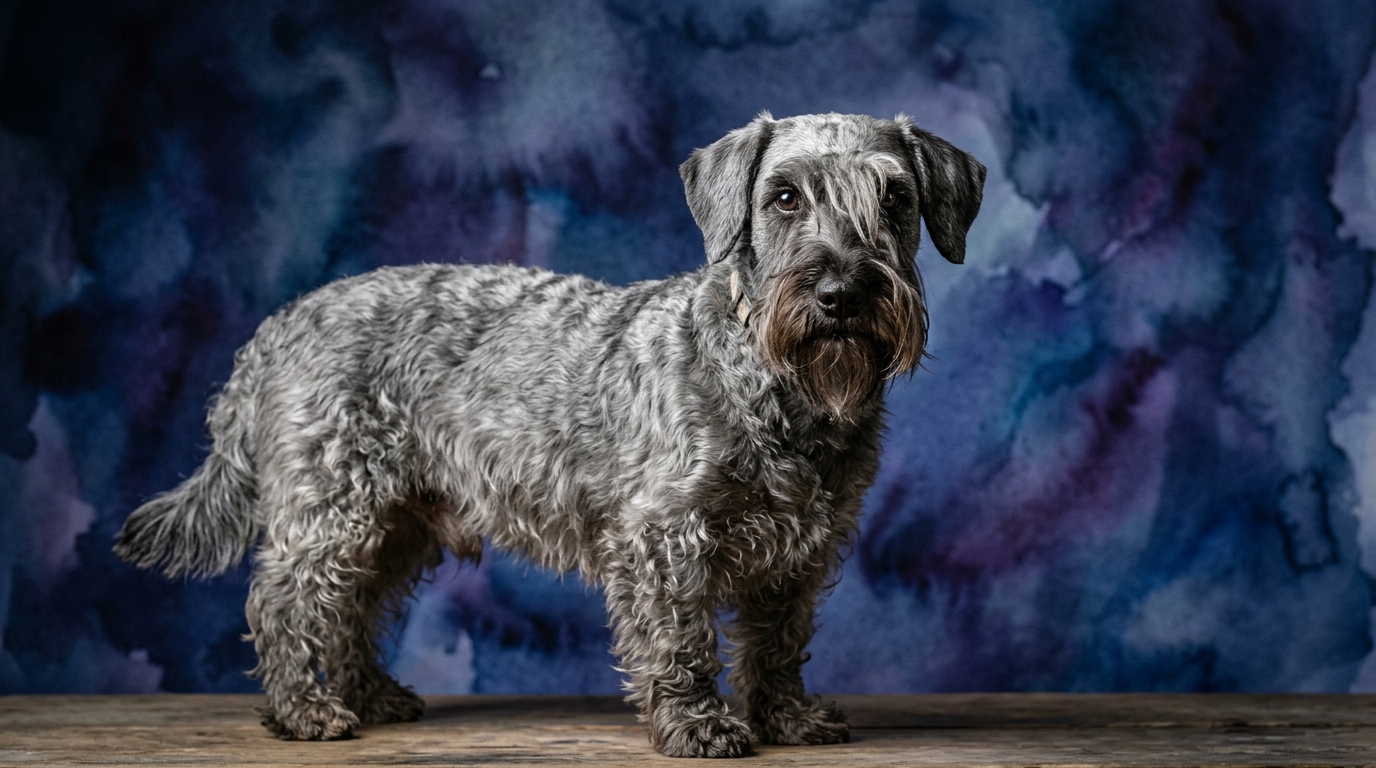
The **Cesky Terrier**, a breed developed for hunting vermin in dense undergrowth, demonstrates a practical, focused problem-solving ability (3/5), particularly adept at navigating confined spaces or strategizing to unearth hidden objects. They excel at figuring out how to bypass minor obstacles or manipulate simple puzzle toys to achieve a desired outcome, often employing a persistent, trial-and-error approach born from their earthdog heritage. While capable of learning commands at a moderate pace (3/5), their terrier instincts mean they often require a clear understanding of 'what's in it for them,' demanding consistent, engaging methods. Their social intelligence (3/5) allows them to form deep, perceptive bonds with their immediate human family, often attuned to subtle shifts in mood or routine, though they reserve judgment with strangers. Their instinctive drive (3/5) is predominantly rooted in their vermin-hunting ancestry, manifesting as a strong urge to dig, chase small scurrying creatures, and investigate intriguing scents. Ceskys display good recall for established routines, specific locations of interest (like a favorite spot for burying treasures), and the outcomes of past interactions, influencing their future responsiveness (Memory 3/5).
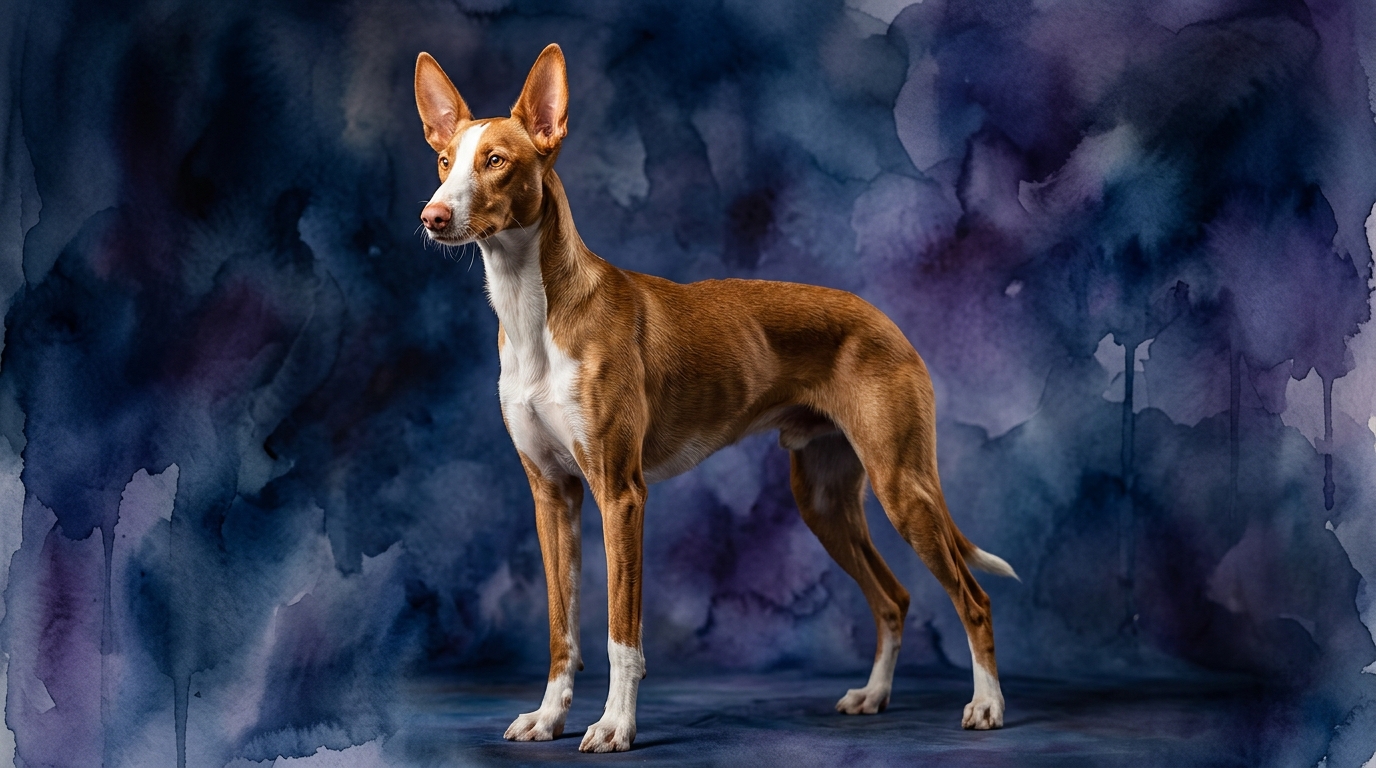
In contrast, the **Ibizan Hound**, an ancient sighthound bred for hunting game like rabbits across open landscapes, exhibits problem-solving skills (3/5) primarily centered on their sighthound capabilities, such as calculating the quickest route across varied terrain during a pursuit or anticipating the movements of distant prey. Their cognitive strength lies in spatial awareness and strategic movement rather than object manipulation or complex abstract tasks. Ibizans learn commands at a moderate rate (3/5), but their independent sighthound nature means their compliance is often voluntary, contingent on their perceived value of the task or the strength of their bond with the trainer; they can grasp concepts quickly but may choose not to execute them if a more compelling stimulus presents itself. These hounds are often described as sensitive and empathetic, keenly aware of their family's emotional states and responding with quiet affection (Social Intelligence 3/5). While generally reserved with new people, they are observant and discerning, forming close, loyal bonds with their trusted circle. The Ibizan's instinctive drive (3/5) is powerfully visual and pursuit-oriented, triggered by anything that moves quickly or at a distance, manifesting as an intense desire to run, chase, and course. They possess a strong memory (3/5) for visual landmarks, the layout of familiar environments, and the patterns of prey movement, recalling past successful hunting strategies or the locations of rewarding experiences.
Where the Cesky Terrier Cognitively Excels
The Cesky Terrier's cognitive strengths lie in their focused tenacity and resourcefulness within a confined scope. Their problem-solving (3/5) shines in tasks requiring manipulation and persistence, like dismantling a complex puzzle toy for a treat or strategically navigating a cluttered room to reach a desired spot. This 'terrierwit' allows them to outsmart small prey or even their owners with surprising cunning, often finding loopholes in household rules. Their strong memory (3/5) for specific locations and routines makes them excellent at remembering where they buried a toy or the exact sequence of events leading to a walk. Furthermore, their social intelligence (3/5) makes them particularly adept at reading their immediate family's moods and intentions, fostering a deep, intuitive bond that often feels like genuine understanding within their trusted circle.
Where the Ibizan Hound Cognitively Excels
The Ibizan Hound's cognitive prowess is deeply intertwined with their sighthound heritage, offering a different set of advantages. Their problem-solving (3/5) excels in spatial reasoning and navigation over large areas, allowing them to map out and remember extensive territories. This is crucial for their ability to anticipate the movement of distant prey and plan the most efficient pursuit path. Their perceptual acuity – keen eyesight and hearing – contributes significantly to their rapid assessment of environmental changes across a wide field, enabling quick, appropriate responses in open spaces. While their training speed is 3/5, their unique strength lies in independent decision-making during a chase; they can make split-second, autonomous choices without constant human direction, a true cognitive asset for a free-running hunter. Their memory (3/5) for visual landmarks and successful hunting grounds underscores their ability to navigate and recall complex environmental data.
Training Dynamics: A Tale of Two Temperaments
When assessing ease of training, both breeds present unique challenges despite their identical 3/5 Training Speed scores. The Cesky Terrier, with its moderate training speed, can learn commands effectively but often couples this with a strong independent streak and a 'what's in it for me?' attitude. Their terrier tenacity means they require consistent, engaging positive reinforcement and a trainer who understands their desire to work *with* you, rather than just *for* you. If a compelling scent or a perceived 'prey' target appears, their instinctive drive (3/5) can easily override learned commands, demanding robust recall training. Their social intelligence helps them understand a trainer's expectations, but their stubbornness may lead them to choose not to comply if the reward isn't sufficiently motivating or if their digging instinct takes precedence.
The Ibizan Hound also possesses a moderate training speed (3/5), but their primary hurdle stems from their sighthound independence and powerful prey drive. They respond beautifully to positive reinforcement and gentle methods, as their social intelligence (3/5) makes them sensitive to harshness. However, their fundamental drive to run and chase, triggered by visual stimuli, is a powerful counter-force to obedience, especially off-leash. Recall is notoriously difficult to instill reliably in an Ibizan Hound once their prey drive is engaged, as their focus becomes singular. While they deeply desire to please their trusted people, this desire is often secondary to the exhilaration of a chase. For basic obedience in a controlled, indoor environment, the Cesky Terrier might offer a slightly more straightforward path due to their closer working nature and desire for interaction, but for off-leash reliability in open spaces, both breeds present significant, distinct challenges.
Matching Lifestyles: Active Pursuit vs. Tenacious Engagement
The choice between a Cesky Terrier and an Ibizan Hound also hinges significantly on an owner's lifestyle and activity level. The Cesky Terrier suits moderately active owners who can provide regular, engaging walks and mental stimulation. They thrive on interactive play, puzzle toys, and opportunities for digging in a designated area. While adaptable to apartment living if their exercise needs are consistently met, they particularly flourish with a securely fenced yard where they can explore and indulge their natural instincts. They are not built for marathon running but require consistent engagement to prevent boredom and channel their sharp minds. Owners who enjoy consistent, positive reinforcement training and interactive games will find a fulfilling partnership with a Cesky.
Conversely, the Ibizan Hound demands a highly active owner who can fulfill their immense need for speed and space. These sighthounds require regular, safe opportunities for exhilarating off-leash sprints in a very securely fenced area. Their instinctive drive (3/5) means that short walks are insufficient; they need to truly 'run' to be content. While remarkably calm and graceful indoors, their outdoor energy requirements are substantial, making them unsuitable for relaxed owners who cannot commit to providing extensive exercise. Their sensitivity means they thrive with owners who understand and respect their independent yet affectionate nature, providing consistent mental stimulation alongside physical exertion to prevent boredom and potential destructive behaviors.
The Verdict: Choosing Your Canine Companion
The Verdict
Choose the Cesky Terrier if you seek a clever, tenacious companion for a moderately active lifestyle, who thrives on interactive engagement and can be a vigilant, albeit sometimes stubborn, member of the family. They are ideal for those who appreciate a dog with a strong personality and enjoy consistent, positive training.
Opt for the Ibizan Hound if you lead a highly active lifestyle, can provide ample opportunities for exhilarating off-leash sprints in a secure environment, and are prepared to manage a sensitive, independent sighthound whose primary joy is running. They are perfect for owners who appreciate grace, speed, and a calm, loyal presence indoors after adequate exercise.
🧠 Find Your Pet's IQ Score
Our Pet IQ Lab assessment covers 25+ tests across 5 cognitive dimensions — personalized to your breed.
Take the Full IQ Test →Frequently Asked Questions
Are Cesky Terriers good with children?
Cesky Terriers can be good with respectful, older children who understand how to interact with dogs. Their terrier tenacity means they might not tolerate rough play from very young children, so supervision and early socialization are key to a harmonious household.
Do Ibizan Hounds bark a lot?
Ibizan Hounds are not typically excessive barkers, but they do have a unique, melodious 'yodel' they might use to express themselves. They are generally quiet indoors, preferring to observe, but may bark at perceived threats or during play.
Are either of these breeds good for first-time dog owners?
Neither breed is generally recommended for first-time dog owners due to their unique temperaments and specific needs. Both require experienced handling, consistent training, and an understanding of their strong prey drives and independent natures to truly thrive.