A Detailed Look at Their IQ Profiles
The Cosmic Pet Pet IQ Lab employs a five-dimensional framework to assess canine intelligence, offering a nuanced view beyond simplistic rankings. For the Poodle (Standard), this framework illuminates a breed with a profound capacity for learning and interaction, while for the Cesky Terrier, it highlights a different, yet equally valuable, set of cognitive strengths rooted in its terrier heritage.
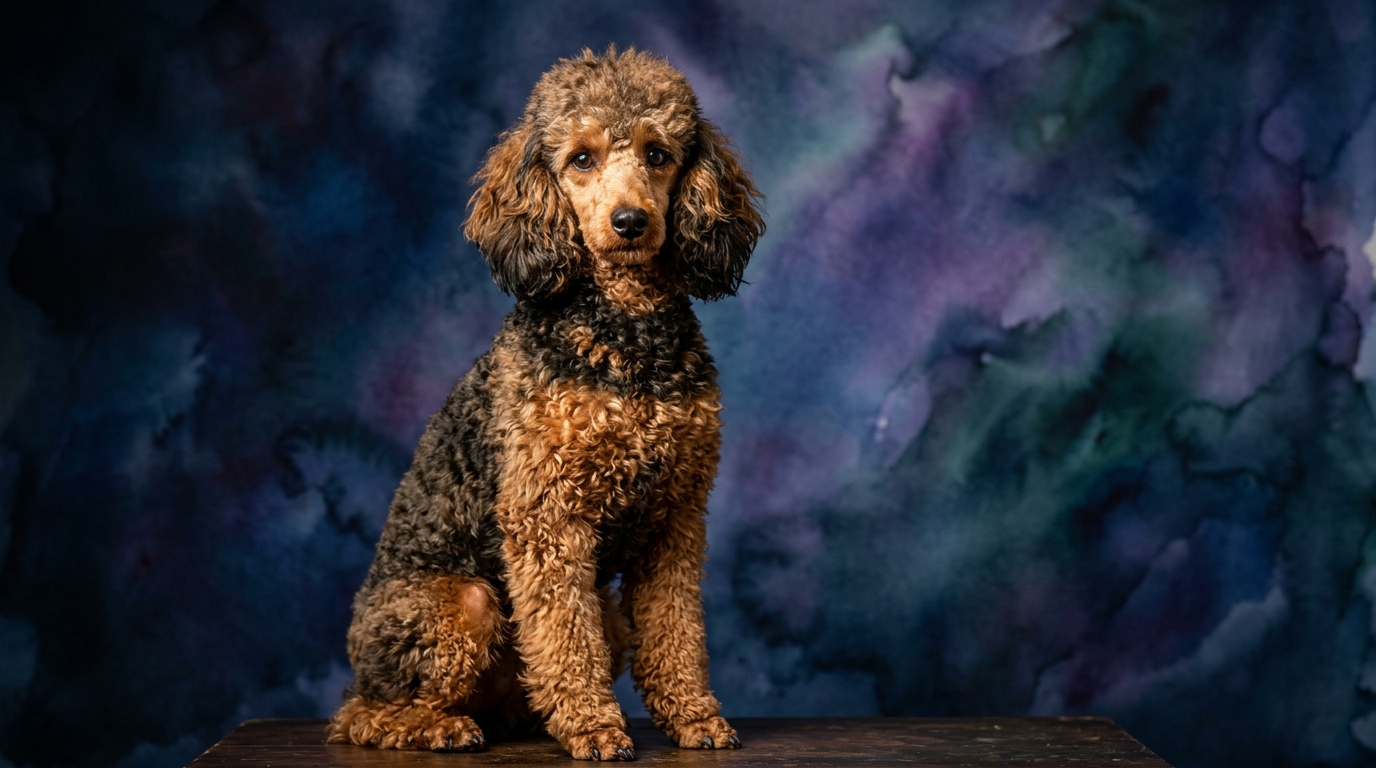
**Poodle (Standard) – Coren Rank #2:** This breed consistently demonstrates exceptional cognitive faculties. Its **Problem Solving** score of 5/5 indicates an outstanding ability to navigate novel situations, understand complex sequences, and devise solutions to challenges. This isn't merely about basic obedience; it extends to comprehending abstract concepts and adapting strategies. A **Training Speed** of 5/5 signifies an extraordinary aptitude for acquiring new commands and routines with minimal repetition. This rapid assimilation of information makes them highly responsive and versatile learners. Their **Social Intelligence** also stands at a remarkable 5/5, reflecting a deep comprehension of human emotions, intentions, and subtle social cues, fostering strong, communicative bonds. The **Instinctive Drive** is rated 4/5, meaning while they possess inherent drives for activities like retrieving or water work, these are highly pliable and can be readily channeled and directed by human guidance. Finally, a **Memory** score of 5/5 ensures that learned skills, commands, and experiences are retained with remarkable fidelity over extended periods.
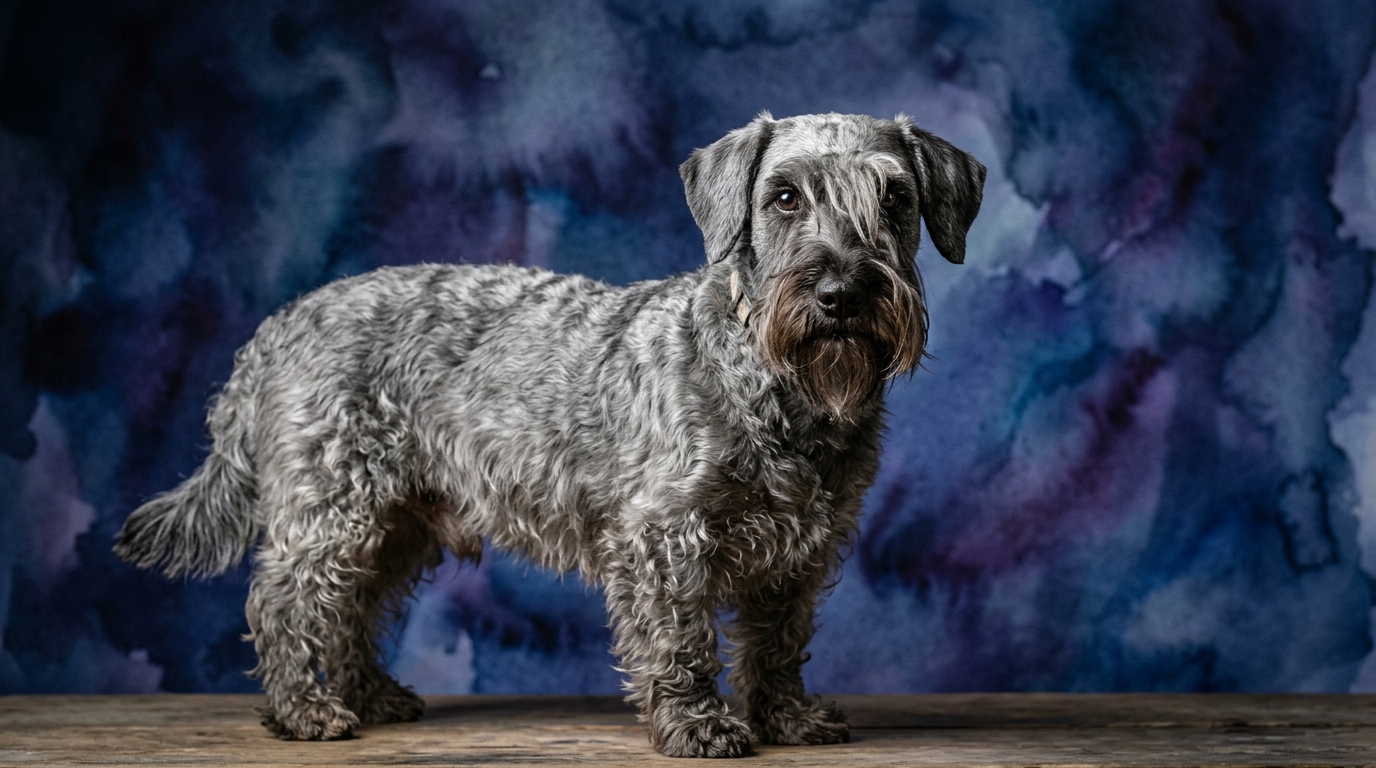
**Cesky Terrier – Not Coren-Ranked:** As a breed primarily developed for hunting and working, the Cesky Terrier's intelligence profile reflects its specialized purpose. Its **Problem Solving** capability scores 3/5, indicating an adequate capacity to solve practical, often instinct-driven problems, such as navigating complex terrain or locating prey. While capable, they may not exhibit the same abstract reasoning or rapid adaptation to novel, human-devised puzzles as breeds with higher scores. **Training Speed** is also rated 3/5, suggesting a moderate pace of learning. They can certainly be trained, but consistency, patience, and engaging methods are key, as they may require more repetitions to solidify new commands compared to faster learners. Their **Social Intelligence** is 3/5, meaning they understand basic human interactions and form affectionate bonds, but might display more independence or be less overtly attuned to subtle human social cues than breeds with higher scores. The **Instinctive Drive** is 3/5, highlighting their inherent terrier traits like a persistent prey drive and digging tendencies, which, while manageable, are deeply ingrained. Their **Memory** score of 3/5 indicates they retain information adequately, but complex sequences or infrequently practiced commands might fade without consistent reinforcement.
Where the Poodle (Standard) Excels Cognitively
The Poodle (Standard) demonstrates a clear cognitive advantage across multiple dimensions, making it a truly versatile and adaptable companion. Its 5/5 Problem Solving score means it can quickly grasp the mechanics of complex puzzle toys, figure out how to open latches, or learn intricate sequences in dog sports like agility or obedience. This isn't just about following commands; it's about understanding the 'why' and 'how' of a task.
The Poodle’s superior 5/5 Training Speed means it can master a new trick or command in significantly fewer repetitions than many other breeds. This rapid assimilation of information allows for the teaching of a vast repertoire of behaviors, from basic manners to advanced service dog tasks. Coupled with its 5/5 Social Intelligence, the Poodle is exceptionally adept at reading its human companions, often anticipating needs or reacting appropriately to subtle shifts in tone or body language, making for a highly communicative and responsive partnership. Their 5/5 Memory ensures that once a behavior or concept is learned, it is not easily forgotten, allowing for a cumulative learning experience where new skills build upon a solid foundation.
Where the Cesky Terrier Demonstrates Unique Strengths
While the Cesky Terrier’s scores are generally lower, its cognitive profile reflects a distinct set of strengths tailored to its historical role. Its 3/5 in Problem Solving often manifests as a tenacious, independent approach to practical challenges. Rather than abstract puzzles, a Cesky might excel at figuring out how to navigate tight spaces to pursue an interesting scent or persistently work at digging under a barrier to reach a perceived 'prey.' This isn't about human-centric problem-solving, but effective, purpose-driven ingenuity.
The Cesky's 3/5 Instinctive Drive, while presenting training considerations, is also a strength for owners who appreciate a dog with clear, intrinsic motivations. This drive fuels their determination and zest for exploring their environment, qualities that can be channeled into earthdog trials or scent work. Their moderate Social Intelligence means they form strong, loyal bonds, often expressing affection in a more understated, yet deeply committed, manner. They are not necessarily looking for constant instruction but rather a partnership where their independent spirit is respected. Their 3/5 Memory, while not photographic, is perfectly adequate for retaining essential routines and commands when consistently reinforced, fitting an owner who values a dog with a robust, working-dog mentality rather than one requiring constant mental gymnastics.
Ease of Training: Poodle's Eagerness vs. Cesky's Independence
When it comes to ease of training, the Poodle (Standard) holds a significant advantage, primarily due to its 5/5 Training Speed and 5/5 Social Intelligence. Poodles are often described as eager to please, a trait deeply connected to their ability to quickly understand human cues and their desire for interaction. They grasp new commands rapidly, often generalizing learned behaviors to new situations with minimal prompting. For instance, teaching a Poodle a multi-step retrieve or a complex freestyle routine is often a fluid process, as they are not only quick to learn each step but also understand the overall objective and derive satisfaction from working cooperatively with their human.
The Cesky Terrier, with its 3/5 Training Speed and Social Intelligence, presents a different training dynamic. While capable of learning, their inherent terrier independence means they may not always prioritize human directives over their own instincts. Training a Cesky often requires more patience, creativity, and a focus on positive reinforcement to make lessons engaging. For example, teaching a Cesky to 'stay' might require more repetitions and a gradual increase in distractions, as their natural curiosity or prey drive can easily divert their attention. They respond well to clear, consistent rules but might challenge boundaries more often than a Poodle, requiring an owner who understands and respects their working-dog mindset rather than expecting immediate, unwavering obedience.
Matching Canine Cognition to Owner Lifestyle
The cognitive profiles of these two breeds offer clear guidance for matching them with suitable owner lifestyles. The Poodle (Standard), with its high Problem Solving, Social Intelligence, and Memory, thrives with owners who can provide consistent mental engagement. This doesn't necessarily mean constant physical activity, though they enjoy it, but rather opportunities for learning, problem-solving games, and interactive training sessions. They are an excellent fit for active owners who enjoy dog sports like agility, obedience, or even advanced trick training, as their cognitive capacity allows them to excel in such pursuits. However, they can also suit more relaxed owners who are committed to providing daily mental enrichment through puzzles, learning new skills, and engaging in communicative interaction, ensuring their sharp minds remain stimulated and fulfilled.
The Cesky Terrier, conversely, with its strong instinctive drives and moderate cognitive scores across the board, is better suited for owners who appreciate a dog with a distinct personality and purpose. These are not 'push-button' dogs; they require owners who understand and are prepared to manage their terrier instincts, such as their digging or prey drive. While they certainly benefit from physical activity, their cognitive needs are often met through activities that tap into their natural inclinations, like scent games, structured walks where they can explore safely, or even earthdog events. They can suit active owners who enjoy outdoor adventures and are prepared to engage in consistent, patient training tailored to a terrier's independent spirit. They also suit relaxed owners who appreciate a loyal, albeit less overtly 'people-pleasing,' companion, provided they are willing to dedicate time to managing the Cesky's inherent drives and providing appropriate outlets for their curiosity and tenacity.
The Verdict
Choose the Poodle (Standard) if you seek a highly adaptable, rapidly learning companion eager for cooperative ventures and profound social interaction, thriving on consistent mental challenges and advanced training. They are ideal for owners who appreciate a dog that can master complex tasks and communicate with nuanced understanding.
Opt for the Cesky Terrier if you value a tenacious, independent companion with a strong working drive, requiring patient, consistent guidance and an appreciation for its unique terrier problem-solving. They suit owners who respect a dog's intrinsic motivations and enjoy channeling a distinct personality.
🧠 Find Your Pet's IQ Score
Our Pet IQ Lab assessment covers 25+ tests across 5 cognitive dimensions — personalized to your breed.
Take the Full IQ Test →Frequently Asked Questions
Does a lower IQ score mean a dog is less capable or 'dumb'?
Absolutely not. IQ scores reflect a dog's natural aptitudes within specific cognitive dimensions, not overall worth or capability. A 3/5 score means a dog is perfectly capable of learning and problem-solving, just potentially at a different pace or with a different style compared to a 5/5 scorer, often aligning with their breed's original purpose.
Can a Cesky Terrier learn complex tricks like a Poodle?
Yes, a Cesky Terrier can certainly learn complex tricks, but it may require more patience, repetition, and creative motivation from the owner. Their independent nature means they might need more convincing that the trick is worthwhile, whereas a Poodle's higher social intelligence and training speed often make them naturally eager to engage in cooperative learning.
How important is mental stimulation for both breeds?
Mental stimulation is crucial for both breeds, though its form may differ. For the Poodle, it's about challenging their high problem-solving and memory capacities with new learning and complex tasks. For the Cesky Terrier, it's about providing outlets for their instinctive drives and curiosity, such as scent work or controlled digging, to keep their minds engaged and prevent boredom.