Side-by-Side IQ Profile: Cesky Terrier vs. Italian Greyhound
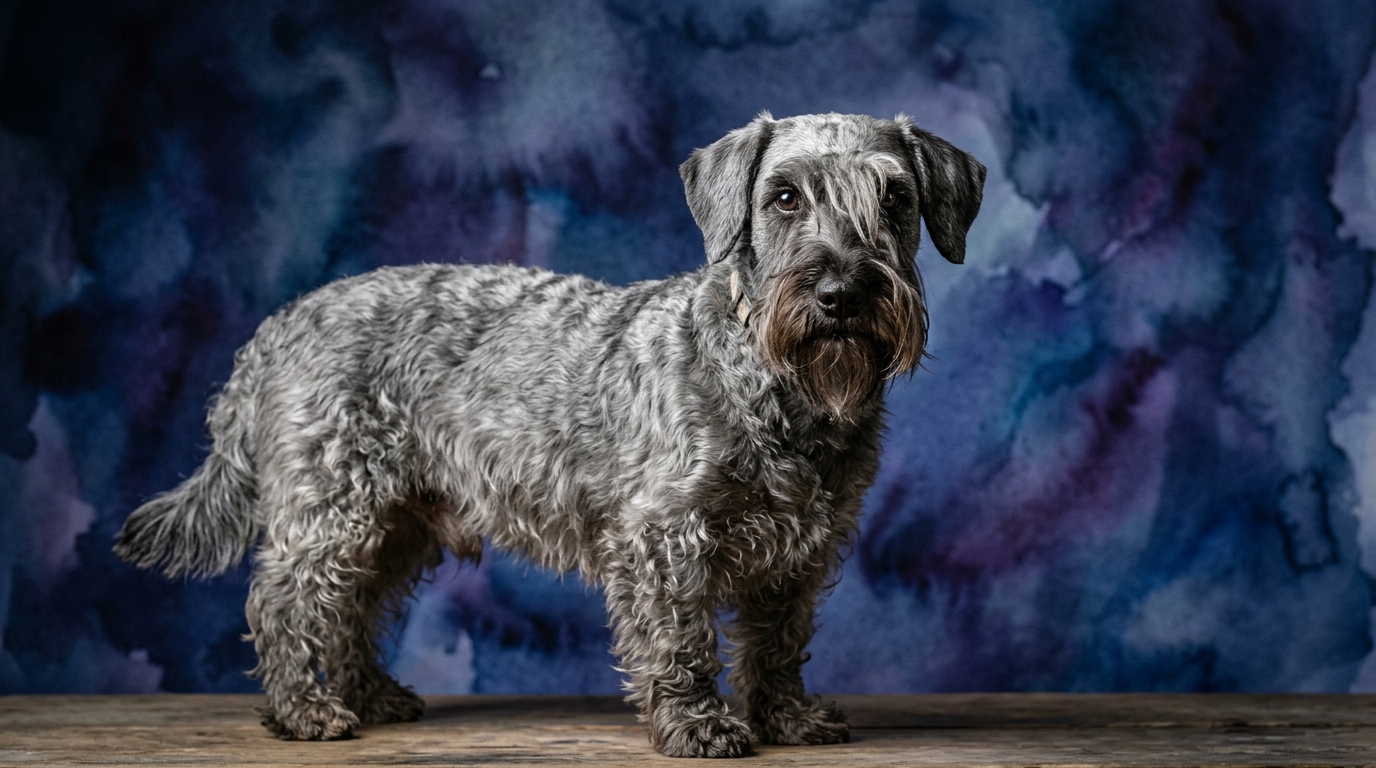
**Cesky Terrier:** These resourceful terriers approach their environment with a methodical curiosity, often attempting to figure out how things work or how to access desired items. Their Problem Solving (3/5) manifests in practical ways, such as strategizing how to get a toy from under furniture or navigating a complex path to reach a specific scent. This determination means they are less likely to give up quickly when faced with a challenge, displaying a persistent, independent streak rooted in their historical role. For Training Speed (3/5), Cesky Terriers respond well to training when it's engaging and consistent, but their independent nature means they require clear motivation and an understanding of the “why.” They are capable of learning a wide array of commands and tricks, but they might not always execute them with immediate enthusiasm if they perceive a task as redundant or unrewarding. Positive reinforcement, coupled with a varied training approach that incorporates games and puzzles, is most effective for this discerning breed. Observant and discerning, Cesky Terriers form profound bonds with their immediate family, often anticipating routines and responding to familiar moods, illustrating their Social Intelligence (3/5). While they are not overtly demonstrative with strangers, they are capable of polite acceptance with proper socialization. Their social intelligence is characterized by a strong loyalty to their chosen people and an ability to read internal family dynamics, contributing to their role as watchful, integrated family members. Reflecting their heritage as hunting dogs, Cesky Terriers possess a moderate but distinct Instinctive Drive (3/5), particularly for small prey. This manifests as an alert interest in rustling leaves or darting squirrels, and can be channeled into activities like scent work, earthdog trials, or engaging chase games with appropriate toys. Managing this drive through secure environments and consistent recall training is important for their safety and the peace of mind of their owners. Cesky Terriers exhibit good Memory (3/5) retention for learned commands, routines, and the locations of favored items or places. They remember past interactions, both positive and negative, which influences their subsequent responses to people and situations. This memory contributes to their consistent behavior within established routines and their ability to navigate familiar environments with confidence.
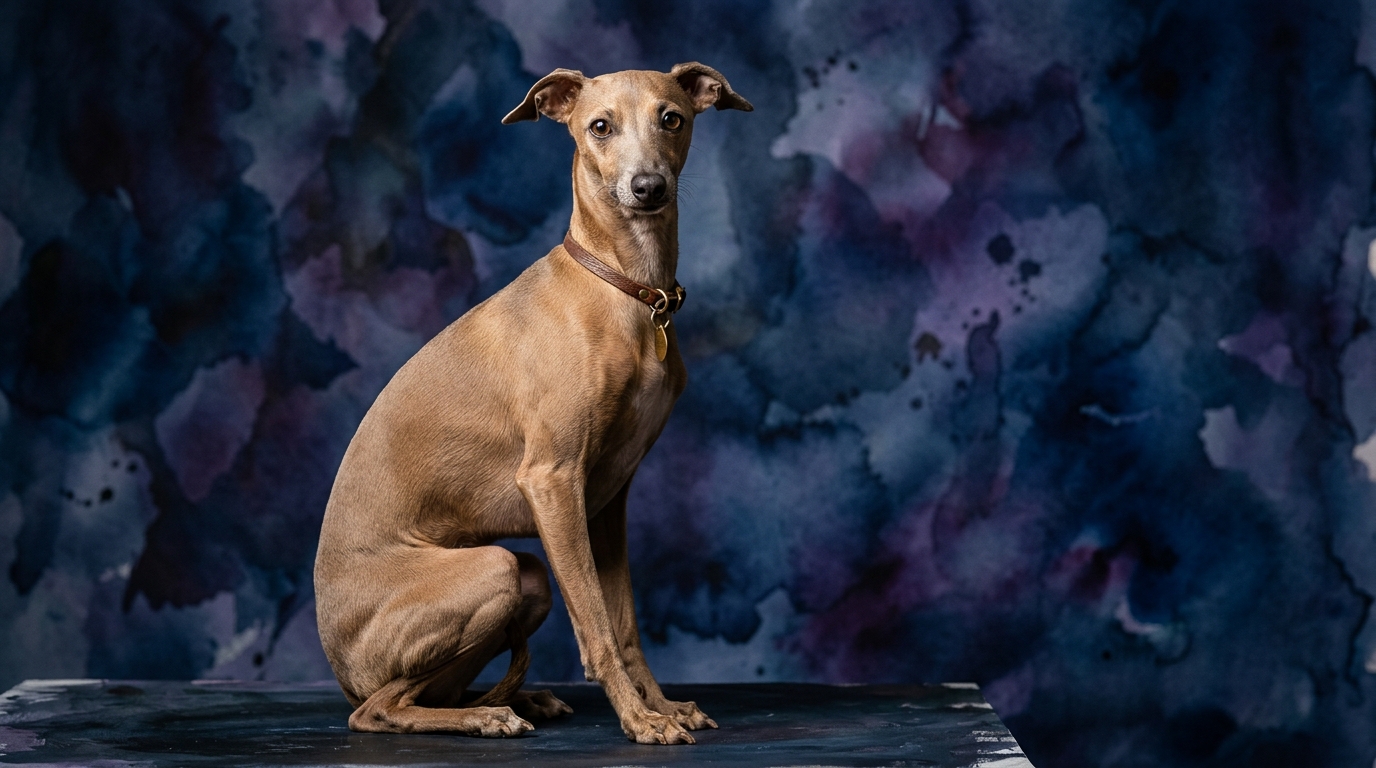
**Italian Greyhound:** The Italian Greyhound's Problem Solving (3/5) skills are often directed towards optimizing their comfort and safety within their domestic environment. They quickly learn the warmest spots for napping, the quickest route to their favorite human's lap, or how to signal their need for a potty break. Their approach is less about physical manipulation of objects and more about intelligent navigation of their social and physical space to achieve their desired state of well-being. For Training Speed (3/5), Italian Greyhounds are highly sensitive and eager to please their beloved human companions, which can make them quite responsive to gentle, positive reinforcement training. They learn quickly when motivated by praise, soft voices, and small treats, thriving on a calm and consistent approach. However, their attention can be fleeting, and harsh corrections are entirely counterproductive, leading to withdrawal or fear. Brief, fun, and frequent training sessions are most effective for this delicate breed. These sighthounds possess an exceptional degree of Social Intelligence (3/5), manifesting as a deep attunement to human emotional states and body language. They are masters at reading their owners' moods, often offering comfort or seeking reassurance with uncanny accuracy. Their strong desire for companionship means they thrive when integrated closely into family life, making them highly responsive and affectionate participants in daily routines. Italian Greyhounds carry a strong sighthound Instinctive Drive (3/5), which is primarily triggered by movement. This instinct translates into an intense desire to chase anything small and fast-moving, from squirrels to blowing leaves. While they are not typically confrontational, this drive necessitates secure outdoor spaces and vigilant leash management to prevent them from pursuing perceived prey into dangerous situations. Their bursts of speed are a direct expression of this deeply ingrained instinct. Italian Greyhounds demonstrate excellent Memory (3/5) for routines, preferred comforts, and the locations of their favorite people and resting spots. They recall positive interactions and the source of comfort with precision, contributing to their strong bond with their family. Conversely, they also remember negative experiences, underscoring the importance of gentle handling and positive associations throughout their lives.
Where the Cesky Terrier Wins Cognitively
While both breeds score 3/5 in problem-solving, the Cesky Terrier's expression of this ability is distinctly more hands-on and persistent. Their terrier heritage imbues them with a drive to investigate, dig, and manipulate their environment. They are more likely to independently figure out how to open a cabinet, retrieve a toy from a tight space, or unearth a buried treasure, demonstrating a determined, strategic approach that combines physical effort with cognitive mapping. This tenacity makes them adept at navigating and influencing their immediate surroundings to achieve their goals, showcasing a robust, practical form of intelligence.
Cesky Terriers often exhibit a cognitive strength in applying learned principles to novel situations without direct human intervention. If taught to solve a specific puzzle, they might generalize that understanding to a different, similar puzzle, or adapt a learned behavior to a new context. This ability to extrapolate and independently execute a solution highlights a capacity for flexible thinking and a self-reliant approach to challenges, contrasting with breeds that might seek immediate human guidance for similar tasks.
Where the Italian Greyhound Wins Cognitively
The Italian Greyhound's social intelligence, while rated 3/5, manifests as an unparalleled sensitivity to human emotional nuances. They excel at reading subtle shifts in tone, posture, and facial expressions, often preempting their owner's needs for comfort or companionship. This deep empathetic connection allows them to integrate seamlessly into a family's emotional landscape, offering quiet support or seeking reassurance with an intuitive understanding that goes beyond simple obedience. Their ability to "feel" with their humans is a profound cognitive strength, fostering exceptionally close bonds.
Italian Greyhounds demonstrate a distinct form of problem-solving (3/5) focused on optimizing their personal comfort and security within their environment. They are remarkably adept at identifying the warmest sunbeam, the softest blanket pile, or the most secure lap. This cognitive skill involves rapid assessment of environmental conditions and a quick, efficient strategy to achieve their desired state of coziness or safety. They also quickly learn to avoid situations that cause them discomfort, such as loud noises or slippery floors, showcasing a proactive intelligence geared towards self-preservation and well-being.
Which is Easier to Train and Why
Italian Greyhounds are generally considered more straightforward to train in terms of their willingness to engage and inherent desire to please their beloved human companions. Their high social intelligence means they are highly motivated by positive reinforcement, praise, and gentle affection. They respond quickly to soft voices and reward-based methods, forming strong associations between actions and positive outcomes. However, their sensitive nature means harsh corrections or loud voices can be highly counterproductive, leading to withdrawal, fear, or a complete shutdown of learning. Their delicate bladders and aversion to cold or wet weather can also make house-training a prolonged challenge, requiring patience and consistent management.
Training a Cesky Terrier often requires a more creative and patient approach due to their inherent independence and terrier determination. While they are certainly capable learners, they possess a strong will and may not always see the immediate value in performing a command if it doesn't align with their own motivations. Trainers need to make sessions engaging, almost like a game, incorporating puzzles and variety to maintain their interest. Once a Cesky understands the purpose behind a command and is sufficiently motivated, they retain the information exceptionally well. However, getting to that point requires a trainer who can consistently demonstrate leadership, provide clear expectations, and make learning a rewarding experience for their discerning minds.
Which Suits Active Owners vs. Relaxed Owners
The Cesky Terrier, with its moderate instinctive drive and keen problem-solving abilities, thrives with owners who are prepared to provide structured engagement and varied activities. They are not content to be purely decorative companions; they require mental stimulation through training, puzzle toys, and scent work, alongside physical activity like brisk walks, hiking, or even participation in dog sports such as agility or obedience. An active owner who understands and caters to their terrier need for purpose and exploration will find a deeply fulfilling and capable companion, one who truly enjoys sharing adventures and challenges.
While Italian Greyhounds possess incredible bursts of speed and enjoy energetic play, their overall lifestyle leans towards quiet companionship and comfort. They are perfectly content spending extended periods curled up on a soft blanket or in a lap, reveling in the warmth and presence of their human. They are an excellent match for owners who appreciate a gentle, affectionate dog that doesn't demand continuous high-impact exercise but is also ready for spirited short play sessions in a secure, fenced area. Their need for comfort and close social bonds makes them ideal for those seeking a devoted, loving, and relatively low-maintenance exercise companion, provided their unique sighthound instincts are managed safely.
The Verdict
Opt for a Cesky Terrier if you appreciate a dog with independent thought, a determined approach to life, and enjoy engaging in varied activities that challenge their intellect and physical prowess. They are a rewarding choice for owners who can provide consistent, engaging training and structured outlets for their terrier spirit.
Select an Italian Greyhound if you seek a highly affectionate, emotionally responsive companion who thrives on close companionship and gentle interaction. They are ideal for owners who value comfort, quiet companionship, and are prepared to manage their sensitive nature and sighthound instincts with understanding and patience.
🧠 Find Your Pet's IQ Score
Our Pet IQ Lab assessment covers 25+ tests across 5 cognitive dimensions — personalized to your breed.
Take the Full IQ Test →Frequently Asked Questions
Are Cesky Terriers difficult to train?
Cesky Terriers possess an independent streak that requires consistent, engaging training methods. While they are capable learners, they respond best to positive reinforcement and varied sessions that appeal to their problem-solving nature, rather than repetitive drills.
Do Italian Greyhounds need a lot of exercise?
Italian Greyhounds enjoy short bursts of vigorous activity, like sprinting in a secure area, but are also content with moderate walks and extensive lounging. Their exercise needs are not continuous; they prefer comfort and companionship interspersed with playful energy.
Which breed is better with children?
Both breeds can be good with respectful, older children. Cesky Terriers are sturdy and playful, tolerating interaction well, while Italian Greyhounds are more delicate and sensitive, requiring gentle handling. Supervision is always essential to ensure positive interactions.