Side-by-Side IQ Profile: Chihuahua vs. Anatolian Shepherd Dog
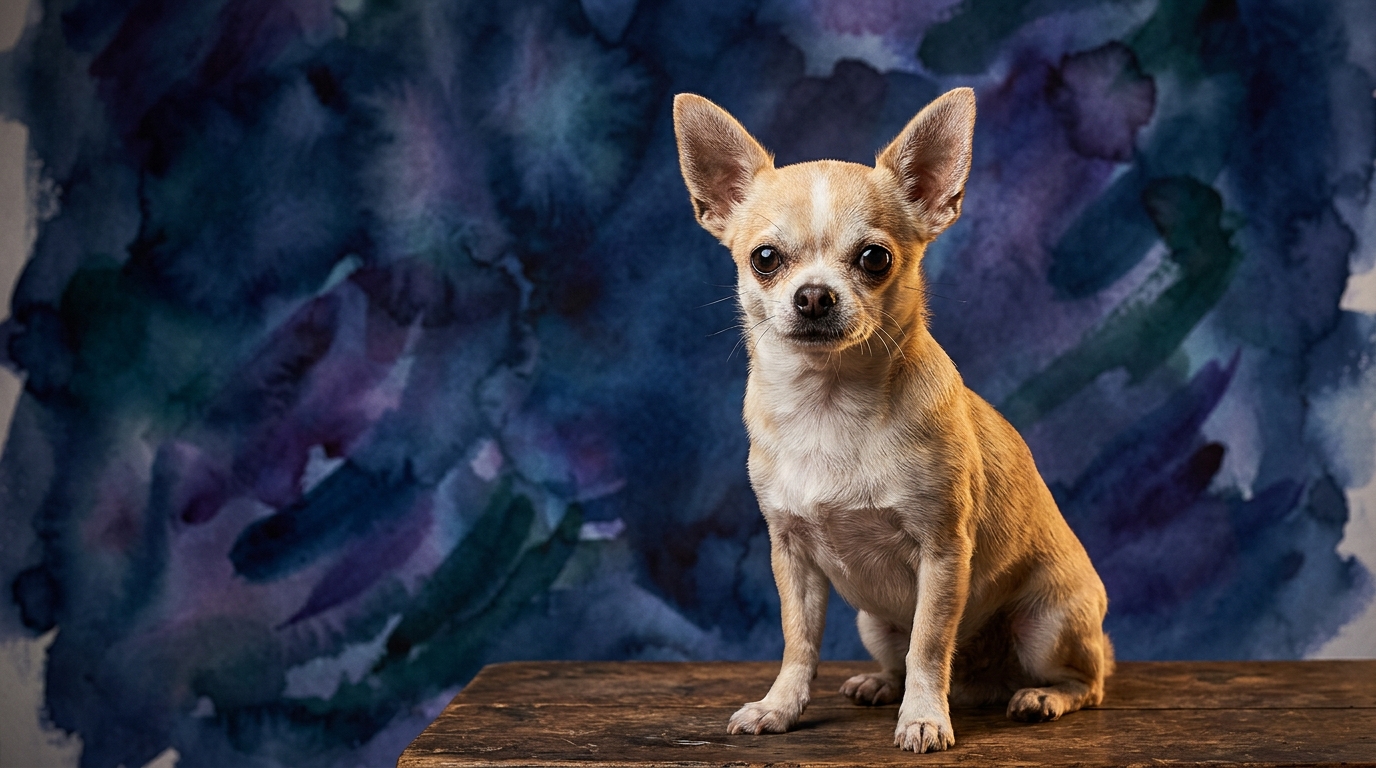
The Chihuahua, often seen as a pocket-sized companion, holds a Coren rank of #67, which primarily reflects their 'working intelligence' – their ability to understand and obey human commands. However, their full cognitive picture is more nuanced. In problem-solving, they score 3/5, often demonstrating cleverness in navigating household environments or manipulating situations to their advantage, like finding hidden treats or signaling needs. Their training speed is also 3/5, meaning they are capable of learning new commands and routines, though consistency is key to harness their focus.
Where Chihuahuas truly shine is in social intelligence, rated 4/5. They possess a keen ability to read human emotions and cues, forming deep, intuitive bonds with their primary caregivers. Their instinctive drive, at 3/5, often manifests as alertness, a surprising territoriality for their size, and sometimes a spirited chase instinct for small moving objects. Crucially, their memory is rated 4/5; they remember routines, past interactions, and specific people with remarkable clarity, which aids in house-training and recalling learned behaviors over time.
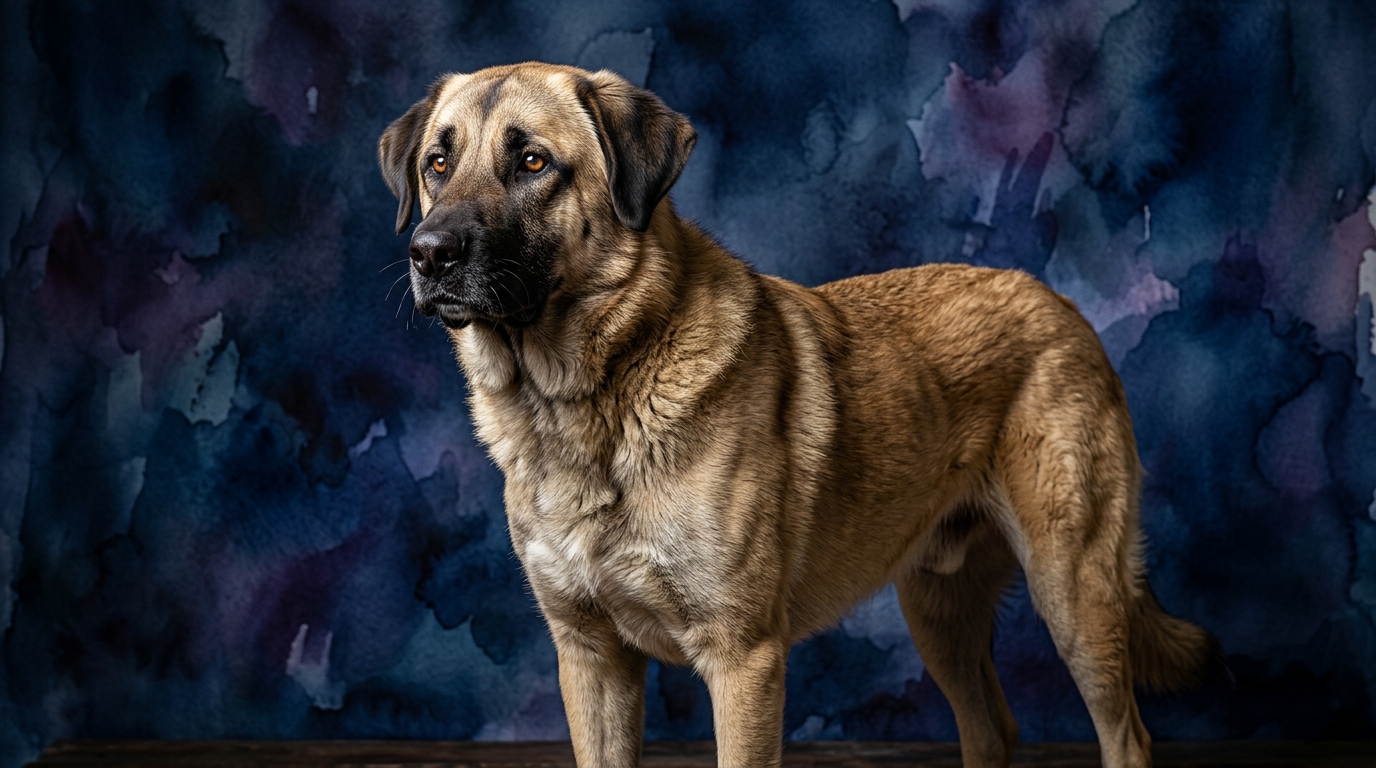
The Anatolian Shepherd Dog, a majestic guardian breed, is not specifically ranked by Coren, a common situation for breeds whose primary role involves independent decision-making rather than strict obedience to a broad set of human commands. Their problem-solving ability, rated 3/5, is geared towards practical, real-world challenges: assessing threats, finding the safest position within their flock, or navigating complex terrain. This isn't about solving puzzle toys but making independent judgments in their expansive environment.
Their training speed is 3/5, indicating they can learn, but their independent nature often means they require a clear 'why' behind a command and may not respond with the same eager compliance as a more people-focused breed. Social intelligence, at 3/5, is less about mirroring human emotions and more about understanding the dynamics of their family unit or flock, recognizing strangers, and assessing potential threats. Their instinctive drive, also 3/5, is powerfully channeled into guarding, protection, and territorial defense. Memory, rated 3/5, allows them to recall boundaries, established routines, and recognize individuals, but perhaps without the intricate detail a Chihuahua applies to social nuances.
Where the Chihuahua Wins Cognitively
The Chihuahua's cognitive strengths distinctly align with their role as a devoted companion. Their superior social intelligence (4/5) allows them to excel at understanding human communication, often anticipating their owner's moods or needs without explicit commands. This makes them incredibly attuned emotional support animals, capable of offering comfort and connection based on subtle cues. Furthermore, their enhanced memory (4/5) contributes significantly to their adaptability within a household, enabling them to quickly learn complex routines, house-training protocols, and the intricacies of their family’s daily life, retaining these lessons over long periods. This combination fosters a profound, communicative bond that often feels deeply intuitive.
Where the Anatolian Shepherd Dog Wins Cognitively
The Anatolian Shepherd Dog's cognitive advantages are rooted in their millennia-old purpose as a livestock guardian. Their problem-solving ability (3/5), while numerically similar to the Chihuahua, manifests differently, focusing on independent, critical thinking in open, dynamic environments. They excel at assessing complex situations involving potential predators or intruders, making autonomous decisions to protect their charges without constant human direction. Their strong instinctive drive (3/5) for guarding is not merely a behavioral trait but a cognitive framework that prioritizes vigilance, territorial defense, and strategic positioning. This specialized intelligence allows them to operate effectively as solitary sentinels, interpreting environmental cues and acting decisively to maintain the safety of their flock or family.
Which is Easier to Train and Why
When considering ease of training, the Chihuahua often presents a more straightforward path for the average owner, primarily due to their higher social intelligence (4/5) and memory (4/5). They are generally eager to please their human companions and form strong attachments, which translates into a willingness to engage in training sessions. Their ability to quickly retain lessons and recall them (memory 4/5) means that once a behavior is learned, it tends to stick. While their training speed is 3/5, comparable to the Anatolian, their motivation often comes from desiring human approval and interaction, making positive reinforcement highly effective. Challenges might arise from their small size, which can make them seem less "serious" to train, or from their occasional spirited independence if not consistently managed.
The Anatolian Shepherd Dog, with its 3/5 training speed, requires a different approach. Their inherent independence and strong instinctive drive for guarding mean they are less inclined to simply obey for the sake of pleasing. Training an Anatolian demands patience, consistency, and a deep understanding of their guardian mindset. They need to understand the purpose behind a command and may question or ignore instructions if they perceive them as conflicting with their primary protective duties. While capable of learning, their social intelligence (3/5) is less focused on human emotional nuances and more on assessing their environment and charges, meaning training needs to be clear, firm, and respectful of their autonomous nature. This makes them more challenging for novice owners who might expect immediate, eager compliance.
Which Suits Active Owners vs. Relaxed Owners
For the relaxed owner seeking a constant, affectionate presence, the Chihuahua is an ideal match. While capable of enjoying brisk walks and playtime, their exercise needs are modest, and they thrive on indoor companionship and interaction. Their "activity" often involves being close to their people, whether snuggled on a lap or following them from room to room. They are well-suited to apartment living and environments where their primary role is that of a cherished family member, requiring mental stimulation through games and social interaction rather than extensive physical exertion.
Conversely, the Anatolian Shepherd Dog is unequivocally suited for active owners who can provide ample space, a sense of purpose, and a structured outdoor lifestyle. These dogs are not content with short walks or being primarily indoor pets. Their historical role as guardians means they need room to patrol, observe, and engage their formidable instincts. An "active" owner for an Anatolian means dedicating time to managing their large size, providing consistent training, and allowing them to fulfill their need for vigilance and protection, ideally in a rural or semi-rural setting where they have a job to do, even if it's just overseeing a large property. A relaxed owner would quickly find themselves overwhelmed by the Anatolian's needs for space, mental engagement, and physical activity.
The Verdict
Choose a Chihuahua if you seek a highly perceptive, deeply bonded companion for urban or smaller living spaces, valuing a dog that excels at nuanced social interaction and remembers routines with ease.
Choose an Anatolian Shepherd Dog if you are an experienced owner with extensive property, prepared to manage a large, independent guardian whose cognitive strengths lie in autonomous problem-solving and protective vigilance.
🧠 Find Your Pet's IQ Score
Our Pet IQ Lab assessment covers 25+ tests across 5 cognitive dimensions — personalized to your breed.
Take the Full IQ Test →Frequently Asked Questions
Are Chihuahuas good at learning tricks and complex commands?
Yes, Chihuahuas can be quite adept at learning tricks and complex commands due to their good memory and social intelligence. Their eagerness to please and focus on human interaction makes them responsive to consistent, positive reinforcement training.
Can an Anatolian Shepherd Dog adapt to living in a suburban home without livestock?
An Anatolian Shepherd Dog can adapt to a suburban home, but it requires significant commitment from owners. They still need a large, securely fenced yard, ample exercise, and a clear "job" or purpose, as their guardian instincts remain strong even without livestock.
Which breed is generally more vocal, the Chihuahua or the Anatolian Shepherd Dog?
Both breeds can be vocal, but for different reasons. Chihuahuas often bark as an alert or to express their strong opinions and excitement. Anatolian Shepherd Dogs use barking as part of their guardian duties, signaling warnings or threats, and can have a deep, resonant bark.