Side-by-Side Cognitive Profile: Chihuahua vs. Belgian Tervuren
To truly understand the cognitive landscape of these two breeds, we examine their performance across five crucial dimensions: problem-solving, training speed, social intelligence, instinctive drive, and memory. These metrics, derived from extensive observation and behavioral studies, provide a nuanced view beyond simplistic notions of 'smartness,' revealing where each breed naturally excels.
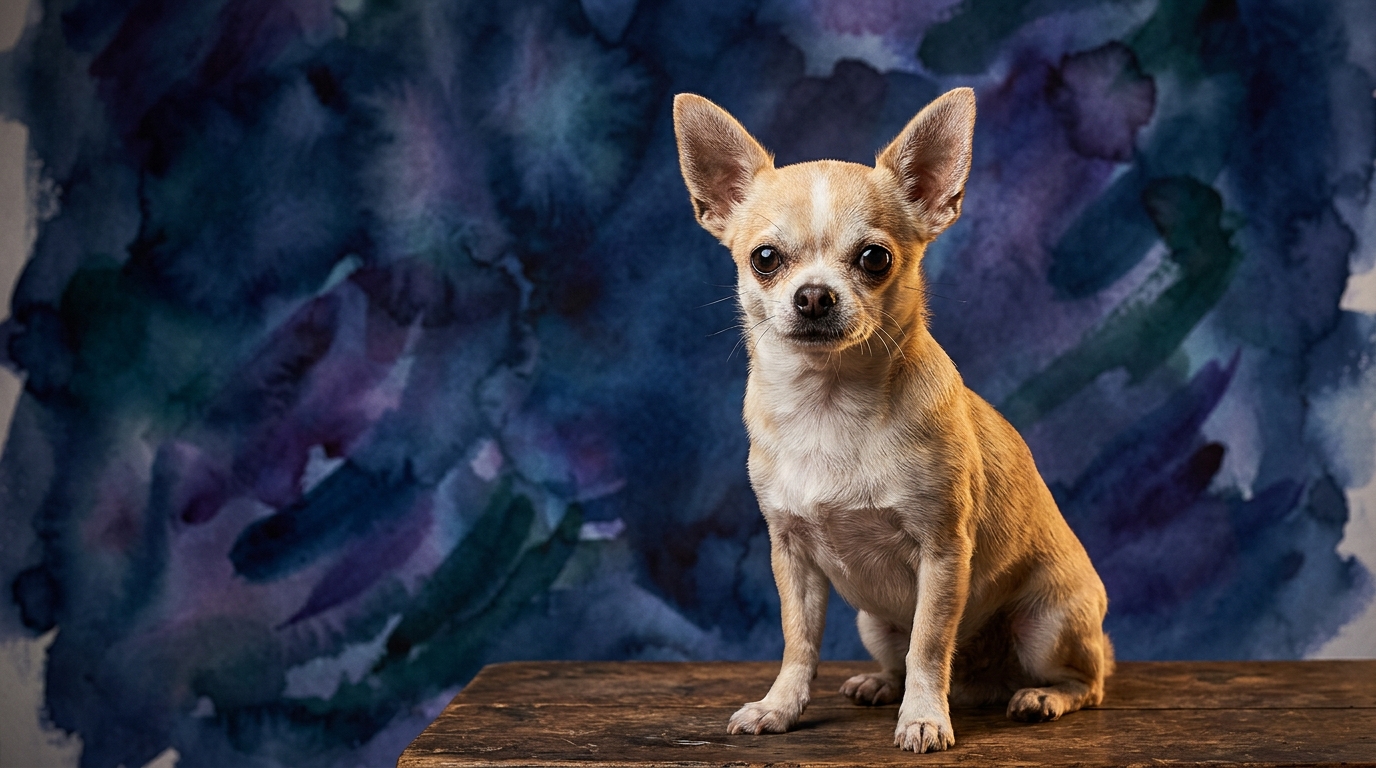
The Chihuahua, a Toy breed with a Coren rank of #67, exhibits a cognitive profile tailored for companionship and navigating complex social dynamics. Their problem-solving ability scores 3/5, suggesting they can tackle moderate challenges like puzzle toys or finding hidden treats, but might not be inclined towards intricate, multi-step tasks. Training speed is rated 3/5, indicating a need for patience and consistent, positive reinforcement to solidify new commands. Where they truly shine is in social intelligence, scoring 4/5, demonstrating a keen perception of human emotions and subtle cues. Their instinctive drive is 3/5, often manifesting as alert barking or a territorial streak despite their small stature, while memory is a strong 4/5, allowing them to recall routines, people, and learned behaviors effectively.
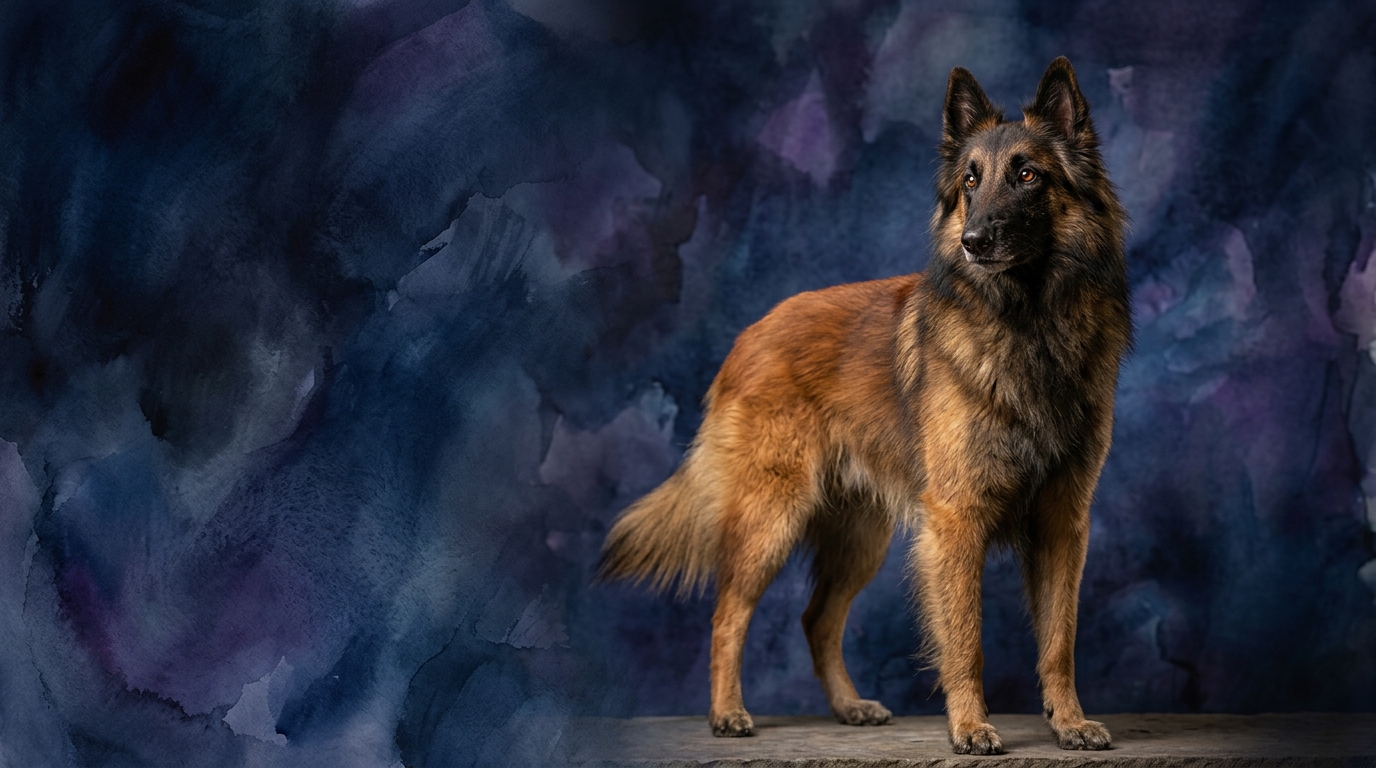
In stark contrast, the Belgian Tervuren, a Herding breed ranked #14 by Coren, presents a profile optimized for complex work and rapid learning. Their problem-solving ability is exceptional at 5/5, reflecting a capacity for strategic thinking and independent decision-making crucial for herding and protection tasks. Training speed also achieves a perfect 5/5, meaning they grasp new commands and concepts with remarkable swiftness, often requiring fewer repetitions than many other breeds. Social intelligence, while present, scores 3/5; their focus is often task-oriented rather than primarily people-pleasing in complex social scenarios. Instinctive drive is 3/5, channeled into their innate herding tendencies and protective instincts, and their memory is a formidable 5/5, enabling them to retain vast repertoires of commands, sequences, and environmental details over long periods.
Where the Chihuahua Wins Cognitively
While the Belgian Tervuren often garners attention for its working prowess, the Chihuahua holds a distinct cognitive advantage in the realm of social intelligence, scoring 4/5 compared to the Tervuren's 3/5. This higher score reflects an exceptional attunement to human emotional states and social cues. Chihuahuas are adept at reading their owners' moods, often offering comfort or seeking interaction precisely when needed, creating a deep emotional bond. Their capacity for subtle communication, often expressed through body language and nuanced vocalizations, allows them to navigate complex household social dynamics with surprising finesse, making them highly responsive and emotionally perceptive companions.
Furthermore, the Chihuahua's cognitive makeup, particularly their strong memory (4/5) combined with their moderate problem-solving (3/5), allows them to thrive in diverse human environments without requiring the constant, high-intensity mental challenges that a working breed demands. They excel at recalling household routines, preferred comfort spots, and the habits of their family members. This adaptability, coupled with their social perceptiveness, enables them to integrate seamlessly into a wide range of lifestyles, from quiet apartments to bustling family homes, making them masters of companionship and emotional support within their human pack.
Where the Belgian Tervuren Wins Cognitively
The Belgian Tervuren's cognitive strengths are undeniably rooted in its history as a working dog, manifesting most prominently in its superior problem-solving and training speed. With a perfect 5/5 in both categories, Tervurens possess a remarkable capacity for analytical thought and rapid assimilation of new information. They aren't just memorizing commands; they are actively processing situations, strategizing solutions, and learning complex sequences of actions with an efficiency that few breeds can match. This makes them exceptional candidates for advanced obedience, agility, search and rescue, and other demanding canine sports or service roles where independent thinking and quick learning are paramount.
Moreover, the Tervuren's flawless 5/5 memory score complements its problem-solving and training speed, enabling it to retain an extensive repertoire of commands, environmental layouts, and complex learned behaviors with impressive longevity. This robust memory is critical for tasks requiring long, intricate sequences or for recalling precise locations and scents over time, as seen in tracking or detection work. Their high Coren rank of #14 further underscores their general cognitive capacity, indicating a breed that can understand and execute new commands with minimal repetition, consistently demonstrating a profound grasp of human instruction and an eagerness to engage in mentally stimulating activities.
Which is Easier to Train and Why?
Based on the provided metrics, the Belgian Tervuren is demonstrably easier to train, scoring a perfect 5/5 in training speed compared to the Chihuahua's 3/5. This difference isn't merely about raw speed; it reflects fundamental behavioral inclinations. Tervurens typically exhibit an intense focus and a strong desire to work collaboratively with their handlers. Their inherent drive to perform and their quick grasp of concepts mean they often require fewer repetitions to master a new command or behavior, and they tend to generalize learned skills across different environments more readily. This makes them highly rewarding for owners who enjoy structured training sessions and aim for advanced obedience.
Conversely, while Chihuahuas are certainly trainable, their 3/5 training speed suggests a more patient and nuanced approach is often required. Chihuahuas can be opinionated and may prioritize their comfort or independent thought over immediate compliance, especially if they perceive a lack of clear motivation. They might take longer to internalize commands and may test boundaries more frequently. Success with a Chihuahua often hinges on making training fun, keeping sessions short, and leveraging their social intelligence to build a strong, trusting relationship where they genuinely want to please their owner rather than simply obey. Their smaller size and less intense working drive mean their 'trainability' often manifests as adaptability to household rules rather than a drive for complex obedience tasks.
Matching Breeds to Lifestyles: Active vs. Relaxed Owners
For the active, engaged owner seeking a canine partner for demanding activities, the Belgian Tervuren stands out as an exceptional choice. Their superior problem-solving, rapid training speed, and robust memory make them ideal for individuals or families committed to canine sports like agility, obedience trials, flyball, or even specialized service work. Tervurens thrive on mental and physical challenges; an owner who can consistently provide structured training, extensive exercise, and opportunities for their dog to use its cognitive abilities will find a highly cooperative and fulfilled companion. Neglecting their need for stimulation can lead to boredom and potentially undesirable behaviors, making them unsuitable for purely sedentary lifestyles.
In contrast, the Chihuahua is an excellent fit for owners seeking a close, adaptable companion in a more relaxed, yet still stimulating, home environment. While they benefit from regular walks and engaging playtime, their needs for intense physical exertion or complex mental tasks are significantly lower than those of a Tervuren. Their high social intelligence and strong memory make them wonderful lap dogs and attentive household members who flourish with ample human interaction and affection. They adapt well to apartment living and can be content with shorter bursts of activity, making them suitable for individuals who may have less time for high-intensity training or extensive outdoor adventures, but who cherish a deeply bonded, emotionally responsive pet.
The Verdict
Choose a Chihuahua if you prioritize a deeply socially intelligent, emotionally attuned companion who thrives in a relaxed home environment and offers profound personal connection.
Opt for a Belgian Tervuren if you are an active individual or family seeking a highly trainable, problem-solving partner for advanced sports, work, or extensive outdoor adventures.
🧠 Find Your Pet's IQ Score
Our Pet IQ Lab assessment covers 25+ tests across 5 cognitive dimensions — personalized to your breed.
Take the Full IQ Test →Frequently Asked Questions
Is a Chihuahua harder to train than a Belgian Tervuren?
Yes, our data indicates a Chihuahua has a training speed of 3/5 compared to the Belgian Tervuren's 5/5. Chihuahuas typically require more patience and consistency, whereas Tervurens grasp concepts very quickly due to their working drive.
Which breed is better at understanding human emotions?
The Chihuahua scores higher in social intelligence (4/5) compared to the Belgian Tervuren (3/5). This suggests Chihuahuas are more attuned to subtle human emotional cues and social dynamics, making them highly perceptive companions.
Does a Belgian Tervuren need a lot of mental stimulation?
Absolutely. With 5/5 in problem-solving and memory, the Belgian Tervuren requires significant mental engagement. Without consistent challenges, such as training, puzzles, or sports, they can become bored and potentially develop undesirable behaviors.