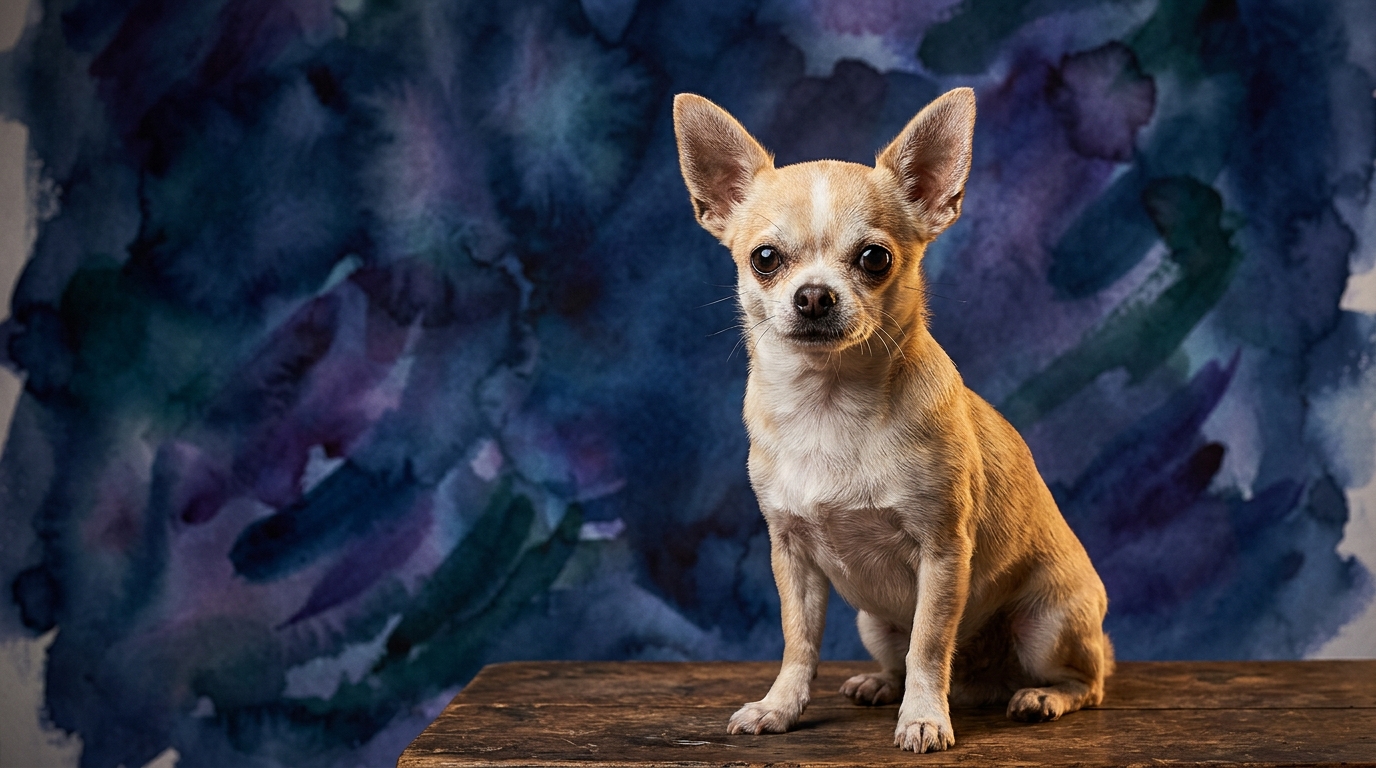
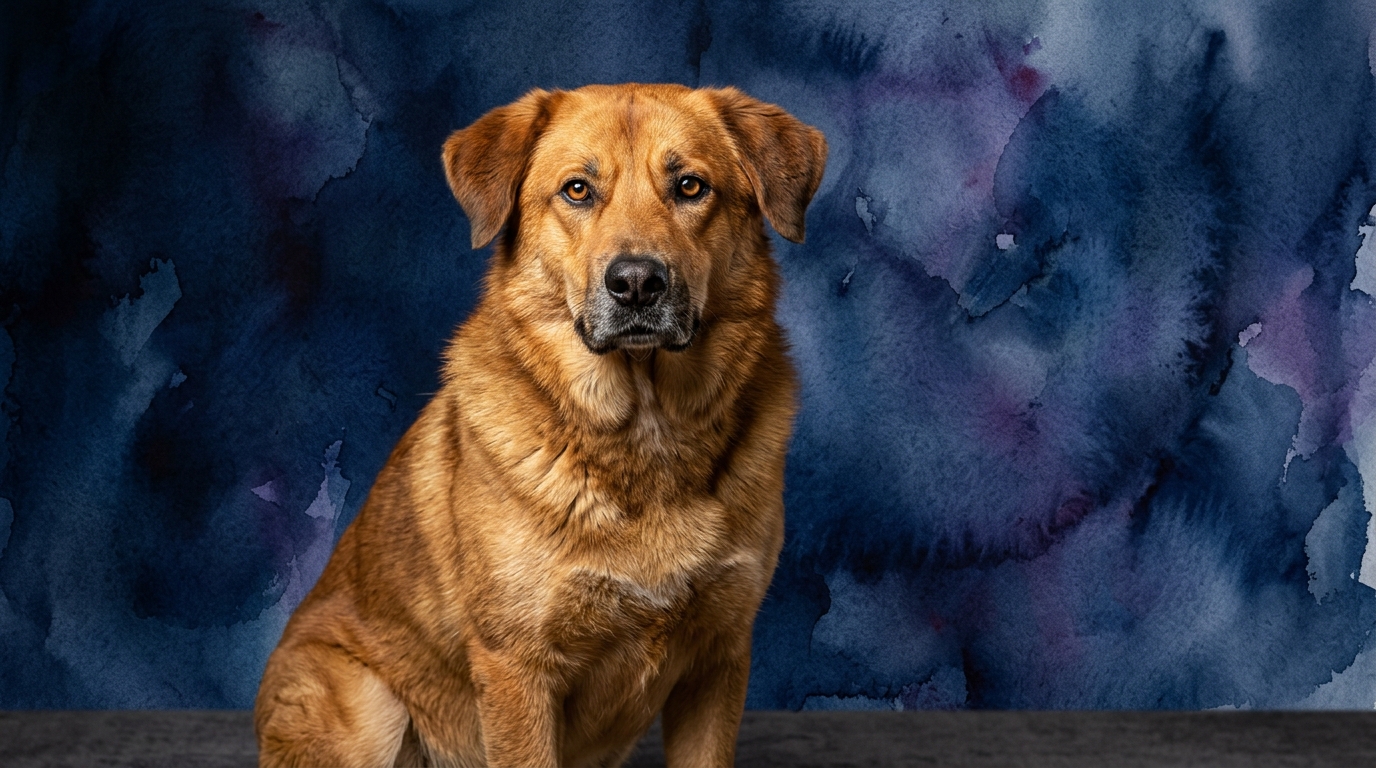
Side-by-Side IQ Profile
The Cosmic Pet Pet IQ Lab employs a five-dimensional framework to assess canine intelligence, providing a nuanced understanding beyond simple obedience. For the Chihuahua and Chinook, these dimensions highlight where each breed excels and where their cognitive approaches diverge.
The **Chihuahua**, a Toy breed, holds a Coren rank of #67, indicating a moderate capacity for working and obedience intelligence. Its IQ profile includes: Problem Solving (3/5), showing an aptitude for practical, immediate challenges within its environment; Training Speed (3/5), meaning it learns new commands at a moderate pace, often requiring consistent reinforcement; Social Intelligence (4/5), a notable strength reflecting its deep understanding of human cues and emotions; Instinctive Drive (3/5), which manifests as a surprising territoriality or prey drive; and Memory (4/5), indicating a strong retention of routines, people, and experiences.
The **Chinook**, a Working breed, is not Coren-ranked, which means its intelligence is evaluated through a different lens, emphasizing its functional capabilities. Its IQ profile is: Problem Solving (3/5), where its aptitude leans towards navigating physical environments and practical tasks; Training Speed (3/5), suggesting it is a willing but deliberate learner, thriving on clear purpose; Social Intelligence (3/5), demonstrating loyalty and an understanding of family dynamics, though potentially more reserved with strangers; Instinctive Drive (3/5), reflecting its heritage in activities like pulling and companionship; and Memory (3/5), indicating a reliable recall of learned behaviors and experiences, though perhaps less focused on social nuance than a Chihuahua.
Where Chihuahua Wins Cognitively
Chihuahuas exhibit clear cognitive advantages in two key areas: social intelligence and memory. Their exceptional social intelligence, rated at 4/5 compared to the Chinook's 3/5, allows them to be remarkably attuned to human emotions and subtle social cues. This translates into an almost uncanny ability to read their owners' moods, anticipate needs, and communicate their own desires through expressive body language and vocalizations, fostering an incredibly deep and responsive companionship.
Furthermore, the Chihuahua's superior memory, also at 4/5 versus the Chinook's 3/5, significantly enhances their adaptability within a human-centric world. They excel at remembering complex routines, recalling specific individuals or events with vivid detail, and retaining both positive and negative associations over long periods. This sharp memory, combined with their social acumen, means they quickly learn how to effectively interact with their environment and their people, often finding ingenious ways to solicit attention or comfort.
Where Chinook Wins Cognitively
While the numerical scores for problem-solving and instinctive drive are similar for both breeds, the Chinook's cognitive strengths manifest differently, particularly in their application to practical, physical challenges. Their 3/5 problem-solving ability is often channeled into navigating complex outdoor environments, understanding spatial relationships, and systematically working through physical obstacles, a trait honed by their working dog heritage. This contrasts with a Chihuahua's problem-solving, which might be more focused on manipulating indoor situations for comfort or attention.
The Chinook's instinctive drive, also rated 3/5, is geared towards cooperative tasks and companionship. This drive fuels their desire to work alongside humans, making them excel in activities requiring endurance, focus, and a sense of shared purpose, such as hiking or carting. While a Chihuahua's instinctive drive might lean towards territorial guarding, the Chinook's drive is more about robust partnership, requiring a nuanced understanding of their role within a team and a sustained mental effort over physical tasks.
Which Is Easier to Train and Why
Both Chihuahuas and Chinooks score a 3/5 for training speed, suggesting they are moderately quick learners, but the *nature* of their training experience can differ significantly due to their other cognitive traits and breed predispositions. Chihuahuas, with their high social intelligence and strong memory, can pick up commands rapidly, especially when motivated by attention or treats from their beloved owner. However, their independent spirit and tendency to develop a strong will if boundaries aren't consistently set can make them appear stubborn. They might remember exactly what they can get away with, requiring an owner who is patient, firm, and consistent to prevent selective hearing.
Chinooks, conversely, also learn at a moderate pace, but their working dog background typically means they possess a strong desire to please and a natural inclination for structure and routine. While they might not have the Chihuahua's acute social sensitivity, their willingness to engage in tasks and their focus on partnership can make them highly biddable students. They thrive on clear direction and positive reinforcement, often showing less of the 'what's in it for me' attitude that can sometimes challenge Chihuahua owners. Therefore, while both require consistency, the Chinook's inherent drive for cooperation might make the overall training journey feel more straightforward for owners seeking a reliable working partner, whereas a Chihuahua's training might require more finesse in managing their strong personality and social manipulation skills.
Which Suits Active Owners vs. Relaxed Owners
The cognitive profiles of the Chihuahua and Chinook align them with distinctly different owner lifestyles. A Chihuahua, with its high social intelligence and deep memory for interaction, thrives in the company of relaxed owners who prioritize companionship and indoor activities. Their mental stimulation is largely met through engaging with their human family, short walks, and indoor puzzle toys, making them ideal for individuals or families seeking a devoted lap companion who doesn't demand extensive physical outings. They are content to observe and participate in quiet household routines, often becoming the emotional barometer of the home.
The Chinook, on the other hand, is a natural fit for active owners who enjoy robust outdoor adventures and consistent mental engagement. Their problem-solving skills, though rated similarly, are better applied to navigating trails, learning complex commands for outdoor sports, or engaging in purposeful activities like hiking or carting. Their moderate instinctive drive for teamwork and companionship means they are happiest when actively participating in their owner's dynamic lifestyle, needing both physical exertion and mental challenges to prevent boredom and ensure a well-adjusted temperament. For an owner who loves to explore and include their dog in every adventure, the Chinook's cognitive makeup makes them an excellent, eager partner.
The Verdict
For those seeking a deeply intuitive and emotionally responsive companion content with a more relaxed indoor lifestyle, the Chihuahua's exceptional social intelligence and memory make them an ideal choice. They excel at forming profound bonds and communicating their needs with clarity, thriving on close human interaction.
Active individuals or families who desire a cooperative, task-oriented partner for outdoor adventures will find the Chinook's robust problem-solving and partnership-driven instincts a perfect match. They flourish with consistent physical and mental engagement, eager to join in purposeful activities.
🧠 Find Your Pet's IQ Score
Our Pet IQ Lab assessment covers 25+ tests across 5 cognitive dimensions — personalized to your breed.
Take the Full IQ Test →Frequently Asked Questions
Is the Coren ranking applicable to both Chihuahuas and Chinooks?
No, the Coren ranking, which assesses working and obedience intelligence, is only available for the Chihuahua at #67. The Chinook is not included in this specific ranking, which means its cognitive abilities are evaluated through different metrics, often focusing on its working breed traits and less on formal obedience trial performance.
How does a Chihuahua's high social intelligence impact their daily interaction with owners?
A Chihuahua's high social intelligence means they are exceptionally adept at reading human emotions, body language, and vocal cues, fostering a deep, intuitive connection. This allows them to anticipate their owner's needs or moods, often responding with comforting gestures or by seeking attention, making them incredibly empathetic and responsive companions in daily life.
Do Chinooks require more specific types of mental stimulation compared to Chihuahuas?
Yes, while both breeds benefit from mental stimulation, Chinooks typically thrive on more task-oriented and physically integrated challenges due to their working dog heritage. This includes activities like learning complex sequences for dog sports, navigating new hiking trails, or engaging in puzzle toys that require physical manipulation, whereas a Chihuahua's mental needs might be met through social interaction and simpler indoor games.