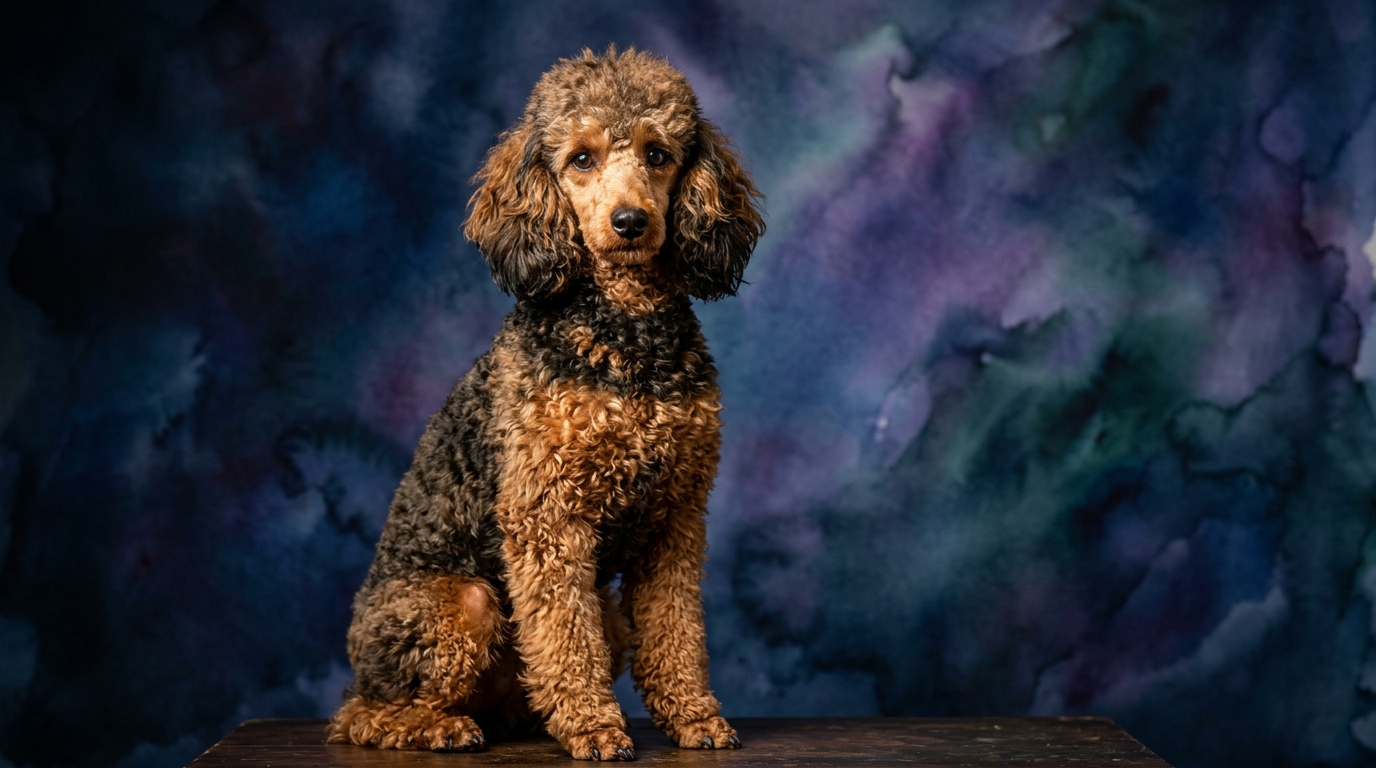
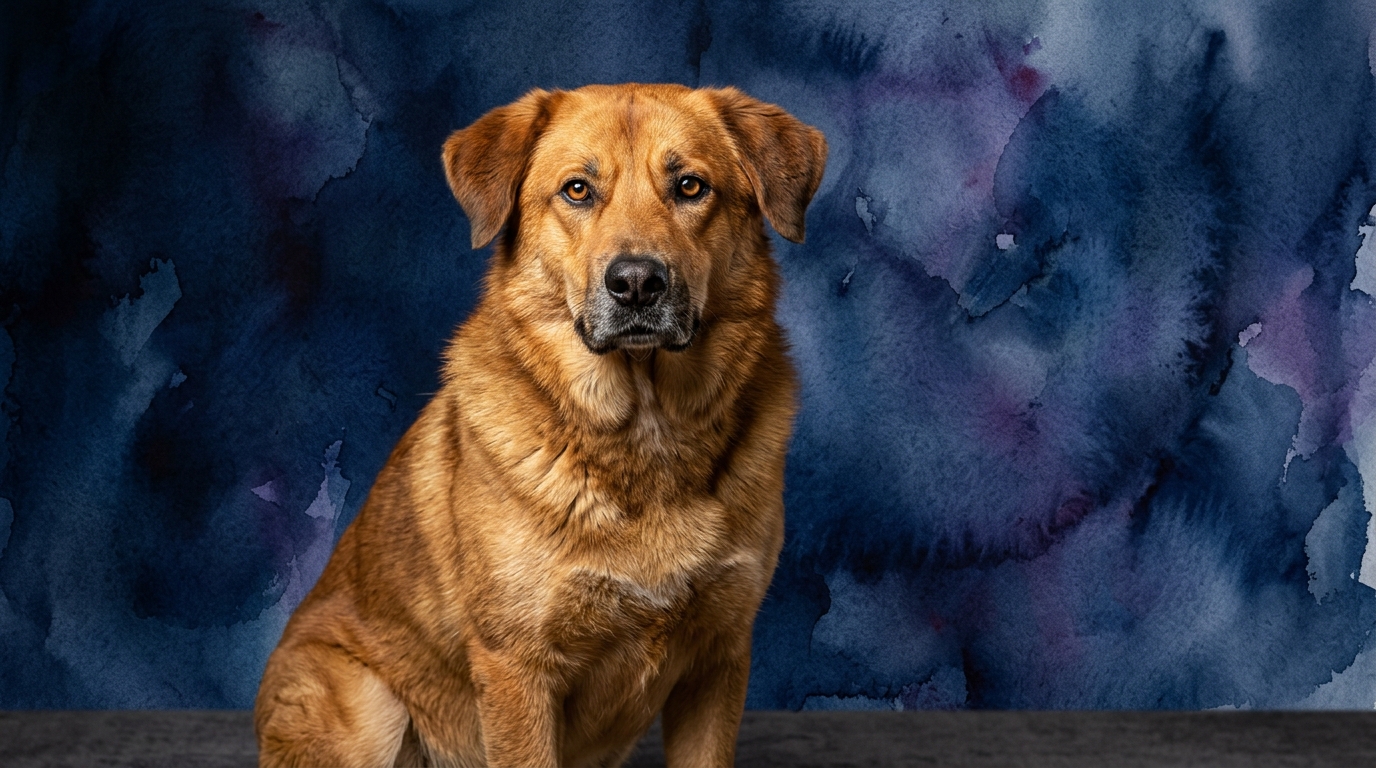
Side-by-Side IQ Profile: Standard Poodle vs. Chinook
The Cosmic Pet Pet IQ Lab employs a comprehensive five-dimensional framework to assess canine intelligence, providing a nuanced understanding beyond simple obedience. For the Standard Poodle, a Non-Sporting breed with a Coren ranking of #2, their profile is exceptional. Their Problem Solving is rated 5/5, indicating a rapid ability to decipher complex puzzles and devise novel solutions to obstacles, quickly grasping abstract concepts. Training Speed is also 5/5, meaning they learn new commands and routines with exceptional quickness, often mastering concepts in very few repetitions. Social Intelligence scores 5/5, revealing a keen attunement to human emotions and social cues, adapting behavior to social contexts seamlessly and anticipating handler intentions. Instinctive Drive is 4/5, possessing a strong drive for retrieving, engaging in focused tasks, and participating in active pursuits, stemming from their water fowl hunting heritage. Finally, Memory is 5/5, retaining learned information, commands, and experiences over long periods, rarely forgetting past lessons or complex sequences.
In contrast, the Chinook, a Working breed without a specific Coren ranking, presents a profile of consistent moderation. Their Problem Solving is 3/5, indicating they are capable of solving practical, task-oriented problems but may require more guidance or repetition for abstract challenges, preferring direct application over conceptual leaps. Training Speed is 3/5, meaning they learn new tasks at a steady, consistent pace, responding well to clear, positive reinforcement, though not with the rapid acquisition seen in some breeds. Social Intelligence is 3/5, developing strong, loyal bonds with its family, understanding their moods and desires, and thriving on cooperative interaction rather than subtle social interpretation. Instinctive Drive is 3/5, exhibiting a moderate, sustained drive for working alongside humans, pulling, and exploring, rooted deeply in its sledding and endurance heritage. Memory is also 3/5, holding onto learned behaviors and experiences with reasonable retention, benefiting from regular reinforcement to solidify lessons and maintain proficiency.
Where the Standard Poodle Wins Cognitively
The Standard Poodle's cognitive profile paints a picture of exceptional mental agility and rapid processing. Their 5/5 Problem Solving score means they aren't just good at following instructions; they excel at independent thought, often figuring out complex mechanisms or developing novel strategies to achieve a goal. For instance, a Poodle presented with a multi-step puzzle feeder might quickly deduce the sequence of actions required, even experimenting with different approaches until successful, often with impressive speed. This contrasts with a breed that might rely more on trial-and-error or human intervention. This cognitive flexibility extends to their environment, allowing them to adapt swiftly to new situations or changes in routine without significant stress. Their 5/5 Training Speed is a direct manifestation of this quick uptake. They can learn an extensive repertoire of commands, tricks, and complex routines, often requiring only a handful of repetitions before solidifying the behavior. This makes them outstanding candidates for advanced obedience, agility, or competitive dog sports where rapid learning and precise execution are paramount. Furthermore, their 5/5 Social Intelligence gives them a profound understanding of human emotions and intentions. They don't just react to cues; they often anticipate them, reading subtle shifts in body language or tone of voice. This makes them remarkably intuitive companions, often seeming to know what their owner needs before it's expressed, fostering a deep, empathetic connection. This blend of rapid learning, independent problem-solving, and social intuition places the Standard Poodle at a distinct cognitive advantage in environments demanding mental dexterity and quick adaptation.
Where the Chinook Wins Cognitively
While the Chinook's IQ scores are uniformly 3/5, their cognitive strengths lie in the *application* of these abilities in a steady, cooperative, and enduring manner, rather than in sheer speed or abstract brilliance. Their 3/5 Problem Solving manifests as practical intelligence, geared towards overcoming obstacles in real-world scenarios, particularly when engaged in tasks alongside their human partners. For example, a Chinook might not be the first to solve a complex abstract puzzle, but they excel at persistent effort to navigate a challenging hiking trail or work collaboratively to pull a sled, focusing on the end goal with unwavering determination. This isn't about finding a clever shortcut; it's about reliable, sustained effort. Their 3/5 Social Intelligence is less about anticipating subtle human nuances and more about forming a deep, unwavering partnership. They thrive on clear communication and consistent interaction, building a bond of loyalty and trust that underpins their working capacity. This makes them exceptionally reliable team members, eager to engage in shared activities and follow through on tasks. Their 3/5 Instinctive Drive, while numerically lower than the Poodle's, is focused on endurance and collaborative work, such as pulling or long-distance companionship, rather than the quick, intense bursts of a retriever. This means they are less likely to become easily frustrated or bored with repetitive but necessary tasks, instead finding satisfaction in the continuity of their work. The Chinook’s cognitive strengths are therefore centered around steadfastness, practical application, and a profound desire for cooperative engagement, making them ideal for owners who value a steady, reliable partner over a quick-witted, independent thinker.
Which is Easier to Train and Why
When it comes to ease of training, the Standard Poodle holds a clear advantage, largely due to their 5/5 Training Speed and Memory, coupled with their high Social Intelligence. A Poodle often grasps a new command after just a few repetitions, making the initial stages of obedience training remarkably swift. Their capacity for rapid retention means once a behavior is learned, it's typically remembered for the long term, reducing the need for constant re-teaching. For example, teaching a Poodle a complex sequence of agility obstacles might take significantly less time and fewer sessions than with many other breeds, as they quickly understand the patterns and remember the required actions. Their strong social intelligence also makes them highly responsive to human feedback and eager to please, translating into a dog that actively seeks to understand and comply with commands. This eagerness makes them highly biddable and a joy to train for both basic manners and advanced competitive pursuits.
The Chinook, with its 3/5 scores across Training Speed and Memory, requires a more patient and consistent approach. They are not difficult to train, but they are not lightning-fast learners either. Concepts need more repetitions and consistent reinforcement to solidify. For instance, teaching a Chinook a new trick might take several more sessions compared to a Poodle, and regular practice will be essential to ensure long-term retention. Their 3/5 Problem Solving means they might not independently 'figure out' what's expected as quickly, benefiting from clear, step-by-step guidance. However, their cooperative nature, stemming from their working breed heritage and moderate social intelligence, means they are willing partners in the training process. They respond well to positive reinforcement and appreciate a consistent, predictable routine. While a Chinook might not excel in speed-based competitive obedience, their steadfastness makes them reliable partners in tasks once they have thoroughly learned them. The key difference lies in the *pace* and *methodology*: Poodles thrive on rapid mental engagement, while Chinooks benefit from steady, clear, and patient instruction.
Which Suits Active Owners vs. Relaxed Owners
For active owners seeking a dynamic partner for dog sports, complex trick training, or continuous mental engagement, the Standard Poodle is an exceptional fit. Their 5/5 Problem Solving and Training Speed mean they thrive on challenges, whether it's mastering advanced agility courses, learning intricate dance routines, or engaging with interactive puzzle toys. Their 4/5 Instinctive Drive ensures they have the energy and focus to participate enthusiastically in these activities. A Poodle needs consistent mental stimulation to prevent boredom, which, if unmet, can lead to them inventing their own "work," sometimes in undesirable ways. For relaxed owners, a Poodle can adapt, but only if their significant mental needs are met through structured play, regular training sessions, and enrichment activities that challenge their intellect. They are not content to simply lounge all day without mental engagement.
The Chinook, conversely, is best suited for active owners who enjoy consistent outdoor activities and value a steady, enduring companion. Their 3/5 Instinctive Drive is geared towards sustained physical effort and cooperative ventures like hiking, jogging, or even recreational sledding. They are less about rapid-fire mental challenges and more about reliable companionship on a journey. While they appreciate mental stimulation, their primary need is for regular, structured physical activity that allows them to utilize their working heritage. After sufficient exercise, Chinooks are generally calm and relaxed indoors, making them good companions for unwinding. However, a truly relaxed owner who struggles to provide consistent physical outlets will find a Chinook restless and potentially destructive, as their moderate drive still requires a significant outlet. They thrive on having a "job" to do, even if that job is simply accompanying their owner on daily adventures.
The Verdict
For owners seeking an exceptionally adaptable, mentally agile companion capable of excelling in diverse activities and learning rapidly, the Standard Poodle is an ideal choice.
Choose the Chinook for owners who value a steady, cooperative partner for consistent outdoor adventures and a strong, loyal bond, willing to invest patience in training.
🧠 Find Your Pet's IQ Score
Our Pet IQ Lab assessment covers 25+ tests across 5 cognitive dimensions — personalized to your breed.
Take the Full IQ Test →Frequently Asked Questions
Is a Poodle's high IQ difficult to manage?
A Poodle's high IQ isn't inherently difficult to manage, but it does mean they require consistent mental stimulation and clear boundaries. Without adequate engagement, their cleverness can lead to them finding their own entertainment, which might not always align with owner preferences. Providing engaging activities like training, puzzles, and sports channels their cognitive energy positively.
Can a Chinook participate in dog sports?
Absolutely, Chinooks can participate in various dog sports, particularly those that emphasize endurance, teamwork, and practical problem-solving. While they might not be the fastest learners for rapid-fire agility, they can excel in activities like obedience, rally, canicross, or even recreational sledding, where their steady nature and cooperative drive shine.
How do their social intelligence scores impact family life?
A Poodle's 5/5 social intelligence means they are often highly attuned to family dynamics, anticipating needs and adapting their behavior to different individuals, fostering deep, intuitive connections. A Chinook's 3/5 social intelligence translates to forming strong, loyal bonds built on consistent interaction and trust, making them steadfast and devoted family members who thrive on being an integral part of the family unit.