Side-by-Side IQ Profile: Chihuahua vs. Mastiff
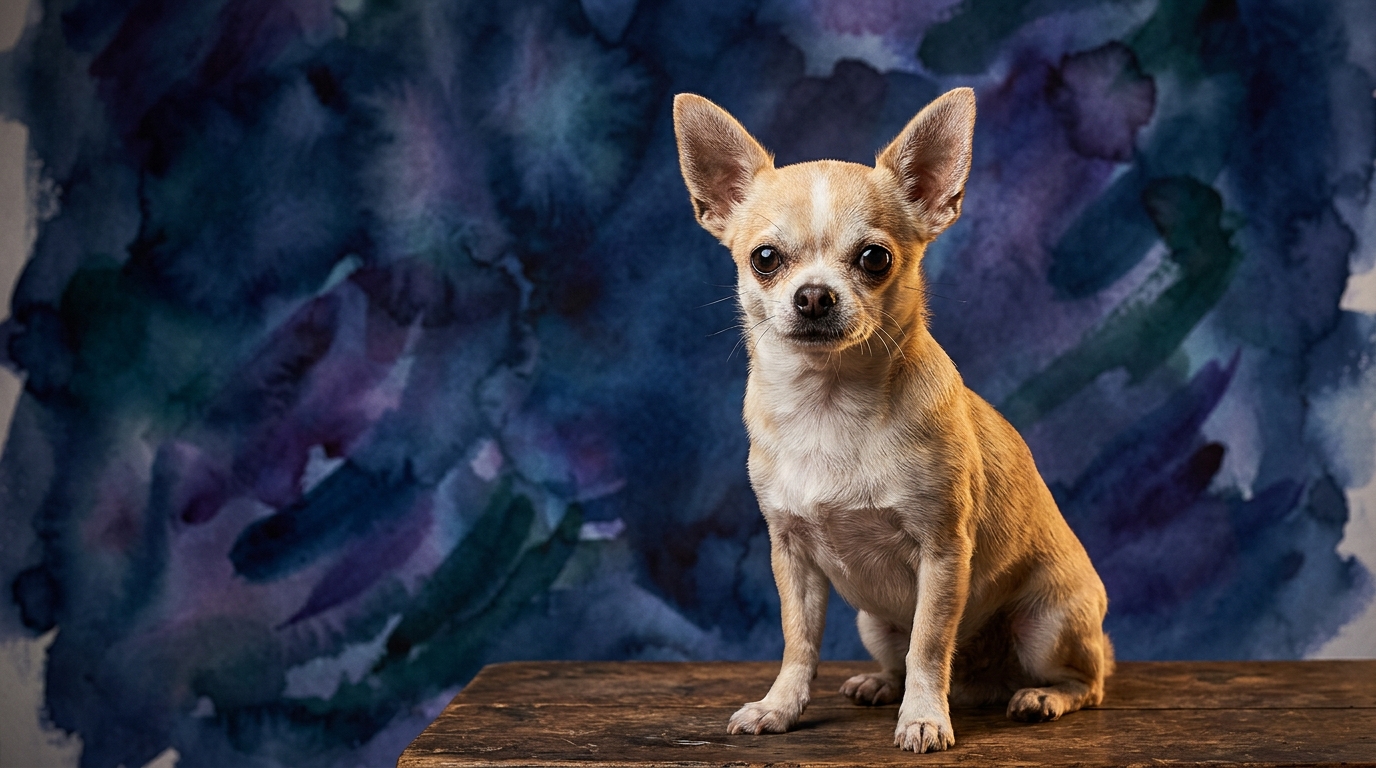
The Chihuahua, a member of the Toy group, possesses a cognitive profile that belies its diminutive stature, ranking #67 in Coren's scale of working and obedience intelligence. In problem-solving, they rate a 3 out of 5, indicating a capacity to navigate moderate mental challenges with reasonable success. Their training speed also sits at 3 out of 5, suggesting they learn new commands at an average pace. Where Chihuahuas truly shine is in social intelligence, scoring an impressive 4 out of 5; this reflects their profound ability to interpret human emotions and subtle cues, fostering deep bonds with their companions. Their instinctive drive is a moderate 3 out of 5, often manifesting as alertness, while their memory is a strong 4 out of 5, allowing them to retain learned behaviors and past experiences with notable clarity.
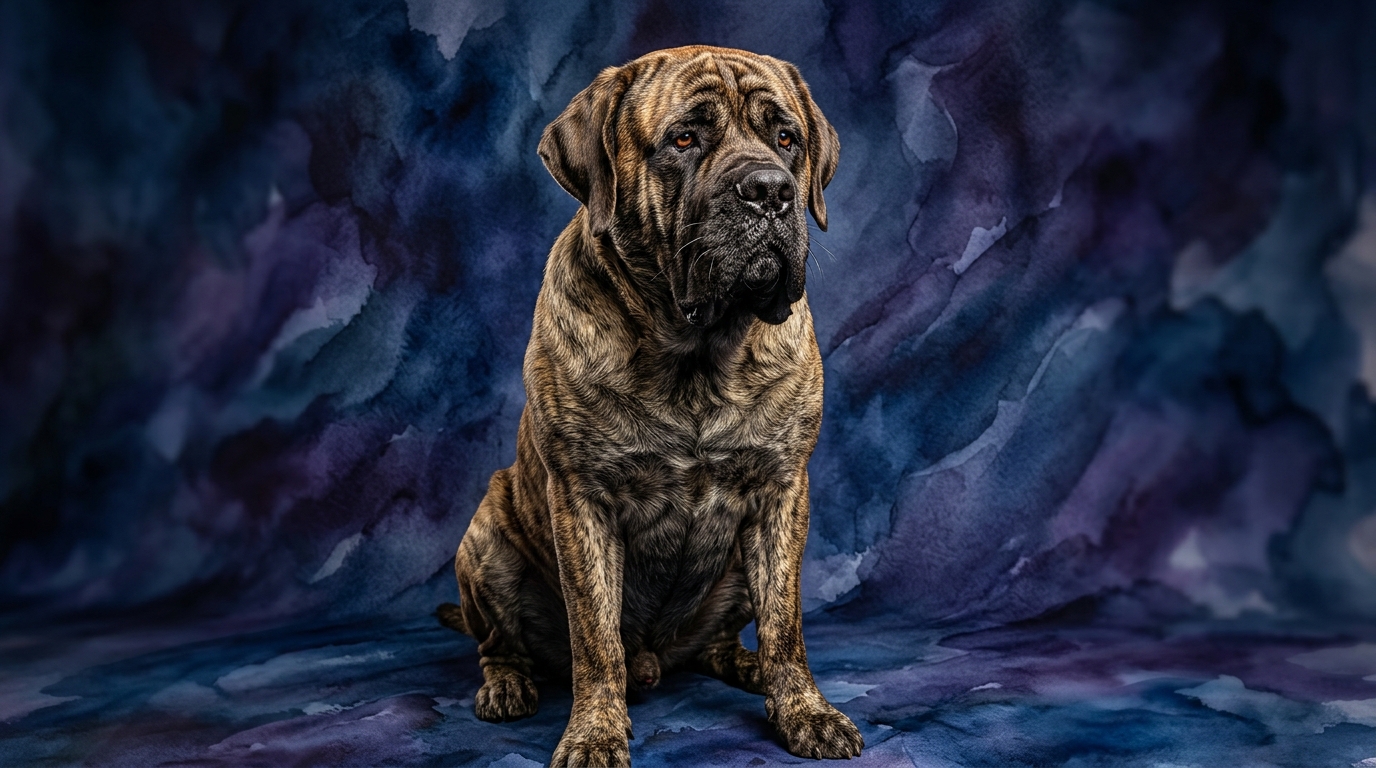
In stark contrast, the Mastiff, a distinguished member of the Working group, presents a different but equally compelling cognitive blueprint, positioning at #72 on Coren's intelligence scale. Like the Chihuahua, their problem-solving ability is rated 3 out of 5, enabling them to tackle moderate cognitive tasks, albeit perhaps with a different approach given their physical presence. Their training speed mirrors the Chihuahua's at 3 out of 5, indicating a steady, average learning curve. The Mastiff’s social intelligence is rated 3 out of 5, signifying a solid understanding of human interaction, though perhaps less overtly expressive than their smaller counterpart. Their instinctive drive also registers at 3 out of 5, predominantly rooted in their historical role as guardians, encompassing vigilance and protection. Finally, their memory stands at 3 out of 5, meaning they retain information and routines adequately, but may require more consistent reinforcement.
Where the Chihuahua Wins Cognitively
Examining the raw cognitive data, the Chihuahua demonstrates clear advantages in specific areas. Their social intelligence, rated 4/5 compared to the Mastiff’s 3/5, allows them a more refined ability to decode human emotions and intentions. This translates into a companion who often seems uncannily attuned to their owner's mood, offering comfort or seeking interaction with remarkable precision. This heightened perceptiveness can make them exceptionally empathetic and intuitive, often anticipating needs before they are explicitly communicated. Furthermore, the Chihuahua's memory score of 4/5 surpasses the Mastiff’s 3/5. This superior recall means they are more likely to remember complex sequences of commands, the locations of preferred toys, or the routines of their household with fewer repetitions. For an owner who enjoys teaching a wide array of tricks or relies on consistent adherence to house rules, this robust memory is a significant cognitive asset. Their slightly higher Coren rank of #67 also suggests a generally quicker grasp of new commands and a stronger inclination to obey, giving them a subtle edge in basic obedience acquisition.
Where the Mastiff Wins Cognitively
While the Mastiff's numerical scores might not always outshine the Chihuahua’s, their cognitive strengths are profoundly impactful and tailored to their ancestral purpose. Their instinctive drive, while numerically equivalent at 3/5, manifests as a powerful, discerning protective instinct. This isn't merely an aggressive tendency, but a cognitive process involving keen observation, assessment of environmental changes, and a calm, deliberate decision-making process about potential threats. A Mastiff's intellect excels in surveying its territory and its family, identifying anomalies, and acting as a formidable deterrent without needing complex instruction. Their problem-solving, also 3/5, often applies to real-world scenarios of guardianship, such as understanding physical barriers or subtly intervening in perceived family disputes. While their social intelligence is 3/5, it is characterized by a quiet, steady understanding rather than effusive display, allowing them to be discerning judges of character and situations. This manifests as a thoughtful presence, capable of making independent judgments about social interactions, a crucial cognitive trait for a guardian who must act decisively and appropriately.
Which is Easier to Train and Why
When considering ease of training, the Chihuahua generally holds an advantage, primarily due to a combination of their cognitive profile and physical manageability. With a training speed of 3/5, both breeds learn at an average pace, but the Chihuahua’s superior memory (4/5 vs. Mastiff’s 3/5) means they retain learned commands and routines more effectively over time, requiring less frequent reinforcement to maintain proficiency. Their slightly higher Coren rank (#67 vs. #72) also suggests they are, on average, more responsive to new commands and quicker to form associations between cues and actions. Furthermore, their small size makes them physically much easier to handle during training sessions, allowing for quicker corrections and less strenuous guidance. While Mastiffs are certainly trainable and respond well to positive reinforcement, their sheer size necessitates a more patient, consistent, and physically demanding approach. Their lower memory score implies that lessons might need more repetitions and refreshers, and their guardian-oriented instincts can sometimes lead to independent decision-making that requires careful, consistent redirection rather than quick compliance.
Which Suits Active Owners vs. Relaxed Owners
The choice between a Chihuahua and a Mastiff often comes down to lifestyle, and their cognitive profiles subtly influence how they fit into active versus relaxed households. Chihuahuas, despite their small size, possess a vivacious spirit and their high social intelligence and memory make them excellent candidates for owners who enjoy constant interaction, teaching tricks, and involving their dog in daily activities. They thrive on mental engagement with their people and can adapt well to various levels of physical activity, from brisk walks to being carried, making them suitable for both active owners who include them in outings and more relaxed owners who appreciate a highly interactive lap companion. Their alert nature, however, means they might not be the quietest residents. In contrast, Mastiffs are quintessential companions for relaxed owners. Their moderate social intelligence and memory, combined with their imposing size, lend themselves to a calm, dignified presence rather than constant playful engagement. They are content with a steady routine, moderate exercise, and ample space to lounge. Their guardian instincts mean they are observant and watchful, but not typically 'active' in a boisterous sense, making them ideal for owners who seek a serene, protective presence and are prepared to offer a peaceful, consistent home environment.
The Verdict
For those seeking a highly interactive, emotionally perceptive companion with excellent recall for learning, the Chihuahua is an exceptional choice.
If your lifestyle calls for a calm, steadfast, and discerning guardian who excels at quiet observation and protective presence, then the magnificent Mastiff will be a deeply rewarding addition to your home.
🧠 Find Your Pet's IQ Score
Our Pet IQ Lab assessment covers 25+ tests across 5 cognitive dimensions — personalized to your breed.
Take the Full IQ Test →Frequently Asked Questions
Does Coren's rank fully capture a dog's intelligence?
Coren's rank primarily assesses working and obedience intelligence, focusing on a dog's ability to understand and obey human commands. It doesn't fully encompass all aspects of canine cognition, such as problem-solving in novel situations, social intelligence, or instinctive drives, which are crucial for a complete understanding of a breed's mental capabilities.
Can a Mastiff learn as many tricks as a Chihuahua?
While both breeds can learn tricks, the Chihuahua’s superior memory (4/5) and slightly higher Coren rank suggest they might learn and retain a wider repertoire of complex tricks with greater ease. Mastiffs can certainly be taught many commands and tricks, but may require more consistent repetition due to their 3/5 memory score.
How does social intelligence impact daily life with these breeds?
A Chihuahua’s higher social intelligence (4/5) means they are often more acutely attuned to their owner's moods and subtle cues, leading to a highly interactive and empathetic companionship. A Mastiff’s 3/5 social intelligence indicates a solid understanding, but perhaps manifests as a more measured, calm observation rather than effusive emotional mirroring, making them discerning but less outwardly expressive companions.