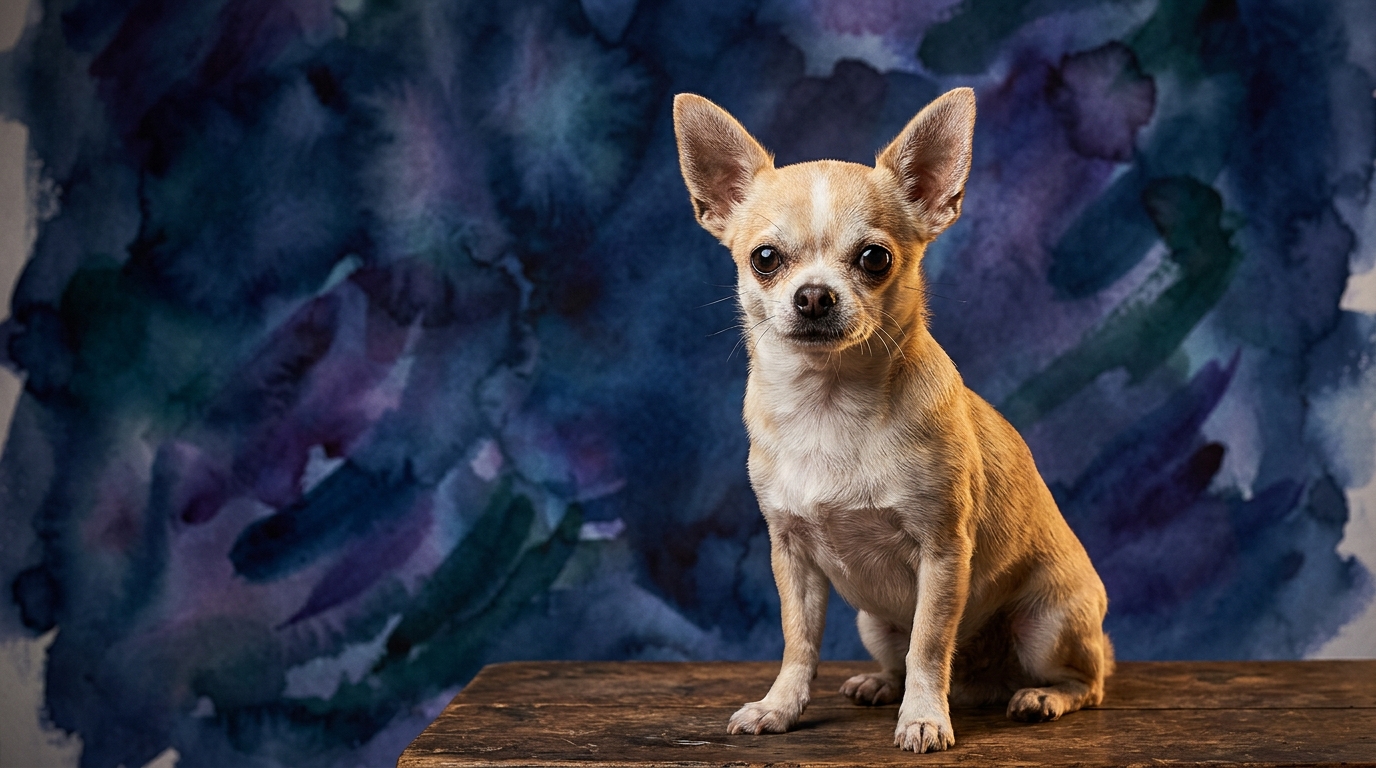
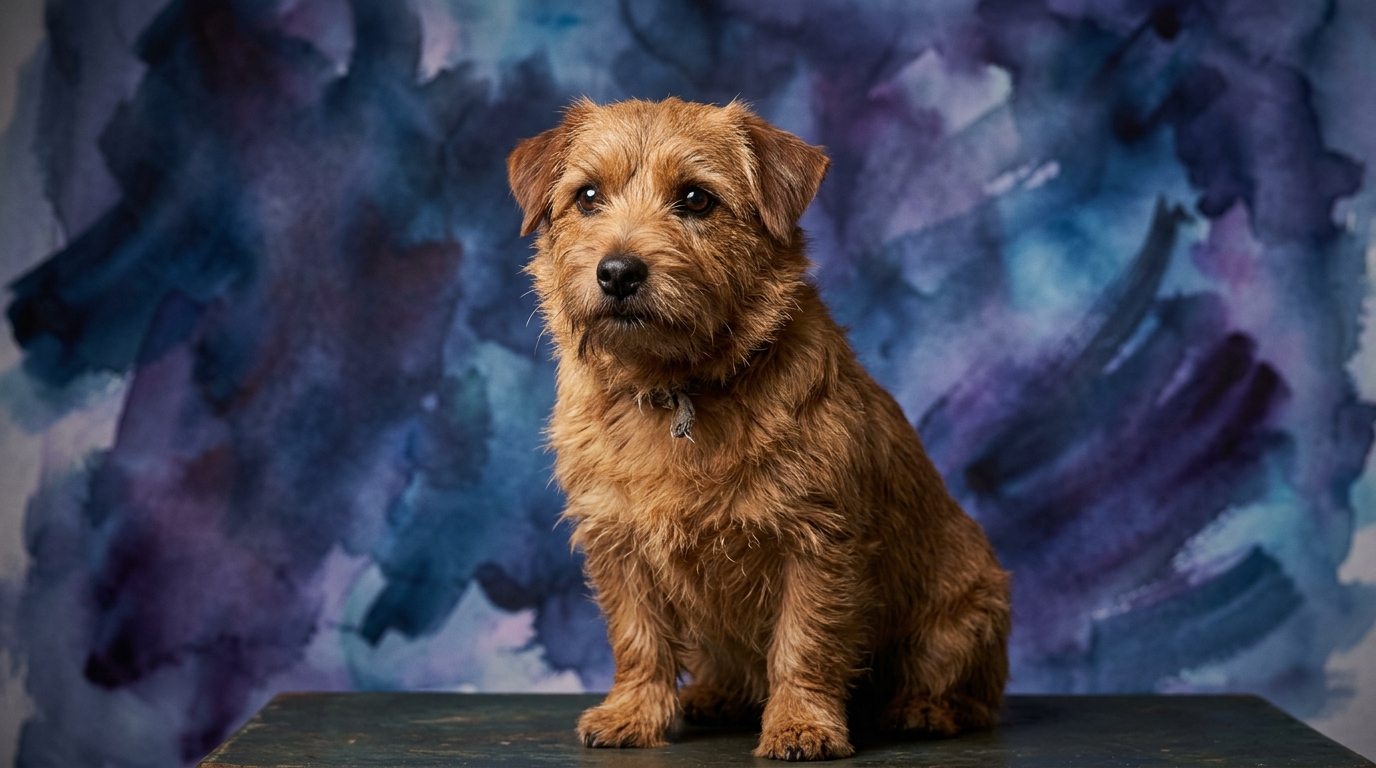
Side-by-Side IQ Profile
The Cosmic Pet Pet IQ Lab assesses canine cognition across five critical dimensions: problem-solving ability, training speed, social intelligence, instinctive drive, and memory. These metrics provide a granular view into how different breeds perceive, learn, and interact with their world, moving beyond superficial assumptions about their intellect.
The Chihuahua, a diminutive companion breed, registers a Coren ranking of 67, placing it in the 'Average Working/Obedience Intelligence' category. Our lab data indicates a solid 3 out of 5 for problem-solving, suggesting they can navigate moderately complex challenges. Their training speed also scores a 3 out of 5, indicating a respectable pace for learning new commands. Where Chihuahuas truly shine is in social intelligence and memory, both earning a strong 4 out of 5, reflecting their deep connection with human companions and ability to retain experiences. Instinctive drive sits at a moderate 3 out of 5, typically manifesting in alert vocalizations or territorial awareness rather than intense prey pursuit.
In contrast, the Norfolk Terrier, a robust member of the Terrier group, does not appear on Stanley Coren's traditional ranking, yet our IQ Lab provides insight into their cognitive makeup. They match the Chihuahua with a 3 out of 5 in problem-solving and training speed, indicating similar aptitudes for basic learning and task completion. However, their social intelligence, instinctive drive, and memory all register a 3 out of 5. This suggests a more balanced, perhaps less human-centric, cognitive profile compared to the Chihuahua, with their instinctive drive often channeled into classic terrier pursuits like digging or tracking.
Where Chihuahua Wins Cognitively
The Chihuahua's cognitive strengths distinctly emerge in two key areas: social intelligence and memory. Their 4 out of 5 in social intelligence means they are often acutely attuned to human emotions, vocal tones, and body language. This allows them to quickly interpret their owner's mood or intentions, fostering a profound empathetic bond. A Chihuahua might anticipate a walk by observing subtle cues, or offer comfort when sensing distress, demonstrating a sophisticated understanding of their human social environment.
Furthermore, their superior memory, also rated 4 out of 5, enables Chihuahuas to retain information about people, places, and past events with remarkable clarity. This strong recall extends beyond mere command retention; it influences their ability to remember complex routines, the location of favored toys, or even specific individuals they haven't seen in a while. This robust memory contributes significantly to their adaptability within a structured home environment and their capacity for developing nuanced relationships.
Where Norfolk Terrier Wins Cognitively
While the Norfolk Terrier doesn't outscore the Chihuahua in any single cognitive dimension, their unique blend of balanced abilities presents distinct advantages, particularly in how their instinctive drive and problem-solving manifest. Their 3 out of 5 in instinctive drive, when coupled with their terrier heritage, translates into a persistent, focused determination for tasks involving scent or exploration. This isn't merely a score; it's a drive that enables them to systematically investigate their surroundings, making them exceptionally adept at activities like earthdog trials or intricate scent games where tenacity is paramount.
Their pragmatic problem-solving, also rated 3 out of 5, is often less about social cues and more about navigating physical challenges or environmental puzzles. A Norfolk might methodically work to retrieve a toy stuck under furniture or strategize how to access a desired area, relying on a blend of physical dexterity and persistent effort. This grounded approach to cognitive challenges, combined with their robust nature, means they excel in situations demanding practical, hands-on engagement rather than intricate social maneuvering.
Which is Easier to Train and Why
When evaluating ease of training, both the Chihuahua and the Norfolk Terrier register a similar training speed score of 3 out of 5, indicating they learn at a comparable pace. However, the Chihuahua's superior social intelligence, scoring a 4 out of 5 compared to the Norfolk's 3 out of 5, provides a distinct advantage. Chihuahuas are generally more inclined to seek human approval and are highly responsive to subtle vocal inflections and body language from their trainers. This heightened attunement can make them appear more cooperative and eager to please during training sessions, as they are often trying to 'read' their handler's desires.
Conversely, the Norfolk Terrier, while capable of learning at the same rate, might require a trainer who understands their more independent and sometimes stubborn terrier nature. Their lower social intelligence score means they may not be as instinctively driven by human approval, often needing clearer, more consistent reinforcement and a gamified approach to maintain engagement. While equally capable of mastering commands, their training journey often benefits from patience and creativity to navigate their self-assured temperament, which can sometimes be mistaken for defiance.
Which Suits Active Owners vs. Relaxed Owners
Choosing between a Chihuahua and a Norfolk Terrier based on lifestyle involves considering how their cognitive profiles align with an owner's activity level and desire for engagement. For the more relaxed owner, the Chihuahua often presents a suitable match. Their strong social intelligence and memory make them excellent companions who thrive on close human interaction and predictable routines. While they possess an instinctive drive, it typically manifests as alertness or playful bursts, easily satisfied with indoor games or short strolls, making them content with a less intensely active household.
Active owners, particularly those who enjoy outdoor pursuits or structured dog sports, might find the Norfolk Terrier to be a more congruent fit. Despite a similar instinctive drive score, the Norfolk's terrier heritage means this drive is often channeled into vigorous exploration, digging, and scent work. They possess a robust physical and mental energy that benefits from regular, stimulating activities like brisk walks, agility courses, or earthdog events. Their pragmatic problem-solving and tenacity make them enthusiastic partners for owners who can provide consistent outlets for their inherent drive and curiosity about the world beyond the couch.
In essence, the choice between a Chihuahua and a Norfolk Terrier hinges on the specific cognitive traits an owner values most. The Chihuahua, with its exceptional social intelligence and memory, offers a deeply connected, emotionally resonant companionship that thrives on human interaction and a stable, affectionate home life.
The Norfolk Terrier, while equally capable in problem-solving and training, offers a more independent, robustly inquisitive companion whose cognitive strengths are best harnessed through engaging activities that satisfy their tenacious instinctive drive and practical approach to the world. Both breeds promise rewarding relationships, but their intellectual nuances cater to distinct owner expectations and lifestyles.
The Verdict
Choose a Chihuahua if you seek a deeply empathetic companion who thrives on close social connection and will remember your every interaction with remarkable clarity.
Opt for a Norfolk Terrier if you appreciate an independent, tenacious companion eager for practical challenges and engaging activities that tap into their innate drive.
🧠 Find Your Pet's IQ Score
Our Pet IQ Lab assessment covers 25+ tests across 5 cognitive dimensions — personalized to your breed.
Take the Full IQ Test →Frequently Asked Questions
Are Chihuahuas better at learning tricks than Norfolk Terriers?
While both breeds score 3/5 in training speed, the Chihuahua's higher social intelligence (4/5) might make them appear more eager to please and responsive to human cues during trick training. This attentiveness can sometimes translate into a quicker grasp of complex commands when the trainer is engaging and clear.
Do Norfolk Terriers need more mental stimulation than Chihuahuas?
Yes, generally. While both have a 3/5 instinctive drive, the Norfolk Terrier's drive is often geared towards vigorous exploration and traditional terrier activities like digging or scent work. This means they benefit significantly from consistent mental challenges and physical outlets to prevent boredom and channel their natural tenacity.
Which breed is more likely to develop separation anxiety?
The Chihuahua, with its higher social intelligence and strong bond-forming capacity, may be more prone to separation anxiety if not properly conditioned. Their deep attachment to their human companions means they can experience distress when left alone for extended periods, necessitating careful training and management.