Side-by-Side Cognitive Profiles at The Cosmic Pet Pet IQ Lab
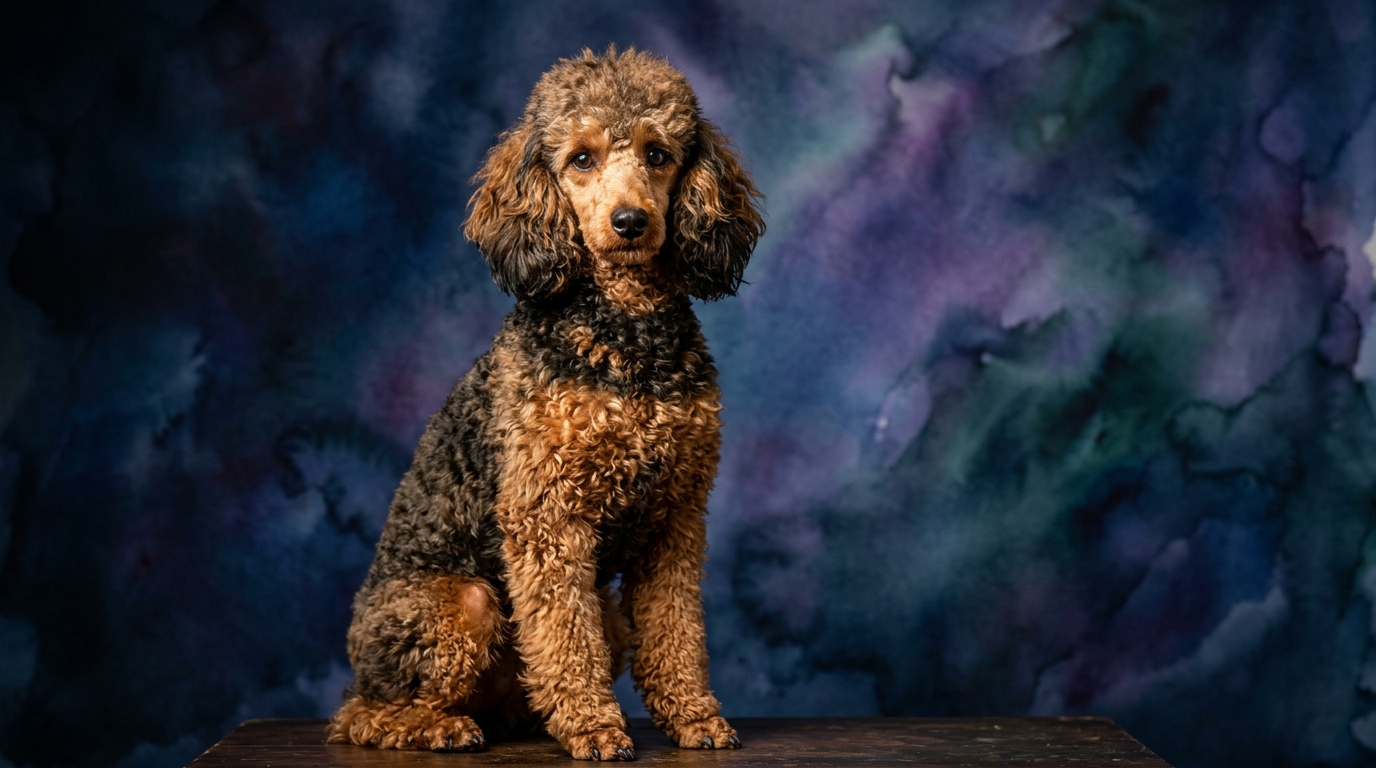
At The Cosmic Pet Pet IQ Lab, we analyze canine intelligence across five key dimensions to provide a comprehensive understanding of each breed's mental makeup. For the Poodle (Standard), this analysis consistently places them among the most cognitively developed breeds. Their Problem Solving is rated a perfect 5/5, indicating an exceptional capacity to analyze novel situations, devise solutions, and navigate complex environments. This translates into a dog that can quickly learn intricate sequences, overcome obstacles, and even figure out how to manipulate objects to achieve a goal. Their Training Speed also scores a flawless 5/5, meaning they grasp new commands and behaviors with remarkable alacrity, often requiring only a few repetitions to solidify a lesson. This rapid assimilation makes them highly responsive and a joy for owners dedicated to training.
The Poodle (Standard)'s Social Intelligence also registers a 5/5, signifying a profound ability to interpret human cues, understand social hierarchies, and adapt their behavior within a family unit. They are adept at reading emotions and can form deep, communicative bonds. Their Instinctive Drive, rated 4/5, is robust but manageable; it manifests as a strong desire to retrieve, perform, and engage in directed activities rather than an overwhelming prey drive, making it channelable into productive tasks. Finally, their Memory is an outstanding 5/5, allowing them to retain learned behaviors, recognize people and places, and recall complex commands over extended periods, contributing to their consistent performance and reliability.
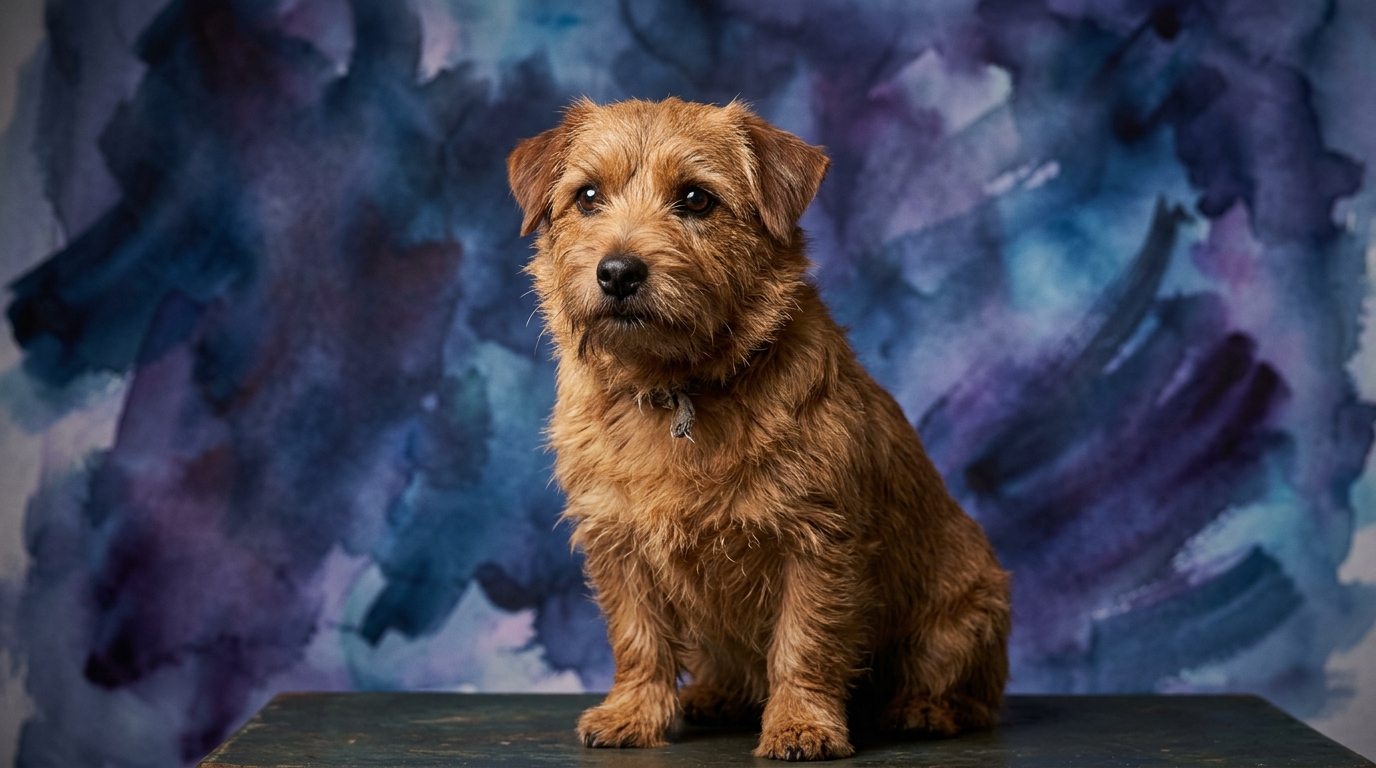
In contrast, the Norfolk Terrier presents a different, yet equally endearing, cognitive profile, with scores indicating a more independent and pragmatic approach to the world. Their Problem Solving ability is rated 3/5, suggesting they can navigate common challenges and learn from experience, but may not actively seek out complex mental puzzles or spontaneously devise elaborate solutions to novel problems. They are capable learners but typically rely on learned patterns rather than abstract reasoning. Their Training Speed also stands at 3/5, meaning they require consistent, patient repetition to master new commands. They learn at a moderate pace, but their independent nature often means they need more motivation and engagement to stay focused during training sessions.
The Norfolk Terrier's Social Intelligence is rated 3/5, indicating they are generally good at understanding human intentions and integrating into a family, but they might not possess the same nuanced sensitivity or desire to please that a Poodle exhibits. They are affectionate companions but maintain a degree of self-reliance. Their Instinctive Drive is also 3/5, reflecting their terrier heritage with a moderate urge to hunt, dig, and explore, which can be a strong motivator for certain types of play and activity but may require management. Their Memory, rated 3/5, is sufficient for retaining commands and routines, but they might not recall complex sequences or past events with the same precision or longevity as a breed with a higher score, making consistent reinforcement important for long-term retention of behaviors.
Where the Poodle (Standard) Excels Cognitively
The Poodle (Standard)'s cognitive strengths are evident across nearly every dimension measured by The Cosmic Pet Pet IQ Lab. With a 5/5 in Problem Solving, they are adept at navigating complex environments, quickly understanding how doors open, figuring out puzzle toys, or even learning multi-step tasks like retrieving specific items on command. This capacity for analytical thought means they often anticipate human actions or develop their own creative approaches to situations, sometimes surprising owners with their ingenuity. Their perfect 5/5 Training Speed allows them to absorb new information at an astonishing rate, making them prime candidates for advanced obedience, agility, and even service work where rapid learning and precision are paramount.
Furthermore, the Poodle's 5/5 Social Intelligence makes them exceptionally attuned to human emotions and intentions. They often seem to anticipate their owner's moods or desires, responding with appropriate comfort or enthusiasm. This high social awareness contributes to their strong bond with families and their adaptability in various social settings. Coupled with a 5/5 Memory, a Poodle can recall an extensive repertoire of commands, remember specific people and places over years, and consistently perform learned behaviors, making them reliable partners in almost any endeavor. This combination of rapid learning, deep understanding, and excellent retention ensures the Standard Poodle maintains a consistent cognitive advantage in structured learning and complex social interactions.
Where the Norfolk Terrier's Unique Cognitive Blueprint Shines
While the Norfolk Terrier's scores are consistently moderate, their cognitive profile offers distinct advantages for specific lifestyles and owner preferences. Their 3/5 Problem Solving, for instance, means they are less likely to overthink situations or become bored by a lack of constant mental challenges, which can be a significant benefit for owners seeking a companion that is content with a more straightforward daily routine. They possess a practical intelligence, learning what works for them without necessarily seeking to master abstract concepts, leading to a charmingly grounded perspective.
The Norfolk Terrier's 3/5 Instinctive Drive, while lower than the Poodle's, is deeply rooted in its terrier heritage, focusing on pursuit, digging, and exploration. This translates into a dog that enjoys active, outdoor engagement, reveling in scent work or short bursts of energetic play rather than requiring the sustained, directed performance of a Poodle. For owners who cherish the independent, tenacious spirit of a terrier and enjoy activities that tap into these natural instincts, the Norfolk's drive is perfectly suited. Their moderate Social Intelligence and Memory also mean they form strong, affectionate bonds without demanding constant human interaction or becoming overly dependent, offering a delightful blend of companionship and self-sufficiency that appeals to many.
Which is Easier to Train and Why
When it comes to ease of training, the Poodle (Standard) holds a clear advantage, primarily due to its 5/5 Training Speed and 5/5 Social Intelligence. Poodles are eager to please, attentive to their handlers, and quickly make connections between commands and actions. This means they often pick up new tricks or obedience cues in just a few repetitions, making training sessions efficient and rewarding. Their high social intelligence further aids this process, as they are adept at reading human body language and vocal cues, allowing for more fluid communication during training. They thrive on positive reinforcement and mental engagement, eagerly participating in structured learning.
The Norfolk Terrier, with a 3/5 Training Speed and 3/5 Social Intelligence, presents a different training experience. While certainly trainable, they require more patience, consistency, and creative motivation. Their independent terrier spirit means they may not always see the immediate value in complying with a command, and their attention can be more easily diverted by environmental stimuli. Training a Norfolk often involves finding their intrinsic motivators, like a favorite toy or a high-value treat, and breaking down lessons into smaller, more manageable steps. Owners should be prepared for more repetitions and to make training a fun, engaging game rather than a strict lesson, understanding that their progress may be slower but ultimately yields a well-mannered companion.
Which Suits Active Owners vs Relaxed Owners
For active owners who thrive on mental and physical engagement with their pet, the Poodle (Standard) is an ideal match. Their 5/5 Problem Solving and 5/5 Training Speed mean they not only enjoy but genuinely need consistent mental stimulation through training, puzzle toys, and challenging activities like agility or obedience trials. Their 4/5 Instinctive Drive, while not overwhelming, provides the motivation for sustained activity, making them excellent partners for long walks, runs, or dog sports. Owners who enjoy teaching complex tasks and providing varied experiences will find the Poodle a willing and capable participant, often flourishing in environments where their cognitive abilities are regularly exercised.
Conversely, owners seeking a companion with a more independent streak, who appreciate charm without the demand for constant advanced mental engagement, might find the Norfolk Terrier a better fit. While Norfolks are active terriers who require regular exercise to satisfy their 3/5 Instinctive Drive (think daily walks, playtime, and opportunities to explore), their cognitive demands are less intense than a Poodle's. They are content with a moderate level of mental stimulation through basic training and interactive toys, rather than needing to master complex routines. Relaxed owners who can provide consistent, patient training and appreciate a dog that is self-sufficient yet affectionate will find the Norfolk Terrier to be a delightful and manageable companion.
The Verdict
Choose the Poodle (Standard) if you seek a highly trainable, versatile companion eager to engage in complex learning, advanced sports, and deep social interaction.
Opt for the Norfolk Terrier if you appreciate an independent, spirited companion with moderate training needs, a love for exploration, and a charming, self-reliant demeanor.
🧠 Find Your Pet's IQ Score
Our Pet IQ Lab assessment covers 25+ tests across 5 cognitive dimensions — personalized to your breed.
Take the Full IQ Test →Frequently Asked Questions
Do Standard Poodles get bored easily?
Yes, with a 5/5 in Problem Solving and Training Speed, Standard Poodles require consistent mental engagement. Without sufficient mental stimulation, they can become bored and may invent their own activities, which can sometimes be destructive or undesirable.
Are Norfolk Terriers difficult to train?
Norfolk Terriers are not difficult to train, but their 3/5 Training Speed and independent nature mean they require more patience and consistency than some other breeds. They respond best to positive reinforcement, short sessions, and owners who understand their terrier instincts.
Which breed is better for first-time dog owners?
For first-time owners willing to invest significant time in training and mental stimulation, a Standard Poodle can be rewarding due to their eagerness to learn; however, a Norfolk Terrier might be less demanding in terms of advanced cognitive engagement, making them a good choice for those seeking a charming, moderately active companion with a clearer, less complex cognitive profile.