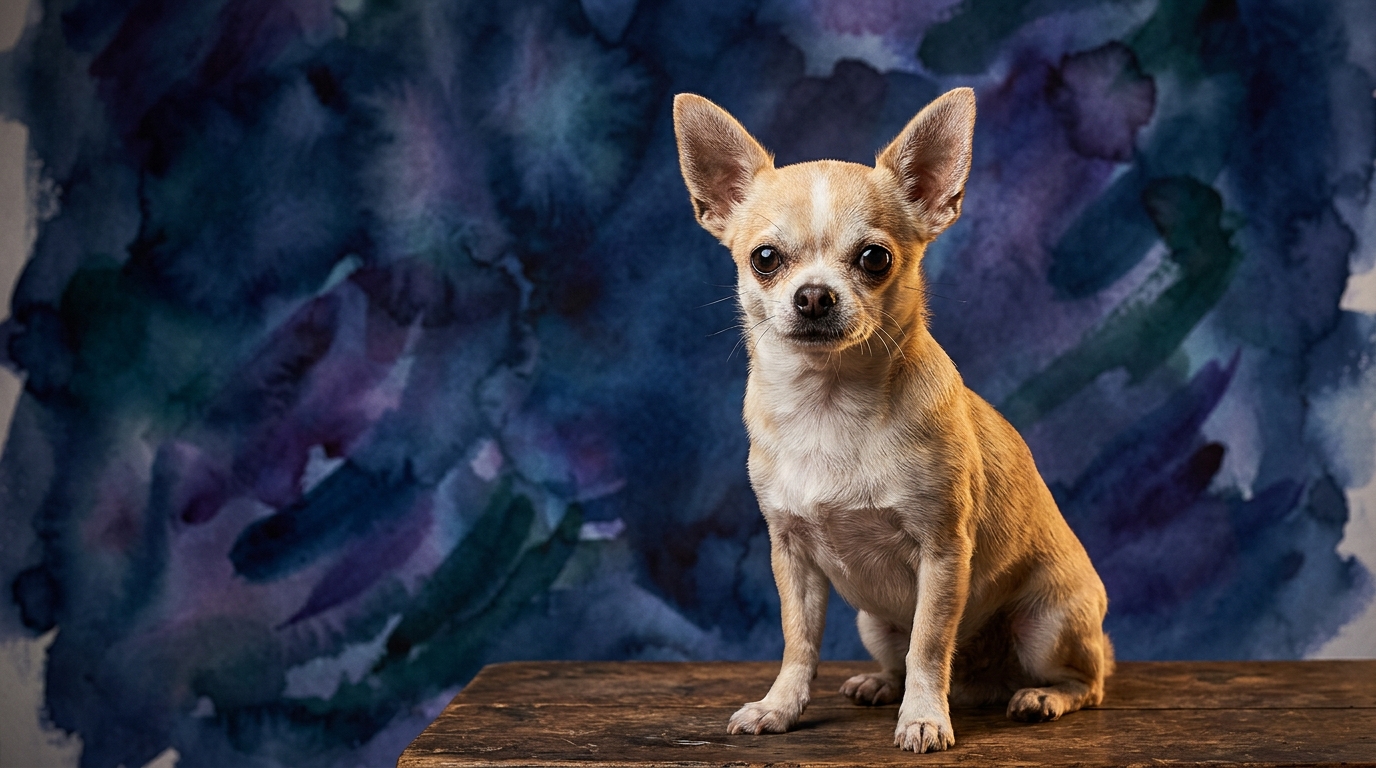
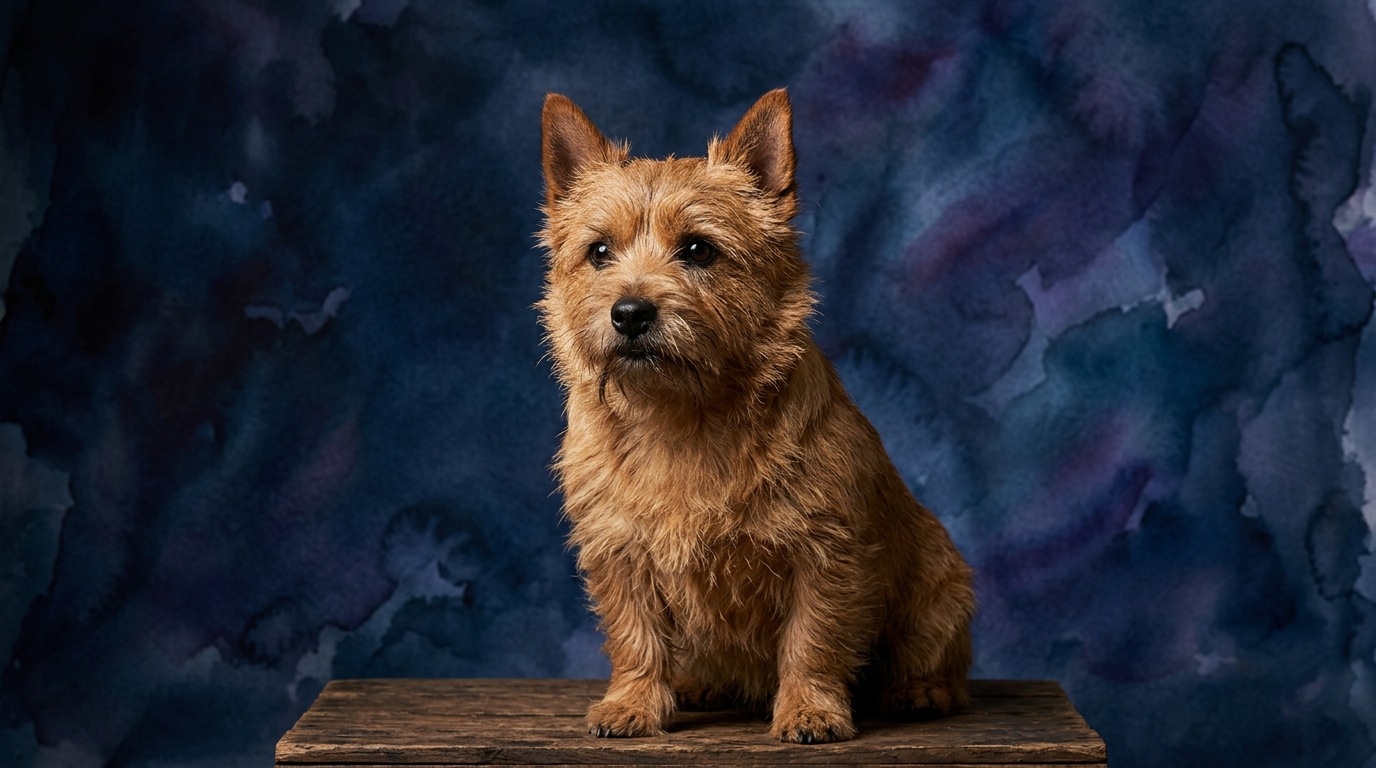
Side-by-Side IQ Profile: Chihuahua vs. Norwich Terrier
The Cosmic Pet Pet IQ Lab employs a five-dimensional framework to assess canine intelligence, offering a nuanced perspective beyond simple obedience. For the Chihuahua, a toy breed with a Coren ranking of #67, this framework reveals a problem-solving score of 3/5, indicating an average capacity for navigating novel challenges and figuring out solutions independently. Their training speed also registers at 3/5, suggesting they grasp new commands and routines at a moderate pace, benefiting from consistent, positive reinforcement. Where Chihuahuas truly shine is in social intelligence, scoring an impressive 4/5; this reflects a strong ability to understand human cues, adapt to social situations, and form deep bonds, often anticipating their owner's moods and intentions. Their instinctive drive, at 3/5, points to a balanced level of inherent dog behaviors like chasing or guarding, neither excessively high nor particularly low. Finally, a memory score of 4/5 highlights their excellent recall of past events, learned behaviors, and even specific people or places, contributing to their reputation as loyal and observant companions.
In contrast, the Norwich Terrier, a robust terrier breed, does not appear on the Coren ranking, yet its individual cognitive profile provides valuable insights. Their problem-solving score matches the Chihuahua's at 3/5, indicating a similar average aptitude for independent thought when faced with obstacles or puzzles. Training speed for the Norwich Terrier also stands at 3/5, suggesting they learn new tasks at a comparable pace to the Chihuahua, though their terrier tenacity might influence the *approach* to training. Social intelligence for the Norwich Terrier is rated at 3/5, indicating a solid, but perhaps less overt, understanding of human social dynamics compared to the Chihuahua; they are certainly affectionate but might display a more independent social demeanor. Their instinctive drive, also 3/5, reflects their heritage as working terriers, with a moderate inclination towards behaviors like digging, chasing small prey, or being alert to their surroundings. Lastly, the Norwich Terrier's memory score is 3/5, suggesting a reliable ability to remember commands and routines, albeit perhaps not with the same vivid detail or long-term recall observed in the Chihuahua.
Where the Chihuahua Wins Cognitively
The Chihuahua distinctly stands out in the realm of social intelligence and memory. With a social intelligence score of 4/5, they possess a refined ability to interpret human body language, vocal inflections, and emotional states, often appearing to anticipate their owner's needs or moods. This cognitive strength allows them to form exceptionally strong, almost intuitive, bonds, making them highly responsive companions in domestic settings. This isn't just about affection; it's a sophisticated processing of social cues that enables them to navigate complex household dynamics with grace and sensitivity. Furthermore, their memory score of 4/5 means Chihuahuas are adept at recalling specific events, people, and learned behaviors over extended periods. This superior recall contributes to their consistency in routine, their ability to remember past pleasant or unpleasant experiences, and their capacity to recognize individuals even after long absences, solidifying their place as perceptive and deeply connected family members. For an owner who values a pet that seems to 'understand' them on a deeper level, the Chihuahua's cognitive makeup offers a clear advantage.
Where the Norwich Terrier Wins Cognitively
While the Norwich Terrier's raw scores might not show a direct 'win' over the Chihuahua in specific dimensions, their cognitive profile, particularly in the context of their terrier nature, offers unique strengths. Their problem-solving (3/5) and instinctive drive (3/5) combine to create a mentally resilient and tenacious individual. While the Chihuahua might excel at social problem-solving, the Norwich Terrier often demonstrates a more robust, independent approach to environmental challenges. For instance, when faced with a physical obstacle or a puzzle toy, their terrier persistence and moderate instinctive drive for exploration or 'work' can lead them to methodically figure things out through trial and error, often with a determined focus. This isn't about speed, but about an enduring mental fortitude. Their balanced instinctive drive means they are driven enough to engage with tasks that require some independent thought and physical effort, without being overwhelmed by excessive prey drive. This makes them particularly adept at tasks requiring sustained attention and a bit of grit, rather than just quick comprehension of human commands.
Which is Easier to Train and Why
Assessing which breed is 'easier' to train requires a nuanced understanding of their cognitive profiles and inherent behavioral tendencies. Both the Chihuahua and the Norwich Terrier score 3/5 in training speed, suggesting they grasp new concepts at a comparable moderate pace. However, the Chihuahua's superior social intelligence (4/5) often translates into a more enthusiastic and cooperative training partner. They are typically eager to please and highly attuned to their owner's feedback, making them more receptive to positive reinforcement methods. Their strong memory (4/5) also means that once a command or behavior is learned, it tends to stick, requiring less frequent refreshers. Real behavioral differences include the Chihuahua's tendency to seek connection and approval, which can make them highly motivated by praise and attention during training sessions. In contrast, while the Norwich Terrier also learns at a moderate pace, their terrier independence and moderate instinctive drive might mean they require a more engaging and varied training approach to maintain focus. They might be more prone to 'selective hearing' if a command doesn't align with their immediate interests or perceived terrier 'job.' Their problem-solving skills, while valuable, can sometimes manifest as figuring out ways to outsmart the trainer if not managed with consistent and clear expectations. Therefore, while both are trainable, the Chihuahua's social acumen and memory often make the *process* feel smoother and more intuitive for the average owner.
Which Suits Active Owners vs. Relaxed Owners
The cognitive profiles and inherent breed traits offer clear indicators for suitability with different owner lifestyles. For relaxed owners seeking a devoted companion, the Chihuahua often presents an ideal match. Their high social intelligence (4/5) means they thrive on close human interaction, readily adapting to a calm home environment where they can be a constant presence. Their moderate instinctive drive (3/5) means they are not typically driven by an overwhelming need for strenuous physical activity or complex 'work,' making them content with shorter walks, indoor play, and plenty of cuddle time. They are cognitively wired to be highly attuned to their human's rhythm, making them excellent companions for those who prefer a more sedate pace of life.
Conversely, the Norwich Terrier, while small, often appeals more to active owners. Despite a moderate instinctive drive (3/5), their terrier heritage imbues them with a zest for exploration and engagement with their environment. Their problem-solving skills (3/5) combined with their tenacity mean they enjoy mental stimulation that involves figuring things out, whether it's navigating new trails or engaging with puzzle toys. They possess a sturdy build and an energetic disposition that belies their size, making them suitable for owners who enjoy regular walks, hikes, or even participation in dog sports like agility. While they are affectionate, their social intelligence (3/5) suggests they appreciate companionship but also possess a degree of independence, making them less prone to constant 'velcro dog' behavior. An active owner who can provide consistent engagement and varied experiences will find the Norwich Terrier a spirited and rewarding partner.
The Verdict
If you value a deeply connected companion that excels in social understanding, remembers routines with precision, and thrives on intimate companionship in a more relaxed home environment, the Chihuahua is an excellent fit.
Opt for the Norwich Terrier if you appreciate an independent, resilient dog with a tenacious spirit for exploration and problem-solving, suited for an owner who enjoys providing consistent engagement and varied activities.
🧠 Find Your Pet's IQ Score
Our Pet IQ Lab assessment covers 25+ tests across 5 cognitive dimensions — personalized to your breed.
Take the Full IQ Test →Frequently Asked Questions
Does the Chihuahua's Coren ranking mean it's smarter than a Norwich Terrier?
Not necessarily. The Coren ranking primarily assesses 'working and obedience intelligence,' focusing on trainability for specific commands. While the Chihuahua is ranked, the Norwich Terrier's unranked status doesn't mean a lack of intelligence, but rather that its specific cognitive strengths might lie outside the parameters of that particular assessment, often in areas like independent problem-solving or adaptability.
Are Chihuahuas difficult to housetrain due to their size?
Chihuahuas can sometimes present housetraining challenges, but this is less about their cognition and more about their small bladder capacity and the common tendency of owners to over-coddle them. With consistent, frequent potty breaks, positive reinforcement, and clear communication, their strong memory and social intelligence can actually make them quite adept at learning house rules.
Do Norwich Terriers require extensive mental stimulation to prevent destructive behavior?
Norwich Terriers, like many terriers, benefit from regular mental stimulation due to their moderate instinctive drive and problem-solving abilities. While they don't necessarily need 'extensive' stimulation, providing them with puzzle toys, varied walks, and opportunities to explore safely can help channel their natural curiosity and prevent boredom-induced behaviors like excessive digging or chewing.