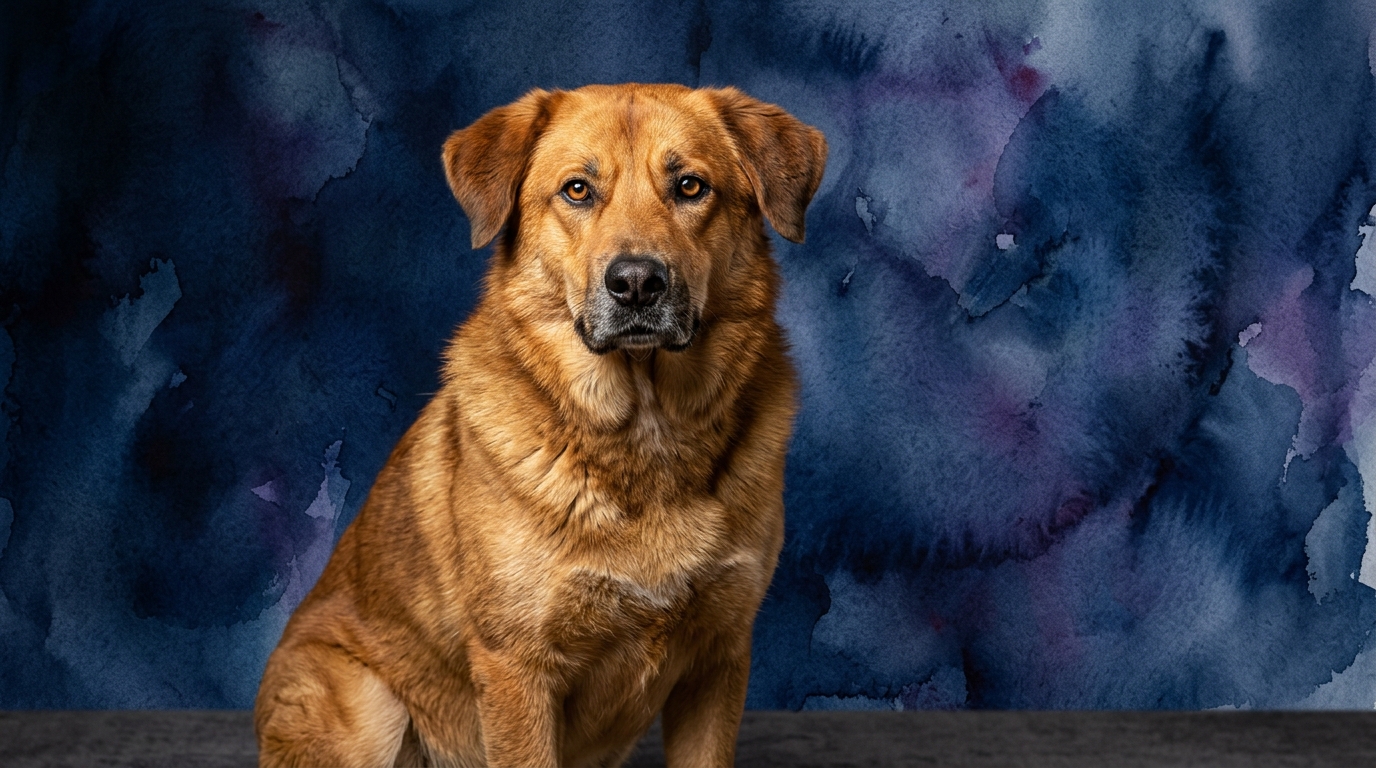

Side-by-Side Cognitive Profile: Interpreting Identical Scores
While both the Chinook and the Brussels Griffon register a consistent 3 out of 5 across all five cognitive dimensions, their breed-specific applications of these capacities paint distinct pictures.
Problem Solving (3/5): The Chinook's problem-solving centers on practical, physical challenges, like finding the best path through varied terrain or manipulating simple latches. Their solutions are often direct and purposeful, reflecting their working heritage. In contrast, the Brussels Griffon applies its 3/5 problem-solving to more social or comfort-driven tasks, such as devising clever ways to gain attention or access a forbidden comfy spot, often demonstrating a mischievous ingenuity.
Training Speed (3/5): Chinooks learn new commands at a steady pace, generally eager to cooperate, especially when tasks involve activity or a clear objective. Their responsiveness is reliable with consistent positive reinforcement. The Brussels Griffon also possesses a 3/5 training speed, capable of quick learning, but their progress can be more erratic, influenced by their independent streak and a need for high-value motivation to overcome occasional stubbornness.
Social Intelligence (3/5): A Chinook's social intelligence is expressed through their balanced integration into family life, reading human moods for cooperative interaction and maintaining harmony within the 'pack.' They are generally well-adjusted and observant. The Brussels Griffon's 3/5 social intelligence, however, is intensely focused on their human companions, excelling at deciphering subtle emotional cues and often using this understanding to foster deep bonds or, at times, to subtly manipulate for affection.
Instinctive Drive (3/5): The Chinook's 3/5 instinctive drive manifests as a strong desire for purposeful activity, companionship, and exploration, rooted in their sled dog lineage. This includes a natural inclination for pulling and outdoor adventures. For the Brussels Griffon, their 3/5 drive is channeled into profound companionship, playful antics, and a surprising boldness, often exhibiting a 'big dog' protective instinct despite their small stature, fueled by a deep desire for proximity to their people.
Memory (3/5): Both breeds score 3/5 in memory, but apply it differently. Chinooks reliably recall training, complex routines, and the locations of favored items, which supports their working capabilities and long-term consistency. Brussels Griffons also remember routines, people, and past interactions vividly, often recalling specific events or emotional responses, which can make them sensitive to past experiences and influential in their future behaviors.
Where the Chinook Shows a Cognitive Edge
Despite the identical numerical scores, the Chinook often demonstrates a cognitive edge in tasks requiring sustained focus on a physical objective and cooperative problem-solving within a structured framework. Their working dog heritage means they are inherently wired for tasks that demand endurance and a methodical approach to obstacles, such as navigating a complex agility course or consistently performing multi-step commands over an extended period. This breed’s ability to maintain composure and apply learned skills under varying outdoor conditions, like tracking a scent trail or executing a retrieve in a distracting environment, showcases a robust, practical intellect. Their social intelligence, while equally rated, lends itself more readily to understanding and contributing to a harmonious group effort, making them adept at cooperative activities where each member has a role. They also tend to exhibit a more consistent application of their memory in practical, repeatable tasks, showing less deviation due to emotional factors than their toy-breed counterpart might.
Where the Brussels Griffon Shines Cognitively
Conversely, the Brussels Griffon often shines in cognitive domains that demand acute social perception, clever manipulation of their environment for personal gain, and rapid adaptation to intricate social dynamics. Their 3/5 problem-solving frequently manifests as ingenious ways to get attention, open cupboard doors to investigate treats, or simply to position themselves perfectly for a warm lap. This resourcefulness, while sometimes mischievous, highlights a quick wit and an ability to 'think on their paws' in social contexts. Their social intelligence allows them to read human emotions with remarkable precision, often anticipating needs or moods before they are overtly expressed, making them profoundly empathetic companions. The Brussels Griffon’s memory is often colored by emotional context, allowing them to recall specific interactions or favored people with vivid detail, which strengthens their bond and influences their future social strategies. This breed's specific cognitive strengths lean heavily into nuanced interpersonal understanding and charming persuasion.
Training Dynamics: Chinook's Cooperation vs. Griffon's Independence
While both breeds share a 3/5 training speed, the *experience* of training them can differ considerably due to their inherent behavioral patterns. The Chinook, stemming from a working background, often approaches training with an eager-to-please attitude and a desire for purpose. They respond well to clear, consistent instruction and positive reinforcement, especially when the training involves physical activity or a task to be completed. Their cooperative nature and focus on their handler typically lead to steady, predictable progress. Conversely, the Brussels Griffon, despite their capacity for quick learning, can present a more challenging training journey. Their independent and often opinionated nature means they might decide a command isn't worth their effort unless the motivation is exceptionally high. They can be prone to selective hearing or attempts to 'negotiate' during training sessions, requiring immense patience, creativity, and consistency from their owner. While they grasp concepts, their willingness to *perform* reliably can be less straightforward than the Chinook's, often demanding a deeper understanding of their individual quirks and what truly motivates them.
Matching Cognitive Profiles to Lifestyles
The cognitive makeup of each breed naturally aligns them with different owner lifestyles. The Chinook, with its robust instinctive drive and practical problem-solving, thrives with active owners who can provide consistent mental and physical engagement. Their need for purpose and activity means they excel in environments where they can participate in outdoor adventures, learn new sports like agility or tracking, or simply join their humans for long, engaging walks. A relaxed owner might find a Chinook's unmet cognitive and physical needs leading to boredom or destructive behaviors. The Brussels Griffon, on the other hand, with its intense social intelligence and comfort-driven problem-solving, is an ideal fit for more relaxed owners who prioritize companionship and indoor interaction. While they enjoy play, their cognitive strengths are best nurtured through close human connection, nuanced communication, and being an integral part of daily household life. An active owner might find the Brussels Griffon's physical limits and preference for cozy companionship less aligned with their high-energy pursuits, though their mental engagement is still crucial.
The Verdict
Choose the Chinook if you seek a cooperative companion for outdoor adventures and structured activities, valuing a practical, purposeful intellect that thrives on consistent engagement and a clear role.
Opt for the Brussels Griffon if your lifestyle centers on close companionship and nuanced indoor interaction, appreciating a clever, socially perceptive mind that excels at charming its way into your heart and lap.
🧠 Find Your Pet's IQ Score
Our Pet IQ Lab assessment covers 25+ tests across 5 cognitive dimensions — personalized to your breed.
Take the Full IQ Test →Frequently Asked Questions
Do Chinooks or Brussels Griffons require more mental stimulation?
Both breeds benefit from mental stimulation, but its nature differs. Chinooks thrive on purposeful tasks and physical challenges. Brussels Griffons need engaging social interaction and problem-solving related to their environment and human relationships.
Can a Brussels Griffon learn complex tricks like a Chinook?
A Brussels Griffon can certainly learn complex tricks, but their motivation might need to be higher, and their independent streak may require more creative training approaches. Chinooks, with their cooperative nature, might show more consistent enthusiasm for structured trick training.
How do their social intelligence scores impact family life?
The Chinook's social intelligence contributes to harmonious group dynamics, making them adaptable family members. The Brussels Griffon's social intelligence is intensely human-focused, leading to profound emotional bonds and a keen awareness of their owner's moods, sometimes making them quite demanding of attention.