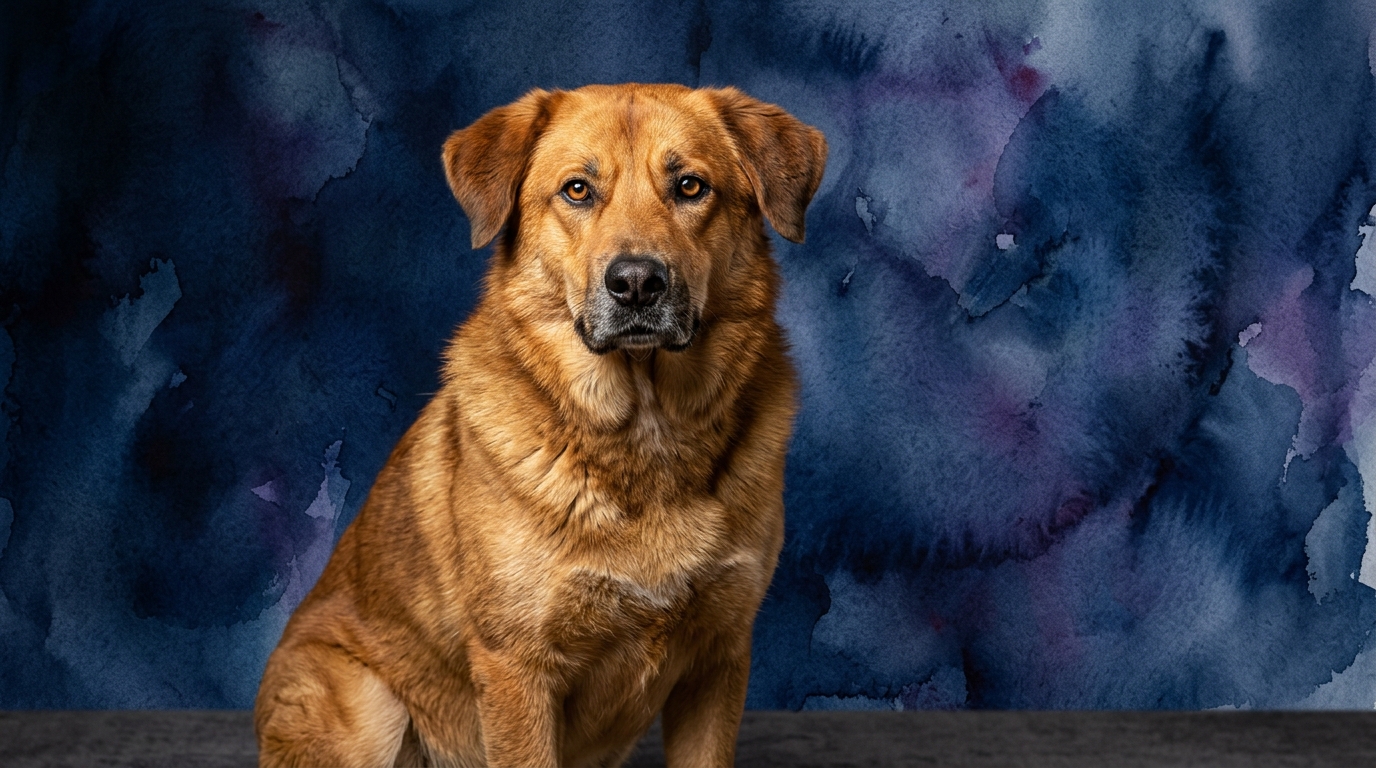
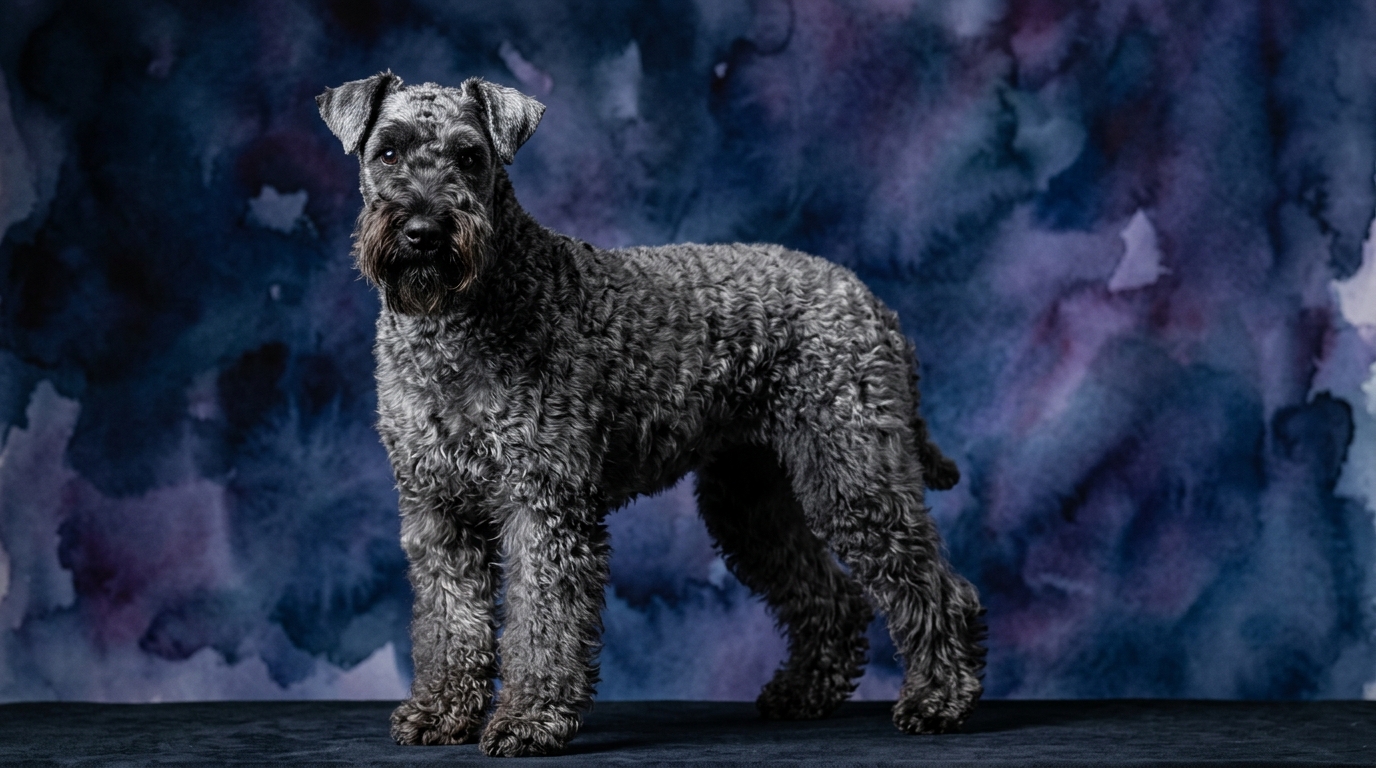
Side-by-Side IQ Profile: Understanding the Nuances of 3/5
While both breeds share identical scores across all five cognitive dimensions, the interpretation of a '3/5' rating differs significantly based on their breed group and historical roles. These scores indicate a solid, functional level of cognitive ability, but how that manifests in a Working dog versus a Terrier is where the distinction lies.
For the **Chinook (Working Group)**:
Problem Solving (3/5): This score for the Chinook often manifests as practical ingenuity, like navigating varied terrain or understanding the mechanics of a harness to efficiently pull a sled. Their cognitive approach leans towards methodical solutions within a structured context, leveraging their physical prowess and endurance to achieve a task-oriented goal.
Training Speed (3/5): Chinooks grasp new commands and routines at a steady, consistent pace, benefiting significantly from clear communication and positive reinforcement. While they are not instant learners, their inherent willingness to cooperate with their human partners makes the training process a predictable and often rewarding journey, building upon established routines.
Social Intelligence (3/5): Chinooks exhibit a moderate yet reliable understanding of human emotional states and social cues, forming strong, responsive bonds within their family unit. Their social awareness supports their role as a companion and working partner, allowing them to anticipate needs and respond appropriately to familiar people and situations.
Instinctive Drive (3/5): This dimension highlights their inherent drives, such as their impulse to pull, their impressive endurance for long treks, and a protective instinct towards their family. These drives are present and manageable, providing a stable foundation for their working capabilities without being overwhelming or difficult to channel.
Memory (3/5): Chinooks possess a dependable memory for learned commands, established routines, and the layouts of familiar environments. They retain lessons effectively over time, contributing to their consistency in performance and their ability to build upon previous training without constant re-teaching.
For the **Kerry Blue Terrier (Terrier Group)**:
Problem Solving (3/5): For the Kerry Blue, problem-solving at this level often involves an independent, resourceful approach, such as strategizing how to outmaneuver small prey or overcome obstacles during a hunt. Their solutions might be less about cooperation and more about finding the most effective, often self-directed, path to their own desired outcome.
Training Speed (3/5): Kerry Blues can learn new tasks with reasonable speed, but their inherent terrier tenacity and independent streak mean that immediate, unwavering compliance isn't always guaranteed. They absorb information readily, but their application of that knowledge is often filtered through their own motivations and a strong, sometimes stubborn, will.
Social Intelligence (3/5): This breed displays a solid understanding of their immediate family's dynamics and emotional nuances, often forming deep, loyal attachments. However, their social intelligence might be more selective, taking time to warm to strangers and assess new social situations on their own terms before engaging.
Instinctive Drive (3/5): The Kerry Blue's drives are typically rooted in their terrier heritage, including a pronounced prey drive, a persistent tendency to dig, and a watchful, often vocal, territorial nature. These instincts are a defining part of their character, requiring consistent management, appropriate outlets, and a firm understanding from their owners.
Memory (3/5): Kerry Blues have a good memory for experiences, both positive and negative, and will remember effective strategies for getting what they want or avoiding what they dislike. This robust memory contributes to their consistency in behavior, for better or worse, based on past reinforcement and their own perceived success.
Where Chinook Wins Cognitively
Despite identical numerical scores, the Chinook's cognitive strengths often lie in areas demanding sustained, cooperative effort and a methodical approach to complex tasks. Their Working Group heritage means their problem-solving tends to focus on practical application within a defined role, such as understanding how to adjust their gait to pull a sled more efficiently or navigating a specific trail with consistent focus and endurance. This makes them particularly adept at multi-step commands or routines that build towards a larger objective, where their social intelligence supports a deep, collaborative partnership with their human. Their memory serves to build a robust repertoire of learned behaviors for consistent performance in a working context, emphasizing reliability and teamwork over independent strategizing.
Where Kerry Blue Terrier Wins Cognitively
The Kerry Blue Terrier, while matching the Chinook numerically, excels in cognitive areas requiring independent thought, quick adaptation, and a certain degree of self-directed ingenuity. Their problem-solving is often geared towards immediate, often physical, solutions in response to a perceived challenge, like finding a weakness in a fence or outsmarting a small animal in a novel situation. This breed's social intelligence, while strong within its family, fosters a more independent decision-making process, allowing them to assess situations and act without constant human direction. Their memory is particularly keen for what yields success for *them*, reinforcing behaviors that achieve their individual goals, which can be both a blessing and a challenge in training due to their strong will.
Which is Easier to Train and Why
When comparing ease of training, the Chinook generally presents a more straightforward path for the average owner, despite both breeds having a 3/5 training speed. Chinooks, as a working breed, are often eager to please and possess a strong desire to work alongside their human partners. Their cooperative nature means they respond well to clear, consistent commands and positive reinforcement, making them receptive to learning and more likely to offer desired behaviors. While they learn at a steady pace, their willingness to engage and their lower propensity for independent 'terrier antics' can make the training process feel less like a battle of wills, with their social intelligence supporting a harmonious working relationship.
The Kerry Blue Terrier, conversely, often requires a more nuanced and patient approach to training. While their problem-solving and memory are strong, their inherent terrier independence means they might question the necessity of a command if it doesn't align with their immediate interests or perceived benefit. They learn quickly, but their strong will and instinctive drives, such as prey drive or territoriality, can sometimes override their desire to comply. Training a Kerry Blue often involves finding creative ways to motivate them, making the process more about negotiation and consistent boundary setting than simple instruction, requiring owners to understand their distinct behavioral differences, like their tendency to be less overtly biddable.
Which Suits Active Owners vs. Relaxed Owners
Both the Chinook and the Kerry Blue Terrier require active engagement, but the *nature* of that activity differs significantly, influencing their suitability for owners. The Chinook, stemming from a working background, thrives with consistent, structured activity that provides a sense of purpose. They excel in activities like hiking, sledding, or canine sports that demand endurance, focus, and teamwork. They suit active owners who enjoy long outdoor adventures and are prepared to integrate their dog into a structured routine, valuing a cooperative partner who thrives on shared effort.
The Kerry Blue Terrier also demands an active lifestyle, but their energy is often expressed with bursts of intensity and a need for mental challenges that satisfy their terrier instincts. They enjoy vigorous play, chasing, and activities that engage their problem-solving skills, like agility or earthdog trials (where available). They suit active owners who appreciate a spirited companion with a robust personality, who can provide varied stimulation and channel their strong drives effectively. A relaxed owner might find the Kerry Blue's independent energy and occasional boisterousness challenging, as their need for engagement isn't easily satisfied with passive companionship.
The Verdict
Choose a Chinook if you seek a cooperative, methodical partner for structured outdoor activities and value a dog that integrates seamlessly into a consistent family routine.
Choose a Kerry Blue Terrier if you appreciate an independent, spirited companion who thrives on varied mental and physical challenges and responds best to creative, consistent training.
🧠 Find Your Pet's IQ Score
Our Pet IQ Lab assessment covers 25+ tests across 5 cognitive dimensions — personalized to your breed.
Take the Full IQ Test →Frequently Asked Questions
Do Chinooks and Kerry Blue Terriers have similar energy levels?
Both breeds are active, but their energy manifests differently; Chinooks prefer sustained, purposeful activity, while Kerry Blues often display bursts of intense, independent play and exploration. Understanding these nuances is key to meeting their exercise needs effectively, as passive companionship is rarely enough for either.
Are these breeds good with children?
Both breeds can be good with children, especially when raised with them and properly socialized. Chinooks are generally gentle and tolerant, forming strong bonds, while Kerry Blues are playful but may require more supervision due to their spirited nature and potential for boisterous play, along with their independent streak.
What are the main differences in their social behavior?
Chinooks are typically more openly social and cooperative with their family, forming strong, responsive bonds that facilitate teamwork. Kerry Blues are loyal and affectionate within their family but can be more reserved or discerning with strangers, reflecting their independent terrier temperament and watchful nature.