Side-by-Side IQ Profile: Unpacking the 3/5 Scores
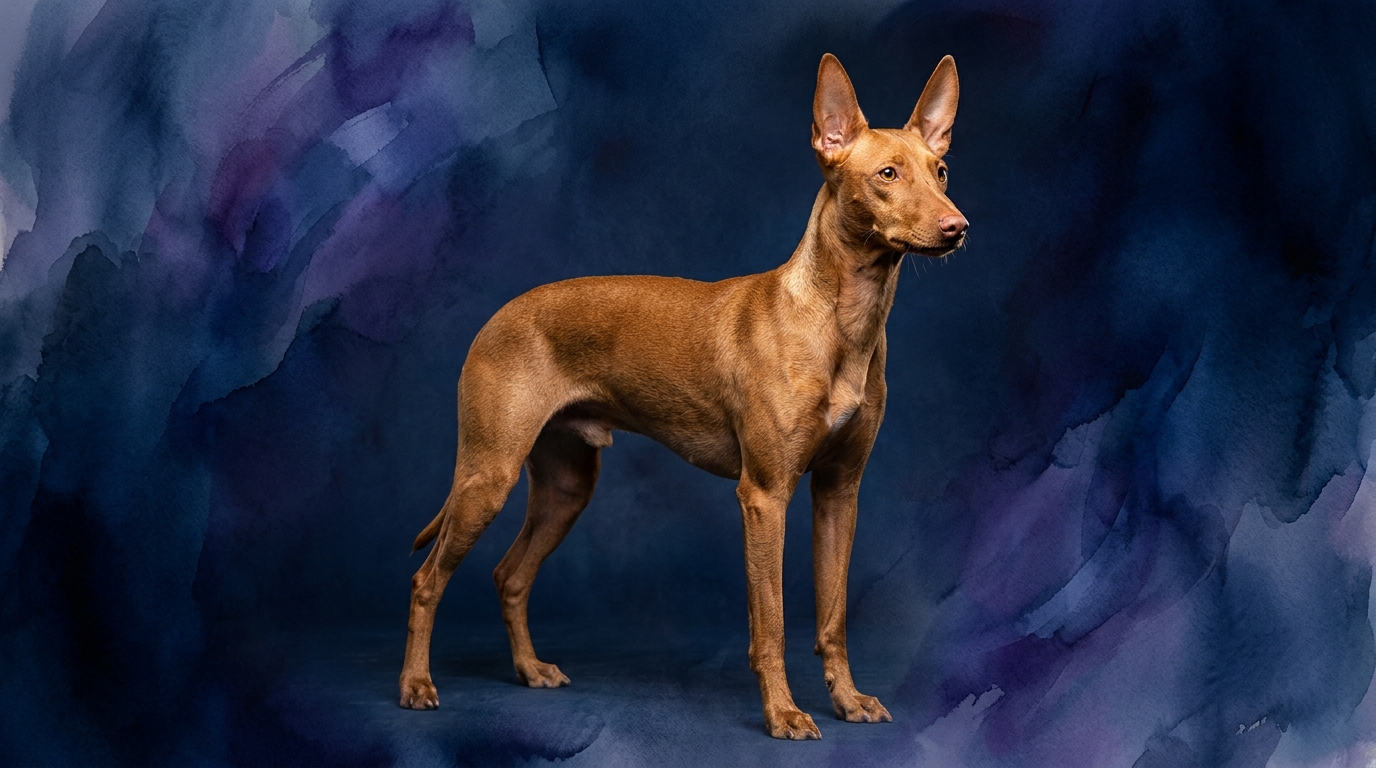
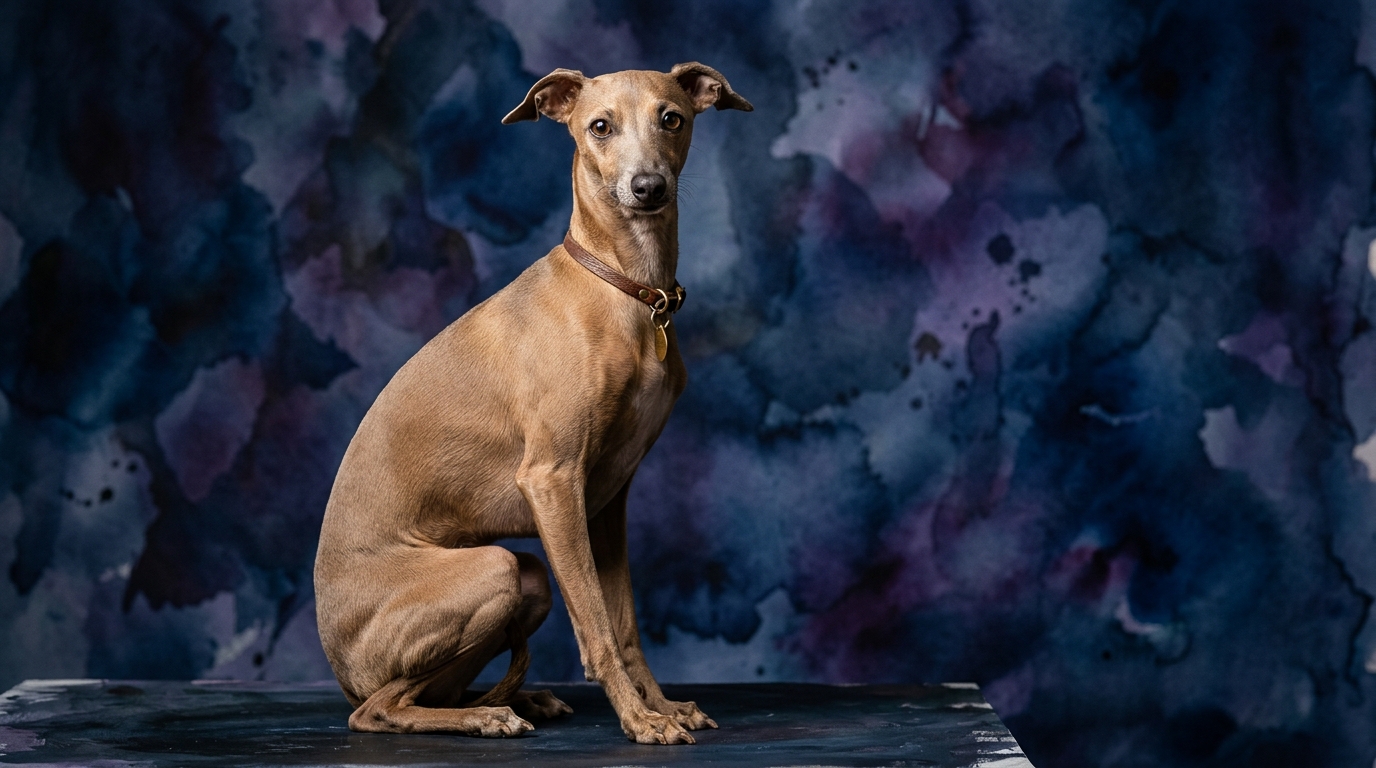
At The Cosmic Pet Pet IQ Lab, both the Cirneco dell'Etna and the Italian Greyhound score a consistent 3 out of 5 across all five evaluated cognitive dimensions. This identical numerical rating invites a deeper exploration into how these capacities manifest within their specific breed contexts, rather than suggesting identical brain function or behavioral output.
**Problem Solving (3/5):** A rating of 3 indicates a solid capacity for navigating new situations and overcoming obstacles. For the Cirneco dell'Etna, this often translates to an independent resourcefulness, such as methodically exploring a new environment or finding a workaround to access a desired object. Their historical role as nimble rabbit hunters on rugged terrain suggests a practical, often physically-oriented approach to challenges. The Italian Greyhound, while equally capable, might apply their problem-solving skills to more domesticated scenarios, like figuring out how to manipulate a blanket for optimal comfort or devising strategies to gain human attention or access to a favorite sunbeam. Their delicate build means their solutions are often less about brute force and more about clever manipulation or observation.
**Training Speed (3/5):** A 3/5 in training speed means both breeds learn new commands and routines at a moderate, steady pace. The Cirneco dell'Etna, with its sighthound independence, can grasp concepts well but might require consistent, engaging motivation that appeals to their natural drives. Repetition without purpose can be met with disinterest. The Italian Greyhound, being a sensitive toy breed, also learns effectively with positive reinforcement, but their delicate nature means they can become easily discouraged or shut down by harsh methods, requiring a gentle, encouraging approach to maintain their focus and enthusiasm for learning.
**Social Intelligence (3/5):** This score reflects a good understanding of human cues and appropriate interaction. The Cirneco dell'Etna, while often reserved with strangers, forms deep bonds with their family, reading subtle shifts in mood and tone within their trusted circle. Their awareness extends to their environment, making them alert to changes or new presences. The Italian Greyhound's social intelligence often manifests as an acute attunement to their primary human's emotional state, frequently seeking comfort or offering quiet companionship when sensing distress. They are adept at using body language and soft vocalizations to communicate their needs and desires, often appearing to anticipate their owner's next move.
**Instinctive Drive (3/5):** A 3/5 signifies a noticeable, but generally manageable, level of innate behaviors. For the Cirneco dell'Etna, this score strongly reflects their sighthound heritage; they possess a distinct prey drive, particularly for small, fast-moving objects, which can be a powerful motivator in play or lure coursing. This drive is often expressed as intense focus and sudden bursts of speed. The Italian Greyhound, despite their smaller stature, retains a clear sighthound instinctive drive. While less about sustained hunting and more about the thrill of the chase, they are prone to 'zoomies' and will enthusiastically pursue toys or small critters, demonstrating remarkable speed and agility in short bursts. Their drive is often directed towards interactive play and is a key part of their exercise needs.
**Memory (3/5):** Both breeds are rated 3/5 for memory, indicating a solid ability to recall learned information, routines, and past experiences. The Cirneco dell'Etna will remember training cues, familiar routes, and the locations of favored resting spots or hidden toys. Their memory serves their independent nature, allowing them to navigate complex environments or recall successful hunting strategies. The Italian Greyhound also demonstrates good recall for routines, people, and places. They often remember specific words or gestures associated with treats, walks, or cuddle time, and can hold grudges or remember negative experiences if not handled sensitively. Their memory contributes to their consistent companionship and ability to anticipate daily events.
Where Cirneco dell'Etna Wins Cognitively
The Cirneco dell'Etna's cognitive strengths often lie in their independent problem-solving, particularly in open or dynamic environments. Their historical role on rugged Sicilian terrain has likely honed a spatial awareness and navigational memory that allows them to confidently explore and adapt. A Cirneco might demonstrate superior persistence in figuring out how to access a slightly out-of-reach object or navigate a complex scent trail, drawing on their instinctive drive with an enduring focus. Their environmental alertness is also a notable cognitive asset; they are keenly aware of their surroundings, picking up on subtle changes that might escape a less observant breed, making them excellent, if quiet, guardians of their territory. Their physical hardiness also allows them to apply their cognitive efforts to more physically demanding tasks without being easily deterred.
Where Italian Greyhound Wins Cognitively
The Italian Greyhound's cognitive advantages often manifest in their nuanced social intelligence and adaptability to indoor living. Their sensitivity allows them to pick up on subtle human emotional cues with remarkable accuracy, often responding with affectionate gestures or seeking proximity when their owner is feeling down. This emotional attunement can be interpreted as a distinct cognitive edge in fostering deep human-animal bonds. They are also highly adept at learning complex household routines and anticipating daily events, often positioning themselves strategically for walks, meals, or cuddle sessions. Their smaller size and delicate nature also encourage a different kind of problem-solving, often involving cleverness and manipulation rather than raw strength, such as meticulously tunneling under blankets or finding the warmest, most comfortable spot in a room, demonstrating an advanced spatial awareness within their domestic sphere.
Which is Easier to Train and Why
Given their identical 3/5 training speed scores, neither breed is inherently 'easier' to train universally; rather, they respond best to different training approaches tailored to their core temperaments. The Cirneco dell'Etna, with its independent sighthound nature, requires a trainer who understands and respects their autonomy. They respond well to positive reinforcement, especially when it involves engaging their prey drive or offering high-value rewards for tasks that might not naturally appeal to them. Consistency is paramount, and patience is needed when their attention wanders to an interesting scent or sight. Housetraining can sometimes be a longer process due to their preference for outdoor elimination and robust bladder control.
The Italian Greyhound, while also learning at a moderate pace, thrives on gentle, positive reinforcement and a strong bond with their trainer. Their sensitivity means harsh corrections are counterproductive, potentially leading to fear or a shutdown in learning. They are eager to please their beloved humans but can be stubborn if they perceive a task as unpleasant or if they are not adequately motivated. Housetraining can be particularly challenging for IGs, not due to lack of understanding, but often because of their small bladders, aversion to cold or wet weather, and desire to stay close to their humans indoors. Success often requires frequent outdoor trips, consistent praise, and potentially pee pads for indoor emergencies.
Which Suits Active Owners vs. Relaxed Owners
The Cirneco dell'Etna is better suited for active owners who enjoy regular, vigorous exercise. While not requiring constant, high-intensity activity, they thrive with daily long walks, runs, or opportunities for off-leash sprinting in a secure area. Activities like lure coursing, agility, or even scent work can provide excellent mental and physical outlets, preventing boredom and channeling their natural drives constructively. Owners should be prepared for their independent nature and alertness, which means consistent training and secure containment are crucial.
The Italian Greyhound, conversely, can appeal to both moderately active and more relaxed owners, though their exercise needs are often misunderstood. They require bursts of intense activity – often called 'zoomies' – in a safe, enclosed space where they can sprint at full speed. However, these bursts are typically short-lived, followed by long periods of napping and cuddling. They are primarily indoor dogs who appreciate warmth and soft surfaces. Relaxed owners who enjoy quiet companionship, but are committed to providing daily opportunities for short, vigorous play or walks, will find the Italian Greyhound a delightful fit. They are not endurance athletes, but sprinters who appreciate comfort and closeness.
The Verdict
Choose the Cirneco dell'Etna if you're an active owner seeking an independent, alert companion for outdoor adventures and engaging, drive-based training. They offer a unique blend of ancient sighthound grace and robust, resourceful intelligence.
Opt for the Italian Greyhound if you desire a sensitive, affectionate companion who thrives on close human connection and enjoys both explosive sprints and extensive cuddle sessions. They are ideal for owners who appreciate subtle communication and a delicate, indoor-oriented presence.
🧠 Find Your Pet's IQ Score
Our Pet IQ Lab assessment covers 25+ tests across 5 cognitive dimensions — personalized to your breed.
Take the Full IQ Test →Frequently Asked Questions
Are Cirneco dell'Etna good with children?
Cirnechi can be good with respectful, older children who understand how to interact with dogs. Their independent nature means they might not tolerate rough play, so supervision is key to ensure positive interactions for both the dog and the child.
Do Italian Greyhounds bark a lot?
Italian Greyhounds are not typically excessive barkers, but they can be vocal when excited, anxious, or if they hear unfamiliar sounds. Their barks are generally high-pitched and can be quite piercing, so training to manage vocalizations is beneficial.
What kind of mental stimulation do these breeds need?
Both breeds benefit from puzzle toys, training sessions that challenge their problem-solving, and engaging play. Cirnechi appreciate activities that leverage their prey drive, like lure coursing, while IGs enjoy interactive games that involve chasing and short bursts of speed, as well as opportunities for close social interaction.