Side-by-Side: The IQ Profile
The Cosmic Pet Pet IQ Lab employs a five-dimensional framework to assess canine cognition, providing a nuanced understanding of each breed's mental strengths. For the German Shepherd, this framework reveals a consistent peak performance across all metrics, reflecting its history as a versatile working dog.
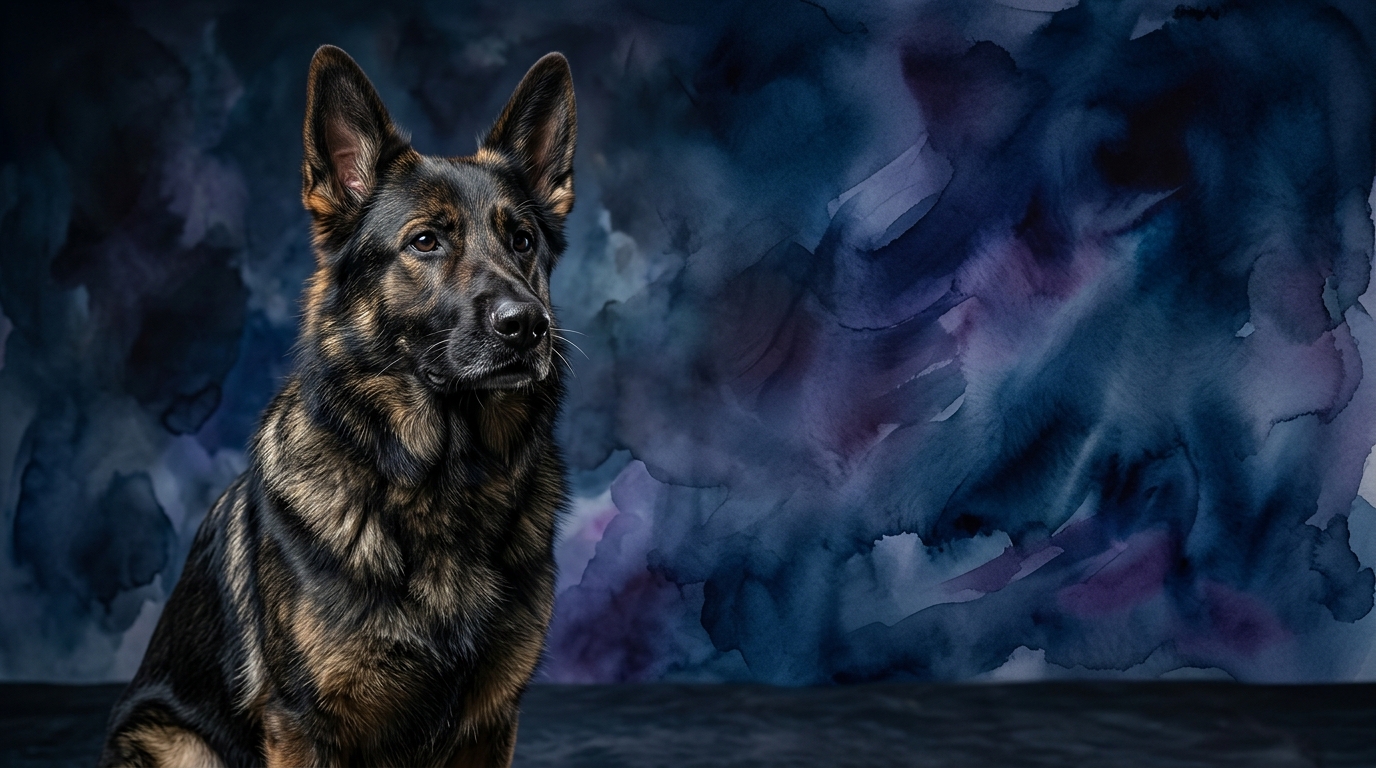
**German Shepherd (Coren Rank #3):** This breed registers a perfect 5/5 in Problem Solving, indicating an exceptional capacity to analyze and resolve complex situations, often independently. Its Training Speed also scores 5/5, meaning it typically grasps new commands and sequences with minimal repetition. Social Intelligence is rated 5/5, showcasing a profound ability to interpret human cues and intentions, fostering deep partnerships. An Instinctive Drive of 5/5 highlights a powerful innate motivation for tasks like herding or guarding, which can be readily channeled. Finally, its Memory is 5/5, ensuring consistent recall and retention of learned behaviors and experiences.
In contrast, the Cirneco dell'Etna, a lesser-known hound from Sicily, presents a different cognitive landscape, shaped by its role as an independent hunter. While not Coren-ranked, its profile offers insights into its specialized intellect.
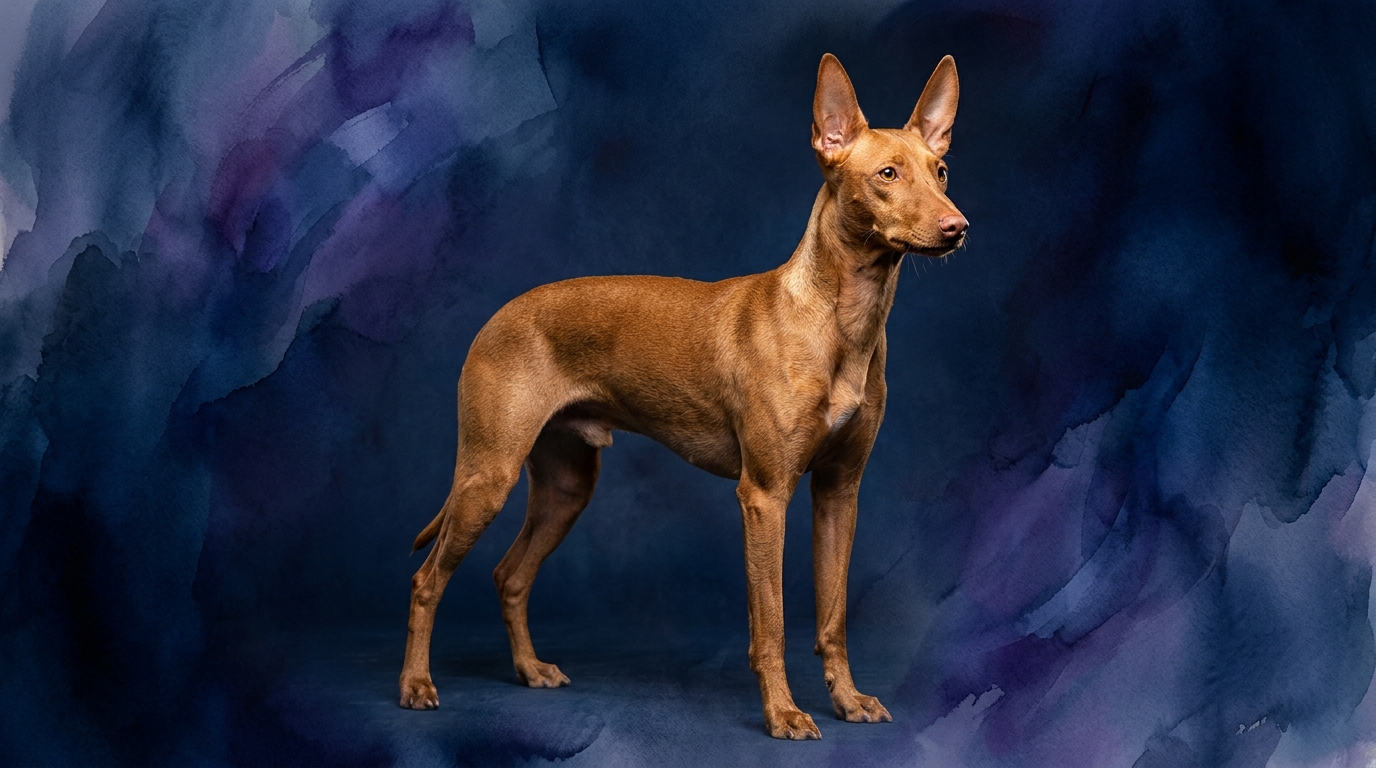
**Cirneco dell'Etna (Not Coren-ranked):** This breed scores 3/5 in Problem Solving, indicating an aptitude for practical, immediate solutions, particularly those related to navigating terrain or pursuing prey, rather than abstract puzzles. Its Training Speed is 3/5, suggesting it learns at a moderate pace, requiring more consistent, patient reinforcement. Social Intelligence also stands at 3/5, demonstrating an affectionate bond with its family but often maintaining a more independent demeanor, less overtly focused on constant human direction. The Instinctive Drive is 3/5, reflecting a strong, self-directed prey drive that is central to its heritage but may be less universally adaptable to human-assigned tasks. Its Memory is 3/5, indicating good retention for essential commands and routines, though perhaps not with the same depth or consistency as a breed designed for intricate, multi-stage work.
Where the German Shepherd Excels Cognitively
The German Shepherd's cognitive strengths are evident in its capacity for multi-layered task execution and decision-making under pressure. Its top scores in Problem Solving mean it can process and respond to dynamic environmental changes, making it adept at roles like search and rescue or police work, where novel situations demand quick, effective solutions. They don't just follow commands; they understand the objective.
Their superior Social Intelligence allows for an unparalleled depth of partnership. They readily anticipate human intent, respond to subtle body language, and are highly attuned to their handler's emotional state, making them exceptional service animals and loyal companions. This cognitive empathy is a cornerstone of their utility.
The German Shepherd's Training Speed is a testament to its neural plasticity and eagerness to engage in structured learning. This breed can acquire complex sequences of commands, perform discrimination tasks, and learn to generalize behaviors to new contexts with remarkable efficiency. This rapid assimilation of information contributes significantly to their versatility in various disciplines.
Furthermore, their robust Memory ensures that once a concept or command is learned, it is retained with high fidelity, reducing the need for constant re-training. This reliable recall is crucial for tasks requiring precision and consistency over extended periods, reinforcing their reputation as dependable working partners.
Where the Cirneco dell'Etna Shines Cognitively
The Cirneco dell'Etna's cognitive profile, while different, highlights a specialized brilliance rooted in its sighthound heritage. Its Problem Solving ability, rated 3/5, is geared towards independent, practical challenges. This breed excels at navigating varied terrain, identifying and tracking subtle movements, and making autonomous decisions in pursuit of prey, demonstrating a distinct form of environmental intelligence.
The Cirneco's Instinctive Drive, also 3/5, is a focused engine for its primary purpose: the hunt. This drive is not necessarily about pleasing a handler, but about the intrinsic motivation to pursue. This manifests as acute sensory perception – keen eyesight, excellent hearing, and a developed sense of smell – which are all critical cognitive tools for its original role.
Their moderate Social Intelligence means they form strong, affectionate bonds within their family unit, but often express this devotion with a quiet independence. They are not typically dogs that constantly seek direction; instead, they are self-contained companions who appreciate proximity and affection on their own terms, a trait that appeals to owners who value a less demanding social dynamic.
The Cirneco's Memory, at 3/5, is perfectly adequate for its needs, allowing it to remember critical routines, familiar people, and established boundaries. While they might require more repetition for abstract commands, they retain information vital for their daily life and safety, such as home location or the boundaries of a familiar, secure running space.
Training Ease: German Shepherd vs. Cirneco dell'Etna
When it comes to training, the German Shepherd generally presents a more straightforward experience due to its exceptional Training Speed and high Social Intelligence. Their inherent desire to work collaboratively with humans, combined with their rapid acquisition of new skills, means they often thrive in structured training environments. They benefit from clear guidance and consistent expectations, quickly integrating complex commands into their behavioral repertoire.
The Cirneco dell'Etna, with its 3/5 Training Speed and independent nature, typically requires a more patient and nuanced approach. Their strong instinctive prey drive means they can be easily distracted by environmental stimuli, and their focus might be more on self-directed exploration than on human instruction. Positive reinforcement is crucial, and training sessions often need to be shorter, engaging, and consistent to maintain their attention and build associations. Owners must understand that a Cirneco might not always see the immediate 'point' of a command if it doesn't align with their natural inclinations, requiring a different motivational strategy.
Real behavioral differences highlight this contrast: a German Shepherd might learn a complex agility course in a fraction of the time a Cirneco would, not because the Cirneco is 'less capable,' but because its cognitive priorities are different. The Cirneco might excel at independently tracking a rabbit through dense brush, a task that leverages its innate problem-solving and drive in a way a German Shepherd might not instinctively prioritize.
Owners: Active Pursuits vs. Relaxed Companionship
For active owners seeking a highly engaged and purposeful canine partner, the German Shepherd is an ideal match. Their boundless energy and cognitive capacity demand extensive mental and physical stimulation. They excel in dog sports like obedience, agility, protection work, and scent detection, thriving when given a 'job' to do. Owners must be prepared to commit significant time daily to exercise, advanced training, and interactive play to prevent boredom and channel their potent instinctive drives constructively.
The Cirneco dell'Etna, while agile and capable of bursts of speed, can suit owners who appreciate a more relaxed companionship once their exercise needs are met. They require opportunities for vigorous running in secure, fenced areas to satisfy their sighthound instincts, but are often content to lounge quietly indoors afterwards. Their independent streak means they are not constantly demanding attention or instruction, making them suitable for owners who enjoy a dog that can entertain itself while still cherishing family proximity. They are less suited to highly structured, competitive dog sports that require constant human direction, preferring activities that allow for more autonomy.
The Verdict: When to Choose Each Breed
The Verdict
Choose the German Shepherd if you seek an intensely engaged, highly trainable partner for advanced tasks, competitive sports, or dedicated service work, and are ready to provide consistent, rigorous mental and physical stimulation.
Opt for the Cirneco dell'Etna if you appreciate an independent, affectionate, and agile companion, are patient with training, and can offer secure spaces for them to express their natural sighthound running instincts, valuing a dog that is present but not constantly seeking direction.
🧠 Find Your Pet's IQ Score
Our Pet IQ Lab assessment covers 25+ tests across 5 cognitive dimensions — personalized to your breed.
Take the Full IQ Test →Frequently Asked Questions
Is the Cirneco dell'Etna a good family dog?
Yes, Cirnechi often form strong, affectionate bonds with their human families and are generally gentle with children. Their independent nature means they may not constantly seek interaction, but they enjoy being part of the household and are typically adaptable to various family dynamics.
Do German Shepherds require a lot of exercise?
German Shepherds require substantial daily exercise and mental engagement to prevent boredom and destructive behaviors. This includes vigorous walks, runs, training sessions, and interactive play, often for 1-2 hours or more, tailored to their individual energy levels.
Are Cirneco dell'Etna dogs difficult to train?
While not inherently difficult, Cirnechi can be more challenging to train than some other breeds due to their moderate training speed and strong, independent prey drive. They respond best to consistent, positive reinforcement methods and patient, engaging sessions that account for their sighthound instincts.