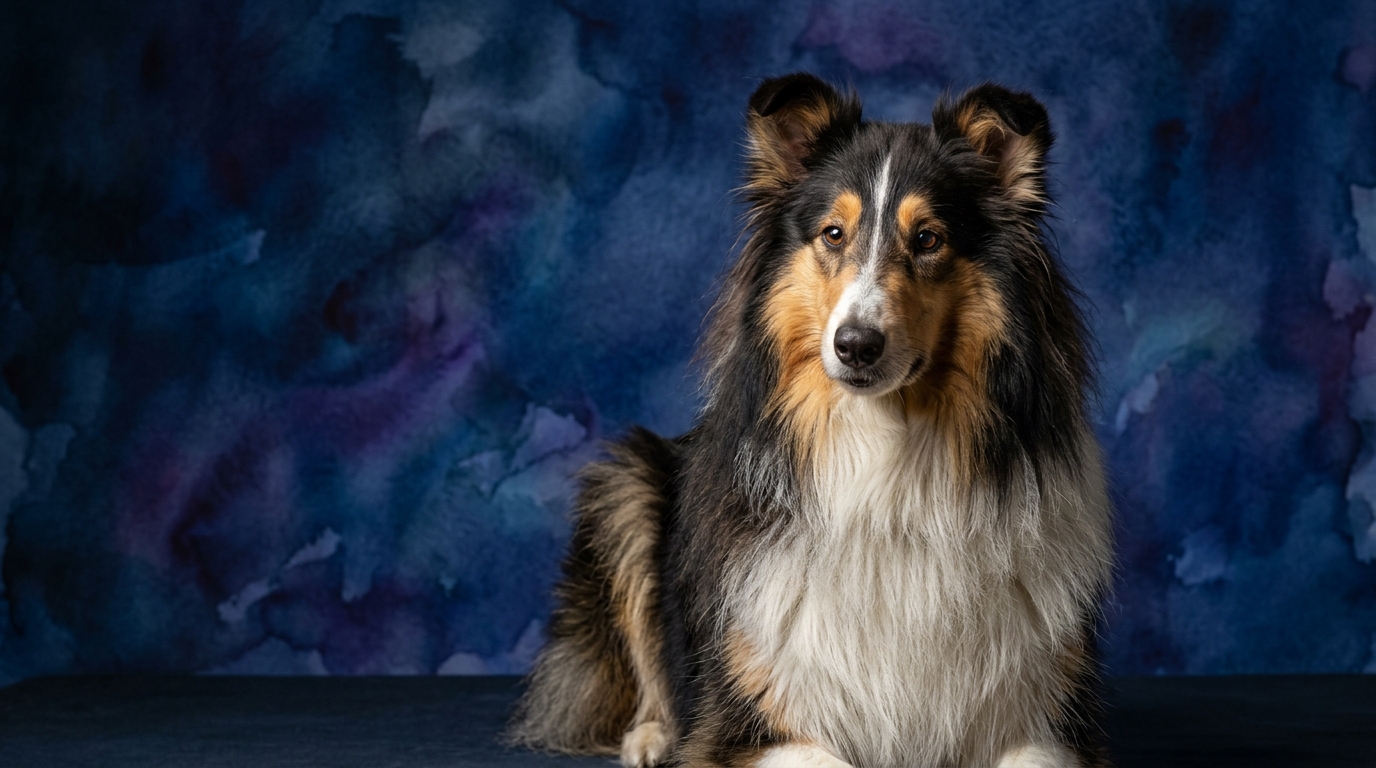
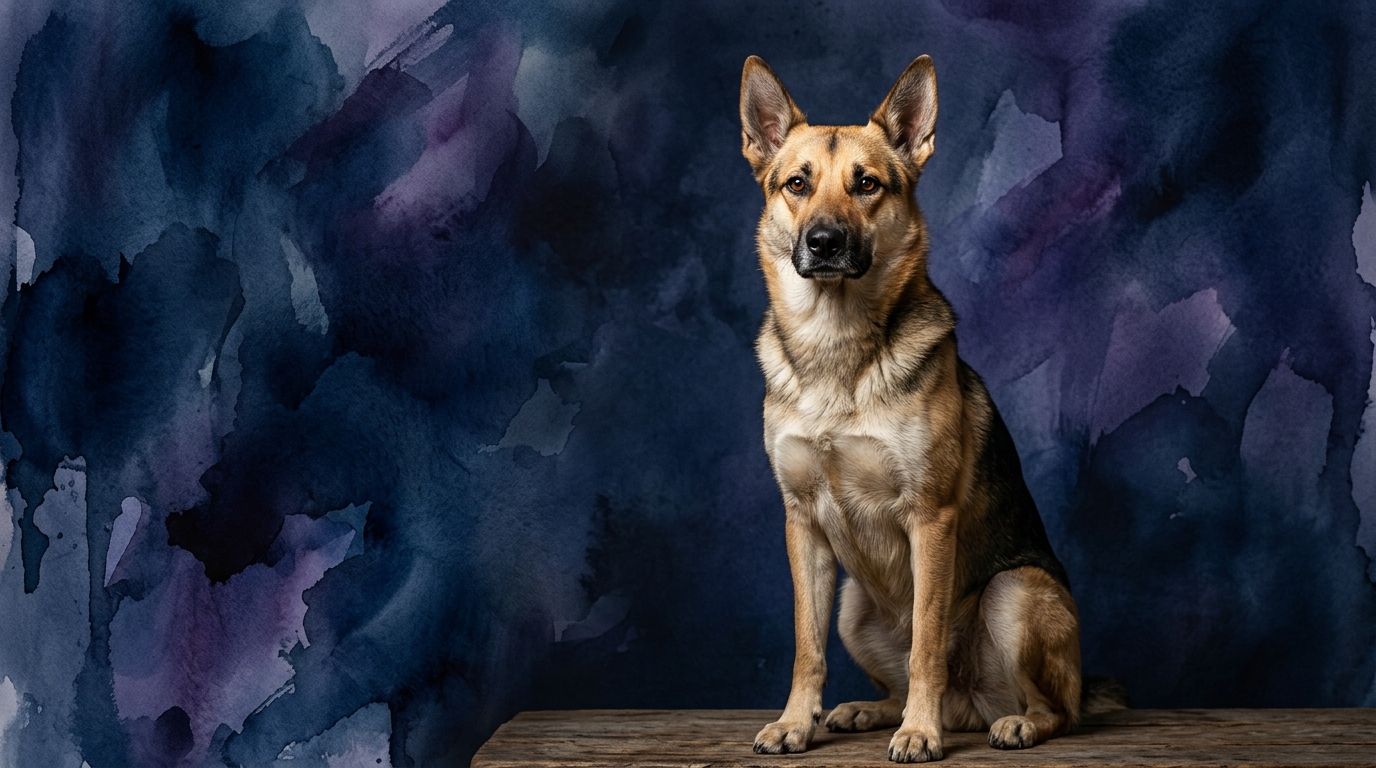
Side-by-Side Cognitive Profile
The Cosmic Pet Pet IQ Lab's framework allows us to dissect the mental faculties of the Collie (Rough) and the Canaan Dog across five critical dimensions, providing a nuanced understanding of their intellectual architecture. For the Collie (Rough), ranked #16 in comparative dog intelligence, its cognitive profile paints a picture of exceptional learning and retention. Its Problem Solving is rated 4/5, indicating a strong capacity to navigate novel situations and devise effective strategies, often demonstrating foresight in their actions. Training Speed also stands at 4/5, meaning these dogs typically grasp new commands and routines with remarkable alacrity, making them responsive learners. Their Social Intelligence, at 3/5, suggests a solid ability to interpret human cues and bond, though perhaps not with the profound intuitive depth seen in some other breeds. Instinctive Drive, also 3/5, points to a moderate but present inclination towards their herding heritage, manifesting as a desire to gather and manage, which can be channeled into various activities. Finally, their Memory is an outstanding 5/5, allowing them to recall complex sequences, past experiences, and learned behaviors over extended periods, contributing significantly to their trainability and consistency.
In contrast, the Canaan Dog, positioned at #43 in comparative dog intelligence, presents a cognitive profile shaped by its ancient role as a desert pariah and guardian, demanding self-reliance and acute environmental awareness. Its Problem Solving is rated 3/5, indicating practical intelligence focused on immediate environmental challenges and survival, rather than abstract puzzles. Training Speed, also 3/5, suggests they learn at a steady pace, requiring consistent and engaging methods to maintain focus and ensure retention. Social Intelligence matches the Collie at 3/5, reflecting their capacity for connection but often tempered by an inherent wariness towards strangers, a trait vital for their historical guardian role. Their Instinctive Drive, at 3/5, while also herding-oriented, often expresses itself through territoriality and independent decision-making rather than collaborative herding. The Canaan Dog’s Memory is a strong 4/5, enabling them to retain crucial information about their environment and social structure, though perhaps not with the same breadth or detail as the Collie (Rough).
Where the Collie (Rough) Wins Cognitively
The Collie (Rough) demonstrates a clear cognitive advantage in areas demanding rapid acquisition of information and long-term recall, primarily due to its superior Training Speed and exceptional Memory. A Collie’s 4/5 Training Speed means it can process and internalize new commands or complex routines significantly faster than a Canaan Dog’s 3/5. This translates into fewer repetitions needed during training sessions and a quicker progression through various skill levels, whether in obedience, agility, or service work. Their 5/5 Memory further solidifies this lead; a Collie is more likely to retain intricate sequences of commands or learned behaviors over extended periods, even after a break in training, allowing for a more consistent and reliable performance across diverse tasks.
Furthermore, the Collie’s Problem Solving at 4/5 often manifests as a proactive approach to novel situations, where they can independently assess a scenario and devise a solution, sometimes even anticipating human needs or intentions. This isn't just about following instructions; it's about applying learned principles to new contexts. For example, a Collie might figure out how to open a specific gate by observing its mechanism or retrieve a dropped item by navigating obstacles, demonstrating a more flexible and adaptive thought process compared to the Canaan Dog's more practical, immediate problem-solving approach.
Where the Canaan Dog Wins Cognitively
The Canaan Dog's cognitive strengths lie in its self-reliance and acute environmental awareness, attributes honed by centuries of independent living and guarding roles. While its Problem Solving is rated 3/5, it excels in practical, survival-oriented situations, making quick, independent decisions when human direction isn't present or viable. This breed often exhibits a nuanced understanding of its territory and surroundings, noticing subtle changes or potential threats that might go unnoticed by a more human-dependent breed. For instance, a Canaan Dog might instinctively identify an unfamiliar scent or sound from a distance and react appropriately to protect its domain, demonstrating a specialized form of situational problem-solving. Their 3/5 Instinctive Drive, while moderate, is deeply rooted in territorial vigilance and protective instincts, which translates into a cognitive framework that prioritizes security and self-preservation.
Their 4/5 Memory, though slightly lower than the Collie's, is robust for remembering environmental details, safe paths, and the social dynamics of their pack or family. This isn't just about remembering commands; it's about remembering who belongs, who doesn't, and the layout of their world. This memory, combined with their sharp senses, allows them to navigate complex outdoor environments with confidence and to assess social interactions with a discerning eye. They might not learn abstract tricks as quickly, but their ability to remember safe passages across challenging terrain or recall the subtle body language of a potential intruder is a specific cognitive triumph.
Which is Easier to Train and Why
Based on their cognitive profiles, the Collie (Rough) is generally easier to train than the Canaan Dog, primarily due to its superior Training Speed and Memory. A Collie's 4/5 Training Speed means it forms associations between commands and actions rapidly, often understanding what is expected after just a few repetitions. Their 5/5 Memory ensures these learned behaviors are retained with remarkable consistency, making training a more fluid and less repetitive process. For example, teaching a Collie a multi-step retrieve often involves fewer sessions and less frustration, as they quickly grasp the sequence and recall it reliably. Their eagerness to please and moderate Instinctive Drive (3/5) also makes them more inclined to work collaboratively with their human partners, often responding to subtle cues and maintaining focus during extended training periods.
The Canaan Dog, with a 3/5 Training Speed and a more independent nature, requires a different approach. While capable of learning, they often need more repetition and highly motivating rewards to engrain behaviors. Their historical role as independent guardians means they are predisposed to making their own decisions, which can sometimes be perceived as stubbornness in a training context. For instance, a Canaan Dog might understand a 'stay' command but choose to break it if they perceive a more pressing environmental concern, such as a squirrel or an unfamiliar person approaching. Their social intelligence, while solid, doesn't always translate into a strong desire for constant human validation during training; they are more likely to perform a task if it makes sense to them or offers a tangible reward, rather than solely for praise. Training a Canaan Dog demands patience, consistency, and a deep understanding of their independent spirit, focusing on building a strong, respectful partnership rather than strict obedience.
Which Suits Active Owners vs Relaxed Owners
The Collie (Rough) generally suits active owners who enjoy engaging in structured activities and mental challenges with their dog. Their moderate Instinctive Drive (3/5) for herding, combined with their problem-solving aptitude (4/5) and need for mental stimulation, means they thrive when given a job or regular tasks. They excel in dog sports like agility, obedience, and rally, which provide both physical exertion and cognitive engagement. Owners who are committed to daily walks, interactive play, and consistent training sessions will find the Collie to be a highly responsive and fulfilling companion. A relaxed owner who offers minimal mental or physical outlets might find a Collie becoming bored, potentially leading to undesirable behaviors born of under-stimulation, such as excessive barking or destructive chewing.
The Canaan Dog, while also needing activity, suits owners who appreciate a dog with an independent streak and are prepared for less structured engagement, though still active. Their historical role as a self-sufficient guardian means they possess remarkable stamina and resilience, enjoying long hikes, exploring varied terrain, and having a secure yard to patrol. While they can participate in dog sports, their motivation often stems from their own interest rather than a strong desire to please, making consistent high-level performance more challenging. A relaxed owner who expects a dog to be a couch potato might struggle with a Canaan Dog's need for purposeful outdoor time and mental engagement related to their surroundings. However, for an active owner who understands and respects their independent nature, providing opportunities for exploration and guarding, the Canaan Dog can be an incredibly loyal and robust companion, content with less formal 'work' but requiring substantial physical and sensory input from their environment.
The Verdict
Choose a Collie (Rough) if you seek a highly trainable, responsive companion eager to engage in structured activities and master complex tasks quickly, thriving on consistent interaction and mental challenges.
Opt for a Canaan Dog if you appreciate an independent, resilient dog with a strong territorial instinct and practical intelligence, valuing their self-reliance and willingness to explore diverse environments with you.
🧠 Find Your Pet's IQ Score
Our Pet IQ Lab assessment covers 25+ tests across 5 cognitive dimensions — personalized to your breed.
Take the Full IQ Test →Frequently Asked Questions
Are Collies (Rough) good for first-time dog owners?
Yes, Collies (Rough) can be excellent for first-time dog owners due to their high trainability (4/5 Training Speed) and eagerness to please. Their strong memory (5/5) helps them retain lessons, making the learning process smoother for both dog and owner, provided they receive consistent guidance.
Do Canaan Dogs bark a lot?
Canaan Dogs, with their strong guardian instincts, can be prone to barking, especially when alerting their owners to perceived threats or unfamiliar situations. Their keen environmental awareness means they are quick to notice changes, making them effective watchdogs, though this trait requires management through training and socialization.
Which breed is better with children?
Both breeds can be good with children, but their approaches differ. Collies (Rough) often show a gentle, patient nature and are more inclined to participate in games, making them a natural fit for family life. Canaan Dogs can be very loyal to their family, including children, but their independent and sometimes wary nature means they require careful socialization from a young age and supervision with new or boisterous children.