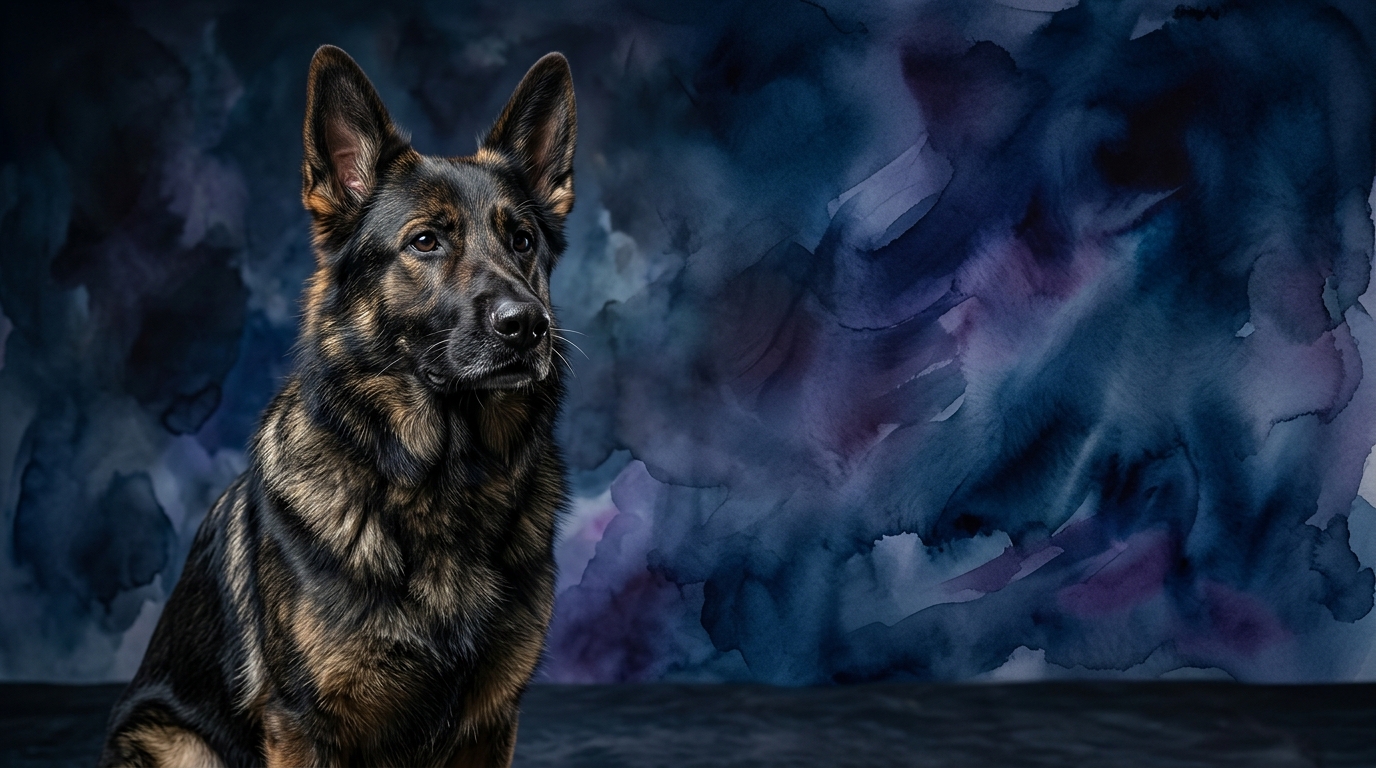
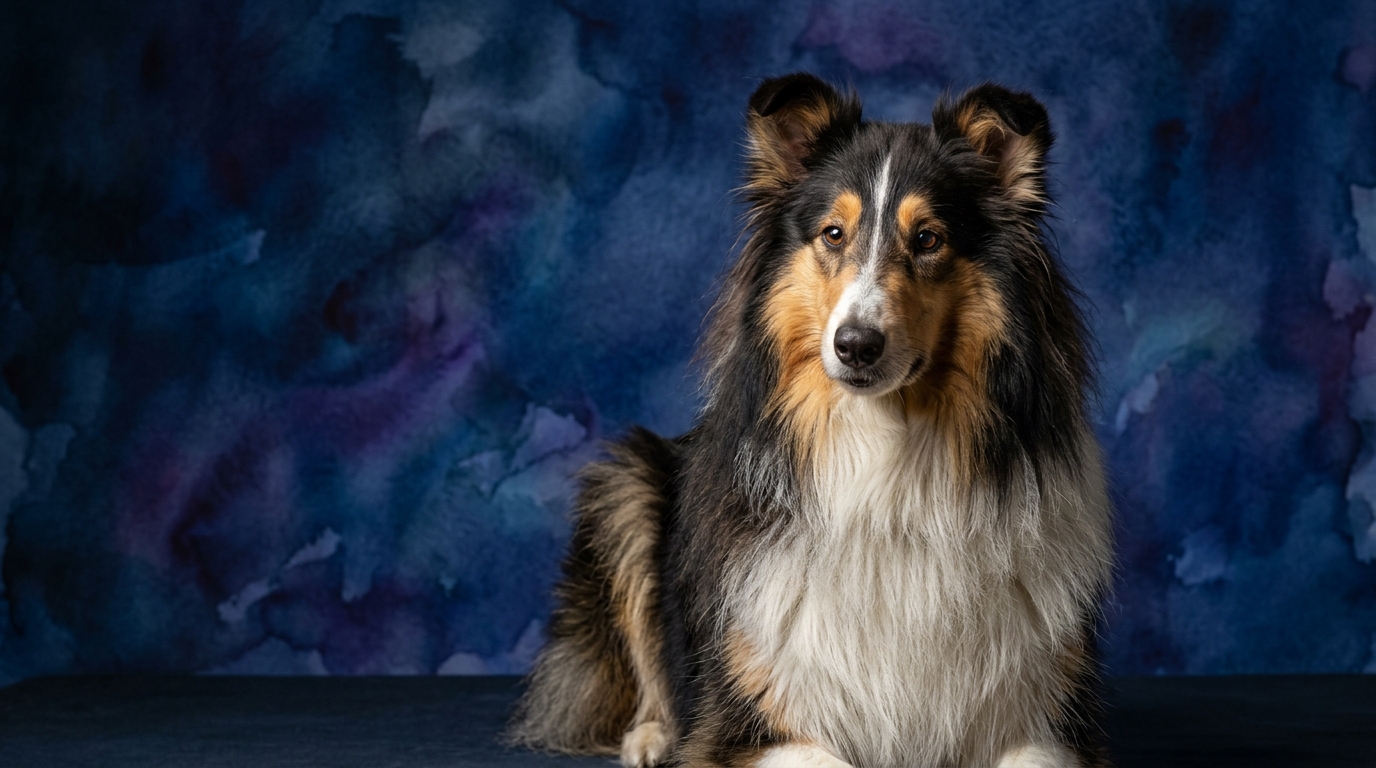
Side-by-Side IQ Profile: German Shepherd vs. Collie (Rough)
This breed showcases a comprehensive cognitive prowess, scoring 5/5 across problem-solving, training speed, social intelligence, instinctive drive, and memory. Their problem-solving acumen means they don't just follow instructions but actively analyze and adapt, making them exceptional at complex tasks and independent decision-making. Coupled with a 5/5 training speed, they absorb new commands and multi-step sequences with remarkable efficiency, often requiring minimal repetition due to their intense focus and desire to engage. Their 5/5 social intelligence allows for a profound connection, enabling them to interpret subtle cues and emotional states, underpinning their loyalty. A 5/5 instinctive drive fuels their inherent desire to work, while their 5/5 memory ensures steadfast retention of all learned behaviors.
The Rough Collie presents a distinct cognitive blueprint, achieving a 4/5 in problem-solving and training speed, a 3/5 in social intelligence and instinctive drive, but matching the German Shepherd with a 5/5 in memory. Their 4/5 problem-solving indicates a strong capacity to understand and navigate challenges, leading to a 4/5 training speed where they learn readily with clear, consistent instruction. With a 3/5 in social intelligence, Collies connect deeply but may exhibit a more reserved demeanor, sensitive to their environment. Their 3/5 instinctive drive means herding instincts are present yet typically less intense, making them less prone to obsessive task-seeking. Crucially, their 5/5 memory ensures all lessons and experiences are retained with impressive longevity.
Where the German Shepherd Wins Cognitively
The German Shepherd's cognitive profile, marked by multiple 5/5 scores, gives it a distinct advantage in roles requiring independent decision-making under pressure and rapid adaptability. Their 5/5 problem-solving and instinctive drive mean they are proactive, capable of assessing dynamic situations and formulating solutions without constant human input. This proactive intelligence, combined with potent drive, enables them to excel in high-stakes environments where quick, accurate cognitive processing is paramount.
Furthermore, their superior social intelligence (5/5) allows for unparalleled synchronicity with a handler, making them exceptionally intuitive partners in service work, police duties, or competitive sports. They read human intentions with remarkable precision, translating into a seamless working relationship. This cognitive harmony, coupled with rapid training acquisition (5/5), means they master intricate tasks and adapt to new protocols faster, making them preferred for demanding professional applications where cognitive versatility and immediate responsiveness are critical.
Where the Collie (Rough) Wins Cognitively
While the German Shepherd boasts a broader spectrum of 5/5 scores, the Rough Collie's cognitive strengths lie in a different, yet equally valuable, configuration, particularly highlighted by its 5/5 memory. This exceptional memory, combined with its 4/5 problem-solving, means a Collie can reliably recall complex sequences and learned behaviors over long periods, making them incredibly consistent in established routines. For tasks requiring steadfast adherence to a learned pattern, their memory ensures dependable performance without frequent refreshers.
Moreover, the Collie's 3/5 instinctive drive and social intelligence, while lower, translate into unique cognitive advantages for certain living situations. Their less intense drive means they are less likely to become restless or destructive if not constantly engaged in demanding work, offering a more tranquil presence. Their social intelligence fosters deep, sensitive bonds without the intense need for constant interaction or leadership challenges. This specific cognitive balance makes them adept at being gentle, observant family members who remember every lesson and interaction.
Which is Easier to Train and Why
Based on the Cosmic Pet Pet IQ Lab scores, the German Shepherd (5/5 training speed) is generally easier and faster to train than the Collie (Rough) (4/5 training speed). This difference stems directly from their underlying cognitive profiles. The German Shepherd's 5/5 problem-solving ability means they grasp concepts quickly, often anticipating what is expected of them, while their 5/5 social intelligence makes them exceptionally keen on pleasing their handler and understanding subtle commands.
Furthermore, the German Shepherd's powerful 5/5 instinctive drive means they possess an inherent desire to work and learn, providing a strong internal motivation that can be readily channeled into training. This combination of rapid comprehension, strong social engagement, and high intrinsic drive allows them to absorb and execute new commands with remarkable speed and precision, often requiring fewer repetitions and responding well to complex, multi-step instructions. The Collie, while a capable learner, may require more patience and consistent reinforcement due to its slightly lower scores in these areas.
Which Suits Active Owners vs. Relaxed Owners
The German Shepherd, with its 5/5 instinctive drive, 5/5 problem-solving, and 5/5 social intelligence, unequivocally suits active, engaged owners who are prepared to provide substantial mental and physical stimulation. These dogs thrive on purpose and require consistent engagement in activities such as advanced obedience, protection sports, agility, or working roles. An owner who enjoys structured training, outdoor adventures, and sees their dog as a true working partner will find the German Shepherd's cognitive profile a perfect match, as it demands an outlet for its considerable mental and physical energies.
Conversely, the Collie (Rough), with its 3/5 instinctive drive and social intelligence, coupled with a 4/5 in problem-solving, is generally better suited for owners seeking a more relaxed yet still interactive companion. While they still enjoy walks and playtime, their overall demand for intense, structured work is lower. They are content with regular family interaction, moderate exercise, and consistent, gentle training. Owners who appreciate a sensitive, observant companion that is less prone to intense work-seeking behaviors and enjoys a more harmonious, less demanding daily routine will find the Collie's cognitive setup aligns well with their lifestyle.
The Verdict
Opt for a German Shepherd if you are an experienced, active owner seeking a highly trainable, versatile working partner for demanding roles like protection, service, or advanced competitive dog sports, where independent problem-solving and intense drive are paramount.
Select a Collie (Rough) if you desire a gentle, devoted family companion with excellent memory and a less intense work drive, suitable for a moderately active lifestyle and consistent, patient training, thriving on harmony and routine.
🧠 Find Your Pet's IQ Score
Our Pet IQ Lab assessment covers 25+ tests across 5 cognitive dimensions — personalized to your breed.
Take the Full IQ Test →Frequently Asked Questions
Does a German Shepherd's higher social intelligence make it better with children?
A German Shepherd's 5/5 social intelligence means they are highly attuned to human emotions and cues, which can translate to excellent understanding and protective instincts around children, provided they are well-socialized and trained. Their intense drive means supervision is always key to ensure appropriate interactions.
Is a Collie (Rough)'s 3/5 instinctive drive a disadvantage for a working dog?
Not necessarily a disadvantage, but it means their working style is different. While they possess herding instincts, their 3/5 drive suggests they may not seek out work with the same intensity or endurance as a 5/5 drive breed, making them more suited to less demanding or more intermittent herding tasks rather than constant, high-pressure work.
How does a 5/5 memory in both breeds manifest differently given their other IQ scores?
Both breeds retain information exceptionally well, but the context differs. A German Shepherd's 5/5 memory combined with 5/5 problem-solving and drive means they remember complex strategies and apply them dynamically. A Collie's 5/5 memory combined with 4/5 problem-solving and 3/5 drive means they excel at remembering established routines and consistent behaviors with remarkable reliability, making them excellent at tasks requiring steadfast recall rather than constant innovation.