A Side-by-Side Cognitive Blueprint
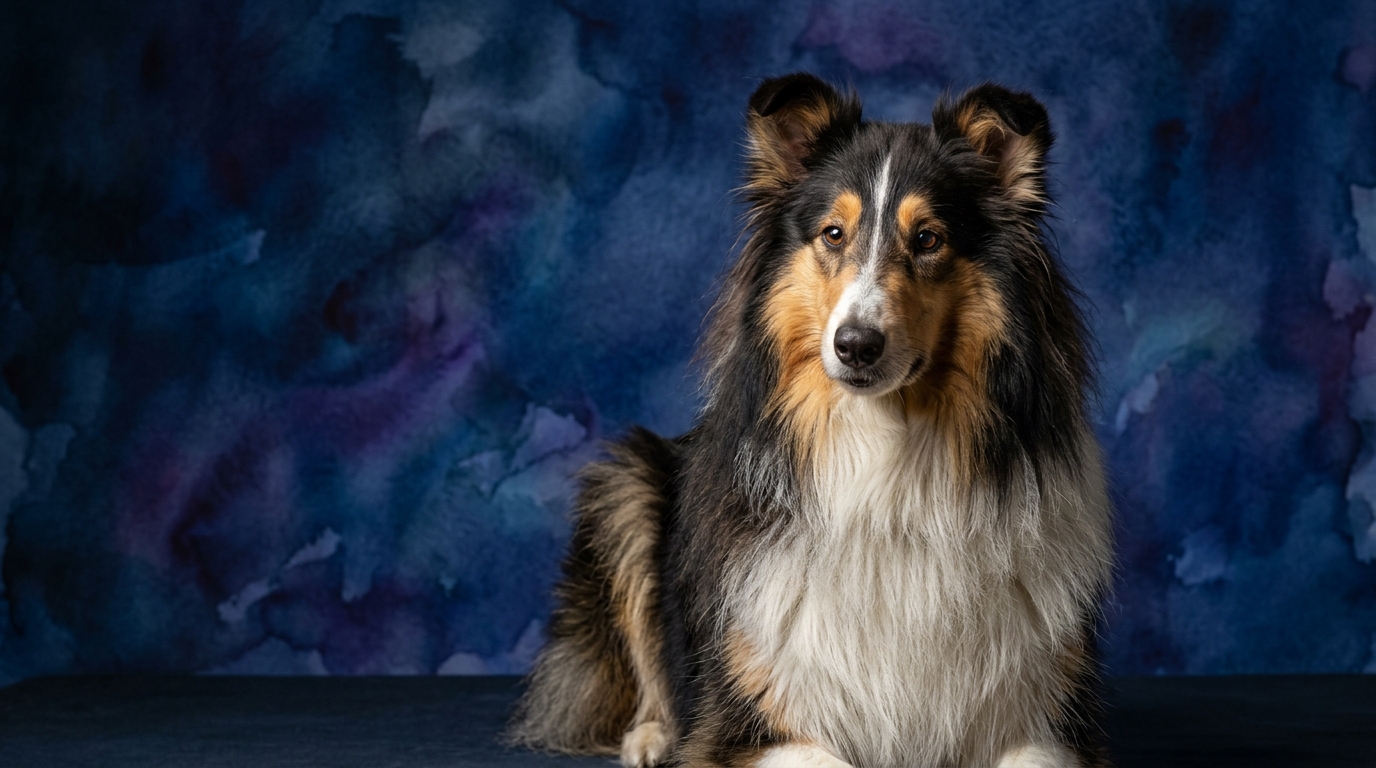
The Cosmic Pet Pet IQ Lab employs five key dimensions to map a breed's cognitive profile, offering a nuanced view beyond simple rankings. For the Collie (Rough), this profile paints a picture of a mentally agile and responsive companion. Their Problem Solving score of 4/5 reflects an aptitude for navigating complex situations and devising solutions, a critical trait for a breed historically tasked with managing livestock. This cognitive flexibility allows them to adapt quickly to new challenges, whether it's learning a new trick or figuring out how to open a gate. Their Training Speed, also 4/5, indicates a breed eager and quick to grasp new commands and routines, making them highly receptive to instruction. When it comes to Social Intelligence, the Collie scores 3/5, suggesting a solid understanding of human and canine social cues, capable of forming strong bonds and interacting appropriately within their family unit. Their Instinctive Drive, at 3/5, points to a moderate but present inclination towards their ancestral herding behaviors, which can manifest as a desire to gather or organize. Crucially, their Memory score of 5/5 stands out, signifying an exceptional ability to retain information, from learned commands to past experiences, contributing to their consistent performance and reliability.
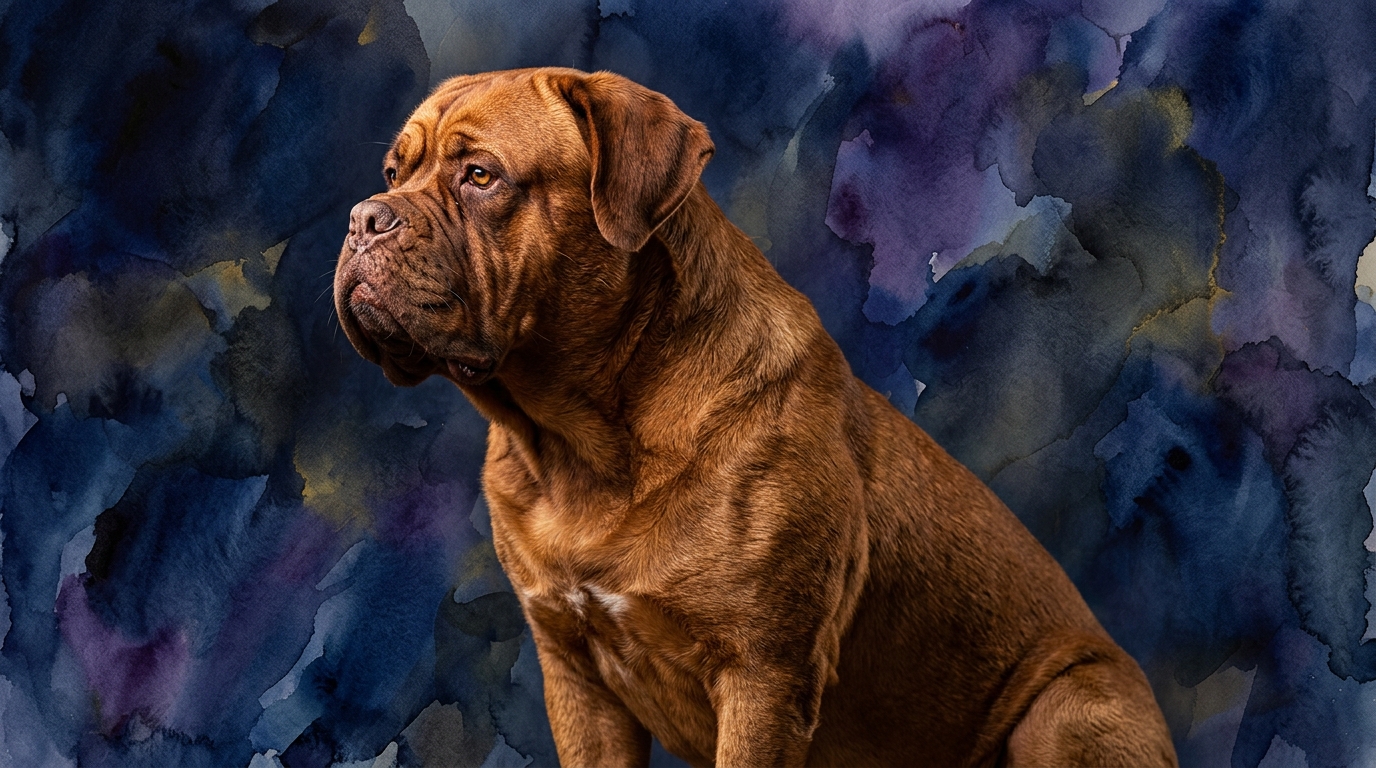
In contrast, the Dogue de Bordeaux presents a different cognitive signature, reflecting its history as a guardian and companion. Unranked by Coren, its IQ scores offer a direct insight into its mental makeup. The Dogue's Problem Solving ability is rated 3/5, indicating a capacity for logical thought and finding solutions, though perhaps with a more deliberate, less frantic approach than some breeds. This means they can resolve issues, but might take their time to process and react. Their Training Speed, also 3/5, suggests they learn at a steady, reliable pace. While not as rapid as some, once a Dogue learns a command, it tends to be deeply ingrained, requiring patience but resulting in lasting understanding. Social Intelligence for the Dogue de Bordeaux is 3/5, much like the Collie, indicating a good awareness of social dynamics and an ability to form deep, loyal connections with their chosen family. Their Instinctive Drive, similarly 3/5, points to a balanced protective instinct, present and reliable without being overly reactive or prone to neuroticism; their drive is geared towards vigilance and companionship rather than intense task completion. The Dogue's Memory score of 3/5 suggests a functional retention of information, sufficient for daily routines and recognizing familiar faces, providing consistency without the need for constant mental gymnastics.
Where the Collie (Rough) Demonstrates Cognitive Strengths
The Collie (Rough) excels particularly in areas demanding rapid cognitive processing and retention, a direct legacy of their herding ancestry. Their Problem Solving score of 4/5 means they are not just reactive but proactive, capable of assessing situations and formulating a plan. Imagine a Collie quickly figuring out how to navigate a complex agility course or understanding a sequence of commands to retrieve a specific item; this isn't mere obedience but active mental engagement. This aptitude for quick decision-making under pressure was vital for managing livestock, where a moment's hesitation could mean a lost sheep or a scattered flock. This translates into a dog that enjoys mental challenges and thrives on opportunities to use its intellect to solve puzzles or learn intricate routines.
Furthermore, the Collie's exceptional Memory, scoring a perfect 5/5, provides a significant cognitive advantage. This isn't just about remembering where the treats are; it means they can recall a vast repertoire of commands, remember specific experiences, and recognize patterns with remarkable clarity. This superior recall contributes directly to their Training Speed of 4/5, as they can quickly build upon previously learned concepts and retain complex sequences over time. An owner might find a Collie remembering a command taught months ago with little refresher, or recalling a specific route taken only once before. This robust memory underpins their reliability and responsiveness, making them highly consistent performers in various tasks and activities, from competitive obedience to intricate trick training.
Where the Dogue de Bordeaux's Cognition Shines
While the Dogue de Bordeaux's individual scores might not reach the rapid-fire levels of a Collie, their cognitive profile presents distinct advantages suited to their historical purpose and temperament. Their Problem Solving at 3/5 is characterized by a more deliberate, thoughtful approach. Instead of quick, agile reactions, a Dogue might take a moment to assess a situation, leading to a measured and often robust solution. This composure is a cognitive strength for a guardian breed, allowing them to remain calm under pressure and make discerning judgments rather than impulsive ones, especially in situations requiring a steady presence.
The Dogue's Social Intelligence and Instinctive Drive, both scoring 3/5, highlight a cognitive strength in their capacity for deep, unwavering loyalty and discerning protective instincts. Their social understanding is geared towards forming profound bonds with their family, often displaying a patient and tolerant demeanor, particularly with children. This isn't a reactive social intelligence; it's one of steadfast companionship and reliable watchfulness. Their instinctive drive, while not for herding, is perfectly aligned with their role as a guardian, suggesting a cognitive framework that prioritizes vigilance and a calm, deliberate response to perceived threats within their home environment, rather than an overzealous or easily distracted nature. This cognitive balance allows them to be profoundly devoted protectors without constant stimulation.
Training: Ease and Expectations
When considering ease of training, the Collie (Rough) generally presents a smoother path for most owners. Their Training Speed of 4/5, coupled with their exceptional Memory (5/5), means they typically pick up new commands and routines quickly and retain them with remarkable consistency. They are often eager to please and respond well to positive reinforcement, making training sessions engaging and productive. Behavioral differences like their innate desire to work and their high problem-solving aptitude mean they thrive on mental stimulation and respond positively to structured learning, often anticipating what is expected of them.
The Dogue de Bordeaux, with a Training Speed of 3/5 and Memory of 3/5, requires a different approach marked by patience and consistency. While they are certainly capable of learning, they may not grasp concepts as rapidly as a Collie and might require more repetitions to solidify new behaviors. Their working breed heritage often means they can be independent thinkers, which, while not stubbornness, can translate to a need for clear, fair, and consistent leadership. Owners should expect a steady learning curve and celebrate incremental progress, understanding that once a Dogue has learned something, it is often deeply ingrained. Their training is less about speed and more about building a strong, trusting relationship where clear communication is paramount.
Lifestyle Suitability: Active Minds vs. Composed Companions
For active owners seeking a canine partner for diverse activities, the Collie (Rough) is often an ideal match. Their 4/5 Problem Solving and 3/5 Instinctive Drive mean they possess both the mental acumen and the inherent desire for engagement. They thrive on having a job to do, whether it's participating in agility, obedience, herding trials, or simply learning complex tricks. An active owner can channel the Collie's cognitive energy into structured exercise and mental challenges, preventing boredom and ensuring a well-adjusted companion. Their love for learning and ability to retain information makes them excellent candidates for advanced training and canine sports, requiring an owner who can consistently provide intellectual and physical outlets.
Conversely, the Dogue de Bordeaux is better suited for owners who appreciate a more relaxed, yet engaged, companionship. Their moderate Problem Solving (3/5) and Instinctive Drive (3/5) suggest a dog that enjoys presence and routine without the intense need for constant high-level mental or physical tasks. While they still require regular exercise and mental engagement to prevent boredom, their needs are typically less demanding than a Collie's. A relaxed owner can enjoy the Dogue's calm demeanor and profound loyalty, providing comfortable walks, consistent training, and ample cuddle time. They are content being a steadfast presence, requiring an owner who values a quiet, devoted companion and understands that their cognitive strengths lie in their composed watchfulness and deep family bonds, rather than relentless activity.
The Verdict
Choose the Collie (Rough) if you are an active owner seeking a highly trainable, mentally agile companion eager for complex tasks and consistent engagement.
Opt for the Dogue de Bordeaux if you are a relaxed owner desiring a deeply loyal, composed, and steadfast companion who thrives on routine and deliberate interaction.
🧠 Find Your Pet's IQ Score
Our Pet IQ Lab assessment covers 25+ tests across 5 cognitive dimensions — personalized to your breed.
Take the Full IQ Test →Frequently Asked Questions
Do Collie (Rough) dogs require a lot of mental stimulation?
Yes, Collies (Rough) possess a high Problem Solving score (4/5) and exceptional Memory (5/5), meaning they thrive on regular mental challenges. Without adequate stimulation, they can become bored or develop unwanted behaviors, so engaging them with puzzles, training, or 'jobs' is crucial.
Is the Dogue de Bordeaux difficult to train due to its lower training speed score?
While the Dogue de Bordeaux has a Training Speed of 3/5, indicating they learn at a steady pace, they are not difficult to train, but require patience and consistency. Once they grasp a concept, their learning is often deeply ingrained, making them reliable companions with consistent effort.
Which breed is better with children, based on their social intelligence?
Both breeds score 3/5 in Social Intelligence, suggesting a solid capacity for social interaction. The Collie's gentle nature and the Dogue's calm, protective demeanor can make both good with children, provided they are properly socialized and supervised, reflecting their ability to understand and adapt to family dynamics.