A Detailed Look at Their Cognitive Blueprints
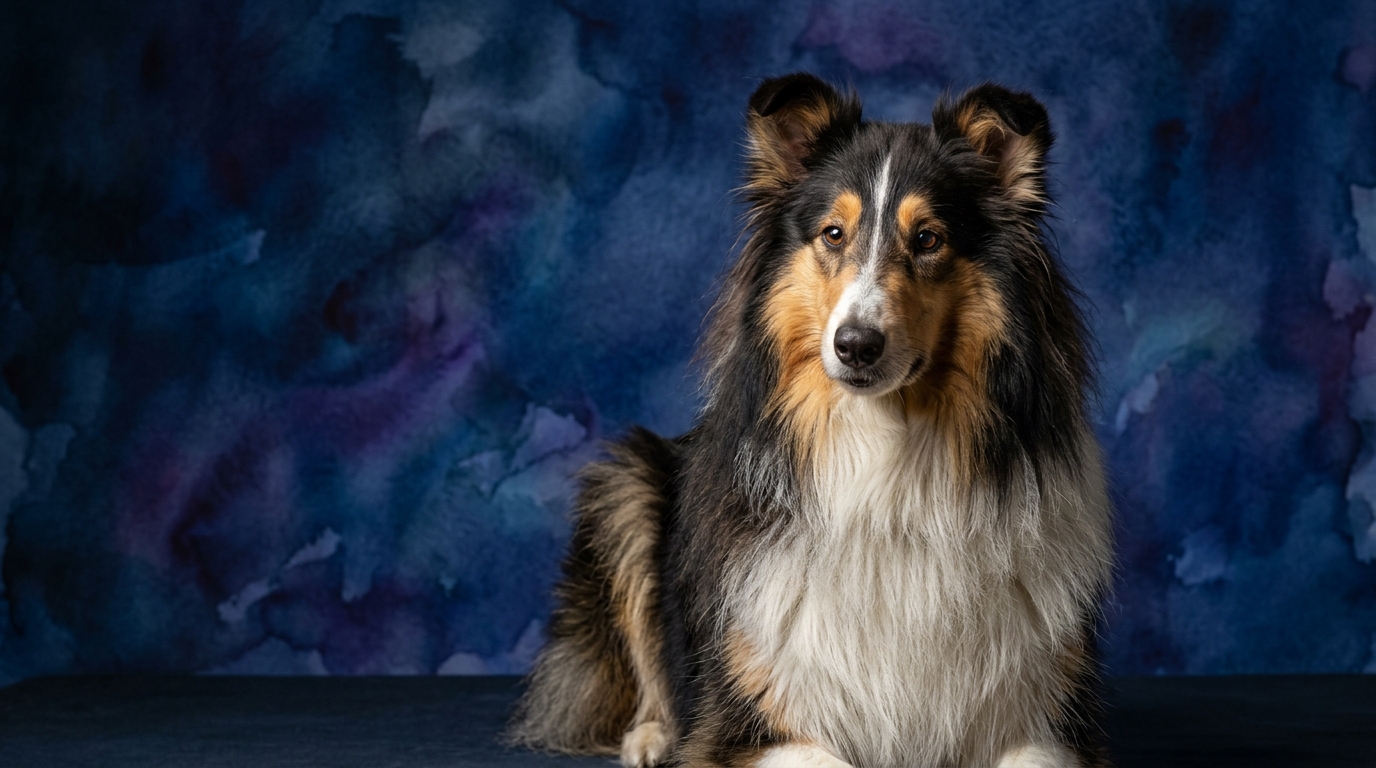
The Cosmic Pet Pet IQ Lab provides a nuanced framework for understanding canine cognition across five distinct dimensions. For the Collie (Rough), a breed historically valued for its partnership with shepherds, this framework highlights a particular set of strengths.
**Collie (Rough) IQ Profile:** When it comes to **Problem Solving**, the Collie (Rough) scores a robust 4/5, indicating an impressive capacity to assess novel situations and devise effective solutions, often demonstrating ingenuity beyond simple trial-and-error. Their **Training Speed** is equally strong at 4/5, reflecting a keen eagerness to learn and rapidly assimilate new commands and routines, making them highly responsive pupils. Their **Social Intelligence** registers at 3/5, meaning they are adept at reading human cues and emotions, though they can be reserved or discerning with strangers. The **Instinctive Drive** is a moderate 3/5, present enough to manifest in occasional herding behaviors but generally well-integrated into a family environment. Finally, their **Memory** is exceptional, earning a perfect 5/5, allowing them to retain a vast repertoire of commands, past experiences, and learned associations over long periods.
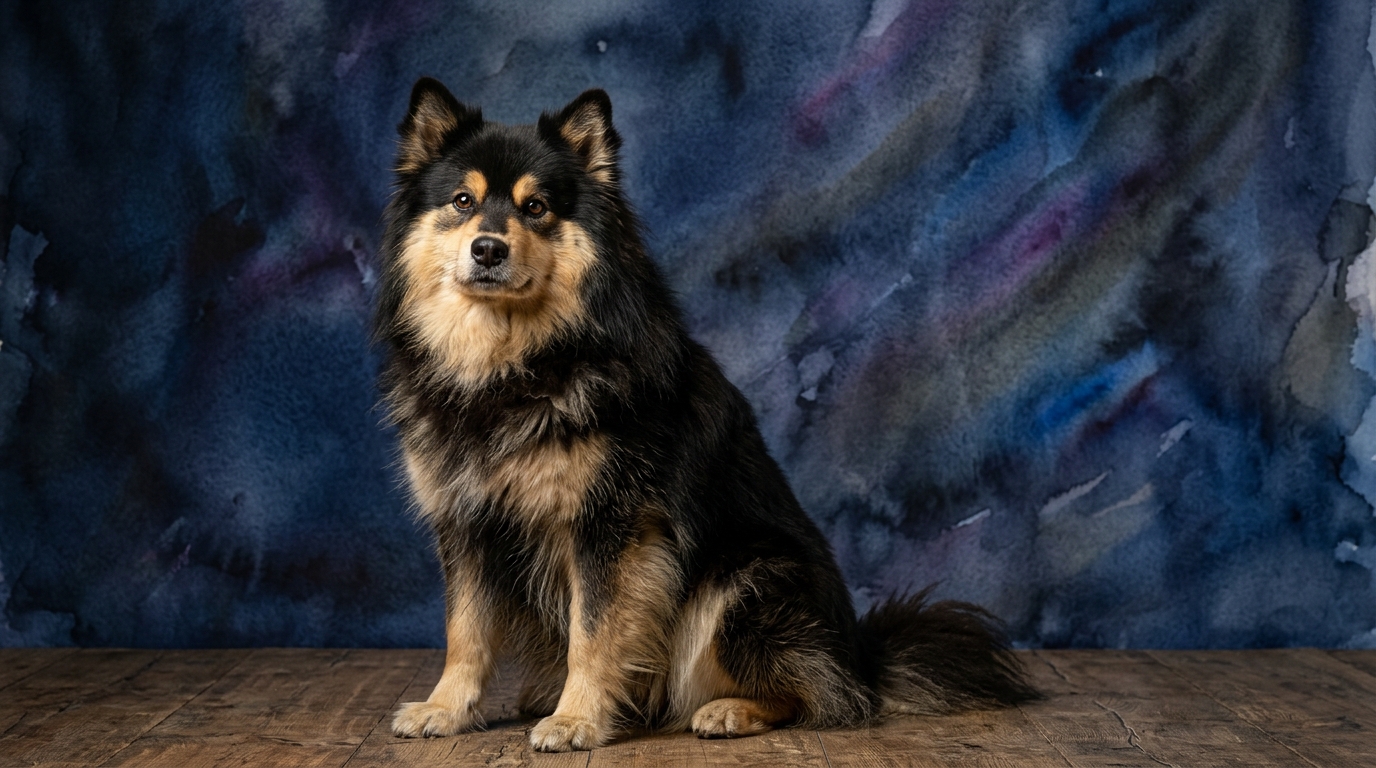
In contrast, the Finnish Lapphund, a breed evolved in the harsh Nordic environment to herd reindeer, presents a different but equally fascinating cognitive profile. Their intelligence is distinctly shaped by their historical need for independence and resilience.
**Finnish Lapphund IQ Profile:** For **Problem Solving**, the Finnish Lapphund scores 3/5, demonstrating practical intelligence in navigating their environment and solving immediate, tangible challenges, though perhaps with less inclination towards abstract puzzles. Their **Training Speed** is also 3/5, signifying a steady learning pace that benefits greatly from positive reinforcement and patient, consistent instruction, as they can sometimes display an independent streak. Their **Social Intelligence** is rated 3/5; they are deeply attuned to their family members and communicate effectively within their inner circle, often showing caution and observation towards outsiders. The **Instinctive Drive** is a solid 3/5, reflecting their ancient herding heritage for reindeer, which translates into a watchful nature and an awareness of their surroundings. Their **Memory** comes in at 3/5, indicating good recall for familiar people, places, and frequently used commands, though complex or infrequently practiced tasks might require more reinforcement.
Collie (Rough): The Apex of Trainability and Recall
The Collie (Rough) distinctly outperforms the Finnish Lapphund in areas requiring rapid learning, intricate problem-solving, and robust long-term memory. Their 4/5 problem-solving score means they are not just reacting to cues but often anticipating and strategizing, making them excellent candidates for complex tasks like agility courses or service work where adapting to dynamic situations is crucial. This cognitive flexibility allows them to generalize learned behaviors to new contexts with remarkable ease.
Furthermore, their 4/5 training speed is evident in how quickly they pick up new commands and multi-step routines; a Collie (Rough) can often master a new trick or sequence in fewer repetitions than many other breeds. Coupled with their unparalleled 5/5 memory, this means that once a command or skill is learned, it is deeply ingrained. Owners often report their Collies remembering commands or routines from years past, demonstrating an impressive capacity for sustained cognitive retention, which is invaluable in maintaining consistent behavior and expanding their skill set.
Finnish Lapphund: Instinctive Acuity and Environmental Awareness
While the Finnish Lapphund's numerical scores might appear lower in some categories, their cognitive strengths are uniquely tailored to their ancestral role, offering a different kind of brilliance. Their 3/5 instinctive drive, though numerically matched with the Collie, manifests as a profound connection to their environment and a nuanced understanding of group dynamics, particularly in a herding context. This isn't just about moving sheep; it's about subtle control, watchful vigilance, and an innate understanding of boundaries and safety for their 'flock.'
Their problem-solving, rated 3/5, is often less about abstract puzzles and more about practical, real-world solutions. A Lapphund might excel at finding the warmest spot in the snow, navigating a complex forest path efficiently, or subtly communicating a potential threat through quiet observation rather than overt action. Their social intelligence, also 3/5, shines in their deep, communicative bonds with their immediate family, often expressing their needs and feelings through a rich repertoire of barks, howls, and body language, displaying a more independent yet deeply connected social fabric.
Training Dynamics: Biddable Learner vs. Independent Thinker
When considering ease of training, the Collie (Rough) generally presents a more straightforward experience for the average owner. Their 4/5 training speed and 5/5 memory combine with a strong desire to please their human companions, making them highly responsive to instruction. They thrive on positive reinforcement and clear guidance, quickly understanding what is expected of them and retaining that knowledge with minimal review. Their focus tends to be squarely on their handler, which simplifies the learning process for complex obedience commands, canine sports, and even nuanced behavioral adjustments.
The Finnish Lapphund, with a 3/5 training speed and 3/5 memory, requires a different approach. Their historical role as semi-independent reindeer herders means they were bred to make decisions without constant human direction, imbuing them with a more independent spirit. While certainly capable of learning, they can sometimes appear 'stubborn' if they don't perceive the immediate value or logic of a command. Training a Lapphund demands patience, consistency, and a deep understanding of their motivations. Owners must make training engaging and rewarding, focusing on building a strong bond and trust, rather than relying solely on rote repetition. They respond best to positive reinforcement techniques that respect their thoughtful nature, rather than forceful methods.
Lifestyle Match: Structured Engagement vs. Exploratory Spirit
Both the Collie (Rough) and the Finnish Lapphund are herding breeds, meaning neither is truly suited for a purely 'relaxed' or sedentary lifestyle. They both require regular physical activity and mental engagement to thrive. However, their ideal activity profiles differ significantly. The Collie (Rough) excels with owners who enjoy structured activities and consistent mental challenges. They are fantastic partners for competitive obedience, agility, rally, and even trick training, where their quick learning and memory are fully utilized. Long, varied walks and opportunities to 'work' their minds through problem-solving games are also essential for their well-being.
The Finnish Lapphund, while also needing activity, often prefers a more exploratory and less regimented approach. They are excellent companions for active owners who enjoy hiking, exploring nature trails, or engaging in activities that allow them to use their senses and navigate varied terrains. Their independent problem-solving and watchful nature make them keen observers of their surroundings. While they can participate in dog sports, they might not always strive for the same level of precision as a Collie, often preferring activities that align more closely with their natural instincts for roaming and vigilance. Owners who appreciate a dog with a strong sense of self and an affinity for the outdoors will find a Lapphund a rewarding companion.
The Verdict
Choose the Collie (Rough) if you seek a highly biddable, responsive companion eager to excel in structured training, obedience, and complex tasks, thriving on close partnership and mental challenges.
Opt for the Finnish Lapphund if you value an independent yet devoted companion with a strong connection to nature, appreciating their subtle communication, resilience, and unique, watchful intelligence.
🧠 Find Your Pet's IQ Score
Our Pet IQ Lab assessment covers 25+ tests across 5 cognitive dimensions — personalized to your breed.
Take the Full IQ Test →Frequently Asked Questions
Do Rough Collies bark a lot?
Rough Collies can be quite vocal, using barks to alert their family to perceived threats or to communicate their needs, a trait rooted in their herding instincts. Consistent training and early socialization are vital to manage and channel their barking tendencies effectively, ensuring it remains a useful form of communication rather than an annoyance.
Are Finnish Lapphunds good with children?
Finnish Lapphunds are generally known for their gentle and patient temperament, making them often excellent companions for children, particularly when raised together. Their watchful nature extends to their 'pack,' including the younger members, though supervision is always recommended with any dog-child interaction to ensure mutual respect and safety.
Which breed is more adaptable to apartment living?
While both breeds benefit from a yard, a well-exercised Collie (Rough) might adapt more readily to apartment living due to their strong focus on their human and higher biddability, making them content indoors if their mental and physical needs are met daily. The Finnish Lapphund's independent nature and love for outdoor exploration might make apartment living a greater challenge, requiring more dedicated effort to provide sufficient outdoor stimulation.