Side-by-Side Cognitive Profiles
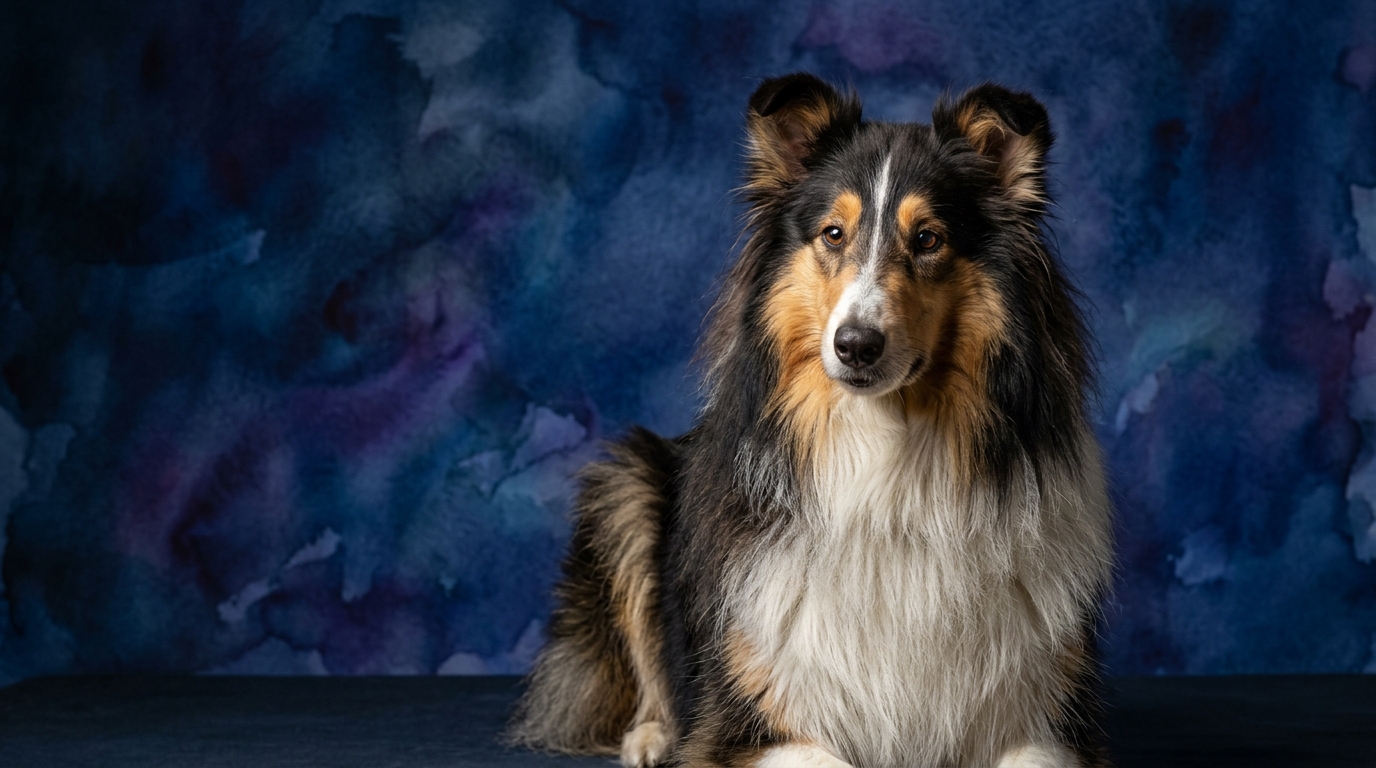
The Collie (Rough) showcases a cognitive profile marked by impressive mental agility and retention. Scoring 4/5 in problem-solving, they demonstrate a strong capacity for independent thought, often devising clever solutions to novel challenges rather than merely reacting. Their training speed, also at 4/5, indicates a quick grasp of new commands and routines, making them eager and efficient learners. While their social intelligence sits at 3/5, they are adept at understanding their immediate human family, forming deep bonds. A moderate instinctive drive of 3/5 reflects their herding heritage, expressed through gentle guidance rather than intense pursuit. The standout feature, however, is their exceptional memory, scoring a perfect 5/5, allowing them to recall a vast repertoire of information, experiences, and learned behaviors over long periods, contributing to their consistent reliability.
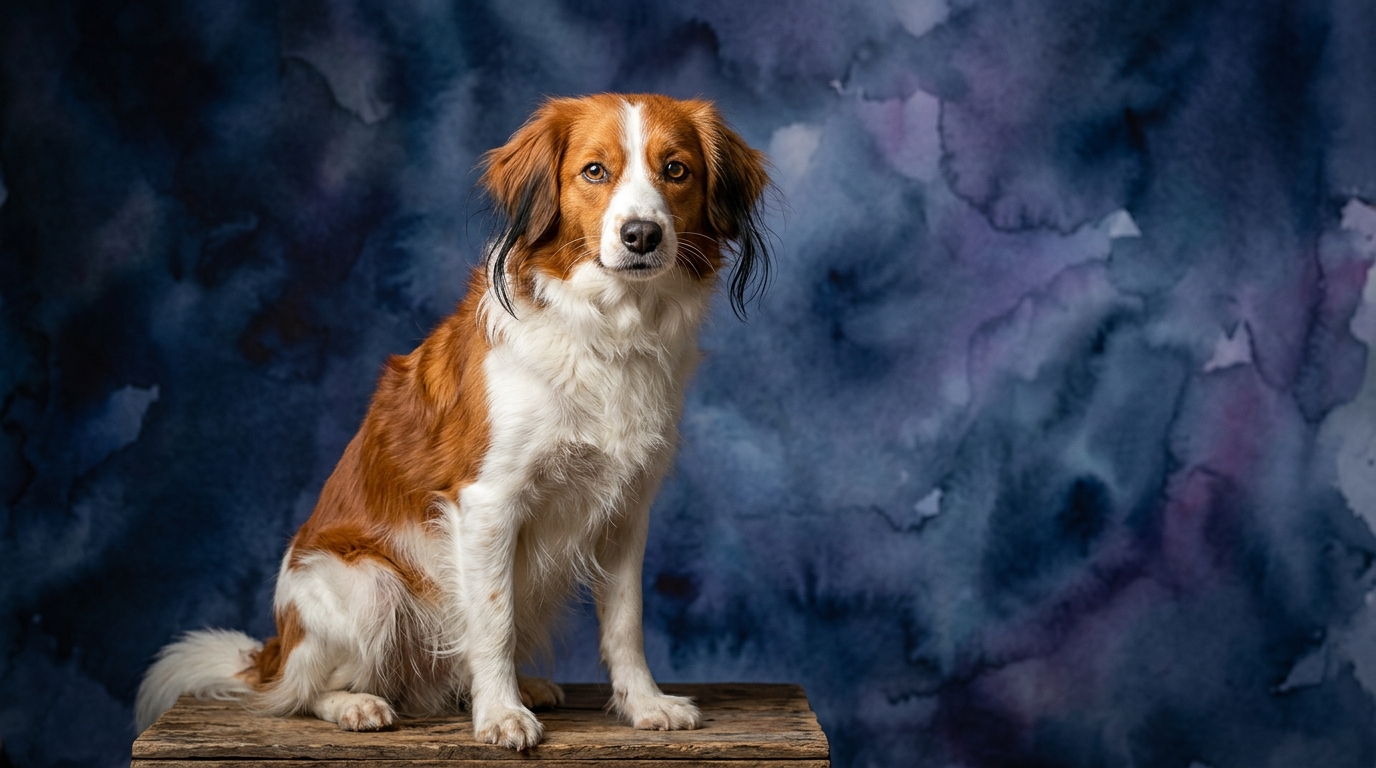
In contrast, the Kooikerhondje presents a balanced cognitive profile across all dimensions, with each scoring 3/5. Their problem-solving ability, though not as high as the Collie's, allows them to navigate everyday challenges and learn through consistent experience, particularly in tasks related to their sporting instincts. A training speed of 3/5 means they are receptive to learning but benefit from patient, positive reinforcement and clear instruction, grasping concepts at a steady pace. Their social intelligence, also 3/5, often manifests as a discerning nature, deeply affectionate with their family but typically reserved with strangers, requiring trust to be earned. The instinctive drive of 3/5 stems from their duck-decoying heritage, motivating them for engaging games of fetch and active exploration. Their memory, at 3/5, is solid for retaining learned behaviors and familiar environments, ensuring they reliably remember their training and routines.
Where the Collie (Rough) Demonstrates Cognitive Strengths
The Collie (Rough) demonstrates clear cognitive advantages, particularly in areas demanding advanced reasoning and retention. Their superior problem-solving score of 4/5 indicates a capacity for independent thought, allowing them to assess novel situations and devise solutions with impressive ingenuity, such as figuring out how to manipulate a latch or navigate a complex multi-step task. This contrasts with the Kooikerhondje's more moderate 3/5, which typically requires more direct guidance for non-instinctual problems. Furthermore, the Collie's exceptional 5/5 memory is a profound asset, enabling them to retain a vast repertoire of commands, routines, and experiences over long periods, far surpassing the Kooikerhondje's 3/5. This robust recall not only accelerates their training speed (4/5 versus 3/5) but also ensures consistent performance and adaptability, as they can readily apply past lessons to new contexts, making them remarkably reliable and quick to generalize learning.
Where the Kooikerhondje Demonstrates Cognitive Strengths
While the Kooikerhondje's numerical scores do not exceed the Collie's, their cognitive strengths are uniquely honed for their historical purpose, offering a different kind of winning edge. Their balanced 3/5 across all categories points to an adaptable and focused mind, particularly excelling in tasks requiring sustained attention and specific, repetitive actions, such as their duck-decoying heritage demands. This involves a specific cognitive aptitude for observational learning and strategic, subtle movements to entice, a niche distinct from the Collie's broader herding strategies. Their social intelligence, at 3/5, often manifests as a discerning loyalty, forming intense bonds with their immediate family while maintaining a thoughtful reserve towards strangers. This isn't a cognitive deficit but a selective social processing that allows for deep, focused connection with their trusted circle, providing a steady and predictable social dynamic for their owners, which can be a distinct advantage for those seeking a more contained social sphere.
Ease of Training: Collie (Rough) vs. Kooikerhondje
For the average owner, the Collie (Rough) generally offers a smoother and faster training experience due to their higher scores in training speed, problem-solving, and memory. Their 4/5 training speed means they pick up new commands and complex sequences with remarkable efficiency, often requiring fewer repetitions to achieve mastery. This rapid acquisition is powerfully supported by their outstanding 5/5 memory, allowing them to recall a vast array of learned behaviors and apply them consistently, even after periods of inactivity. For example, a Collie can quickly learn and retain a multi-part agility course or a series of advanced tricks. The Kooikerhondje, with a 3/5 in training speed and memory, learns reliably but at a more measured pace. They thrive on consistent, positive reinforcement and benefit from breaking down complex tasks into smaller, manageable steps, requiring more patience and structured repetition to solidify new concepts. While both breeds are highly trainable, the Collie's cognitive architecture provides a clear advantage in terms of speed, retention, and generalization of learning.
Suitability for Active vs. Relaxed Owners
The ideal owner for each breed hinges on the specific nature of their activity and engagement. The Collie (Rough) suits active owners who can provide ample mental stimulation and consistent training, excelling in dog sports like obedience or agility where their problem-solving (4/5) and memory (5/5) can shine. They enjoy long walks and hikes but are also content to relax indoors once their cognitive and physical needs are met, making them adaptable for owners who appreciate a calm presence at home. The Kooikerhondje, conversely, is best suited for active owners who enjoy engaging in consistent, purpose-driven play that taps into their sporting instincts (3/5), such as extensive games of fetch, swimming, or scent work. Their need for regular, interactive activity to prevent boredom is pronounced. While both breeds benefit from an active lifestyle, the Collie offers a broader spectrum of adaptability for downtime, whereas the Kooikerhondje thrives on owners dedicated to channeling their specific, energetic drives through focused interaction.
The Verdict
Choose a Collie (Rough) if you seek a highly trainable companion with an exceptional memory and a strong capacity for independent problem-solving, ideal for engaging in advanced obedience, dog sports, and who will thrive on consistent mental stimulation.
Choose a Kooikerhondje if you are an active owner who enjoys consistent, interactive play, can channel their specific retrieving and decoying drives, and appreciates a loyal, discerning companion who excels in focused, task-oriented activities.
🧠 Find Your Pet's IQ Score
Our Pet IQ Lab assessment covers 25+ tests across 5 cognitive dimensions — personalized to your breed.
Take the Full IQ Test →Frequently Asked Questions
How does the Collie (Rough)'s high memory score affect their daily life and training?
The Collie (Rough)'s impressive 5/5 memory means they retain commands, routines, and even specific people or places with remarkable ease and for extended periods. This facilitates rapid learning and consistent behavior, making them highly reliable companions who remember what's expected of them, even after a break from training.
Is the Kooikerhondje's 'not Coren-ranked' status an indicator of lower intelligence?
Not being Coren-ranked simply means the breed was not included in Stanley Coren's original study, which focused on breeds recognized by the AKC at that time. It does not inherently indicate lower intelligence, but rather reflects the breed's historical niche and smaller population, which did not fit the study's parameters.
How do their instinctive drives (Herding vs. Sporting) translate into their behavior at home?
The Collie's moderate herding drive (3/5) might lead to gentle nudging or 'gathering' of family members, while the Kooikerhondje's moderate instinctive drive (3/5) for decoying and retrieving means they often enjoy games of fetch, carrying items, and engaging in repetitive, focused play. Both drives, when appropriately channeled, contribute to engaging and enjoyable companionship.