Unpacking the IQ Profiles: Collie (Rough) vs. Toy Fox Terrier
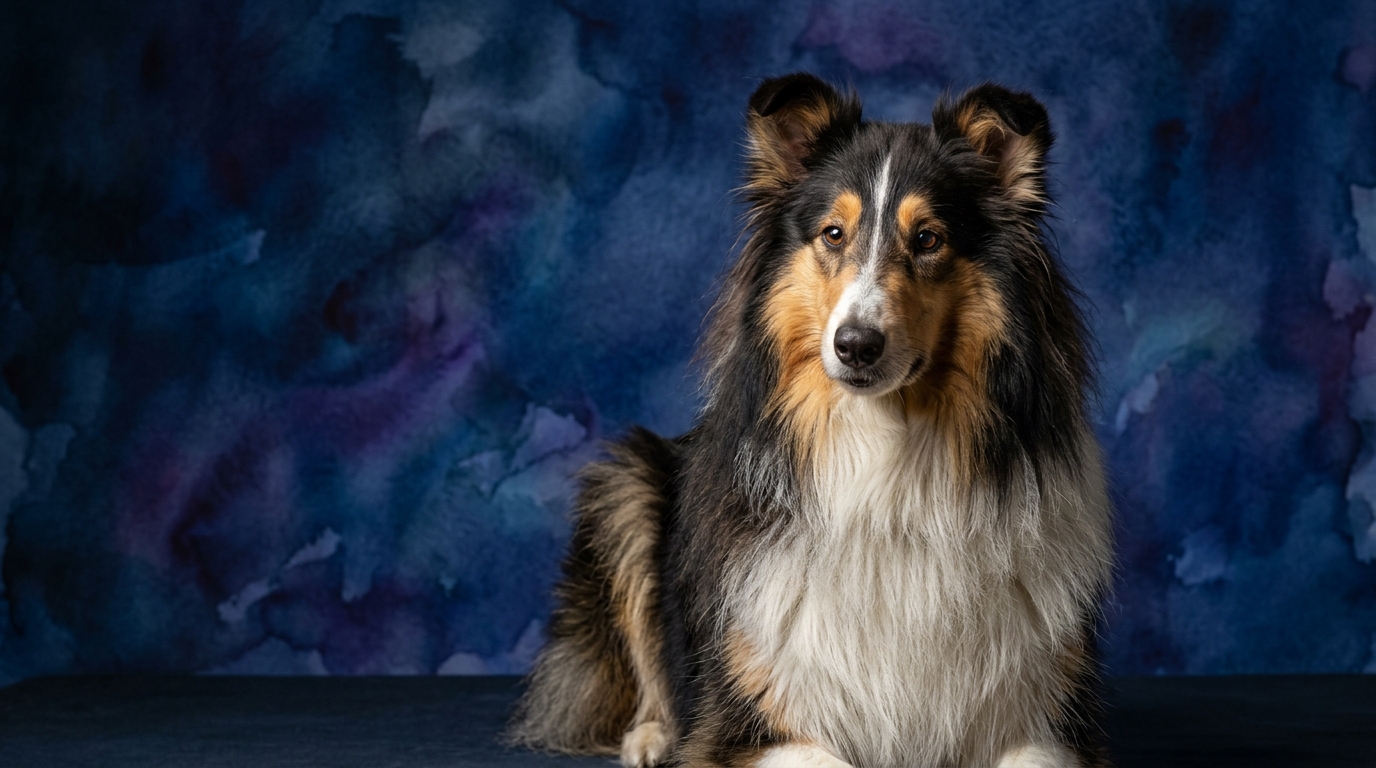
At The Cosmic Pet Pet IQ Lab, we analyze canine cognition across five crucial dimensions. The Collie (Rough), a dog of the Herding group, boasts a Coren rank of #16, indicating a well-established capacity for understanding and executing commands. Its individual cognitive scores paint a picture of a thoughtful and consistent learner. Its Problem Solving is rated at 4/5, suggesting a strong ability to independently navigate complex situations and adapt to new challenges. Training Speed stands at 4/5, reflecting a quick uptake of new instructions and routines. Social Intelligence is 3/5, demonstrating an aptitude for understanding human cues and forming bonds, though perhaps with a focus on its primary handler or familial unit. Instinctive Drive is also 3/5, where its herding heritage is present but often channeled into appropriate activities rather than being an overwhelming force. The Collie (Rough)'s Memory is particularly notable, scoring an exceptional 5/5, highlighting its capacity for long-term retention of learned behaviors and experiences.
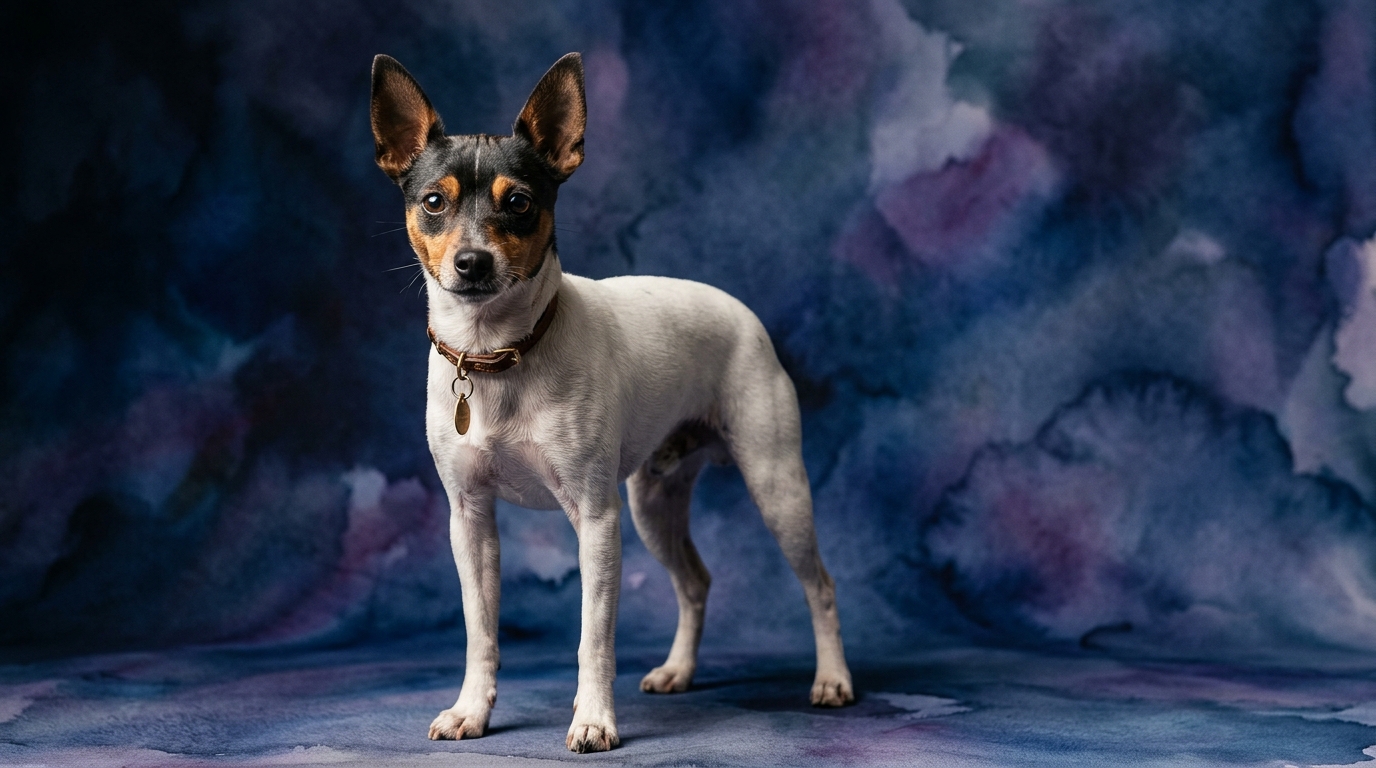
In contrast, the Toy Fox Terrier, a dog from the Toy group, is not Coren-ranked, which is common for breeds primarily developed for companionship rather than specific working roles. Despite this, it possesses a distinct set of cognitive strengths. Its Problem Solving ability is rated at 3/5, indicating a moderate capacity to figure out challenges, often through a combination of learned behaviors and playful experimentation. Training Speed is 3/5, meaning it learns at a respectable pace but may require more consistent reinforcement than some higher-scoring breeds. Social Intelligence is 3/5, showcasing its ability to connect with its human family, often with a charming and somewhat independent demeanor. Instinctive Drive is 3/5, reflecting its terrier roots with an inherent drive for chasing small prey or exploring, but typically manageable within a household setting. Its Memory is rated at 3/5, suggesting it retains daily routines and commands adequately, though perhaps not with the same enduring precision as a breed like the Collie (Rough).
Where the Collie (Rough) Excels Cognitively
The Collie (Rough) truly shines in areas demanding sustained mental effort and retention. Its exceptional Memory score of 5/5 means that once a command, routine, or even a complex sequence of tasks is learned, it tends to stick. This isn't just about remembering a simple 'sit'; it’s about recalling intricate patterns of behavior, navigating familiar environments with precision, and maintaining consistency in performance over extended periods. For owners interested in advanced obedience, agility, or even complex trick training, this durable memory is a significant asset, reducing the need for constant re-teaching and fostering a sense of reliability in their canine companion.
Complementing its robust memory is the Collie (Rough)'s strong Problem Solving ability (4/5). This aptitude is deeply rooted in its herding heritage, where independent decision-making was critical for managing livestock in dynamic, unpredictable environments. This means a Collie isn't just waiting for instructions; it can assess novel situations, process information, and adapt its behavior to achieve a desired outcome. Whether it's figuring out how to retrieve a toy from a tight spot or understanding a complex multi-step request, the Collie (Rough) demonstrates a thoughtful, adaptive approach to challenges, showcasing a nuanced understanding beyond mere rote learning.
Where the Toy Fox Terrier Shines Cognitively
While the Toy Fox Terrier's individual cognitive scores may appear moderate compared to the Collie, its strengths lie in its specific application of these abilities within its context. Its Instinctive Drive (3/5), while not overwhelming, translates into a keen awareness of its immediate surroundings and a quick, often vocal, response to novel stimuli. This makes them excellent, albeit sometimes enthusiastic, alert systems, quickly noticing changes in their environment and alerting their humans. Their compact size and agility of thought also allow them to navigate household environments with a mischievous cleverness, often finding creative, if not always sanctioned, ways to access treats or preferred resting spots.
The Toy Fox Terrier's Social Intelligence (3/5), combined with its spirited personality, enables it to be highly adept at forming close, engaging bonds with its family. They might not be solving complex logical puzzles, but they often excel at 'solving' their humans, learning quickly what actions elicit attention, affection, or a desired outcome. This social adaptability allows them to integrate seamlessly into family life, becoming charming and often entertaining companions who use their moderate cognitive abilities to interact effectively and endearingly within their social structure, often influencing interactions to their benefit with a playful nudge or an expressive gaze.
Training Dynamics: Which is Easier to Guide?
When it comes to ease of training, the Collie (Rough) generally holds an advantage due to its superior Training Speed (4/5) and exceptional Memory (5/5). They grasp new commands and routines quickly, often requiring fewer repetitions to solidify a behavior. Their background as working dogs instilled a desire to collaborate and respond to direction, making them receptive to structured training. This means a Collie (Rough) is more likely to remember a complex multi-command sequence, such as 'go get the ball, bring it here, and then lie down,' after just a few practice sessions, and retain that sequence reliably over time without extensive refresher courses. Their consistent recall and ability to retain advanced skills make them a rewarding breed for owners interested in progressive training.
The Toy Fox Terrier, with a Training Speed of 3/5 and Memory of 3/5, presents a different training experience. They are certainly trainable, but their learning curve is more moderate, and their independent terrier spirit means they might require more patience, consistency, and engaging, reward-based methods to stay motivated. While they can learn basic commands efficiently, they might need more frequent practice to maintain proficiency, and distractions can sometimes divert their attention. For instance, a Toy Fox Terrier might master 'sit' quickly but could choose to ignore it if a squirrel runs by, or might 'forget' it if not practiced regularly. Owners will find success by making training sessions fun and varied, tapping into their playful nature to build a strong foundation of learned behaviors.
Matching Breeds to Lifestyles: Active vs. Relaxed Owners
For owners with an active lifestyle and a desire for a cognitively engaged partner, the Collie (Rough) is an excellent match. Its higher scores in Problem Solving and Training Speed mean it thrives on mental stimulation and enjoys purposeful activities. Owners who engage in dog sports like obedience, agility, or even simulated herding activities will find the Collie (Rough) a willing and capable participant. Long, varied walks that incorporate scent work or problem-solving games are more than just physical exercise for a Collie; they are crucial mental outlets that prevent boredom and channel their cognitive energy constructively. An active owner can fully tap into their memory and problem-solving skills, fostering a deeply collaborative relationship.
The Toy Fox Terrier, while spirited and energetic in bursts, can adapt well to more relaxed owners who appreciate its companionship without requiring intense, structured cognitive exercises. Their moderate instinctive drive and social intelligence make them content with regular, shorter playtimes, interactive toys, and ample cuddle sessions. They enjoy being the center of attention in a calm home environment, often content observing the world from a lap or a favorite window perch. However, 'relaxed' does not equate to 'no engagement'; even a Toy Fox Terrier needs consistent mental exercise through puzzle toys, short training bursts, and engaging play to prevent boredom and maintain a well-adjusted temperament. They are a delightful choice for owners seeking a charming, lively companion whose cognitive needs are met through attentive interaction and a stimulating home environment.
The Verdict
Opt for the Collie (Rough) if you seek a canine partner capable of advanced learning, enduring memory, and collaborative problem-solving, thriving on consistent engagement and structured activities.
Select the Toy Fox Terrier if you desire a charming, spirited companion whose quick wit and moderate cognitive needs fit a more relaxed yet attentive household, appreciating independent thinkers.
🧠 Find Your Pet's IQ Score
Our Pet IQ Lab assessment covers 25+ tests across 5 cognitive dimensions — personalized to your breed.
Take the Full IQ Test →Frequently Asked Questions
Does the Collie (Rough)'s herding instinct influence its problem-solving abilities?
Absolutely. The Collie (Rough)'s herding lineage cultivated a strong problem-solving aptitude, allowing them to make independent decisions in dynamic situations. This translates to a dog capable of assessing environments and strategizing solutions beyond simple learned responses.
Are Toy Fox Terriers difficult to train because they aren't Coren-ranked?
Not at all. While not Coren-ranked, Toy Fox Terriers possess a functional training speed and memory (3/5 each). They are trainable but benefit most from consistent, positive reinforcement and engaging methods, as their independent spirit can sometimes present a challenge.
How does memory rating impact daily life for these breeds?
A Collie (Rough)'s 5/5 memory means they retain commands and routines with remarkable consistency, reducing the need for frequent re-teaching. For a Toy Fox Terrier with a 3/5 memory, regular practice and refreshing of commands are more beneficial to maintain learned behaviors over time.