
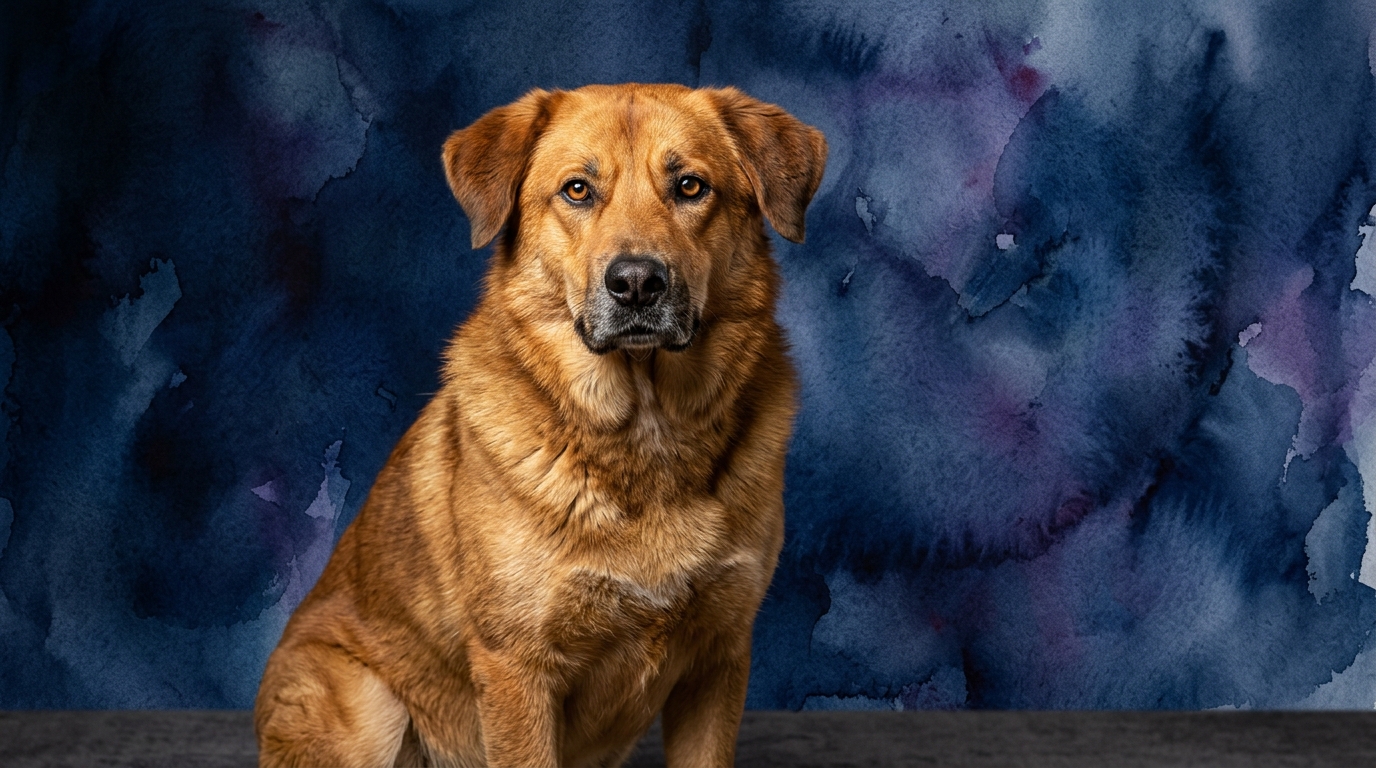
Side-by-Side Cognitive Profiles: Decoding the 3/5 Score
At The Cosmic Pet Pet IQ Lab, both the Dogue de Bordeaux and the Chinook register a consistent 3 out of 5 across all five cognitive dimensions: Problem Solving, Training Speed, Social Intelligence, Instinctive Drive, and Memory. This uniform score doesn't suggest a lack of intellect, but rather a functional, practical intelligence that serves their breed-specific purposes effectively. It indicates a solid foundation of cognitive ability, where neither breed exhibits extreme highs or lows, but rather a balanced application of their mental faculties.
For the Dogue de Bordeaux, a 3/5 in **Problem Solving** suggests a practical, situation-aware intellect. They are adept at understanding routines and their place within a household structure, often figuring out how to achieve a desired outcome through observation, like nudging a gate open if not properly secured. Their problem-solving is less about abstract puzzles and more about navigating their immediate environment for comfort, security, or access to resources. Their **Training Speed** at 3/5 indicates they learn at a steady pace, not lightning-fast, but reliably. They respond well to clear, consistent instruction and positive reinforcement. However, their independent streak means they may require patience and strong motivation, as they weigh the value of compliance against their own desires, rather than blindly following. The Dogue de Bordeaux exhibits a discerning **Social Intelligence** at 3/5. They are acutely aware of their family's moods and dynamics, often acting as sensitive barometers for emotional shifts. With strangers, they demonstrate a careful assessment, reading intentions and body language before offering acceptance, showcasing a grounded understanding of social boundaries. Their **Instinctive Drive**, rated 3/5, is largely channeled into guardianship and companionship. They possess a natural inclination to protect their territory and family, manifesting as watchful awareness rather than aggressive posturing without cause. This drive is rooted in a deep sense of loyalty and a desire to maintain the safety and stability of their perceived “pack.” A 3/5 **Memory** suggests these dogs retain information effectively, particularly regarding routines, people, and spatial awareness within their home environment. They remember who belongs and who doesn't, recalling past interactions with individuals, which aids their guardian role, allowing them to distinguish between familiar and unfamiliar situations over time.
The Chinook’s 3/5 for **Problem Solving** implies a resourceful mind, particularly in dynamic environments. They can assess changing terrain or obstacles during a hike, finding the most efficient path. Their problem-solving often involves adapting to new situations in a cooperative context, such as figuring out how to work best with a new harness or navigating a crowded trail alongside their handler. This score for **Training Speed** reflects a willingness to engage and learn. They generally pick up new commands and tasks with good retention, especially when the training is engaging and purpose-driven. While not the quickest learners in all contexts, their cooperative nature means they are often eager to please and will strive to understand what is being asked of them. For the Chinook, a 3/5 in **Social Intelligence** points to their strong pack mentality and empathy. They are highly attuned to their human companions' cues, often anticipating needs or intentions during shared activities. This breed excels at cooperative interaction, seamlessly integrating into family life and understanding the nuances of group dynamics, making them excellent team players. A 3/5 for the Chinook's **Instinctive Drive** highlights their heritage as working sled dogs. Their drive is primarily expressed through a desire for purposeful activity, often involving pulling, exploration, and sustained effort. This isn't an aggressive drive, but rather a profound need for engagement and a job to do, which, when properly channeled, makes them enthusiastic and tireless partners. For the Chinook, a 3/5 **Memory** indicates reliable recall, especially for learned tasks, routes, and the sequence of commands in a working context. They remember training cues and past experiences, which is crucial for navigating complex trails or performing multi-step activities, supporting their adaptability and ability to learn from past encounters.
Where the Dogue de Bordeaux Shines Cognitively
The Dogue de Bordeaux’s cognitive strengths are deeply rooted in their history as guardians and companions. Their problem-solving abilities are particularly acute when it comes to assessing and responding to potential threats within their established territory. They excel at discerning subtle changes in their environment or in the demeanor of strangers, processing this information to make independent judgments about safety. This breed's memory is robust for past interactions, allowing them to recall who is a welcome visitor and who has previously posed a concern, reinforcing their role as a vigilant protector. Their social intelligence is finely tuned to the nuances of their family unit, enabling them to offer comfort or support when sensing distress, acting as sensitive emotional anchors within the home. This breed’s cognitive profile leans towards an intelligent, watchful presence, making them adept at their guardian duties.
Where the Chinook Holds a Cognitive Edge
The Chinook’s cognitive profile reveals a mind built for cooperative work and adaptability in dynamic settings. Their problem-solving is often applied to navigational challenges or optimizing effort during sustained activities, such as finding the easiest path through snow or adjusting their pace to a team. This breed's social intelligence is remarkable in its capacity for teamwork; they are highly attuned to their handler's instructions and body language, making them exceptional partners in activities requiring synchronized effort. Their memory shines in retaining complex sequences of commands or long, intricate routes, which is invaluable for their working heritage. The Chinook's instinctive drive for purposeful activity fuels a mental engagement that thrives on new challenges and learning opportunities, making their cognitive strengths particularly evident in contexts of shared endeavor and exploration. They are thinkers who enjoy collaboration.
Training Dynamics: Which Breed Offers a Smoother Journey?
Given their identical 3/5 Training Speed scores, neither the Dogue de Bordeaux nor the Chinook can be definitively labeled as 'easier' to train in a universal sense; rather, their training dynamics differ based on their intrinsic motivations and temperaments. The Dogue de Bordeaux, with its independent and sometimes strong-willed nature, requires an owner who is patient, consistent, and capable of establishing clear, firm boundaries. They respond best to positive reinforcement techniques and motivation through food or praise, but they will likely test boundaries, requiring an owner who understands the importance of follow-through. Their problem-solving skills might occasionally be directed towards finding loopholes in training if the rules aren't consistently applied, demanding mental engagement from the trainer to stay one step ahead.
The Chinook, conversely, generally approaches training with an eager-to-please attitude and a strong desire to work cooperatively with their human companions, a reflection of their social intelligence and working drive. They are often more sensitive to their handler's tone and body language, responding well to gentle guidance and positive reinforcement. While they may not learn at a lightning-fast pace, their willingness to engage and their love for purposeful activity can make the training process feel more like a collaborative endeavor. However, their need for engagement means that repetitive, uninspiring drills might lead to boredom, requiring creative and varied training approaches to maintain their focus. Therefore, while both breeds demand commitment, the Chinook might offer a slightly more fluid training experience for owners who can tap into their cooperative spirit, whereas the Dogue de Bordeaux requires an owner prepared to navigate a more independent intellect with unwavering consistency.
Lifestyle Match: Active vs. Relaxed Owners
The Dogue de Bordeaux, despite its imposing size, can be a surprisingly adaptable companion for owners with a moderately active lifestyle. While they require consistent daily exercise to maintain their physical health and mental equilibrium – such as regular walks or supervised play in a secure yard – they are not typically high-energy endurance athletes. After their exercise needs are met, they are often content to relax indoors with their family, embodying a calm, watchful presence. Their social intelligence thrives on being an integral part of household activities, making them suitable for owners who appreciate a devoted, somewhat laid-back companion but are still committed to providing structured activity and mental stimulation. They are not suited for entirely sedentary owners due to their need for proper physical conditioning and mental engagement to prevent boredom and potential destructive behaviors.
The Chinook, on the other hand, is unequivocally a breed for active owners. Born from a heritage of sledding and endurance work, these dogs possess a profound need for consistent physical and mental engagement. They thrive on activities such as long hikes, jogging, dog sports like agility or canicross, and even carting or sledding. Their instinctive drive and problem-solving abilities are best utilized when given a 'job' to do, and a lack of appropriate outlets can lead to restlessness, anxiety, or undesirable behaviors. A relaxed owner who cannot commit to daily, vigorous exercise and mentally stimulating activities would likely find a Chinook challenging to manage, as their cooperative spirit and boundless energy are best channeled through purposeful shared adventures. They are ideal for individuals or families who want a canine partner to accompany them on all their outdoor pursuits.
The Verdict: When to Choose Each Breed
The Verdict
Choose the Dogue de Bordeaux if you seek a devoted, watchful companion who offers a calm presence indoors, provided you can offer consistent training, socialization, and moderate daily exercise to meet their needs.
Opt for the Chinook if you lead an active lifestyle and desire a cooperative, versatile working partner eager to participate in outdoor adventures and thrive on consistent physical and mental challenges.
🧠 Find Your Pet's IQ Score
Our Pet IQ Lab assessment covers 25+ tests across 5 cognitive dimensions — personalized to your breed.
Take the Full IQ Test →Frequently Asked Questions
Are Dogue de Bordeaux and Chinooks difficult to train?
Neither breed is inherently difficult, but they require different approaches. The Dogue de Bordeaux needs consistent, firm, and patient guidance to manage their independent streak, while the Chinook thrives on cooperative, engaging training that taps into their desire to work with you.
Do both breeds require a lot of exercise?
The Dogue de Bordeaux needs moderate daily exercise, content with walks and yard play before settling indoors. The Chinook, however, requires significant daily vigorous exercise and mental stimulation, ideal for owners with highly active outdoor lifestyles.
How do their protective instincts compare?
The Dogue de Bordeaux possesses a strong, discerning protective instinct towards their family and home, often acting as a watchful guardian. The Chinook's instincts are more aligned with cooperative work and exploration, generally lacking the pronounced guarding tendencies of the Dogue de Bordeaux.