
Side-by-Side IQ Profile: Interpreting Identical Scores
The Dogue de Bordeaux, a formidable mastiff-type dog from the Working Group, presents a distinct interpretation of its 3/5 cognitive profile. Its problem-solving ability, while not geared towards complex abstract puzzles, shines in practical scenarios like figuring out how to position itself between a perceived threat and its family, or persistently working to access a desired person or object. Their solutions tend to be direct and physically assertive rather than subtle. In terms of training speed, a 3/5 for the Dogue de Bordeaux indicates they are capable learners, but not exceptionally quick to grasp new commands without consistent repetition and clear motivation. Their sheer size necessitates early and thorough training, often requiring patience to imprint desired behaviors. Social intelligence at 3/5 means they are generally attuned to the emotional landscape of their immediate human family, often sensing distress or changes in mood, and exhibiting a protective yet affectionate demeanor towards their inner circle. Their instinctive drive, also a 3/5, is powerfully rooted in their historical role as guardians and protectors, focused on territorial defense and family vigilance rather than prey pursuit. Finally, their 3/5 memory is reliable for recalling routines, familiar faces, and learned commands, particularly those reinforced through positive association and consistent use within their established family structure.
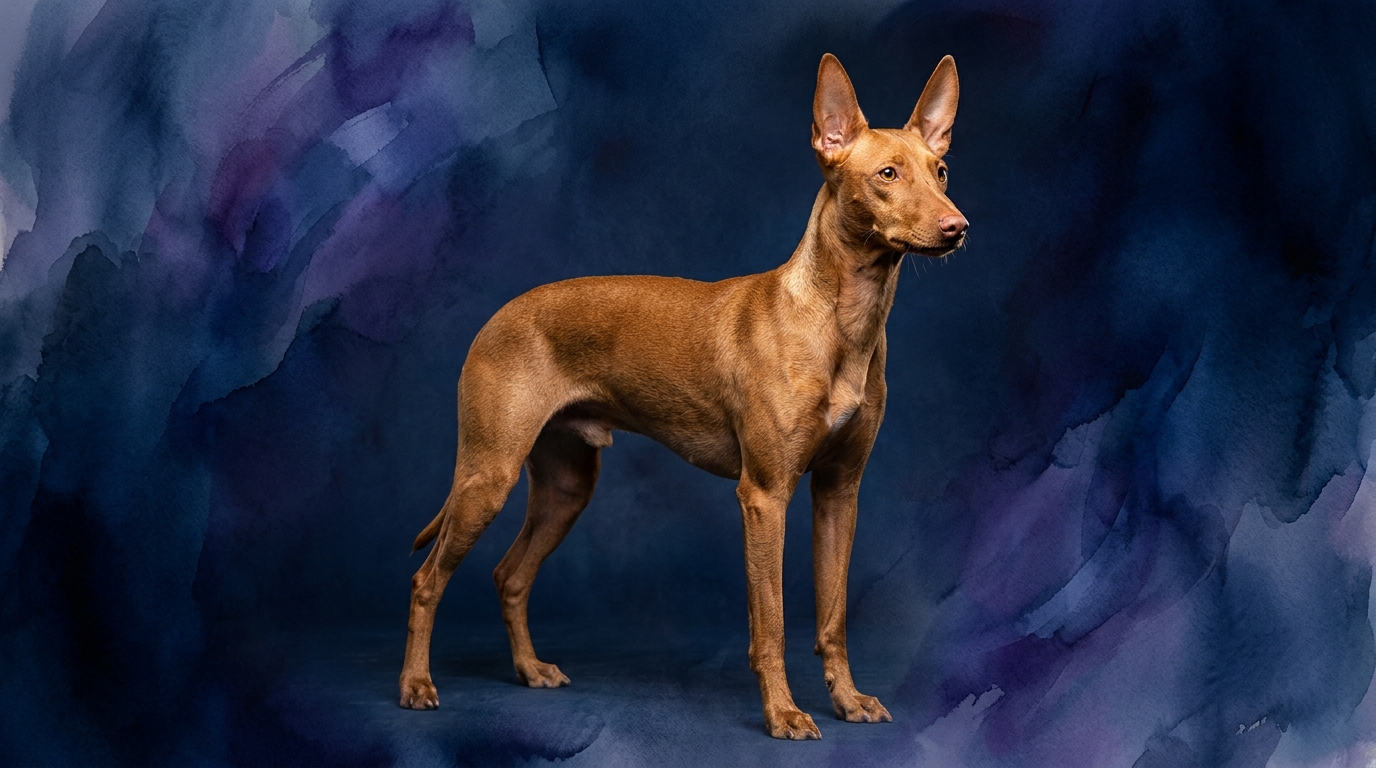
In contrast, the Cirneco dell'Etna, a sighthound from the Hound Group with ancient Sicilian roots, translates its identical 3/5 cognitive scores into a very different set of aptitudes. Their problem-solving at 3/5 is highly specialized, often revolving around navigating varied terrain, overcoming obstacles in pursuit of a target, or deciphering complex sensory cues in their environment. This isn't about abstract thought, but rather swift, practical decision-making informed by their senses, particularly scent and sight. Their training speed, also a 3/5, is influenced by their independent hound nature; while capable of learning, they often require significant motivational incentives and a creative approach to maintain engagement, as their compliance can be conditional on their own perceived interests. Social intelligence, scoring 3/5, means they are generally friendly and adaptable, enjoying companionship but maintaining a characteristic independence. They are often excellent at reading other dogs' body language and social cues within a pack. The Cirneco's 3/5 instinctive drive is overwhelmingly centered on prey pursuit, a deep-seated and ancient impulse that can override other considerations. This drive dictates much of their behavior and cognitive focus. Lastly, their 3/5 memory is particularly acute for environmental details, scent trails, and visual patterns relevant to hunting or navigating familiar outdoor spaces, though command recall might be less reliable when their prey drive is strongly engaged.
Where the Dogue de Bordeaux Wins Cognitively
Despite the numerical parity in their Pet IQ Lab scores, the Dogue de Bordeaux's cognitive strengths manifest uniquely, positioning them as superior in specific contexts. Their 3/5 instinctive drive, for instance, translates into a highly effective and discerning protective instinct. While not prone to indiscriminate aggression, they possess an innate awareness of their territory and family, making them exceptional home guardians. This isn't about chasing game, but about a watchful presence and a readiness to intercede if they perceive a threat, often relying on their imposing physical presence as a deterrent. Furthermore, their 3/5 social intelligence is often more acutely directed towards their human family, allowing them to form profound emotional bonds and exhibit a remarkable sensitivity to their owner's moods and needs. They are adept at offering comfort and acting as a steadfast emotional anchor, demonstrating a deep understanding of their family's dynamics. Their problem-solving, while not abstract, excels in practical, human-centric challenges like figuring out how to get closer to their beloved people or demonstrating persistence in achieving a desired interaction within the home environment. This breed’s cognitive profile is intrinsically linked to its role as a loyal, protective, and emotionally engaged companion.
Where the Cirneco dell'Etna Wins Cognitively
Conversely, the Cirneco dell'Etna's cognitive profile, while numerically identical, reveals distinct advantages in areas where the Dogue de Bordeaux would falter. Their 3/5 problem-solving ability, integrated with their potent 3/5 instinctive drive, makes them masters of environmental navigation and pursuit. They excel at quickly assessing complex outdoor terrains, identifying the most efficient routes, and making rapid, autonomous decisions to track and corner small game. This involves a sophisticated interplay of sensory input and immediate action, a type of intelligence honed over millennia for hunting. Their memory, also a 3/5, is particularly robust when it comes to recalling intricate scent patterns, the layouts of hunting grounds, or the habits of local wildlife, allowing them to effectively 'map' their environment for future endeavors. This specialized memory is a critical asset for their hunting prowess. Moreover, their physical agility combined with their cognitive focus means they are exceptionally adept at tasks requiring sustained attention to moving targets and quick adjustments in speed and direction. While the Dogue de Bordeaux excels in vigilance, the Cirneco dell'Etna’s cognitive strengths are undeniably geared towards independent action, sensory acuity, and the relentless pursuit of a goal in the wild.
Training Dynamics: A Tale of Two 3/5 Scores
Evaluating ease of training between these two breeds requires understanding the underlying motivations and drives that influence their 3/5 training speed scores. The Dogue de Bordeaux, despite its substantial size, often proves more amenable to traditional obedience training within a family setting. Their strong desire to bond with and please their primary caregivers, coupled with their protective instincts that make them attentive to their human's guidance, means they generally respond well to consistent, positive reinforcement. Their 3/5 training speed is often more directed towards understanding human commands and routines that contribute to their family role. They learn best when the purpose is clear and the reward is meaningful, such as praise, affection, or a favorite treat. However, their sheer strength and potential for stubbornness mean early and firm, yet gentle, leadership is crucial to manage their physical presence effectively.
The Cirneco dell'Etna, on the other hand, presents a different set of training challenges rooted in their independent hound nature and profound 3/5 instinctive prey drive. While they are certainly capable of learning, their attention is frequently drawn away by environmental stimuli, particularly scents and movement. Their 3/5 training speed is often overshadowed by their ancient hunting instincts, making consistent recall a perennial struggle, especially in open, unfenced areas. Training a Cirneco requires immense patience, creativity, and an understanding that their primary motivation might not always be human approval but rather the thrill of the chase or exploration. They respond best to short, engaging sessions that tap into their natural curiosity and provide immediate, high-value rewards. Owners must be prepared to manage their powerful prey drive through secure leash training, fenced yards, and engaging activities like lure coursing that safely channel their innate urges. While both breeds score 3/5 in training speed, the Dogue de Bordeaux’s willingness to cooperate for human connection often makes the training journey feel more straightforward for a typical owner, whereas the Cirneco demands a more specialized and persistent approach to overcome its powerful, independent drives.
Matching Lifestyles: Active vs. Relaxed Owners
The lifestyle compatibility for these two breeds hinges significantly on how their identical 3/5 instinctive drives and problem-solving abilities manifest in their daily needs. For individuals seeking a more relaxed yet engaged companion, the Dogue de Bordeaux is generally a more fitting choice. While they are large and require moderate exercise to maintain their health and muscular physique, their activity needs are often met with daily walks, yard play, and ample time spent lounging with their family. Their 3/5 instinctive drive is focused on guarding and being present, making them less inclined towards ceaseless, high-energy activities. They thrive in a calm, consistent home environment where they can fulfill their role as a watchful, affectionate companion, often content to observe the world from the comfort of their home. Their problem-solving tends to be less about boundless exploration and more about navigating their immediate family sphere.
Conversely, the Cirneco dell'Etna is undeniably suited for active owners who can provide substantial outlets for their profound physical and cognitive energy. Their 3/5 instinctive drive for prey pursuit, combined with their agile physique and keen senses, means they require vigorous daily exercise that goes beyond a simple walk around the block. Activities like running, long hikes on a secure leash, lure coursing, or dog sports that engage their speed and tracking abilities are crucial to their well-being. Their problem-solving skills are best utilized in environments where they can explore, track, and make independent decisions, necessitating secure, expansive spaces. Owners must be prepared for a dog that needs to run, chase, and investigate, channeling their natural inclinations in safe and constructive ways. A sedentary lifestyle would lead to frustration and potential behavioral issues for a Cirneco dell'Etna, making them an ideal match for adventurous, hands-on individuals or families.
The Verdict
Opt for the Dogue de Bordeaux if you seek a loyal, physically imposing yet affectionate guardian who thrives on close family bonds and a stable home environment, valuing their protective presence over intense physical activity.
Select the Cirneco dell'Etna if you are an active, adventurous owner eager for an independent, agile companion with a strong prey drive, suitable for engaging in physically demanding activities like lure coursing or extensive, secure outdoor explorations.
🧠 Find Your Pet's IQ Score
Our Pet IQ Lab assessment covers 25+ tests across 5 cognitive dimensions — personalized to your breed.
Take the Full IQ Test →Frequently Asked Questions
Do the Dogue de Bordeaux's protective instincts make them hard to manage?
While their 3/5 instinctive drive for protection is strong, consistent early socialization and training can channel this into appropriate guarding behaviors. They are generally calm and discerning, not overly aggressive, but require an owner who understands their need for clear boundaries and leadership to manage their imposing size effectively.
Can a Cirneco dell'Etna live successfully with small pets?
Due to their 3/5 instinctive prey drive, introducing a Cirneco dell'Etna to small pets like cats or rabbits requires extreme caution and meticulous, supervised integration from a young age. Even with extensive training, their ancient hunting instincts may always pose a risk, making secure separation or a multi-pet household challenging.
Given their identical IQ scores, how can I truly differentiate their cognitive needs?
Despite identical scores, their breed groups dictate how these cognitive traits are applied. The Dogue de Bordeaux channels its 3/5 scores into family protection and loyalty, while the Cirneco dell'Etna applies its scores to independent hunting strategies and environmental exploration, requiring different outlets and training approaches for cognitive fulfillment.