
Side-by-Side IQ Profile: Understanding Distinct Manifestations
The Cosmic Pet Pet IQ Lab assigns both the Dogue de Bordeaux and the Norfolk Terrier identical scores across five key cognitive dimensions: Problem Solving (3/5), Training Speed (3/5), Social Intelligence (3/5), Instinctive Drive (3/5), and Memory (3/5). While these scores suggest a similar underlying capacity, the expression of these traits is profoundly shaped by each breed's unique heritage and physical attributes. It's not about which breed is 'smarter,' but how their inherent capabilities are channeled into different behavioral patterns.
For the Dogue de Bordeaux, a breed historically tasked with guarding and working alongside humans, their 3/5 Problem Solving score often translates into a thoughtful, deliberate approach to understanding their environment and the needs of their family. They might excel at assessing social dynamics within a household or navigating complex domestic routines. Their 3/5 Training Speed indicates they can learn commands at a moderate pace, often motivated by a desire to please their primary caregivers, though their sheer size can make physical execution seem slower. Social Intelligence at 3/5 means they are adept at reading human emotions and intentions within their trusted circle, often displaying a calm, watchful demeanor. Their Instinctive Drive, also 3/5, leans heavily towards protection and territoriality, with a strong bond to their human pack rather than a pronounced prey drive. A Memory score of 3/5 suggests they retain routines, commands, and experiences with a good level of recall, especially concerning their family and home environment.
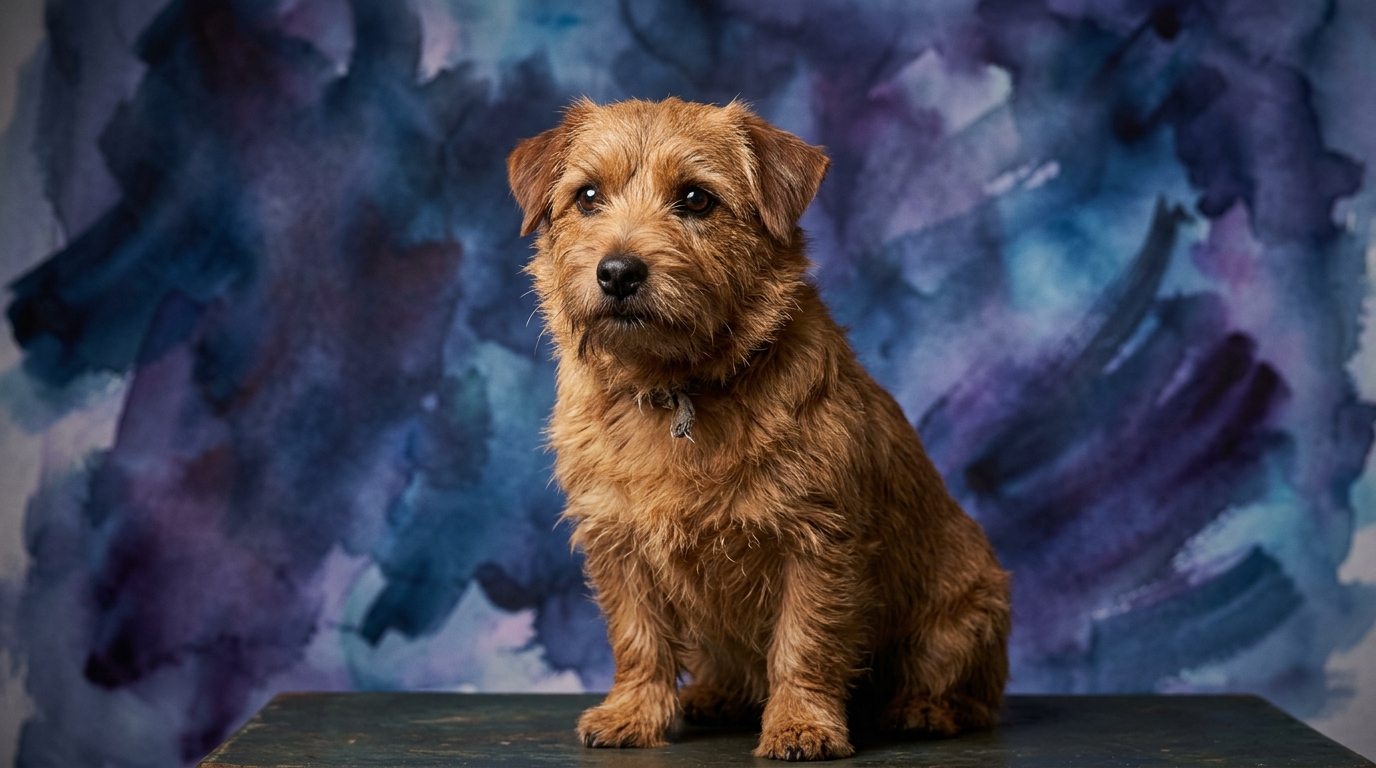
Conversely, the Norfolk Terrier, a small but spirited terrier breed originally bred for hunting vermin, exhibits its 3/5 Problem Solving score through persistent, agile thinking. They might figure out how to access a hidden treat, navigate a tight space, or outsmart a perceived 'prey' with remarkable resourcefulness. Their 3/5 Training Speed means they can pick up commands quickly, often driven by curiosity and a desire for engagement, though their independent streak can sometimes lead to selective hearing. Social Intelligence at 3/5 for a Norfolk Terrier typically manifests as a keen awareness of their human companions' moods and a knack for initiating play or soliciting attention. Their Instinctive Drive, a robust 3/5, is strongly oriented towards prey pursuit, digging, and exploration, reflecting their working terrier roots. Finally, their 3/5 Memory allows them to recall learned commands, preferred play locations, and past interactions with people and other animals effectively, often retaining a vivid mental map of their territory.
Where the Dogue de Bordeaux Wins Cognitively
The Dogue de Bordeaux's cognitive strengths, even with identical IQ scores, lie in areas demanding calm assessment and a deliberate, imposing presence. Their 3/5 Problem Solving capacity shines when scenarios require thoughtful deliberation rather than quick, instinctive reactions. For example, a Dogue de Bordeaux might excel at understanding and adhering to complex household rules, such as which areas are off-limits, by internalizing the boundaries and the rationale behind them. Their social intelligence is particularly adept at discerning nuanced changes in family dynamics or potential threats, acting as a watchful, non-reactive guardian. This involves a sophisticated understanding of body language and vocal tones, allowing them to provide a comforting presence or a deterrent glance without needing explicit instruction. Their memory for routines and the emotional states of their human family members also provides a significant advantage in maintaining household harmony and predictability.
Where the Norfolk Terrier Wins Cognitively
The Norfolk Terrier's cognitive advantages stem from their terrier tenacity and agility, translating their 3/5 scores into distinct triumphs. Their Problem Solving prowess is evident in their ability to quickly adapt to novel situations or overcome physical obstacles with persistent, hands-on investigation. Picture a Norfolk figuring out how to squeeze under a gate or unearth a buried toy with determined digging – this is their 3/5 problem-solving in action. Their keen senses and quick reflexes, coupled with their instinctive drive, give them an edge in tasks requiring rapid decision-making and continuous engagement with their environment, such as scent work or agility courses. Their social intelligence, while equally rated, often manifests as a charming resourcefulness in 'managing' their human companions to get what they want, whether it's playtime or an extra treat, demonstrating a clever understanding of social leverage within their pack.
Which is Easier to Train and Why
While both breeds share a 3/5 Training Speed score, the practicalities of training them diverge significantly due to their behavioral predispositions. The Dogue de Bordeaux, with its desire to please and generally calm temperament, can be quite consistent in training once a command is understood. Their deliberate nature means they may take a bit longer to process and respond to new cues, but once learned, their responses tend to be reliable. Training for a Dogue de Bordeaux benefits from patience, positive reinforcement, and a calm, confident handler. Their sheer size necessitates early and consistent training to ensure they are manageable and well-mannered, as an untrained Dogue de Bordeaux can be physically overwhelming.
The Norfolk Terrier, despite an identical 3/5 Training Speed score, presents a different set of training challenges and rewards. They are often quick to grasp new concepts due to their alertness and curiosity. However, their independent terrier spirit and strong instinctive drive, particularly their prey drive, can make consistent compliance more challenging. A Norfolk might understand a command perfectly but choose to ignore it if a more enticing distraction (like a rustling leaf or a distant scent) captures their attention. Training a Norfolk Terrier requires engaging, varied sessions, a sense of humor, and unwavering consistency to keep them motivated and focused. They respond best to positive reinforcement, short training bursts, and making the learning process feel like a fun game rather than a chore.
Suitability for Active vs. Relaxed Owners
The Dogue de Bordeaux is generally better suited for more relaxed owners, provided those owners can offer consistent, calm leadership and ample companionship. While they are large, their exercise needs are moderate; a daily walk and some yard time are usually sufficient. They thrive on being an integral part of the family, preferring to lounge near their people rather than engage in demanding physical activities for hours. Their guardian instincts mean they appreciate a stable, predictable home environment, and a relaxed owner who can provide this stability will find a devoted, watchful companion. However, 'relaxed' does not mean absent; they require significant human interaction and socialization to be well-adjusted.
The Norfolk Terrier, conversely, is an ideal match for active owners. Despite their small stature, they possess boundless energy and a zest for exploration that belies their size. They thrive on regular exercise, engaging playtime, and mental stimulation. Owners who enjoy hiking, long walks, or participating in dog sports like agility or earthdog trials will find a willing and enthusiastic partner in a Norfolk Terrier. Their instinctive drive means they appreciate opportunities to 'work,' even if it’s just vigorous games of fetch or scent-finding in the yard. A relaxed owner might find a Norfolk Terrier's energy and curiosity overwhelming, potentially leading to boredom-induced behaviors like excessive digging or barking.
The Verdict
Choose the Dogue de Bordeaux if you seek a calm, devoted, and watchful companion who thrives in a stable home with moderate activity and consistent, gentle guidance, appreciating their thoughtful presence.
Opt for the Norfolk Terrier if you're an active, engaged owner who enjoys a spirited, curious, and tenacious companion ready for adventure and mental challenges, embracing their lively terrier nature.
🧠 Find Your Pet's IQ Score
Our Pet IQ Lab assessment covers 25+ tests across 5 cognitive dimensions — personalized to your breed.
Take the Full IQ Test →Frequently Asked Questions
Are Dogue de Bordeaux difficult to train?
Dogue de Bordeaux are not inherently difficult to train, but their deliberate nature means they may learn at a moderate pace. Consistency, patience, and positive reinforcement are key, and early socialization is crucial due to their size and protective instincts.
Do Norfolk Terriers have a strong prey drive?
Yes, Norfolk Terriers possess a strong instinctive drive, particularly a high prey drive, reflecting their historical role as vermin hunters. This means they are often keen to chase small, fast-moving objects and may require secure leashes and yards.
Which breed is better for apartment living?
The Norfolk Terrier is generally better suited for apartment living due to its small size, provided it receives ample daily exercise and mental stimulation. The Dogue de Bordeaux, while having moderate exercise needs, requires more space simply due to its massive physical presence.