Side-by-Side Cognitive Profiles
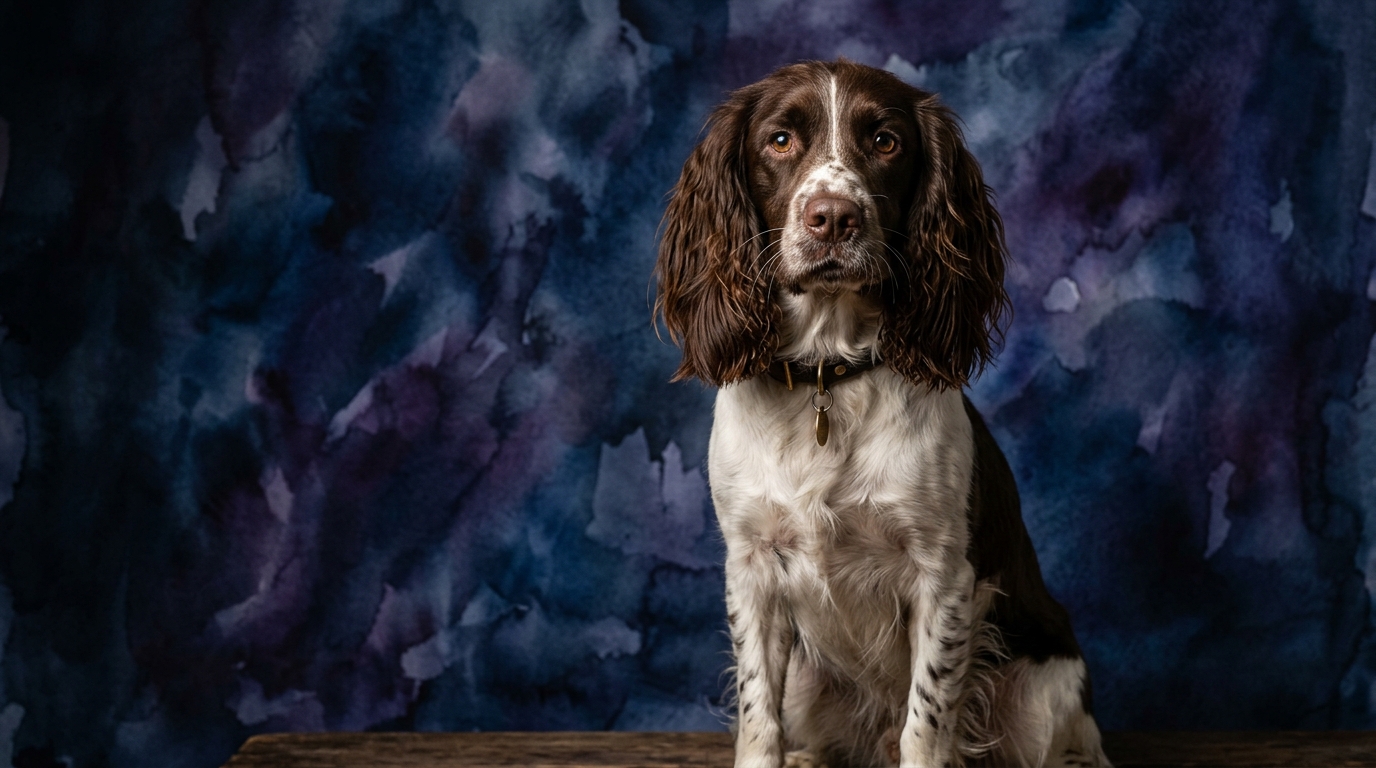
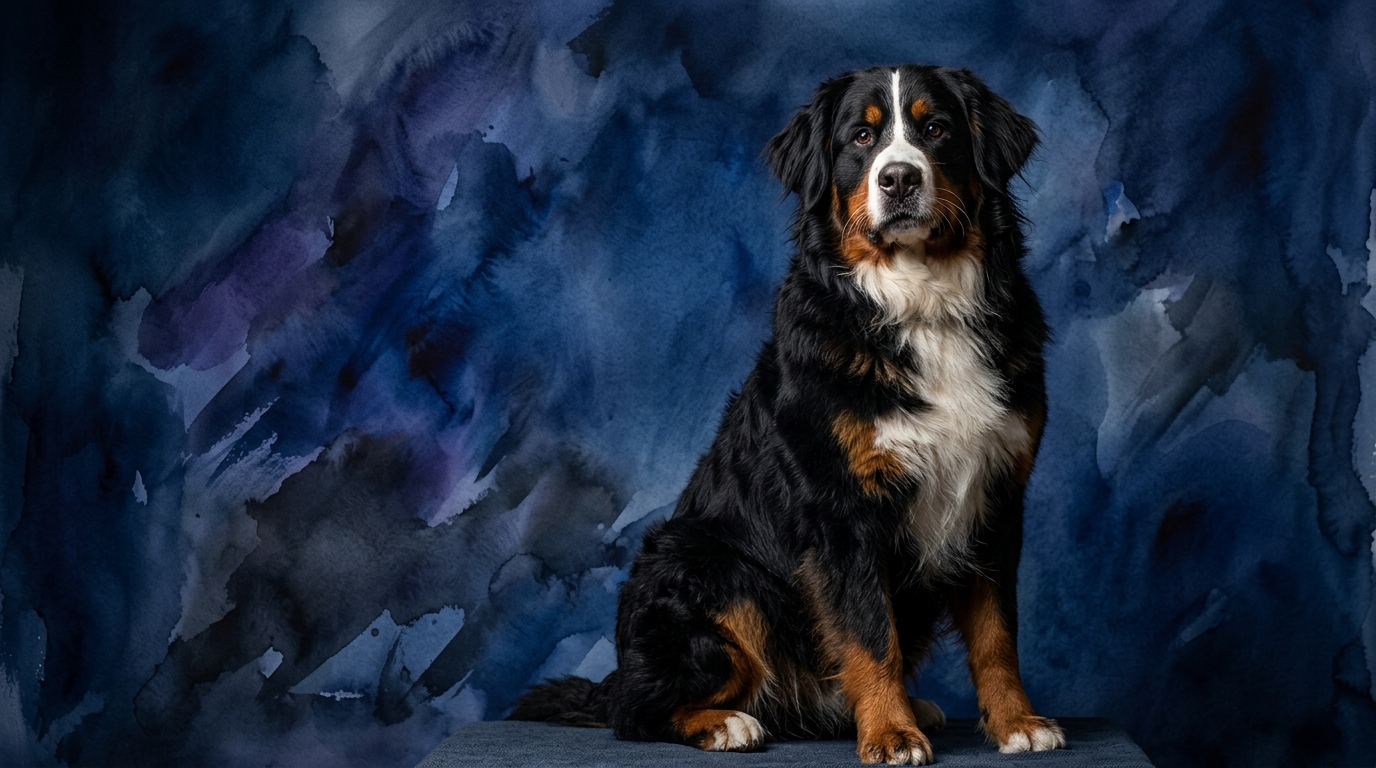
At The Cosmic Pet Pet IQ Lab, we analyze canine intelligence across five key dimensions, offering a nuanced view beyond simple obedience. For the English Springer Spaniel, ranked #13 by Coren, and the Bernese Mountain Dog, ranked #27, these dimensions highlight their unique cognitive strengths and inclinations.
The English Springer Spaniel demonstrates a Problem Solving score of 4/5. This breed is adept at navigating complex scenarios, quickly figuring out how to retrieve objects from challenging locations or understanding multi-step commands. Their historical role as gun dogs required them to think on their feet in varied terrains, a trait still evident today. Their Training Speed is an exceptional 5/5; they are remarkably quick to grasp new commands and routines, often requiring minimal repetition. This responsiveness stems from a deep eagerness to please and a focused attention span. Social Intelligence for the Springer is 4/5, meaning they are highly attuned to human emotions and intentions, making them excellent collaborators and deeply connected companions. An Instinctive Drive of 5/5 characterizes their relentless energy for work, strong scent-tracking abilities, and an inherent desire to be active and engaged in tasks. Finally, their Memory is 4/5, indicating good retention of learned behaviors, commands, and even past experiences or locations, allowing them to recall complex sequences over time.
The Bernese Mountain Dog presents a distinct cognitive profile. Their Problem Solving score is 3/5, reflecting a capable yet often methodical approach to challenges. They excel at practical problems related to their working heritage, such as understanding spatial relationships for drafting or navigating familiar paths. Training Speed for the Bernese is 4/5, showing they are responsive and effective learners, though perhaps not with the instantaneous grasp of a Springer Spaniel. Consistency and patience are key to unlocking their full training potential. Where the Bernese truly shines is in Social Intelligence, earning a perfect 5/5. They are outstanding in their ability to read human emotions, form exceptionally deep bonds with family members, and exhibit profound empathy, making them intuitive and gentle companions. Their Instinctive Drive is 4/5, directed towards guarding, drafting, and companionship. This manifests as a strong loyalty and a desire for physical work that serves their family, rather than high-speed pursuit. Their Memory is 3/5, meaning they possess a good memory for routines, family members, and established boundaries, remembering positive and negative interactions that influence future responses, though complex sequences might take more reinforcement.
Where the English Springer Spaniel Excels Cognitively
The English Springer Spaniel's cognitive prowess truly shines in areas demanding rapid acquisition of skills and sustained, high-energy application. Their exceptional Training Speed of 5/5, coupled with a robust Problem Solving ability of 4/5, makes them incredibly efficient learners. They can master complex sequences of commands with remarkable swiftness, often requiring fewer repetitions compared to many other breeds. For instance, teaching a Springer a multi-stage retrieve, involving scent discrimination and navigating obstacles, often requires less time to solidify.
Furthermore, their Instinctive Drive of 5/5 fuels a relentless desire to work and engage. This isn't just about physical energy; it's a deep cognitive motivation to pursue tasks, solve puzzles, and utilize their senses. This drive, combined with their problem-solving skills, allows them to adapt quickly to changing scenarios, such as tracking a scent through varied terrain or figuring out how to retrieve a toy from an inaccessible spot. Their high Coren rank of #13 directly reflects this capacity for swift learning and application, positioning them as highly responsive and adaptable working partners.
Where the Bernese Mountain Dog Excels Cognitively
The Bernese Mountain Dog's cognitive strengths lie in areas that emphasize profound connection, empathy, and a steady, reliable nature. Their perfect 5/5 score in Social Intelligence is the cornerstone of their cognitive excellence. This allows them to form exceptionally strong, intuitive bonds with their human families, often anticipating needs and offering comfort without direct instruction. They possess an innate ability to read subtle human cues and respond with remarkable sensitivity, making them superb candidates for therapy work where understanding and responding to human vulnerability is paramount.
While their Training Speed is a solid 4/5, their learning is often enhanced by their deep social bond. They are motivated by the desire to please and connect, rather than purely by task completion. Their Instinctive Drive of 4/5 is geared towards loyalty, protection, and companionship, leading to an astute awareness of their family's well-being. This translates into reliable guardianship, where they can discern genuine threats from playful interactions, demonstrating a sophisticated understanding of social dynamics within their environment. Their cognitive gifts make them unparalleled in roles requiring emotional depth and unwavering devotion.
Which is Easier to Train and Why?
When considering ease of training, the English Springer Spaniel generally presents a more straightforward path for rapid command acquisition. Their exceptional Training Speed of 5/5 means they pick up new commands and routines with impressive swiftness, often requiring minimal repetition. This makes initial obedience training, house-training, and even complex trick training feel very rewarding and fast-paced. Their high Instinctive Drive and Problem Solving skills mean they are intrinsically motivated to engage with training tasks, especially those involving movement, retrieving, or scent work, actively trying to figure out what is expected of them.
The Bernese Mountain Dog, with a Training Speed of 4/5, is certainly trainable and responsive, but might require a slightly more patient and consistent approach. Their training success often hinges more on building a strong, trusting relationship, leveraging their profound Social Intelligence (5/5). They are eager to please their beloved human and are highly attuned to feedback, which aids their learning. However, they may not possess the same relentless enthusiasm for repetitive, high-energy drills as a Springer. Their methodical problem-solving style means they appreciate clarity and consistency, and respond best to positive reinforcement that reinforces their bond with their owner, rather than simply moving through commands at top speed.
Matching Breed Intelligence to Owner Lifestyle
The cognitive profiles of these two breeds offer clear guidance for matching them with suitable owner lifestyles. For active owners who thrive on outdoor adventures, dog sports, or engaging in extensive training, the English Springer Spaniel is an ideal match. Their Instinctive Drive of 5/5 demands significant physical and mental exercise; they are not content to be couch potatoes. Their Problem Solving ability (4/5) and rapid Training Speed (5/5) make them excel in activities like agility, flyball, competitive obedience, or field trials. An owner who enjoys hiking, running, or hunting will find a tireless and enthusiastic partner in a Springer, a dog that truly flourishes when given a 'job' and consistent cognitive engagement.
Conversely, the Bernese Mountain Dog is wonderfully suited for more relaxed owners who appreciate a steady, empathetic companion. While they do require regular, moderate exercise, their Instinctive Drive of 4/5 is generally less intense than a Springer's, meaning they are often content with leisurely walks, garden time, and significant companionship. Their exceptional Social Intelligence of 5/5 ensures they primarily value being an integral part of the family's daily life, even if that life involves less high-octane activity. They are ideal for owners who seek deep emotional connection, enjoy quiet companionship, and can provide consistent, gentle training that leverages their willingness to please and their calm demeanor. A Bernese thrives on being close to their people, offering a comforting presence rather than an insistent demand for constant action.
The Verdict
Opt for the English Springer Spaniel if you seek an agile, quick-witted canine partner for demanding activities like dog sports, field work, or extensive outdoor adventures. Their rapid learning and intense drive require an owner ready for consistent engagement and training challenges.
Select the Bernese Mountain Dog if you desire a profoundly empathetic, loyal companion who excels in social bonding and thrives in a family setting with moderate activity. Their steady nature and deep social intelligence make them wonderful, gentle companions for a more relaxed lifestyle.
🧠 Find Your Pet's IQ Score
Our Pet IQ Lab assessment covers 25+ tests across 5 cognitive dimensions — personalized to your breed.
Take the Full IQ Test →Frequently Asked Questions
Do Bernese Mountain Dogs require less mental stimulation than Springer Spaniels?
While a Bernese Mountain Dog might not demand the same high-intensity, rapid-fire mental challenges as a Springer Spaniel, they still benefit from consistent mental engagement. Their social intelligence means they thrive on interaction, gentle training, and tasks that involve their family, ensuring their cognitive needs are met through connection.
Can an English Springer Spaniel be a good family dog despite its high drive?
Absolutely, English Springer Spaniels are wonderful family dogs, especially for active households. Their social intelligence and eagerness to please mean they bond closely with all family members, provided their significant needs for consistent exercise and mental stimulation are met, channeling their energy constructively.
How does a Coren rank of #13 vs #27 translate into daily life for these breeds?
A higher Coren rank, like the Springer's #13, typically means they learn new commands faster and require fewer repetitions during training. The Bernese Mountain Dog's #27 indicates they are still very capable learners, but might benefit from a more patient, consistent approach, valuing the social bond and clear cues over sheer speed of acquisition.