
Side-by-Side IQ Profile: English Springer Spaniel vs. Jack Russell Terrier
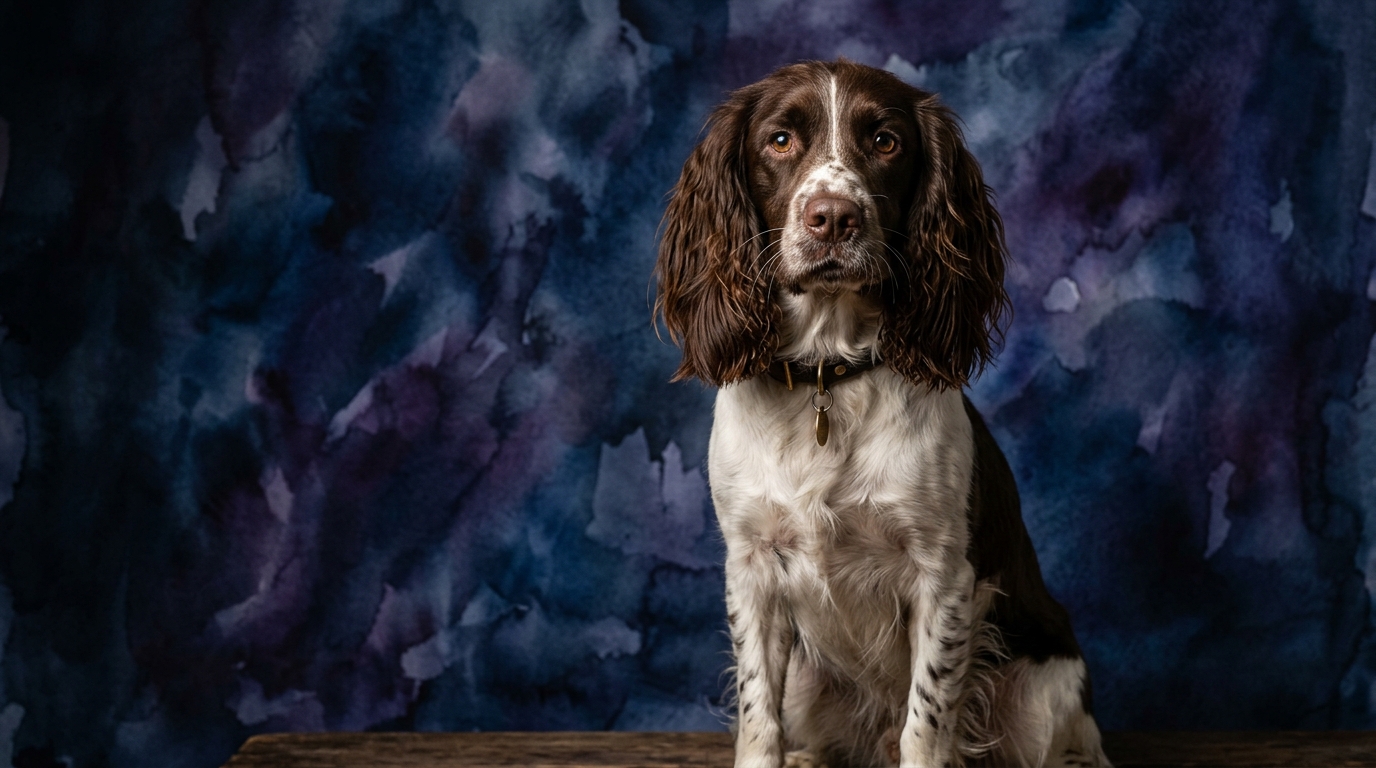
The English Springer Spaniel, a Sporting group member, ranks #13 on Stanley Coren's scale for working intelligence. Our Pet IQ Lab assessment gives them 4/5 in problem-solving, demonstrating a solid ability to navigate tasks. Their training speed is exceptional at 5/5, suggesting they grasp new commands swiftly. Social intelligence is rated 4/5, indicating a strong capacity to read human cues and adapt. Their instinctive drive is a robust 5/5, reflecting their heritage as eager flushers and retrievers, and memory stands at 4/5, ensuring effective retention.
The Jack Russell Terrier, a tenacious Terrier, isn't on Coren's traditional ranking, yet our Pet IQ Lab data reveals a unique cognitive blueprint. They achieve a perfect 5/5 in problem-solving, showcasing an extraordinary aptitude for independent thought. Their training speed, however, is a more moderate 3/5, suggesting they learn steadily but might require more repetition due to their independence. Social intelligence is 3/5, indicating capability but potentially less attunement to subtle human signals. Like the Springer, their instinctive drive is a powerful 5/5, deeply rooted in their hunting origins, and their memory is a strong 4/5.
Where the English Springer Spaniel Wins Cognitively
The English Springer Spaniel truly shines in areas demanding rapid assimilation of information and harmonious social engagement. Their 5/5 training speed is a standout feature, meaning they master diverse commands and intricate sequences with remarkable efficiency, often requiring fewer repetitions. This quick learning curve is invaluable for complex tasks like agility or field work where precise, swift responses are crucial. Furthermore, their 4/5 social intelligence allows them to interpret human emotions and intentions with greater nuance, fostering a more intuitive partnership. This translates into a dog often more responsive to subtle cues, adapting behavior to fit social contexts and forming deep, cooperative bonds. Their ability to work closely and responsively with a handler, driven by a desire to please, gives them an edge in collaborative tasks.
Where the Jack Russell Terrier Wins Cognitively
Where the Jack Russell Terrier undeniably excels is in its unparalleled problem-solving capabilities, earning a perfect 5/5 in our assessment. This breed exhibits a remarkable capacity for independent thought and creative strategizing when faced with challenges. Unlike breeds that might wait for direction, a JRT actively analyzes a situation, devises a plan, and executes it with surprising ingenuity. For instance, if a toy is out of reach, a Springer might look to its owner, while a JRT is more likely to stack objects or push a chair to retrieve it. This strong internal drive to overcome obstacles makes them formidable in tasks requiring self-reliance and quick, adaptive thinking. Their robust instinctive drive (5/5) synergizes with this problem-solving prowess, fueling persistent efforts to achieve goals, whether locating a hidden treat or exploring every nook. This cognitive strength makes them fascinating to observe and a challenge for owners who appreciate a dog with a mind of its own.
Which is Easier to Train, and Why?
When considering ease of training, the English Springer Spaniel generally presents a more straightforward path. Their exceptional 5/5 training speed means they pick up new commands and routines with impressive swiftness, often eager to please and highly motivated. This responsiveness, coupled with their 4/5 social intelligence, allows for a fluid, cooperative dynamic, where they are keenly attuned to their handler's instructions. They thrive on structure and derive satisfaction from working alongside their human, making them excellent candidates for advanced obedience or field trials.
In contrast, the Jack Russell Terrier, despite its 5/5 problem-solving acumen, has a more moderate 3/5 training speed. This isn't due to a lack of capacity, but rather their inherent independence and formidable instinctive drive (5/5), which often prioritizes their own agenda. A JRT might understand a command perfectly but choose to weigh whether executing it aligns with its current internal motivation. Training a JRT requires immense patience, consistency, and creative engagement to keep their independent minds focused. They often excel when training is framed as a problem to solve or a game to win, rather than rote obedience, making them more challenging for novice trainers.
Matching Breeds to Lifestyles: Active vs. Engaged Owners
Both the English Springer Spaniel and the Jack Russell Terrier require active engagement, but the nature of that activity differs, making them suitable for different types of "active" owners. The English Springer Spaniel, with its 5/5 instinctive drive and strong social intelligence, thrives with owners who enjoy collaborative outdoor activities. They are ideal companions for long hikes, trail running, swimming, or participating in dog sports like agility, flyball, and particularly field work where their instincts can be channeled. Their desire to work alongside their human means they are happiest when given a "job" that involves teamwork and physical exertion. A relaxed owner preferring minimal interaction would find a Springer quickly becoming bored and potentially developing destructive behaviors due to unfulfilled needs.
The Jack Russell Terrier, also boasting a 5/5 instinctive drive and 5/5 problem-solving, suits an owner active in a more dynamic, intellectually stimulating way. They need rigorous physical exercise to burn boundless energy, but also significant mental challenges to prevent boredom. Owners who enjoy puzzle games, earthdog trials, or creating complex scavenger hunts would find a JRT an eager participant. Their independent nature means they might not always want to work with you in the same cooperative way, often preferring to explore on their own terms. A JRT demands an owner who can match their tireless energy and provide consistent mental stimulation to prevent them from inventing their own entertainment. Neither breed is suited for truly "relaxed" owners.
The Verdict
Opt for the English Springer Spaniel if you desire a highly trainable, cooperative companion eager to work alongside you in various activities and sports. They are ideal for owners who appreciate a dog that learns quickly, thrives on social interaction, and excels in structured environments like obedience or field trials.
Select the Jack Russell Terrier if you are an experienced owner seeking a tenacious, independent, and supremely clever dog that excels at problem-solving and requires significant mental and physical engagement. They are best for those who can embrace a challenge, enjoy creative training, and appreciate a dog with a strong, self-directed personality.
🧠 Find Your Pet's IQ Score
Our Pet IQ Lab assessment covers 25+ tests across 5 cognitive dimensions — personalized to your breed.
Take the Full IQ Test →Frequently Asked Questions
Are Jack Russell Terriers difficult to train?
Jack Russell Terriers possess a moderate training speed (3/5) and a strong independent streak, making them more challenging than some breeds. Their 5/5 problem-solving means they often prefer to figure things out themselves, requiring patient, consistent, and engaging training methods that make learning feel like a game or a puzzle.
Do English Springer Spaniels need a lot of exercise?
Yes, English Springer Spaniels have a 5/5 instinctive drive and thrive on activity, requiring substantial daily exercise. They excel in activities like long runs, hiking, swimming, and dog sports, needing both physical exertion and mental stimulation to prevent boredom and maintain their well-being.
Which breed is better with children?
Both breeds can be good with children with proper socialization and training, but their styles differ. English Springer Spaniels (4/5 social intelligence) are often more tolerant and eager to please, while Jack Russell Terriers (3/5 social intelligence) might be less patient with boisterous play and require closer supervision to ensure respectful interactions.