
Side-by-Side Cognitive Profiles
The German Shepherd, a Herding group member and ranked #3 by Coren for working obedience, demonstrates a uniformly high cognitive capacity across all five dimensions. Their Problem Solving is rated 5/5, indicating an exceptional ability to analyze complex situations and devise effective solutions, often in a structured, multi-step manner. Training Speed is also 5/5, reflecting their rapid assimilation of new commands and routines, making them highly responsive to instruction. Social Intelligence, at 5/5, highlights their profound understanding of human cues and emotions, fostering deep cooperative bonds. Instictive Drive, also 5/5, channels their inherent herding and protective instincts into focused tasks. Finally, their Memory is 5/5, allowing them to retain vast amounts of learned information and intricate sequences over extended periods.
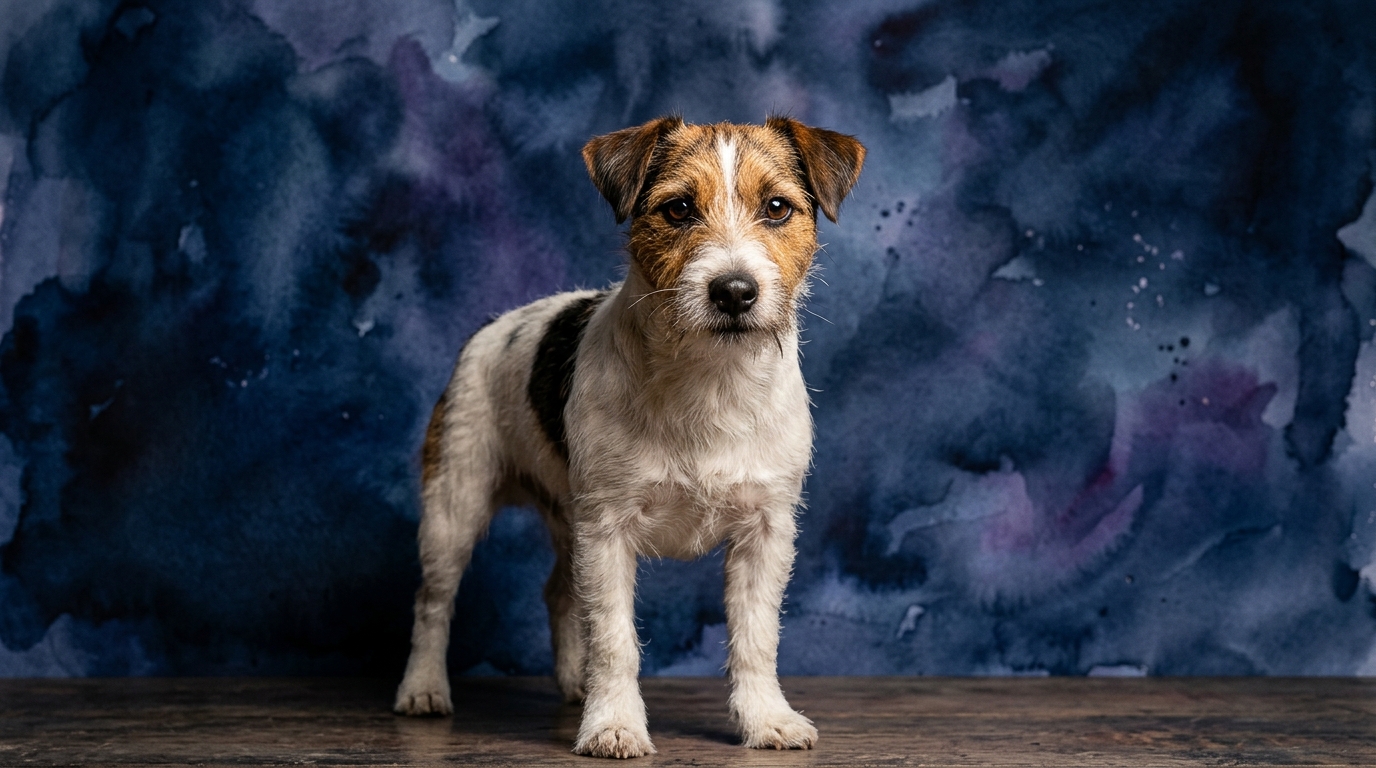
In contrast, the Jack Russell Terrier, a Terrier group member not specifically Coren-ranked, presents a unique cognitive blueprint driven by their historical role as independent hunters. Their Problem Solving matches the German Shepherd at 5/5, though often manifested in ingenious, immediate solutions to overcome physical obstacles or outsmart prey. Training Speed is 3/5, suggesting they learn, but their strong will and independent nature can sometimes make formal training a more patient endeavor. Social Intelligence, at 3/5, means they are capable of bonding but often prioritize their own agenda or instincts over constant handler deference. Their Instictive Drive is a powerful 5/5, fueling their relentless pursuit, digging, and exploration. Memory is rated 4/5, indicating good retention of important information and routines, though perhaps not with the same breadth for complex, multi-stage commands as a German Shepherd.
Where the German Shepherd Excels Cognitively
The German Shepherd's cognitive strengths lie profoundly in their capacity for structured, cooperative work and their ability to operate within complex systems. Their perfect 5/5 in Social Intelligence means they excel at reading subtle human body language, vocal inflections, and emotional states, allowing for seamless partnership in tasks like assistance work or protective services. This high social acumen, combined with their 5/5 Training Speed, allows them to master intricate command sequences and adapt quickly to new roles, often requiring minimal repetition. Their superior memory (5/5) ensures these complex learned behaviors are retained with precision, enabling consistent, reliable performance in demanding situations. They demonstrate an exceptional ability to sustain focus on a given task, even amidst distractions, channeling their strong instinctive drive (5/5) into productive, handler-directed outcomes.
Where the Jack Russell Terrier Shines Cognitively
The Jack Russell Terrier's cognitive prowess is best observed in their tenacious, independent problem-solving and their unwavering commitment to a goal. Their 5/5 Problem Solving isn't about following multi-step human commands, but rather about ingeniously navigating their environment to achieve an intrinsic objective, such as finding a hidden toy or figuring out how to bypass an obstacle. This often involves a creative, trial-and-error approach driven by their powerful 5/5 Instinctive Drive for pursuit and exploration. While their Social Intelligence is a 3/5, they possess a sharp awareness of their surroundings and can make quick, independent decisions, adapting rapidly to dynamic situations. Their 4/5 memory is perfectly adequate for their purpose, enabling them to recall effective strategies for overcoming challenges and remember key environmental features, even if they sometimes choose to apply this knowledge on their own terms rather than immediately deferring to a human.
Training: German Shepherd's Eagerness vs. Jack Russell's Independence
Training a German Shepherd is generally a more straightforward process due to their 5/5 Training Speed and 5/5 Social Intelligence. They possess an inherent desire to work alongside their handler, often viewing training as a cooperative venture and seeking to please. This makes them highly receptive to commands, quick to learn new tasks, and capable of performing complex routines with precision. Their excellent memory and sustained focus mean that once a behavior is learned, it tends to stick, and they can generalize it across different environments with relative ease. They thrive on consistency, clear communication, and positive reinforcement, quickly building a repertoire of reliable behaviors.
The Jack Russell Terrier, with a Training Speed of 3/5 and Social Intelligence of 3/5, presents a different training dynamic. While undeniably clever (5/5 Problem Solving), their strong independent streak and intense instinctive drives often mean they are less inclined to offer immediate, deferential compliance. Training a Jack Russell requires immense patience, creativity, and consistency, often needing to make lessons feel like engaging games to capture and hold their attention. Their focus can be easily diverted by environmental stimuli, particularly anything that triggers their prey drive. Owners must be adept at channeling their boundless energy and determination into desired behaviors, understanding that success comes from outsmarting their cleverness and making compliance more rewarding than independent action.
Suitability for Active vs. Relaxed Owners
For active owners seeking a highly engaged and cooperative partner in structured activities, the German Shepherd is an ideal match. Their robust physical and cognitive needs demand consistent mental stimulation and physical exercise, thriving in roles that involve training, sport, or working tasks. They excel with owners who enjoy teaching complex commands, participating in dog sports like agility or obedience, or even engaging in protection work. Their strong social intelligence means they form incredibly deep bonds and are often happiest when actively involved in family life and given a job to do, requiring an owner who can consistently provide purpose and direction.
The Jack Russell Terrier, while smaller, demands an equally, if not more, active and dedicated owner, though with a different focus. Their relentless energy and high instinctive drive (5/5) mean they require significant outlets for physical activity and mental engagement, often in less structured, more spontaneous ways. They suit owners who appreciate a dog with immense spirit, enjoy outdoor adventures like hiking or earthdog trials, and are prepared for a dog that will constantly seek out its own entertainment and challenges. A relaxed owner might find themselves overwhelmed by the Jack Russell's persistent need for activity and their independent problem-solving often leading to mischievous endeavors.
The Verdict
Choose a German Shepherd if you desire a highly trainable, cooperatively intelligent partner for structured activities, complex learning, and a deep, responsive bond.
Opt for a Jack Russell Terrier if you appreciate independent, tenacious problem-solvers with boundless energy and a spirited personality, and are prepared for creative, consistent engagement.
🧠 Find Your Pet's IQ Score
Our Pet IQ Lab assessment covers 25+ tests across 5 cognitive dimensions — personalized to your breed.
Take the Full IQ Test →Frequently Asked Questions
Is a German Shepherd harder to manage than a Jack Russell Terrier due to its size?
While German Shepherds are larger and physically stronger, their high social intelligence and trainability often make them more manageable in terms of obedience and control, provided they receive adequate training and socialization. Jack Russells, despite their size, can be more challenging due to their independent nature and intense drives.
Which breed is better for a first-time dog owner?
Neither breed is typically recommended for entirely novice owners without prior research and commitment, but a German Shepherd might be a more forgiving choice for a dedicated first-timer due to their eagerness to please and higher training speed. A Jack Russell's independent spirit and high energy can be overwhelming for someone new to dog ownership.
Do Jack Russell Terriers require as much mental stimulation as German Shepherds?
Absolutely. While their cognitive strengths differ, Jack Russell Terriers require immense mental stimulation to prevent boredom and destructive behaviors, often needing puzzles, training games, and opportunities to use their natural hunting instincts. German Shepherds also require significant mental engagement, often through structured training and tasks.