Side-by-Side IQ Profile: English Springer Spaniel vs. Norwich Terrier
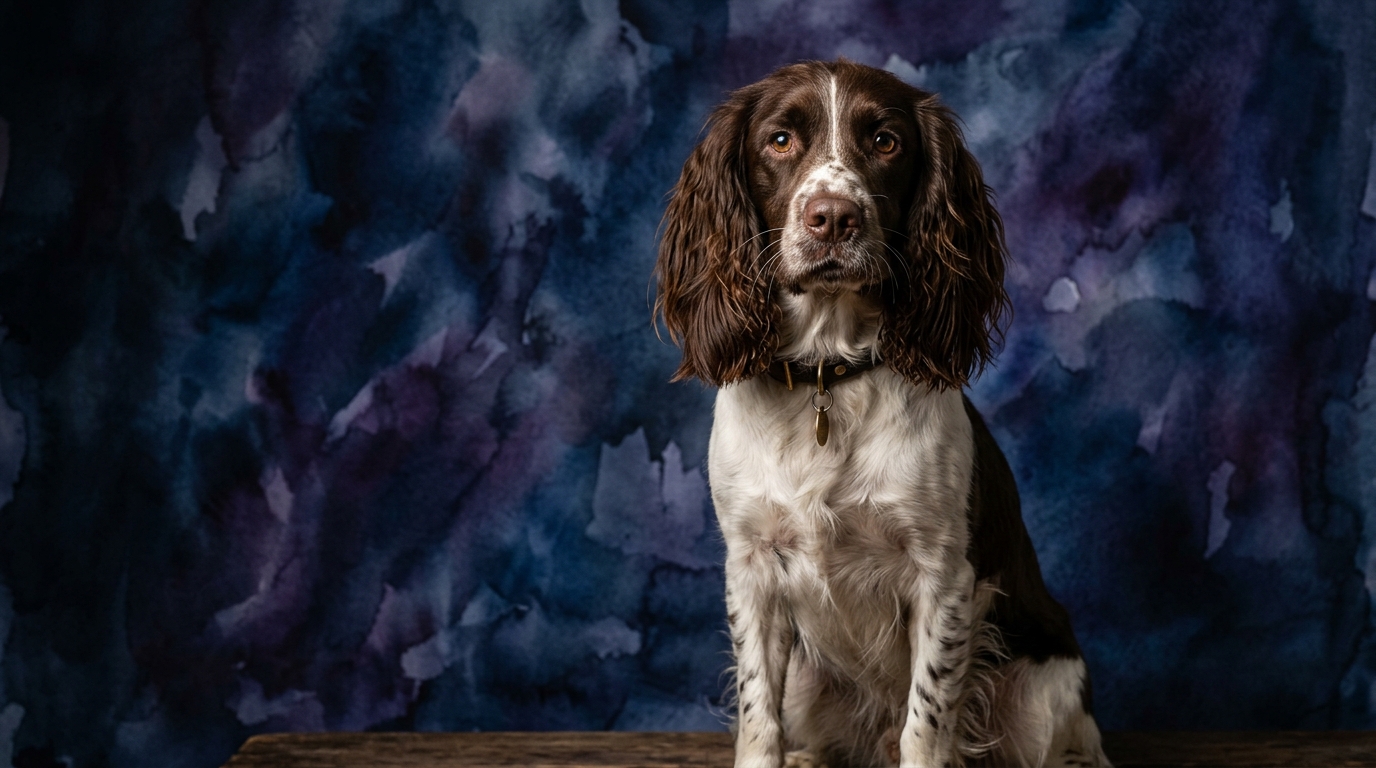
The English Springer Spaniel, a celebrated member of the Sporting group and notably ranked #13 in Coren's intelligence scale, exhibits a cognitive profile tailored for collaborative work and complex tasks. Their Problem Solving is rated at 4/5, indicating an adeptness at navigating intricate scenarios and understanding multi-step commands. Training Speed soars at 5/5, reflecting their eagerness and rapid capacity to acquire new behaviors and cues. Social Intelligence stands at 4/5, showcasing their nuanced understanding of human communication and emotional states, making them highly attuned partners. An Instinctive Drive of 5/5 highlights their profound urge to retrieve, flush, and work in the field, a deep-seated motivation that fuels their engagement. Finally, their Memory is strong at 4/5, enabling them to reliably recall learned sequences and past experiences over time.
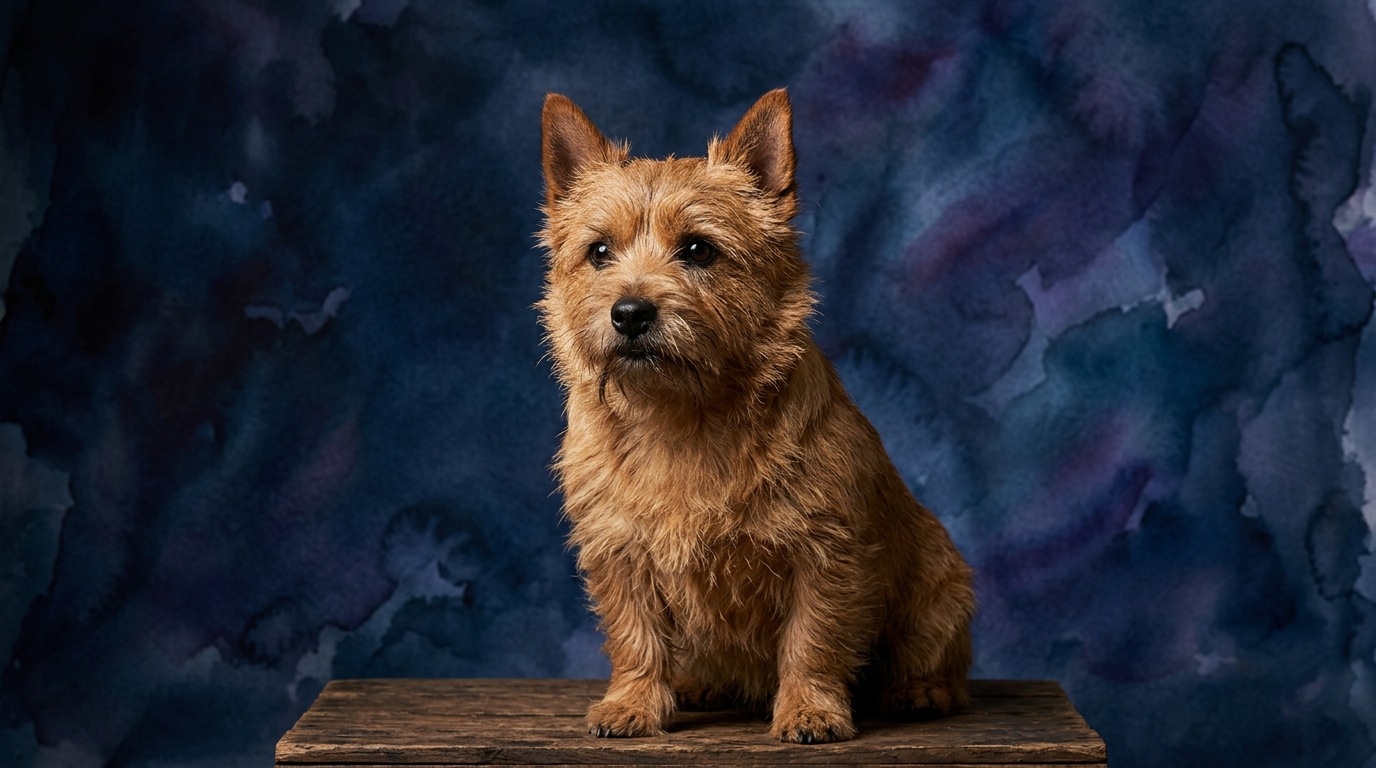
In contrast, the Norwich Terrier, a sturdy Terrier breed without a Coren ranking, possesses a balanced and tenacious intellect suited to its historical role. Their Problem Solving is rated 3/5, demonstrating a practical ability to navigate environmental challenges and figure out immediate solutions, often independently. Training Speed registers 3/5, meaning they learn commands steadily and reliably, though perhaps not with the lightning-fast acquisition of some sporting breeds. Social Intelligence at 3/5 suggests a good understanding of their human companions, forming strong bonds without necessarily seeking the constant, intense collaboration seen in other groups. Their Instinctive Drive, also 3/5, is characterized by a persistent, self-directed focus on tasks like tracking and hunting small vermin, a drive that can manifest as determined independence. A Memory score of 3/5 ensures they retain routines, boundaries, and learned behaviors consistently.
Where the English Springer Spaniel Wins Cognitively
The English Springer Spaniel's cognitive profile demonstrates clear advantages in several domains, particularly those requiring close partnership and adaptability. Their exceptional Training Speed of 5/5 means they grasp novel commands and intricate routines with remarkable quickness, often picking up new skills in just a few repetitions. This rapid learning curve is a significant win for owners keen on advanced obedience, agility, or specialized tasks, as the Springer consistently demonstrates a profound capacity for acquiring and executing complex sequences. Coupled with a 4/5 in Problem Solving, they excel at deciphering and responding to nuanced environmental cues, such as navigating an agility course with precision or understanding the subtle body language of a handler during field work. Their 4/5 Social Intelligence further amplifies this, allowing them to interpret human intentions and moods with sensitivity, fostering a highly responsive and engaged partnership. This makes them particularly adept at anticipating commands or adjusting their behavior based on handler feedback, a cognitive edge that sets them apart. Furthermore, their 5/5 Instinctive Drive, specifically for working collaboratively, means they are intrinsically motivated to engage in activities that align with their original purpose, making them eager participants in training and sport rather than requiring constant external coaxing. Their 4/5 Memory ensures that once a skill is learned, it is retained effectively, leading to consistent performance without frequent refreshers.
Where the Norwich Terrier Wins Cognitively
While the Norwich Terrier's individual IQ scores may not reach the higher numbers of the English Springer Spaniel, their cognitive strengths lie in a different, equally valuable dimension: tenacious independence and practical application within their environment. Their 3/5 Problem Solving, though not about complex multi-stage tasks, is highly effective for immediate, real-world challenges, such as figuring out how to navigate tight spaces, outsmart a burrowing creature, or creatively overcome obstacles in their path. This type of intellect is less about following human-set rules and more about self-directed ingenuity. The Norwich's 3/5 Instinctive Drive is a win in its sheer persistence; once focused on a scent or task, they exhibit unwavering determination, a cognitive trait that makes them incredibly effective at their original purpose and resilient in the face of distractions. This intrinsic drive allows them to pursue goals independently, requiring less constant human direction for certain self-motivated activities. Their 3/5 Social Intelligence, while not as intensely collaborative as a Springer's, means they forge strong, loyal bonds built on mutual respect and understanding, without the constant need for engagement. This allows them to be content companions who are observant and responsive but also comfortable in their own space. Their steady 3/5 Training Speed and Memory ensure that once a behavior is learned through consistent, positive reinforcement, it is reliably retained, providing a predictable and stable companion without the pressure of constant advanced learning. The Norwich wins in providing a robust, self-assured companion whose intelligence is geared towards practical, independent living and a steadfast, if not flashy, learning approach.
Which is Easier to Train and Why
Based on their Cosmic Pet Pet IQ Lab profiles, the English Springer Spaniel is unequivocally easier to train compared to the Norwich Terrier, primarily due to significant differences in their Training Speed, Social Intelligence, and Instinctive Drive. The Springer's exceptional 5/5 Training Speed means they absorb new commands and behaviors with remarkable alacrity, often showing understanding after just a few repetitions. This rapid acquisition is amplified by their 4/5 Social Intelligence, which makes them highly attuned to human cues, eager to please, and responsive to positive reinforcement. They thrive on collaborative work and genuinely enjoy the process of learning with their handler, often viewing training as an engaging game. Their 5/5 Instinctive Drive is channeled towards working alongside humans, making them naturally inclined to follow direction and perform tasks that align with their bred purpose, such as retrieving or scent work.
In contrast, the Norwich Terrier, with a 3/5 in Training Speed and Social Intelligence, presents a more deliberate training experience. While they are certainly capable of learning, they require more patience, repetition, and consistent motivation. Their terrier heritage imbues them with a strong sense of independence and self-reliance, meaning they are less inherently driven to please humans and more inclined to follow their own instincts, particularly when a compelling scent or environmental stimulus presents itself. Their 3/5 Instinctive Drive is geared towards independent hunting and problem-solving, which can sometimes manifest as stubbornness in a training context where they might prioritize their own agenda over a handler's command. Successful training with a Norwich relies heavily on making sessions fun, consistent, and reward-based, understanding that while they will learn, it will be at their own measured pace and often with a charming, independent streak.
Which Suits Active Owners vs. Relaxed Owners
For active owners seeking a dynamic and engaged canine partner, the English Springer Spaniel is an ideal match. Their 5/5 Instinctive Drive, coupled with 4/5 Problem Solving and 5/5 Training Speed, means they require and thrive on substantial mental and physical stimulation. Owners who enjoy long hikes, running, field trials, agility, or competitive obedience will find the Springer an enthusiastic and capable companion. They excel when given a “job” to do, whether it's retrieving, scent discrimination, or mastering complex command sequences. Their high energy levels and desire for collaborative engagement necessitate an owner who can consistently provide outlets for their cognitive and physical prowess, preventing boredom and potential behavioral issues.
Conversely, for owners who appreciate a more relaxed, yet still engaged, companion, the Norwich Terrier offers a compelling choice. While they certainly enjoy regular walks and playtime, their more moderate 3/5 scores across all IQ dimensions suggest they don't demand the same intensity of structured activity or constant mental challenges as a Springer. Their 3/5 Instinctive Drive, while persistent for their specific tasks, doesn't translate into the same boundless need for human-directed work. Norwich Terriers are content with a good daily walk, some engaging play sessions, and the comfort of their human family. Their problem-solving (3/5) is sufficient for navigating daily life and enjoying interactive toys without needing to master advanced puzzles or complex routines. They are well-suited to owners who can provide consistent attention and exercise but don't necessarily have the time or inclination for high-level dog sports or extensive daily training sessions.
The Verdict
Choose the English Springer Spaniel if you seek a highly trainable, intensely collaborative, and mentally agile companion eager to participate in advanced training, dog sports, or demanding outdoor adventures.
Opt for the Norwich Terrier if you desire a steadfast, independent, and resilient companion who offers a balanced intellect, thrives on routine, and appreciates consistent, affectionate companionship without constant, high-intensity demands.
🧠 Find Your Pet's IQ Score
Our Pet IQ Lab assessment covers 25+ tests across 5 cognitive dimensions — personalized to your breed.
Take the Full IQ Test →Frequently Asked Questions
How does the Coren ranking reflect on these breeds?
The English Springer Spaniel's #13 Coren rank signifies its exceptional ability to understand and obey new commands quickly, placing it among the top working and obedience breeds due to its high training speed and social intelligence. The Norwich Terrier, lacking a Coren rank, suggests its cognitive strengths lie more in independent problem-solving and tenacity for its specific tasks rather than rapid obedience acquisition, reflecting its terrier heritage.
Do their breed groups (Sporting vs Terrier) explain their IQ differences?
Absolutely. Sporting dogs like the Springer were specifically bred to work closely with humans in the field, requiring high social intelligence, rapid trainability, and excellent memory for complex tasks like retrieving and flushing. Terriers like the Norwich were developed for independent vermin control, fostering problem-solving skills for hunting, tenacity, and a more self-reliant approach to tasks, which often translates to a steady but less intensely collaborative learning style.
Can a Norwich Terrier learn complex tricks like a Springer?
While a Norwich Terrier can certainly learn a wide array of tricks and commands, their 3/5 training speed and problem-solving suggest they will acquire them at a steadier, more deliberate pace than an English Springer Spaniel's 5/5 and 4/5 scores. A Norwich will benefit from shorter, highly engaging, and consistent training sessions focused on positive reinforcement, rather than expecting rapid mastery of intricate, multi-step sequences.