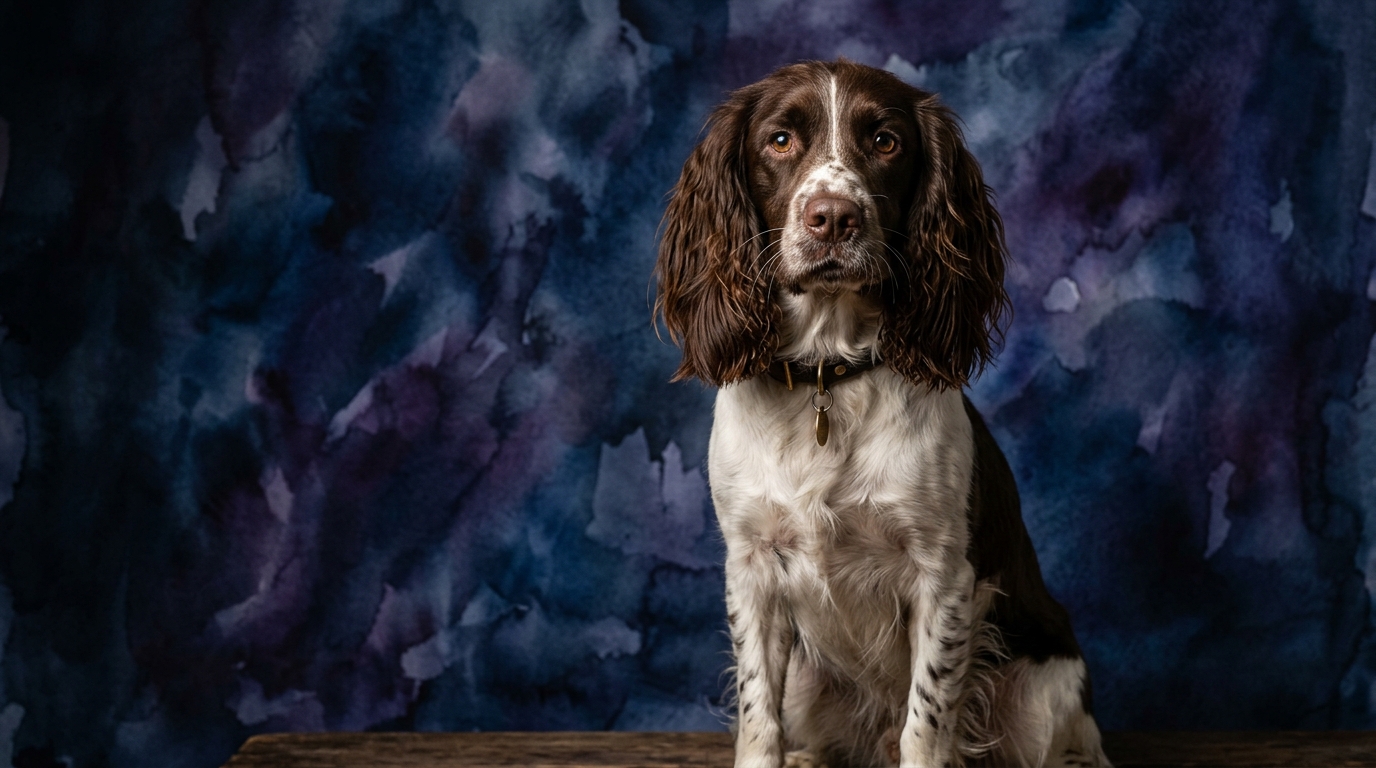
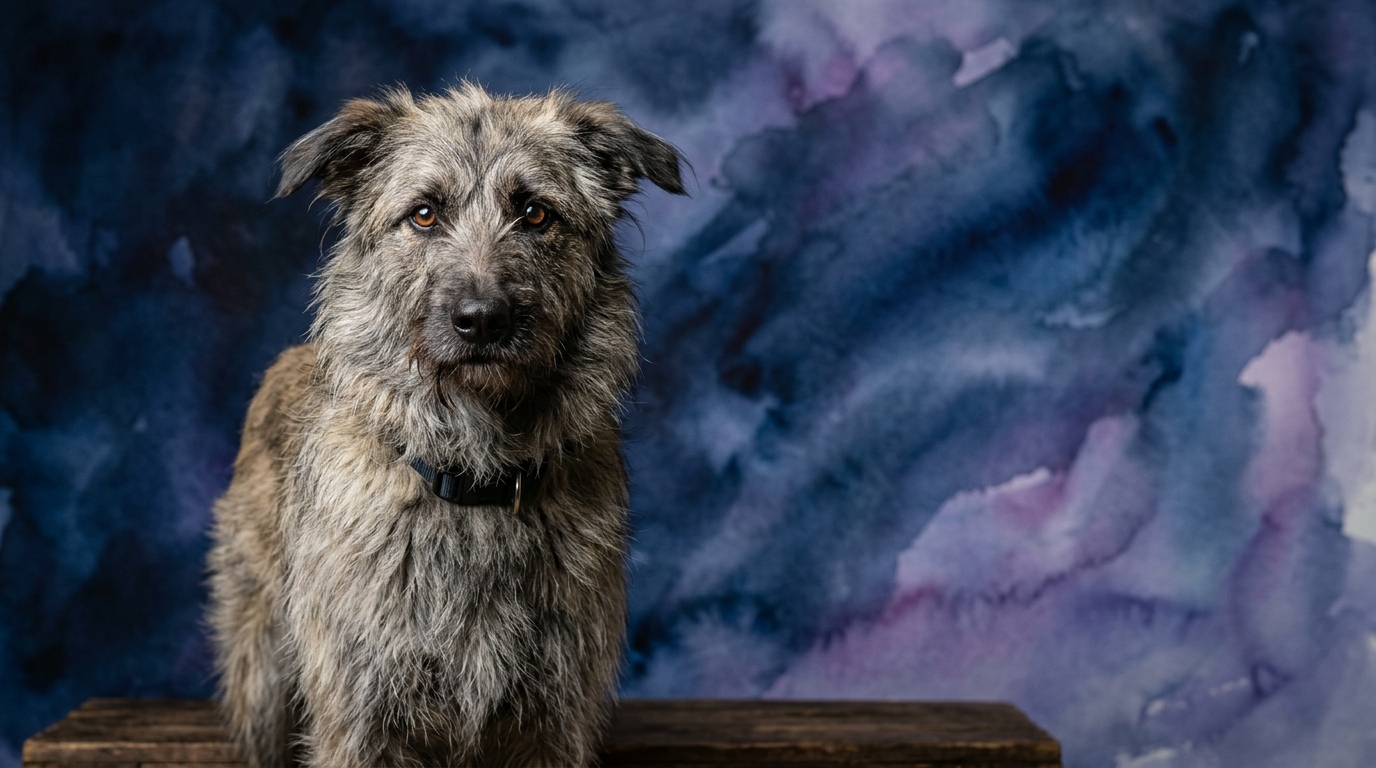
Side-by-Side Cognitive Profiles: The Sporting Enthusiast vs. The Herding Sentinel
The English Springer Spaniel, a Sporting Group member, consistently ranks high in canine cognitive studies, placing #13 in Coren's list, reflecting a mind built for quick processing and cooperative work. Their problem-solving ability is rated at 4/5, indicating a strong capacity to navigate complex situations and adapt strategies. Training speed is exceptional at 5/5, meaning they grasp new commands and routines with remarkable alacrity. Social intelligence, crucial for their retrieving and flushing roles, stands at 4/5, enabling them to keenly interpret human cues and intentions. An instinctive drive of 5/5 underscores their intense desire to work and retrieve, while a memory score of 4/5 ensures they retain learned behaviors and pathways effectively.
In contrast, the Pyrenean Shepherd, a Herding Group dog, presents a distinct cognitive profile, not appearing on Coren's traditional ranking but excelling in its specialized domain. Their problem-solving capacity is rated 3/5, suggesting a more methodical approach to novel challenges, often relying on learned patterns rather than spontaneous innovation. Training speed is 3/5, meaning they require consistent, patient instruction, absorbing information steadily rather than instantly. Social intelligence, also 3/5, reflects a breed that is watchful and observant, forming strong bonds but often with a degree of independence. Their instinctive drive, at 3/5, is highly specialized for herding, manifesting as focused vigilance and control over livestock, and their memory score of 3/5 indicates reliable retention of essential tasks and routines with repetition.
Where the English Springer Spaniel's Mind Shines Brighter
The English Springer Spaniel's cognitive strengths are most apparent in their rapid acquisition of new skills and their enthusiastic participation in structured tasks. Their 5/5 training speed means they pick up commands, tricks, and complex sequences almost effortlessly, making them a joy for owners who enjoy advanced obedience, agility, or competitive activities. This quick learning is bolstered by their 4/5 memory, allowing them to recall a vast repertoire of commands and routines even after periods of inactivity. Their 4/5 problem-solving ability ensures they can independently figure out how to retrieve a challenging object or navigate an obstacle course, often displaying a creative approach to reaching their goal.
Furthermore, their elevated social intelligence (4/5) enables a deep attunement to human emotion and instruction. English Springers are adept at reading body language and vocal tones, making them exceptionally responsive partners in dynamic activities like field trials or scent work. This blend of rapid learning, robust memory, and social acuity makes them highly adaptable to varied training scenarios and excel in roles requiring close cooperation and quick decision-making under instruction.
The Pyrenean Shepherd's Unique Cognitive Edge
While their numerical scores might suggest a less 'flashy' cognitive style, the Pyrenean Shepherd's mental architecture is perfectly optimized for its demanding herding heritage. Their 3/5 instinctive drive, though not as universally high as the Springer's, is intensely focused and precise, allowing them to exert subtle yet firm control over livestock with an innate understanding of flock dynamics. This drive is coupled with an enduring vigilance; their minds are constantly scanning, assessing, and reacting to environmental changes, a crucial cognitive trait for a watchful sentinel.
The Pyrenean Shepherd's 3/5 problem-solving and memory, while not indicating a generalist's quick wit, signify a mind that excels at consistent, repetitive tasks requiring endurance and focus. They are less prone to distraction by novelty, instead applying a steady, persistent mental effort to their duties. Their social intelligence, also 3/5, fosters an independent working style, allowing them to make decisions autonomously when separated from their handler, a necessary trait for herding over vast territories. This combination cultivates a dog that is self-reliant, highly observant, and possesses a remarkable capacity for sustained mental effort within its specific domain.
Training Dynamics: A Study in Patience and Precision
Training an English Springer Spaniel generally feels like a collaborative dance due to their 5/5 training speed and 4/5 social intelligence. They are eager to please and quick to connect the dots between a command and the desired action. Their strong memory means once a behavior is learned, it tends to stick, requiring less frequent refreshers. They thrive on positive reinforcement and engaging, varied training sessions that capitalize on their instinctual drive to work and retrieve. Owners will find them receptive to complex sequences and capable of rapidly progressing through various levels of obedience or sport training.
Conversely, training a Pyrenean Shepherd demands a different approach, prioritizing patience, consistency, and an understanding of their independent herding mindset. Their 3/5 training speed means they require more repetition and clear, concise instruction. They are not as inherently eager to please in the same demonstrative way as a Springer; instead, they learn best through a calm, confident handler who establishes clear boundaries and expectations. Their 3/5 social intelligence means they might not be as overtly responsive to subtle cues, necessitating more direct communication. Training must be approached with a long-term perspective, focusing on building a strong, trusting relationship that respects their self-sufficient nature, rather than expecting instant compliance.
Matching Minds to Lifestyles: Active Engagement vs. Focused Vigilance
For active owners seeking a highly engaged and cooperative canine partner, the English Springer Spaniel is an excellent choice. Their high instinctive drive (5/5) and need for mental stimulation make them ideal for individuals or families who enjoy daily structured activities like long walks, runs, hiking, or participation in dog sports such as agility, flyball, or scent work. They thrive on having a 'job' and being an integral part of their human's daily life, preferring constant interaction and mental challenges over long periods of self-entertainment. Their social intelligence makes them adaptable to various social settings, enjoying interactions with people and other animals when properly socialized.
The Pyrenean Shepherd, on the other hand, suits owners who appreciate a more independent, watchful, and physically enduring companion, often in more rural or active outdoor settings. While they are certainly energetic, their energy is often expressed through vigilant observation and sustained activity rather than frantic bursts. They require an owner who understands their herding instincts and can provide outlets for their focused drive, perhaps through herding trials, extensive hiking, or simply by allowing them to 'supervise' activities from a vantage point. They are not typically suited for relaxed, sedentary lifestyles, but their need for engagement is often more about purpose and territory than constant human-initiated play, making them a fit for experienced owners who value a dog with a strong sense of self and an innate work ethic.
The Verdict
Choose the English Springer Spaniel if you seek a highly cooperative, rapidly learning companion eager for diverse mental and physical engagement, excelling in structured activities and close partnership.
Opt for the Pyrenean Shepherd if you value an independent, vigilant, and enduring working dog with a specialized cognitive focus, suited for experienced owners who appreciate a self-reliant guardian.
🧠 Find Your Pet's IQ Score
Our Pet IQ Lab assessment covers 25+ tests across 5 cognitive dimensions — personalized to your breed.
Take the Full IQ Test →Frequently Asked Questions
Which breed is generally easier for a first-time dog owner?
The English Springer Spaniel is typically more forgiving for a first-time owner due to their high training speed, eagerness to please, and strong social intelligence, making them more adaptable to various household dynamics and training approaches. The Pyrenean Shepherd's independent nature and specific herding instincts can be more challenging for those without prior dog experience.
Do Pyrenean Shepherds have a strong prey drive like Springers?
While both breeds have strong instincts, their drives manifest differently. English Springers have a very high instinctive drive (5/5) often expressed as a strong prey drive for flushing and retrieving. Pyrenean Shepherds have a focused herding drive (3/5) which is more about control and gathering than chasing and capturing, though they can be quite vigilant and reactive to movement.
Which breed requires more mental stimulation daily?
Both breeds require substantial mental stimulation. The English Springer Spaniel, with its high problem-solving and training speed, thrives on varied, interactive challenges and learning new tasks. The Pyrenean Shepherd needs consistent engagement that taps into its vigilant, purposeful herding mind, often through observation, structured routines, and opportunities to 'work' or survey its environment.