
A Cognitive Blueprint: English Springer Spaniel vs. Rhodesian Ridgeback
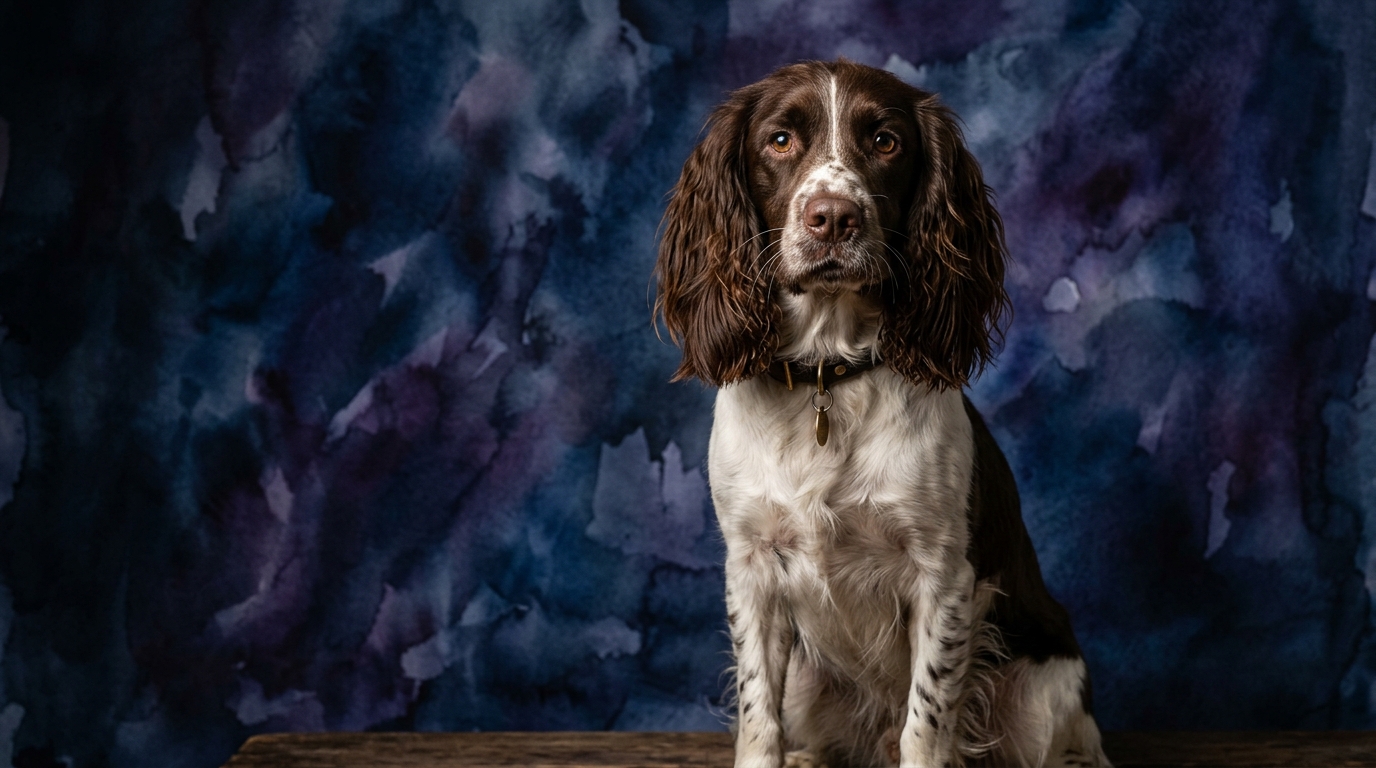
The English Springer Spaniel, ranking #13 on the Coren scale, presents a cognitive profile built for collaborative fieldwork and rapid task acquisition. Their Problem Solving is rated 4/5, indicating a strong capacity for navigating complex scenarios and adapting to new challenges. Training Speed is exceptional at 5/5, reflecting their eagerness to learn and retain commands with remarkable efficiency. Social Intelligence, at 4/5, highlights their cooperative nature and responsiveness to human cues, while their Instinctive Drive, a perfect 5/5, underscores their deep-seated motivation for retrieving and working alongside handlers. Memory, also 4/5, supports their ability to recall intricate sequences of tasks and learned behaviors over time.
In contrast, the Rhodesian Ridgeback, positioned at #52 on the Coren scale, exhibits a cognitive makeup geared towards independent judgment and self-reliance, characteristic of a hound breed. Their Problem Solving is rated 3/5, suggesting a practical approach to challenges, often relying on their own assessment rather than immediate human direction. Training Speed stands at 3/5, indicating they are capable learners but may require more repetition and motivation than their spaniel counterpart. Social Intelligence, also 3/5, points to a more reserved and less overtly people-pleasing disposition, while their Instinctive Drive, rated 3/5, is channeled towards tracking, guarding, and exercising independent judgment. Their Memory, at 3/5, is sufficient for essential routines and boundaries, though perhaps not for the rapid acquisition of extensive, complex command sets.
Cognitive Prowess: The Springer Spaniel's Edge
The English Springer Spaniel demonstrates a clear cognitive advantage in areas demanding quick uptake, complex task execution, and unwavering cooperation. Their Training Speed of 5/5 is a standout, meaning they absorb new commands and behaviors with remarkable alacrity. This isn't just about speed; it's about an inherent drive to understand and comply, making them exceptionally responsive to structured learning environments. For instance, teaching a Springer a multi-step retrieve, where they must mark a fall, navigate obstacles, and deliver to hand, is often a rapid process due to their capacity to link actions with desired outcomes efficiently.
Furthermore, their Instinctive Drive (5/5) is perfectly melded with their Problem Solving (4/5) and Social Intelligence (4/5). This combination allows them to excel in dynamic, real-world situations like scent work or agility, where they must independently solve problems (e.g., finding a hidden bird, navigating a new course) while remaining attuned to their handler's instructions. Their memory (4/5) solidifies these gains, enabling them to retain vast repertoires of commands and recall specific learned behaviors even after periods of inactivity, making them consistent performers in demanding roles.
Independent Thought: The Rhodesian Ridgeback's Unique Strengths
While the Rhodesian Ridgeback's scores might appear lower in traditional measures of obedience-focused intelligence, their cognitive profile shines in areas requiring self-sufficiency and discerning judgment. Their Problem Solving at 3/5, coupled with a more moderate Social Intelligence (3/5), translates into an ability to assess situations and act independently without constant human prompting. This was crucial in their historical role as hunters of dangerous game, where hesitation or over-reliance on a handler could be perilous. They are less inclined to blindly follow and more apt to consider the environment, demonstrating a practical intelligence rooted in self-preservation and situational awareness.
Their Instinctive Drive (3/5), while not geared for collaborative retrieving like a spaniel's, is deeply focused on vigilance, territoriality, and tracking. This manifests as a strong sense of purpose in guarding their family and property, a task requiring keen observation and independent decision-making. Their memory (3/5), though not for rapid, complex command acquisition, is entirely sufficient for retaining crucial boundaries, established routines, and the identities of trusted individuals versus potential threats. This independent cognitive framework means they can be trusted to make sound judgments in familiar environments, offering a different, yet equally valuable, form of intelligence.
Training Trajectories: Springer Spaniel vs. Rhodesian Ridgeback
Without question, the English Springer Spaniel is generally easier to train, primarily due to their exceptional Training Speed (5/5) and strong Social Intelligence (4/5). Springers possess an innate desire to please their human companions and thrive on positive reinforcement and engagement. They quickly grasp new concepts, often requiring fewer repetitions to solidify a command. Their high Instinctive Drive (5/5) means they are highly motivated by tasks that tap into their natural predispositions, such as retrieving or scent work, making training feel like a game rather than a chore. A Springer will often offer behaviors eagerly, seeking approval and interaction.
The Rhodesian Ridgeback, with a Training Speed of 3/5 and Social Intelligence of 3/5, presents a different training landscape. They are capable of learning, but their independent nature means they are less inclined to obey simply for the sake of pleasing. Training a Ridgeback requires immense patience, consistency, and a deep understanding of their motivations. They often respond best to logic and fairness, and attempts to force compliance can lead to stubbornness. Their learning often involves assessing the value of a command for themselves, rather than automatically accepting it. For example, a Ridgeback might take longer to perfect a 'stay' command, needing to understand *why* staying is beneficial in a given situation, whereas a Springer might comply readily due to their inherent desire to cooperate.
Lifestyle Match: Activity Levels and Cognitive Demands
For owners who embrace an active, hands-on lifestyle, the English Springer Spaniel is an ideal match. Their high Instinctive Drive (5/5) and problem-solving capacity (4/5) demand consistent mental and physical outlets. They thrive on structured activities like agility, obedience trials, field work, or long, engaging hikes that offer opportunities for scenting and retrieving. A Springer requires an owner who can consistently provide interactive engagement, channeling their boundless energy and sharp mind into productive tasks. Without sufficient mental stimulation, their cognitive strengths can manifest as boredom-driven behaviors like excessive barking or destructive chewing.
The Rhodesian Ridgeback, while requiring substantial exercise to maintain physical health, offers a different kind of companionship that might appeal to owners whose 'active' means less constant, direct human-led interaction. Their independent Problem Solving (3/5) and Instinctive Drive (3/5) are geared towards vigilance and patrolling rather than continuous collaborative tasks. They need regular, vigorous exercise – long runs, hikes, or secure off-leash play – but once their physical needs are met, they are often content to supervise their domain from a comfortable spot. Their cognitive demands are more about providing a clear structure, boundaries, and a sense of purpose (like guarding), rather than constant interactive games or complex training sessions.
The Verdict
Choose the English Springer Spaniel if you desire a highly trainable, eager-to-please companion for active, collaborative pursuits like dog sports, hunting, or extensive outdoor adventures. They thrive on consistent engagement and excel with owners who can channel their sharp mind and boundless energy into productive tasks.
Opt for the Rhodesian Ridgeback if you seek an independent, discerning companion who offers loyal guardianship and enjoys a clear, consistent structure, paired with vigorous, self-directed exercise. They suit owners who appreciate a dog with a strong sense of self and are prepared to engage in patient, fair training.
🧠 Find Your Pet's IQ Score
Our Pet IQ Lab assessment covers 25+ tests across 5 cognitive dimensions — personalized to your breed.
Take the Full IQ Test →Frequently Asked Questions
Is the English Springer Spaniel truly 'smarter' than the Rhodesian Ridgeback?
The term 'smarter' is nuanced; the Springer exhibits higher scores in areas like training speed and collaborative problem-solving, making them quicker to learn human-directed tasks. The Ridgeback, however, possesses a practical, independent intelligence crucial for self-reliance and discerning judgment in their historical roles.
Do both breeds require a lot of exercise?
Yes, both breeds require significant exercise, but their needs differ in nature. Springers need constant interactive mental and physical stimulation, often in collaboration with their owner. Ridgebacks require vigorous physical activity like running, but can then be content with independent supervision, though still benefiting from mental challenges.
Are English Springer Spaniels or Rhodesian Ridgebacks better with children?
English Springer Spaniels, with their higher social intelligence and cooperative nature, often integrate well into active family life, enjoying play. Rhodesian Ridgebacks can be excellent family protectors but are more reserved and require careful socialization and supervision with children due to their independent nature and powerful build.