
Side-by-Side Cognitive Profiles: English Springer Spaniel vs. Saluki
The English Springer Spaniel, a distinguished member of the Sporting group and notably Coren-ranked at #13, presents a cognitive profile geared towards partnership and performance. Their problem-solving acumen rates a strong 4/5, indicating a capacity to quickly understand and navigate complex tasks, particularly when a human-directed goal is involved. Training speed is an exceptional 5/5, reflecting their eagerness to learn and absorb new commands with remarkable efficiency and few repetitions. Social intelligence stands at 4/5, signifying a deep attunement to human cues, a desire for collaborative interaction, and an ability to integrate smoothly into family structures. Their instinctive drive is a powerful 5/5, manifesting as an intense desire to retrieve, scent, and work alongside their handler. Finally, their memory, rated 4/5, ensures they retain learned behaviors and routines reliably, contributing significantly to their overall trainability and effectiveness in various roles.
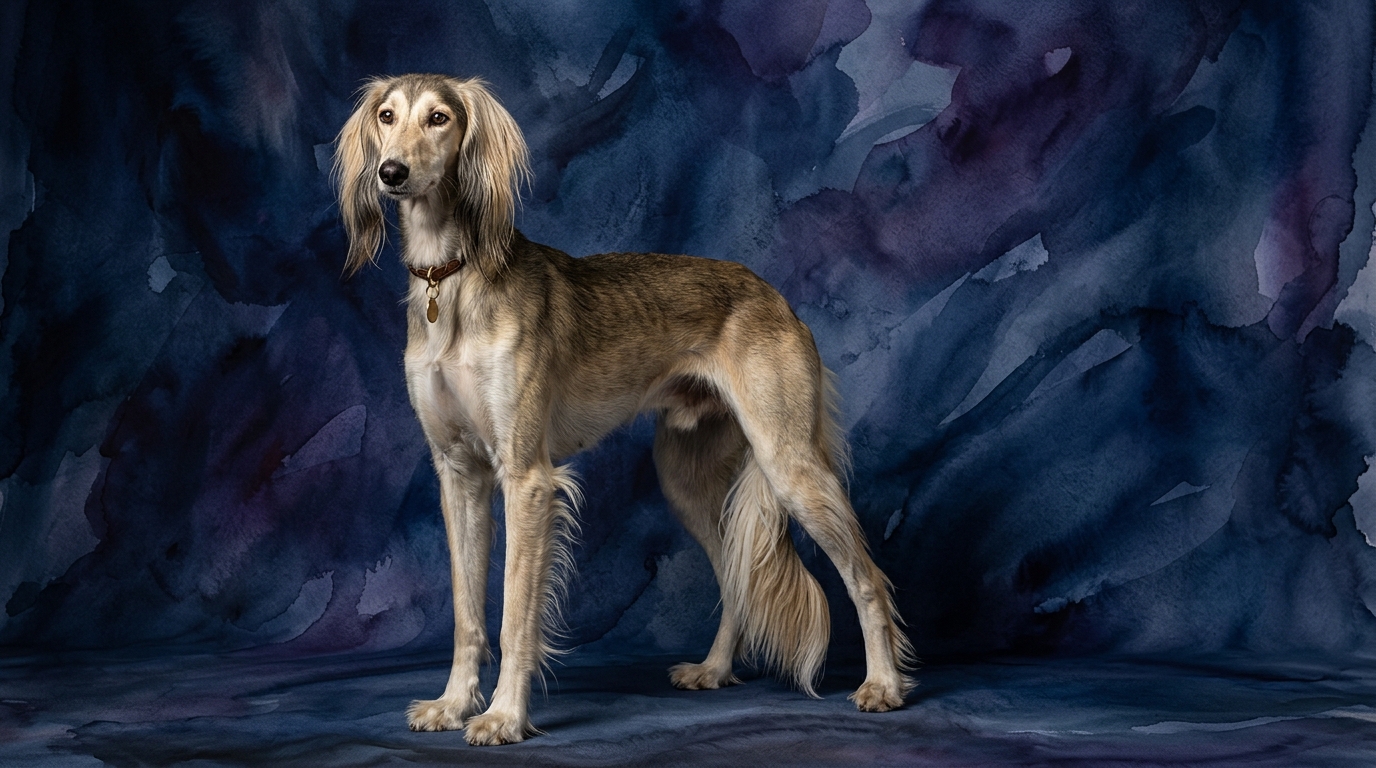
In contrast, the Saluki, a venerable Hound breed not appearing on the Coren ranking, showcases a cognitive design honed for independent pursuit and self-reliance. Their problem-solving score of 3/5 suggests they are capable strategists, but often prefer to devise their own solutions, especially when motivated by an independent interest rather than a human directive. Training speed is a moderate 3/5; while they can learn, it often requires more patience, repetition, and a compelling reason from their perspective, as they are not inherently driven by a desire to constantly please. Social intelligence is also 3/5, reflecting an affectionate but often reserved nature; they form deep bonds with their chosen few but can be aloof with strangers, valuing their personal space. Their instinctive drive, rated 3/5, is a potent urge for sight-based pursuit, requiring swift, autonomous decision-making over collaborative effort. Memory at 3/5 indicates they retain important information but might be selective in what they commit to long-term, particularly regarding repetitive commands they deem uninteresting.
Where the English Springer Spaniel Excels Cognitively
The English Springer Spaniel demonstrates clear cognitive advantages in scenarios demanding close human partnership and rapid assimilation of new information. Their superior training speed and social intelligence allow them to excel at understanding and executing multi-step commands with precision and enthusiasm, making them exemplary candidates for obedience, agility, and field trials. They are more adept at adapting to novel training scenarios, quickly internalizing new rules and expectations due to their inherent eagerness to collaborate and focus on their handler. Furthermore, their cognitive strength shines in social navigation within a complex human environment, readily picking up on subtle mood shifts and expectations, which fosters a harmonious living situation. They consistently outperform in tasks requiring sustained focus on a human-directed goal, showcasing a remarkable capacity for cooperative learning and performance.
Where the Saluki's Cognition Shines
The Saluki's cognitive strengths lie in areas prioritizing autonomy and independent decision-making, reflecting their ancient role as a sighthound. They possess an exceptional ability for independent problem-solving in expansive environments, particularly concerning pursuit, navigation, and strategy when tracking moving objects. Their intelligence allows them to make swift, autonomous decisions in high-speed scenarios, often without needing or waiting for human input, which is critical for their hunting style. While their memory score is moderate, it's particularly robust for spatial awareness and recalling efficient paths or effective hunting strategies. Cognitively, they are adept at conserving energy and making efficient choices when not actively engaged, a trait beneficial for a breed designed for intense bursts of activity followed by rest. This independence also translates into a lower propensity for separation anxiety, as their social intelligence allows for a more subtle, less demanding companionship.
Training Dynamics: Which Breed is Easier to Guide?
Evaluating trainability reveals a significant divergence between these two breeds. The English Springer Spaniel is unequivocally easier to train, a direct consequence of their exceptional training speed and high social intelligence. They possess an innate desire to understand and comply with human directives, actively seeking to please their owners. Their powerful instinctive drive is often channeled and refined through human guidance, transforming natural instincts like retrieving into a highly coordinated working partnership. They thrive on positive reinforcement and clear, consistent instruction, quickly forming associations between actions, rewards, and the satisfaction of their handler. Unlike some breeds, they rarely "tune out" during training sessions because they genuinely enjoy the interaction and the mental stimulation it provides, making repetitive drills productive rather than tedious.
The Saluki, conversely, presents a more challenging training experience, largely due to their independent problem-solving approach and their distinct social intelligence. Their training speed, while adequate, is not fueled by an overwhelming desire to please, but rather by their own perceived interest or utility of a command. They are discerning learners who evaluate commands based on whether they align with their internal motivations, not solely on owner expectation. Their instinctive drive for independent chase can directly conflict with obedience commands like recall if a compelling visual stimulus appears, requiring an exceptionally strong foundation and unwavering consistency. Training a Saluki demands immense patience, a profound understanding of their independent nature, and a creative approach that makes learning feel like a collaborative game rather than strict instruction. Rote learning often bores them, necessitating varied and engaging methods to maintain their attention and cooperation.
Matching Breeds to Owner Lifestyles: Active vs. Relaxed
When considering owner lifestyles, both breeds present distinct requirements for engagement. The English Springer Spaniel is an ideal match for active owners who relish structured activities, dog sports like agility or flyball, long, invigorating hikes, and consistently engaging their canine companion in mentally stimulating "work." They require more than just physical exercise; they need their minds challenged through training, puzzle toys, and interactive play. Owners seeking a highly responsive, eager partner for adventures, competitive events, or a constant companion in their daily endeavors will find the Springer Spaniel exceptionally fulfilling. For truly relaxed owners who prefer minimal interaction and exercise, an English Springer Spaniel is not suitable; their high mental and physical demands, if unmet, will likely manifest as destructive chewing, excessive barking, or other behavioral issues stemming from boredom and pent-up energy.
The Saluki also suits active owners, but their activity needs are qualitatively different. They thrive with owners who appreciate independent bursts of intense exercise, such as lure coursing or long, secure off-leash runs where their powerful sighthound instincts can be safely expressed. For a Saluki, "active" often means high-intensity sprints followed by significant periods of rest; they are not typically suited for endurance running alongside a human for miles. Owners must provide a safe, fenced environment for their unique athleticism. Surprisingly, Salukis can also suit more "relaxed" owners *if* their independence is understood and their specific exercise requirements are met. They are often calm, dignified, and content to lounge indoors for much of the day, not demanding constant interaction or "work" from their human. This "relaxed" owner is committed to providing those brief, intense bursts of physical activity but doesn't require a dog that is constantly "on" or seeking attention.
The Verdict
Choose the English Springer Spaniel if you desire a highly trainable, cooperative companion eager to learn and participate in various activities, thriving on close partnership and consistent mental engagement.
Opt for the Saluki if you appreciate an independent, elegant companion with a unique, subtle bond, capable of autonomous thought, and you can provide ample, secure outlets for their powerful sighthound instincts.
🧠 Find Your Pet's IQ Score
Our Pet IQ Lab assessment covers 25+ tests across 5 cognitive dimensions — personalized to your breed.
Take the Full IQ Test →Frequently Asked Questions
Are Salukis difficult to train?
Salukis are not inherently difficult, but their independent nature means training requires patience, creativity, and understanding their motivations. They respond best when tasks are presented as engaging and worthwhile from their perspective, rather than through rote instruction.
Do English Springer Spaniels need a lot of exercise?
Yes, English Springer Spaniels are working dogs with significant energy and a strong drive. They require substantial daily physical activity combined with consistent mental stimulation through training, games, or scent work to prevent boredom and potential behavioral issues.
How do their social intelligence ratings impact their family life?
The English Springer Spaniel's higher social intelligence typically leads to seamless integration into family dynamics, as they actively seek interaction and readily pick up on human cues. Salukis, while deeply affectionate with their family, tend to be more reserved and independent, forming profound yet often more subtle bonds within the household.