Side-by-Side IQ Profile
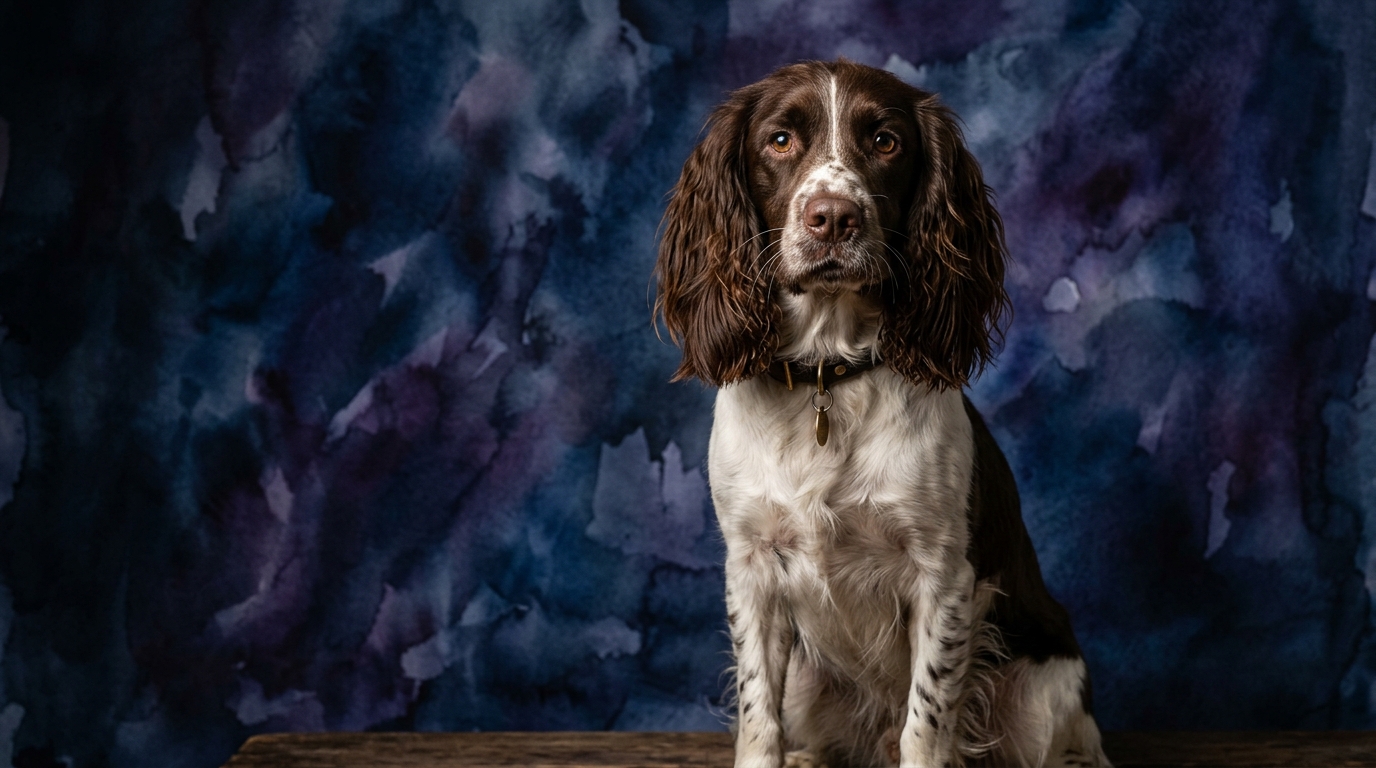
The English Springer Spaniel, ranked #13 by Coren, exhibits a robust cognitive profile tailored for demanding field work. Their Problem Solving is rated 4/5, indicating a strong capacity to analyze situations and devise effective solutions, often in dynamic environments. Training Speed is an exceptional 5/5, reflecting their rapid grasp of new commands and sequences. Social Intelligence stands at 4/5, enabling them to keenly interpret human cues and collaborate effectively. Their Instinctive Drive is a powerful 5/5, fueled by an intense desire to retrieve, scent, and work, while their Memory is a solid 4/5, ensuring retention of complex tasks and experiences.
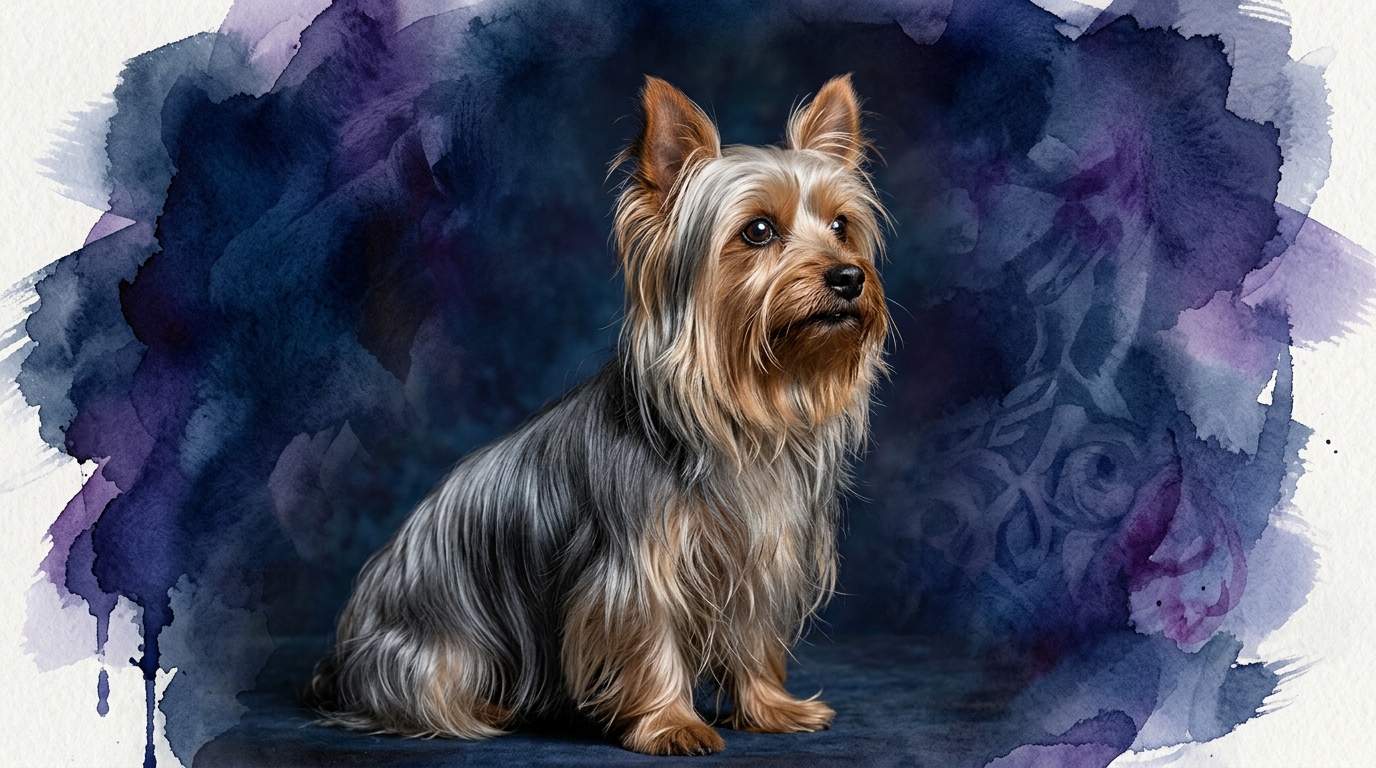
In contrast, the Silky Terrier, a Toy group member not listed in Coren's rankings, presents a different set of mental aptitudes suited for companionship. Their Problem Solving is rated 3/5, suggesting they can navigate common household challenges but might require more time or trial-and-error for complex puzzles. Training Speed is 3/5, meaning they learn at a moderate pace, benefiting from patience and consistency. Social Intelligence is 3/5, allowing them to form strong bonds and understand familiar social dynamics, though they can be discerning with new interactions. Their Instinctive Drive is 3/5, reflecting a typical terrier's moderate prey drive and confident exploration, and their Memory is also 3/5, sufficient for daily routines and basic commands.
Where English Springer Spaniel Wins Cognitively
The English Springer Spaniel's cognitive strengths distinctly outshine the Silky Terrier in areas demanding sustained focus, complex task execution, and rapid learning. Their 5/5 training speed means they absorb new commands and multi-step tasks with remarkable efficiency, often requiring fewer repetitions to achieve proficiency. This makes them exceptionally adept at advanced obedience, agility, or specialized scent work, where a trainer's instruction is quickly translated into action.
Furthermore, the Springer's 4/5 problem-solving coupled with a 5/5 instinctive drive gives them a significant advantage in adaptive, goal-oriented scenarios. They don't just follow orders; they apply learned principles to novel situations, such as navigating varied terrain to locate a hidden object or figuring out how to retrieve something from an awkward spot. Their high social intelligence also fosters a deeper, more cooperative working relationship, making them highly responsive to subtle human cues and eager to engage in collaborative efforts.
Where Silky Terrier Wins Cognitively
While not bred for complex working tasks, the Silky Terrier possesses cognitive advantages rooted in their companion role. Their 3/5 problem-solving, though not as high as the Springer's, is often applied to more independent, self-serving endeavors, like figuring out how to get attention, find a comfortable sunbeam, or cleverly 'negotiate' for a treat. This can manifest as an endearing resourcefulness within a domestic setting, requiring less direct instruction to manage their personal comfort and desires.
The Silky Terrier's 3/5 social intelligence, while perhaps more selective than a Springer's, allows them to form incredibly strong, focused bonds with their primary caregivers. They excel at reading the nuanced emotional states and routines of their immediate family, often becoming deeply attuned to household dynamics. This discerning social acumen means they can be excellent at detecting changes or strangers, acting as surprisingly effective small watchdogs, a trait not necessarily requiring a high Coren ranking but valuable for specific owner preferences.
Which is Easier to Train and Why
The English Springer Spaniel is unequivocally easier to train compared to the Silky Terrier, a difference rooted in their fundamental behavioral drivers and cognitive profiles. The Springer's 5/5 training speed combined with their 5/5 instinctive drive for cooperative work makes them naturally inclined to learn and please. They possess an inherent eagerness to engage with their human partners, find satisfaction in performing tasks, and quickly grasp new concepts, making training sessions highly productive and rewarding for both dog and owner. Their strong memory (4/5) ensures that once a command is learned, it is retained effectively.
The Silky Terrier's 3/5 training speed and 3/5 instinctive drive mean training requires significantly more patience and creative motivation. Silky Terriers often exhibit an independent streak; while they are capable of learning, their motivation is less about cooperative work and more about what benefits them directly. They might require more repetitions to solidify commands, and their attention can wander if training isn't consistently engaging and fun. Owners must be prepared for a more gradual training journey, focusing on positive reinforcement to overcome their occasional stubbornness and maintain interest.
Which Suits Active Owners vs Relaxed Owners
The English Springer Spaniel is ideally suited for highly active owners who seek a canine partner for outdoor adventures and consistent mental engagement. Their potent 5/5 instinctive drive demands regular outlets for their energy and working capabilities, whether it's long hikes, retrieving games, scent work, or participation in dog sports like agility or flyball. An owner who can commit to daily rigorous exercise and provide stimulating training sessions will find the Springer a joyful, tireless companion that thrives on having a 'job' to do. Neglecting these needs can lead to boredom and undesirable behaviors.
The Silky Terrier, while spirited, is a better fit for owners with a more relaxed lifestyle who still appreciate a dog with personality and moderate activity requirements. Their 3/5 instinctive drive means they enjoy walks, playtime, and exploring a yard, but they don't demand the same intensity or duration of exercise as a Springer. They are content to be involved in family activities and appreciate cuddles on the couch. Owners who prefer a smaller companion for indoor living, with manageable exercise needs but still a confident and engaging presence, will find the Silky Terrier a delightful match.
The Verdict
Choose an English Springer Spaniel if you are an active, dedicated owner seeking a highly trainable, cooperative partner for demanding activities, eager to invest in consistent mental and physical stimulation. Their exceptional working intelligence thrives with a purpose.
Opt for a Silky Terrier if you desire a spirited, independent companion for a more relaxed home environment, prepared to engage in consistent but patient training, and appreciate a dog that forms deep, discerning bonds with its inner circle.
🧠 Find Your Pet's IQ Score
Our Pet IQ Lab assessment covers 25+ tests across 5 cognitive dimensions — personalized to your breed.
Take the Full IQ Test →Frequently Asked Questions
How do their problem-solving abilities differ in everyday life?
An English Springer Spaniel (4/5) might quickly figure out how to open a complex crate latch or strategize during a game of fetch, while a Silky Terrier (3/5) might focus on simpler challenges like getting to a favorite toy under furniture or signaling for attention.
Which breed is better for first-time dog owners?
Due to their higher training speed and eagerness to please, English Springer Spaniels can be good for first-time owners who are committed to providing ample exercise and mental engagement. Silky Terriers, with their independent streak, might be more challenging for novice owners who are not prepared for consistent, patient training.
Do either of these breeds have strong prey drives?
Yes, both breeds possess instinctive drives related to hunting, though to different degrees. The English Springer Spaniel has a very strong 5/5 instinctive drive for retrieving and scenting, while the Silky Terrier has a moderate 3/5 prey drive typical of terriers, often expressed through chasing small animals or toys.