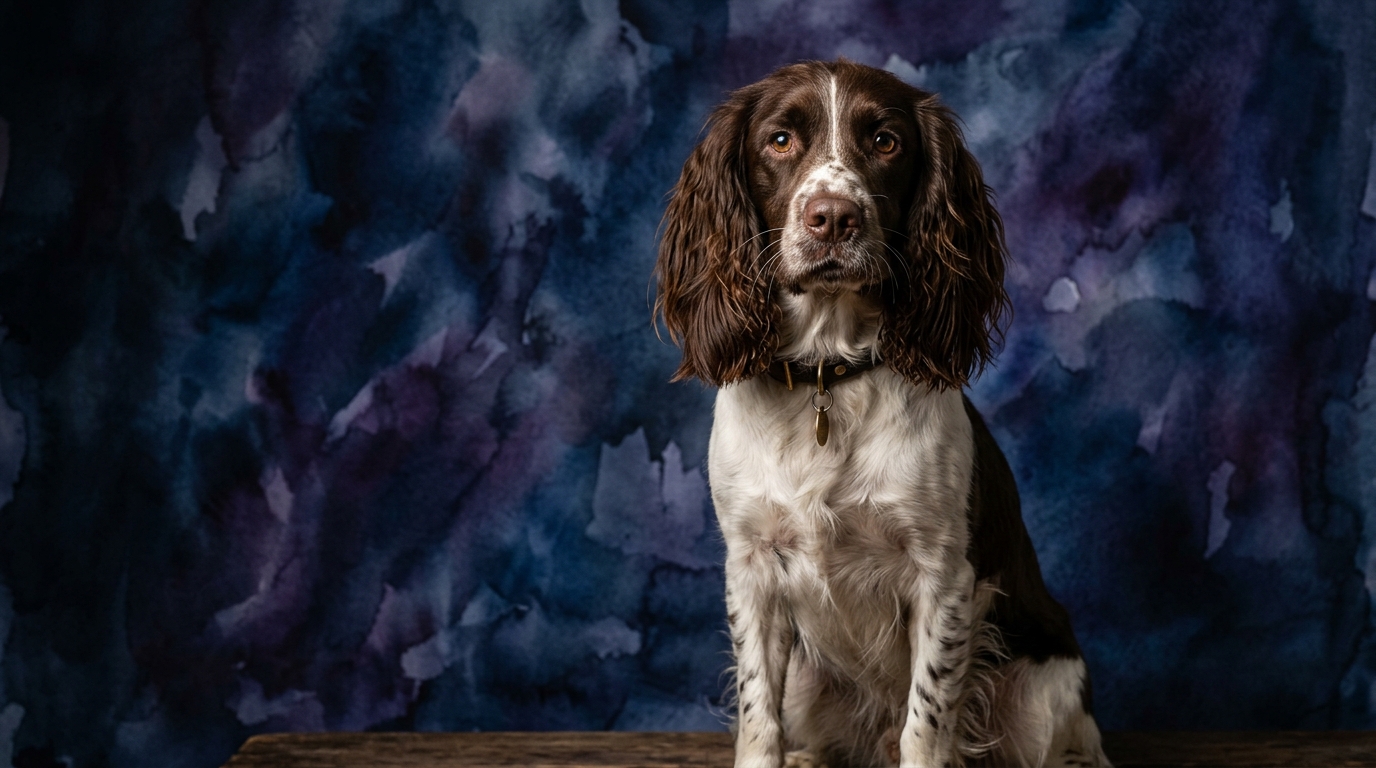
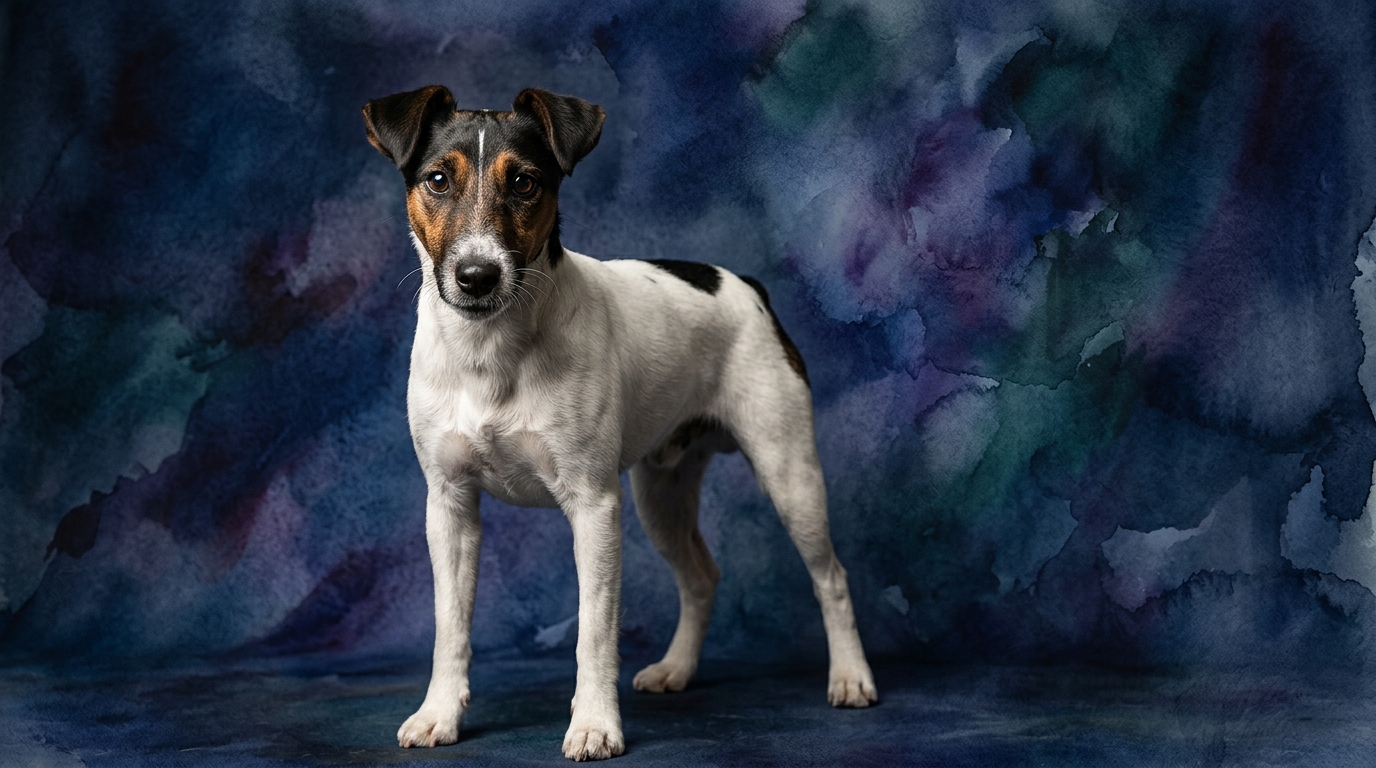
Side-by-Side IQ Profile: English Springer Spaniel vs. Smooth Fox Terrier
The Cosmic Pet Pet IQ Lab employs five key dimensions to assess canine intelligence, offering a granular view of each breed's cognitive strengths. Understanding these metrics helps illuminate why certain breeds excel in specific tasks and how they interact with their environment and human companions.
**English Springer Spaniel (Coren Rank #13, Sporting Group)**
**Problem Solving (4/5):** These spaniels excel at navigating complex tasks, like multi-step retrieves or scent work, demonstrating resourcefulness and adaptability in various scenarios. Their ability to assess and adjust makes them highly effective workers.
**Training Speed (5/5):** Renowned for their eagerness and focus, English Springer Spaniels learn new commands with remarkable rapidity, reflecting a deep desire for cooperation and understanding of human cues. They pick up new lessons quickly and retain them well.
**Social Intelligence (4/5):** Naturally inclined towards partnership, they are adept at reading human emotions and intentions, fostering strong bonds and harmonious household integration. This allows for intuitive communication and responsiveness.
**Instinctive Drive (5/5):** Their powerful drive to retrieve, flush, and work alongside humans is deeply ingrained, encompassing a cognitive component for anticipating game movement and executing tasks precisely. This drive is oriented towards cooperative endeavor.
**Memory (4/5):** English Springer Spaniels possess robust memory for commands, routines, and successful locations, aiding consistent performance of learned behaviors over time. They reliably recall past lessons and experiences.
**Smooth Fox Terrier (Not Coren-Ranked, Terrier Group)**
**Problem Solving (3/5):** Smooth Fox Terriers tackle problems with tenacity and independence, often using trial-and-error or direct action rather than methodical analysis, driven by immediate gratification. They are resourceful in their own way, finding creative solutions.
**Training Speed (3/5):** While capable, their independent nature means a more deliberate training pace, requiring consistent motivation and often questioning the 'why' before complying. They learn best with engaging, consistent methods.
**Social Intelligence (3/5):** Observant of humans, their social intelligence focuses on pack hierarchy and asserting boundaries, forming bonds but being less overtly people-pleasing than a spaniel. They are loyal but often on their own terms.
**Instinctive Drive (3/5):** Their drive centers on hunting vermin, manifesting as strong prey drive, digging, and exploring; this drive is often independently directed rather than cooperative. They pursue their own tasks with singular focus.
**Memory (3/5):** They retain information, especially if reinforced and engaging, but their independent streak can lead to selective memory when distractions arise, requiring patient reinforcement. What they deem important, they remember.
Where the English Springer Spaniel Wins Cognitively
The English Springer Spaniel distinctly surpasses the Smooth Fox Terrier in areas requiring cooperative problem-solving and rapid learning. Their 4/5 Problem Solving score signifies a strong capacity for strategic thinking and adaptability in complex tasks like agility or scent work, contrasting with the terrier's more impulsive approach. The Springer's 5/5 Training Speed is exceptional; they quickly absorb new commands, driven by an eagerness to please and work in unison. This rapid assimilation makes them highly adaptable to varied training disciplines, from advanced obedience to intricate field work.
Their 4/5 Social Intelligence also fosters a deeper, more intuitive partnership, enabling them to finely tune into human emotions and intentions. This strong social connection allows for nuanced communication and a proactive understanding of expectations, crucial for reducing misunderstandings during training or daily interactions. Finally, their 5/5 Instinctive Drive is not just powerful but also highly directed and cooperatively focused, emphasizing working *with* a human partner to achieve a shared goal, a different quality than the terrier's more solitary prey drive.
Where the Smooth Fox Terrier Wins Cognitively
While the Smooth Fox Terrier may not match the Springer Spaniel in cooperative learning, their cognitive strengths lie in areas demanding independent thought, resilience, and a formidable will. Their 3/5 Problem Solving reflects a distinct tenacity to achieve goals, often through persistence and self-devised solutions, like digging under obstacles or finding unconventional routes, rather than waiting for guidance. This showcases a resourceful, self-directed mental prowess, a hallmark of the terrier's independent working nature.
Their 3/5 Instinctive Drive, though rated lower for cooperative work, is potent and singularly focused on their original purpose: hunting vermin. This manifests as acute observational skills for small movements, an unwavering focus on a scent trail, and an innate understanding of how to navigate tight spaces or underground tunnels. This specific, purpose-driven cognitive faculty is a hallmark of the terrier group, enabling them to operate effectively without constant human oversight in their specialized tasks. Their 3/5 Memory is sufficient for retaining what they deem important, particularly if it serves their independent goals, such as remembering prime hunting spots or the location of a favored toy.
Which is Easier to Train and Why
Without question, the English Springer Spaniel is considerably easier to train than the Smooth Fox Terrier. This fundamental difference stems from their core temperaments and the historical roles they were bred for. English Springer Spaniels were developed to work in close partnership with hunters, requiring them to be highly biddable, responsive to commands, and eager to please. Their 5/5 Training Speed is a direct reflection of this desire to cooperate and their ability to quickly associate commands with actions and rewards. When a Springer learns a command, they are often genuinely invested in understanding and repeating the behavior to gain approval. Their 4/5 Social Intelligence further enhances this, as they are attuned to their handler's moods and intentions, making communication more fluid.
Smooth Fox Terriers, conversely, were bred to work independently, often out of sight, pursuing quarry underground. This required a strong sense of self-reliance and a certain degree of tenacity to persevere in challenging conditions. Their 3/5 Training Speed indicates they learn, but often on their own terms, requiring more repetition, creative motivation, and patience. A Fox Terrier might understand a command but choose not to comply if a more stimulating scent or perceived 'job' presents itself. Their 3/5 Instinctive Drive for independent hunting can often override a desire for human-directed tasks, making consistent obedience a greater challenge. The Springer's inherent desire for partnership makes them naturally inclined to follow direction, while the Fox Terrier's independent spirit often means you are negotiating rather than simply commanding.
Which Suits Active Owners vs. Relaxed Owners
Both the English Springer Spaniel and the Smooth Fox Terrier are undeniably active breeds, but their suitability for different owner lifestyles hinges on the *type* of activity and engagement they require. The English Springer Spaniel, with its 5/5 Instinctive Drive and need for cooperative work, thrives with active owners who enjoy structured outdoor activities like long hikes, retrieving games, agility, or field trials. Their need for mental stimulation often intertwines with physical exertion, meaning an owner who can consistently provide engaging, partnered activities will find a happy, well-adjusted companion. A relaxed owner might struggle to meet the Springer's demand for purposeful activity, potentially leading to boredom and undesirable behaviors.
The Smooth Fox Terrier also requires significant physical activity to manage its energy and strong prey drive. However, their independent nature means they might be more suited to owners who appreciate a dog that can entertain itself with digging, exploring, or chasing in a securely fenced yard, alongside regular walks. While they enjoy interaction, their engagement is often less about pleasing an owner and more about fulfilling their own instincts. Neither breed is truly suited for a sedentary, relaxed owner who prefers minimal interaction or exercise. However, the Springer's need for *partnered* activity makes it a better fit for owners who want a canine teammate, while the Fox Terrier is a better fit for owners who can provide ample physical outlets for its independent, tenacious spirit, even if they aren't always directly participating in the same way.
The Verdict
For owners seeking a highly biddable, cooperative, and eager-to-please canine partner for structured activities and a strong bond, the English Springer Spaniel is the clear choice. Their superior training speed, social intelligence, and cooperative drive make them ideal for obedience, agility, and family life where partnership is paramount.
Conversely, the Smooth Fox Terrier is best suited for experienced owners who appreciate a tenacious, independent, and spirited companion with a strong will and a penchant for self-directed activity. They thrive with consistent, engaging training and secure environments that respect their unique terrier drive and problem-solving prowess.
🧠 Find Your Pet's IQ Score
Our Pet IQ Lab assessment covers 25+ tests across 5 cognitive dimensions — personalized to your breed.
Take the Full IQ Test →Frequently Asked Questions
Does Coren rank apply to Smooth Fox Terriers?
The Coren ranking system, which assesses working and obedience intelligence, primarily reflects a dog's ability to learn and respond to human commands quickly. Smooth Fox Terriers were not included in the original Coren study because their independent working style, focused on hunting vermin without constant human direction, doesn't align with the criteria for 'obedience intelligence'.
Are Smooth Fox Terriers difficult to live with due to their independence?
Smooth Fox Terriers are not inherently difficult, but their independence and strong instincts demand consistent training, early socialization, and a securely fenced environment. Owners who understand their need for mental and physical engagement, and are prepared for their tenacious problem-solving, will find them spirited and loyal companions.
Can an English Springer Spaniel be a good first dog?
Yes, an English Springer Spaniel can be an excellent first dog for active individuals or families committed to their training and exercise needs. Their eagerness to please, high trainability, and social intelligence make them responsive pupils and adaptable family members, provided their need for engagement is consistently met.