
Side-by-Side Cognitive Profile
The Cosmic Pet Pet IQ Lab provides a unique framework to understand the mental make-up of our canine companions. For the English Springer Spaniel, a Sporting group dog, we see a profile geared towards collaborative efficiency and responsiveness, reflected in its Coren rank of #13.
Its Problem Solving ability is rated at 4/5, indicating a strong capacity to figure out complex tasks, often relying on learned patterns and environmental cues to achieve goals efficiently. Training Speed is an exceptional 5/5, meaning it absorbs new commands and routines with remarkable rapidity, eager to please and quick to form associations. Social Intelligence stands at 4/5, exhibiting a keen awareness of human emotional states and intentions, often adjusting behavior to maintain harmony. An Instinctive Drive of 5/5 highlights a formidable desire for retrieving and flushing, a deep-seated need to work alongside humans in a task-oriented manner. Finally, Memory at 4/5 ensures it retains learned behaviors, commands, and environmental layouts over long periods, allowing for consistent performance.
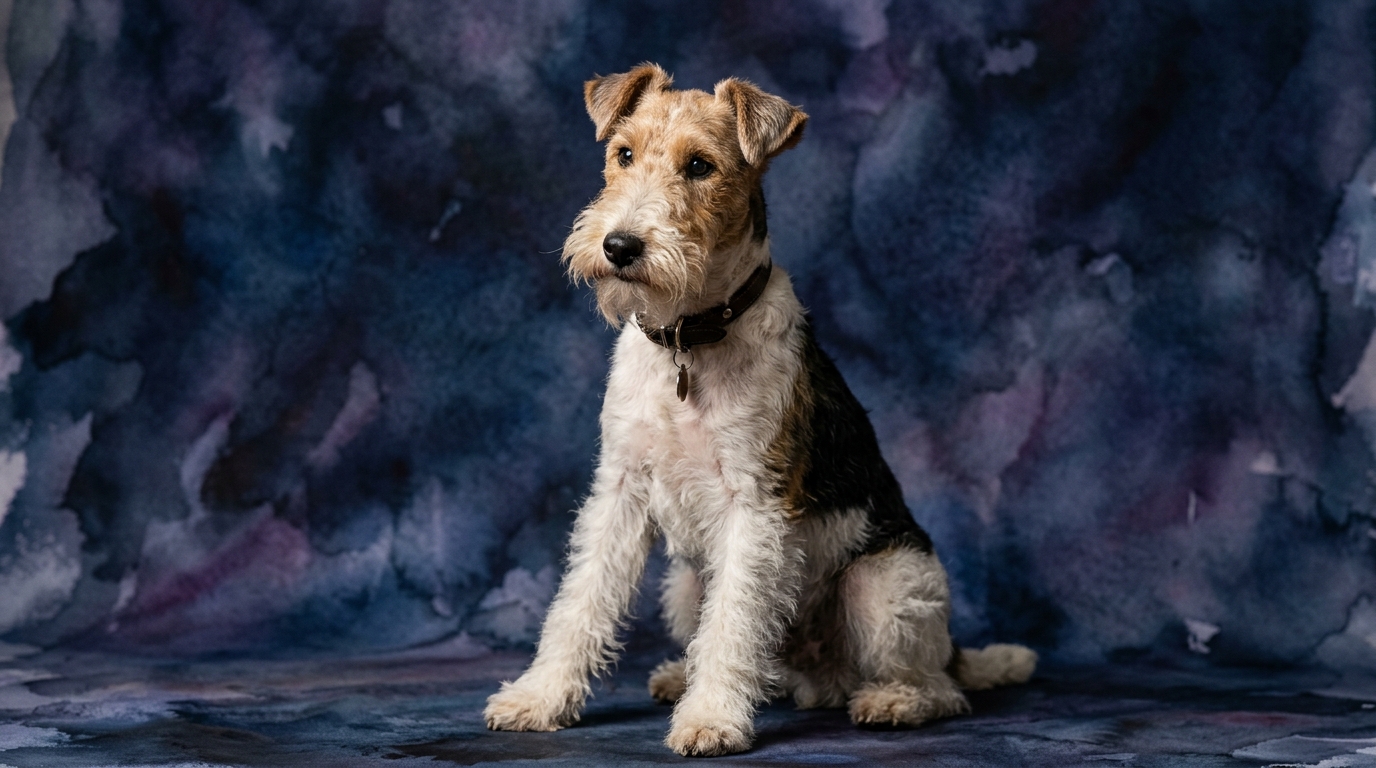
In contrast, the Wire Fox Terrier, a Terrier group dog without a specific Coren rank, presents a profile emphasizing independent thought and persistence, a hallmark of its heritage.
Its Problem Solving is rated 3/5, approaching challenges with a persistent, often independent, trial-and-error method, capable of figuring things out but sometimes preferring its own solutions. Training Speed is 3/5, indicating it learns new commands at a moderate pace, often requiring more repetition and consistent motivation due to its independent streak. Social Intelligence is 3/5, engaging with its environment and people with a curious and sometimes assertive demeanor, understanding social dynamics but often prioritizing its own interests. An Instinctive Drive of 3/5 signifies a strong, inherent drive for hunting and digging, rooted in its terrier background, which manifests as a persistent pursuit of small prey or interesting scents. Memory at 3/5 means it holds onto learned experiences and routines, but its independent nature might occasionally lead to a selective application of recalled information.
Where the English Springer Spaniel Excels Cognitively
The English Springer Spaniel's cognitive profile highlights its superior capacity for cooperative learning and responsiveness. Their 5/5 Training Speed means they process and embed new commands with remarkable efficiency, making complex sequences and nuanced cues accessible. This isn't just about how fast they learn; it's about a deep willingness to engage with human instruction and partnership.
Their 4/5 Social Intelligence allows them to finely tune into human intentions and emotions, fostering a bond where subtle gestures can convey significant meaning. This translates into a dog that not only learns quickly but learns *with* you, often anticipating needs and reacting empathetically. Furthermore, their 4/5 Problem Solving, combined with their strong Memory (4/5), enables them to navigate intricate tasks, such as multi-stage retrieves or complex agility courses, by applying previously learned solutions and adapting them with impressive fluidity. They excel in environments where precise execution and consistent recall are paramount, demonstrating an intellectual flexibility that serves complex collaborative work.
Where the Wire Fox Terrier's Mind Shines
While the Wire Fox Terrier's metrics may appear lower in a cooperative context, their cognitive strengths lie in areas distinct from direct obedience, reflecting their tenacious terrier spirit. Their 3/5 Problem Solving is often characterized by an independent, persistent approach, where they will relentlessly pursue a goal, even if it means trying multiple angles until success. This isn't about rapid compliance but about sheer determination to overcome obstacles, whether it's unearthing a hidden toy or finding a way around a barrier.
Their instinctive drive (3/5), though sometimes challenging in a domestic setting, represents a deep-seated resilience and self-reliance. This breed is not easily deterred and possesses a singular focus when something captures their interest, a cognitive trait that, while not always convenient for human training, speaks to a robust, self-directed mental fortitude. They excel in scenarios demanding independent thought and perseverance, rather than solely relying on direct instruction, showcasing a unique brand of canine cleverness.
Training Dynamics: A Tale of Two Breeds
When it comes to ease of training, the English Springer Spaniel definitively presents as the more straightforward breed, primarily due to their exceptional Training Speed (5/5) and high Social Intelligence (4/5). A Springer Spaniel typically shows an innate desire to understand and comply with human directives, often absorbing new commands in just a few repetitions. Their strong social connection means they actively seek to please their owners, making positive reinforcement highly effective. For instance, teaching a Springer to 'stay' will likely involve quick comprehension and a solid hold, driven by their desire for cooperation and reward.
In contrast, the Wire Fox Terrier, with a 3/5 Training Speed and 3/5 Social Intelligence, often approaches training with a more independent and sometimes selective mindset. While they are capable of learning, their inherent terrier tenacity means they might question the utility of a command or simply decide that their current investigation (like a fascinating scent) is more pressing. Training a Wire Fox Terrier to 'stay' might require far more patience, consistency, and creative motivation, as their focus can be easily diverted by environmental stimuli or their own agenda. Their problem-solving often leans towards finding their own solutions, rather than adhering strictly to human-imposed rules, which can make consistent obedience a longer endeavor.
Matching Canine Cognition to Lifestyle
For active owners seeking a dynamic partner, both breeds offer engagement, but with different nuances. The English Springer Spaniel, with its 5/5 Instinctive Drive and 4/5 Problem Solving, thrives on purposeful activity. Owners who enjoy long hikes, agility sports, field trials, or even just extensive games of fetch will find a Springer an enthusiastic and tireless companion, eager to learn new tasks and execute them flawlessly. Their significant need for physical and mental stimulation is high, making them ideal for individuals or families committed to daily, structured activity that taps into their cooperative nature.
Conversely, relaxed owners might find the Springer’s persistent need for engagement overwhelming without sufficient outlets. The Wire Fox Terrier, while also requiring regular exercise, often prefers varied exploration and independent adventures rather than highly structured, repetitive tasks. Their 3/5 Instinctive Drive manifests as bursts of energetic investigation, digging, and chasing. They suit active owners who appreciate a dog with a robust, independent spirit, perhaps enjoying off-leash exploration in secure areas or engaging in earthdog trials. However, their tenacity and independent problem-solving mean they might not be the best fit for owners expecting a calm, easily managed presence during downtime, as their curiosity can lead to self-directed entertainment. Relaxed owners, especially those seeking a low-maintenance companion, would likely find the Wire Fox Terrier's independent nature and need for engaging outlets a significant challenge.
The Verdict
Choose the English Springer Spaniel if you desire a highly cooperative, eager-to-please companion who excels in structured training, complex tasks, and thrives on shared activities. Their rapid learning and social acumen make them a joyful partner for active, engaged owners who value teamwork.
Opt for the Wire Fox Terrier if you appreciate an independent, tenacious spirit, a dog with a robust drive for exploration and a unique, self-directed approach to life. They suit owners prepared for a challenge in training and who admire a dog's spirited autonomy.
🧠 Find Your Pet's IQ Score
Our Pet IQ Lab assessment covers 25+ tests across 5 cognitive dimensions — personalized to your breed.
Take the Full IQ Test →Frequently Asked Questions
Do English Springer Spaniels bark a lot?
English Springer Spaniels can be vocal, often using barks to express excitement, alert their owners to visitors, or communicate needs. Their strong instinctive drive and social intelligence mean they are typically quick to learn when barking is appropriate or not, responding well to consistent training.
Are Wire Fox Terriers good with children?
Wire Fox Terriers can be good with older, respectful children who understand how to interact with a spirited and sometimes independent dog. Their energetic nature and tendency towards playful nipping or chasing might be overwhelming for very young children, requiring careful supervision and early socialization.
What kind of mental exercise do Wire Fox Terriers need?
Wire Fox Terriers thrive on mental challenges that engage their problem-solving and instinctive drive, such as puzzle toys, scent work, or supervised digging opportunities. Activities that allow them to use their independent thinking and tenacious spirit will keep them mentally stimulated and prevent boredom.