Side-by-Side Cognitive Profiles
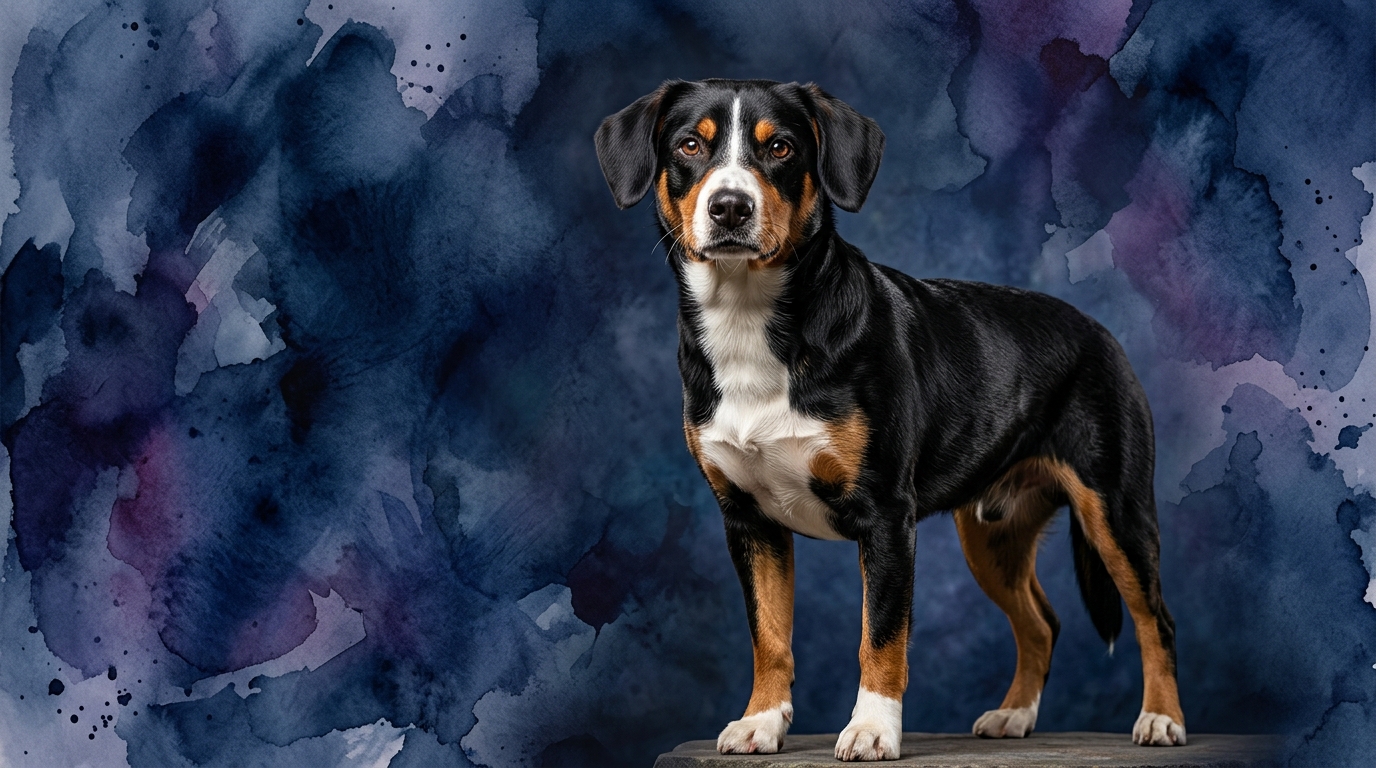
Despite their identical scores, the cognitive strengths of the Entlebucher Mountain Dog and Anatolian Shepherd Dog are channeled into vastly different roles. For the Entlebucher, a Herding breed, their intelligence is largely geared towards intricate cooperation and dynamic task execution alongside a human handler. Their problem-solving at 3/5 is applied to quickly assessing livestock movement, anticipating changes in terrain, and strategically guiding animals through complex patterns, often requiring rapid adjustments based on environmental cues. Their training speed, also 3/5, reflects an eagerness to learn handler-directed commands and sequences, internalizing new routines for herding or agility with moderate repetition. Social intelligence, at 3/5, is evident in their keen ability to read their handler's subtle signals, interpret the mood and direction of livestock, and navigate interactions within a working team. The Entlebucher's instinctive drive, again 3/5, is a powerful, focused impulse to gather and control, manifesting as an inherent desire to work and maintain order. Finally, their memory at 3/5 is robust for remembering complex herding routes, learned commands, and specific tasks, which allows them to execute multi-step operations effectively.
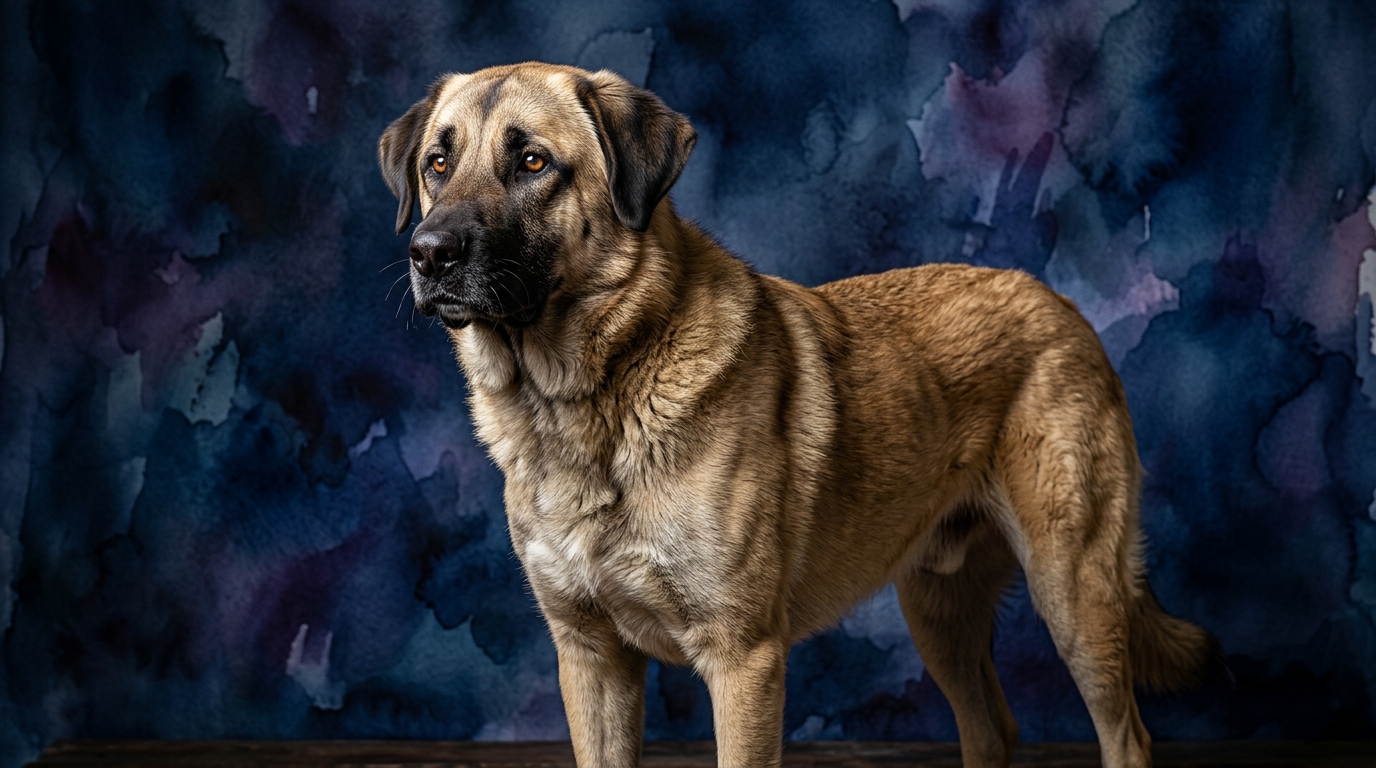
In contrast, the Anatolian Shepherd Dog, a Working breed renowned as a livestock guardian, applies its identical 3/5 cognitive scores to tasks requiring independence, vigilance, and subtle judgment. Their problem-solving at 3/5 is centered on assessing potential threats, strategically positioning themselves to deter predators, and finding solutions to protect their flock without direct human instruction. This involves evaluating scenarios and acting autonomously. The Anatolian's training speed, also 3/5, reflects an ability to learn boundaries, understand the nuances of their territory, and discern friend from foe, though often through observation and experience rather than repetitive obedience drills. Their social intelligence, at 3/5, is expressed through a deep understanding of their flock's behavior, reading subtle shifts in the environment that might signal danger, and communicating effectively with their charges through presence rather than direct intervention. The Anatolian's instinctive drive, a 3/5, is a profound protective impulse, a territoriality that compels them to guard their livestock and property with unwavering dedication. Their memory at 3/5 is crucial for retaining knowledge of their extensive territory, recognizing individual animals, and recalling past threats, enabling them to maintain long-term vigilance and effectiveness in their guardian role.
Where the Entlebucher Mountain Dog Excels Cognitively
The Entlebucher Mountain Dog truly shines in scenarios demanding close partnership, rapid response, and precision. Their cognitive strengths are perfectly suited for tasks where a handler's direction is paramount and quick, agile execution is required. An Entlebucher's 3/5 problem-solving ability manifests as an adeptness at navigating complex, dynamic environments under instruction, such as guiding sheep through a crowded pen or completing an intricate agility course. They excel at figuring out the optimal path or sequence of actions when given a specific goal by their human.
Their 3/5 training speed is particularly effective in learning nuanced cues and multi-step commands. This breed is adept at building a detailed repertoire of behaviors through consistent, positive reinforcement, making them responsive and cooperative partners in sports or working roles. The Entlebucher's social intelligence allows them to anticipate their handler's next move, picking up on subtle body language and vocal tones, which translates into seamless teamwork. This breed’s cognitive profile is optimized for active, engaged collaboration, where their intelligence is a tool for executing shared objectives with focus and enthusiasm.
Where the Anatolian Shepherd Dog Excels Cognitively
The Anatolian Shepherd Dog's cognitive strengths lie in areas of profound independence, observational prowess, and self-directed decision-making. Their intelligence is calibrated for roles where constant human intervention is impractical or undesirable. An Anatolian's 3/5 problem-solving is expressed in their capacity to autonomously assess threats and devise protective strategies in their territory, without needing a human to dictate every move. This might involve determining the best vantage point to observe, or deciding when to intervene with a perceived intruder, be it animal or human.
Their 3/5 social intelligence, while not focused on human cues in the same way as a herding dog, is exceptional in reading the subtle dynamics of their flock and the broader environment. They understand the comfort levels of their charges and can detect the slightest deviation from normal patterns, signaling potential danger. The Anatolian’s 3/5 memory is crucial for their long-term effectiveness, enabling them to recall territorial boundaries, identify individual animals under their care, and remember past encounters that inform future protective actions. Their intelligence is about sustained, autonomous vigilance and judicious action, making them unparalleled in roles requiring self-reliance and protective instincts.
Training: Entlebucher's Eagerness vs. Anatolian's Independence
When considering ease of training, the Entlebucher Mountain Dog generally presents a more straightforward experience for traditional obedience and task-specific learning. Their inherent herding drive includes a strong desire to engage and cooperate with a handler, meaning their 3/5 training speed is often amplified by their eagerness to please and work collaboratively. They thrive on structured training sessions, responding well to clear directions and consistent reinforcement, and are motivated by the opportunity to perform tasks alongside their human partner. This breed's intelligence is geared towards understanding and executing commands, making them highly receptive to learning new skills, from basic obedience to complex agility routines.
The Anatolian Shepherd Dog, however, approaches training with a distinctively independent mindset. While their 3/5 training speed indicates a capacity to learn, it is often filtered through their primary role as a guardian. An Anatolian will evaluate a command based on its perceived relevance to their protective duties or overall well-being, rather than simply complying out of a desire to please. This real behavioral difference means they often require a trainer who understands their self-reliant nature, prioritizing consistency, clear boundaries, and patience over repetitive drills. Training an Anatolian is less about rote memorization and more about building a respectful partnership where the dog understands the 'why' behind the rules, especially those pertaining to their territory and charges. While they can learn commands, their independent problem-solving means they might choose to prioritize their guarding instincts over a direct command if they perceive a threat.
Matching Breeds to Lifestyles: Active Engagement vs. Vigilant Autonomy
For owners seeking an actively engaged canine partner, the Entlebucher Mountain Dog is an excellent match. Their cognitive profile thrives on consistent mental and physical stimulation, making them ideal for individuals or families who enjoy dog sports like agility, obedience, herding trials, or extensive hiking. These dogs need a 'job' that involves direct interaction and problem-solving alongside their human. Their intelligence is best utilized when they are challenged with new skills, intricate commands, and opportunities for close partnership. An Entlebucher will be happiest with owners who can integrate them into daily activities and provide ample opportunities for their sharp minds to be put to work.
The Anatolian Shepherd Dog, conversely, suits owners who appreciate and can accommodate a dog with a strong sense of autonomy and a vigilant, protective nature. While they require exercise, their activity often manifests as patrolling a large, secure territory rather than high-intensity, handler-directed play. Owners must be 'active' in providing a suitable environment, consistent management of boundaries, and understanding their subtle communication. They are not dogs that demand constant interaction or seek to please in the traditional sense; instead, they offer a profound, independent guardianship. An Anatolian thrives with owners who can respect their self-reliant approach to their duties and provide the space and purpose necessary for their cognitive strengths to flourish.
The Verdict
Choose the Entlebucher Mountain Dog if you desire a highly engaged, cooperative partner for active sports, complex training, and shared adventures, thriving on direct interaction and a clear working relationship.
Opt for the Anatolian Shepherd Dog if you need a self-reliant, independent guardian for a large property or livestock, appreciating a dog whose intelligence is geared towards autonomous protection and vigilant observation.
🧠 Find Your Pet's IQ Score
Our Pet IQ Lab assessment covers 25+ tests across 5 cognitive dimensions — personalized to your breed.
Take the Full IQ Test →Frequently Asked Questions
Are Entlebucher Mountain Dogs good for first-time dog owners?
Entlebuchers are energetic and intelligent, benefiting greatly from experienced owners who can provide consistent training and ample mental and physical stimulation. While not impossible for a first-timer, their strong herding instincts and need for purpose require a dedicated and informed approach.
Do Anatolian Shepherd Dogs bark a lot?
Anatolian Shepherds are known to use barking as part of their guarding strategy, especially when alerting to perceived threats or marking their territory. While not excessive for no reason, owners should expect vocalizations as a natural part of their protective duties, particularly at night.
How do these breeds interact with children and other pets?
Entlebuchers, with proper socialization, can be playful and devoted family members, though their herding instincts might lead them to 'herd' children or other pets. Anatolians are generally tolerant and protective of their 'flock,' including family children and other animals they are raised with, but their sheer size and guardian nature necessitate careful supervision and early socialization with unfamiliar individuals.