Side-by-Side IQ Profile: Entlebucher Mountain Dog vs. Chinese Crested
At The Cosmic Pet Pet IQ Lab, we analyze canine intelligence across five key dimensions. While both the Entlebucher Mountain Dog and the Chinese Crested score a consistent 3/5 across all categories, the *manifestation* of these scores differs significantly due to their distinct breed histories and inherent natures. This section details how each breed expresses its moderate cognitive abilities.
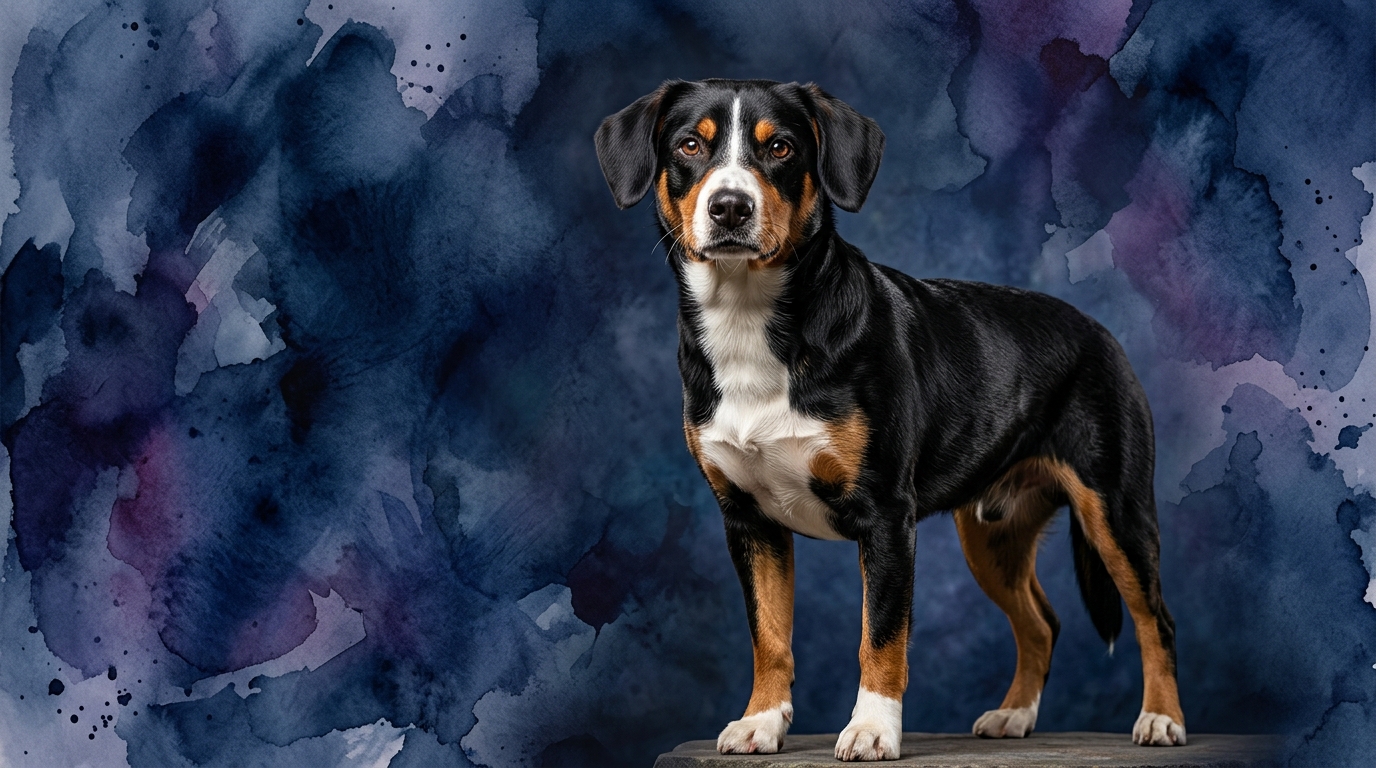
For the Entlebucher Mountain Dog, a robust Herding breed, problem-solving (3/5) often manifests in a practical, task-oriented manner. They excel at figuring out how to navigate complex outdoor environments, bypass obstacles to reach a desired point, or understand the most efficient path for movement, demonstrating a spatial and physically-oriented cognitive flexibility essential for their lineage. Their training speed (3/5) indicates they learn new commands and routines at a moderate pace, thriving on consistent, clear instruction. While willing to engage, their independent spirit means they often process and understand the 'why' behind a command before fully committing, requiring patience from their trainers. Social intelligence (3/5) in Entlebuchers is typically expressed through a keen awareness of their immediate family unit's dynamics. They are adept at reading their primary caregivers' moods and intentions and often show discernment towards strangers, assessing new individuals before fully accepting them into their personal space, reflecting a protective and observant social acumen. Their instinctive drive (3/5) is moderately strong and deeply rooted in their herding heritage, translating into a desire to patrol, organize, and keep their 'flock' (family) together. This often expresses itself through watchful behavior and a need for purpose-driven activity. Finally, their memory (3/5) is good for established routines, learned commands, and the layout of their familiar territory, allowing them to recall specific tasks or sequences, which aids in their reliability as working or companion animals.
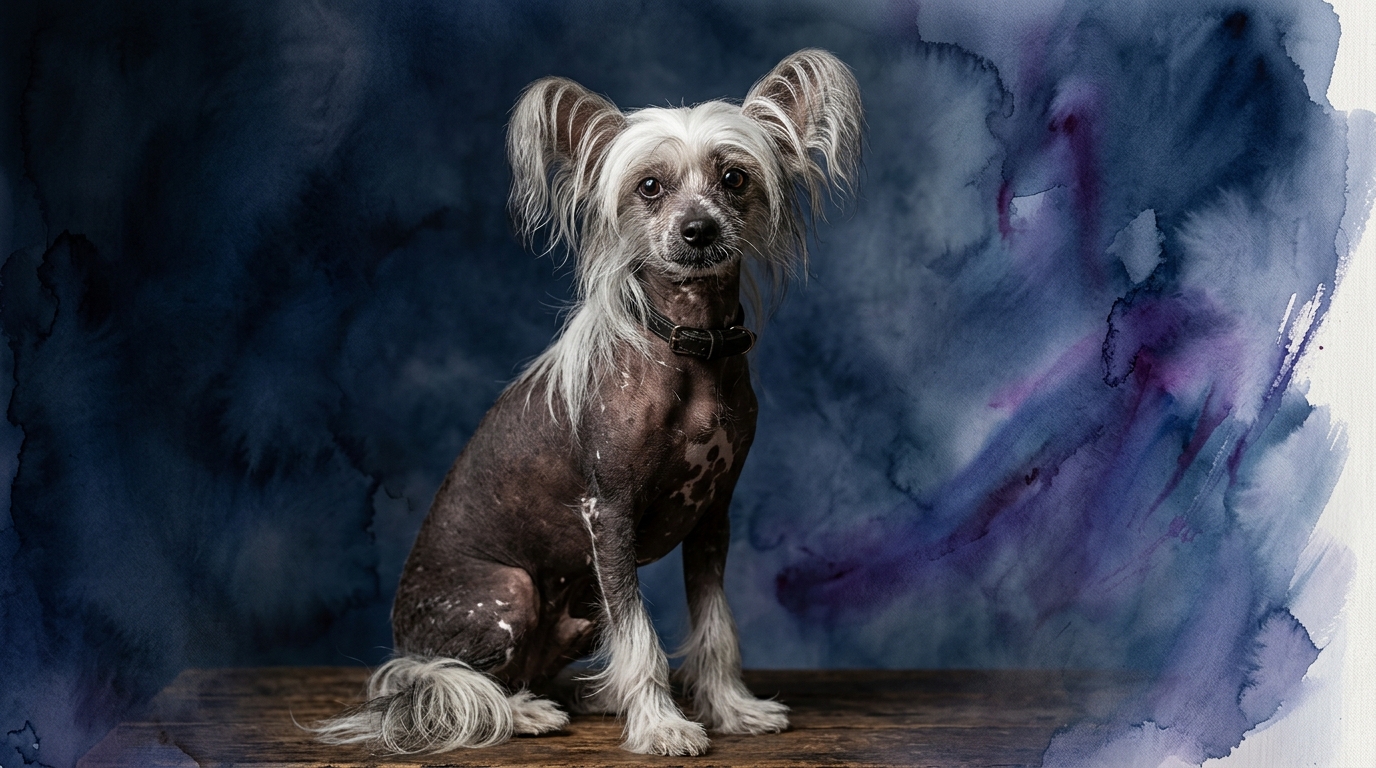
The Chinese Crested, a dedicated Toy breed, expresses its identical 3/5 cognitive scores in ways that align with their role as intimate companions. Their problem-solving (3/5) centers on resourcefulness in achieving comfort or gaining attention, such as figuring out how to burrow under blankets for warmth or subtly manipulating toys to their advantage. Their cognitive approach leans towards understanding social cues and environmental manipulation to satisfy immediate needs or desires for interaction. Training speed (3/5) for Cresteds means they learn at a moderate pace, responding particularly well to positive reinforcement and gentle methods. Their eagerness to please their beloved human companions is a powerful motivator, though their sensitivity means they can become hesitant or shut down if training is perceived as harsh or confusing, highlighting their emotional responsiveness. Social intelligence (3/5) in Chinese Cresteds is highly developed for intimate human connection. They keenly observe and respond to the emotional states of their owners, often anticipating needs for comfort or companionship, demonstrating a profound empathy and an ability to form deep, reciprocal bonds within their chosen family. Their instinctive drive (3/5) is moderately strong, primarily centered around their need for companionship, warmth, and security. While they may exhibit a mild prey drive towards small, fast-moving objects, their predominant instinct is to be an integral, cherished part of their human's life, seeking close physical proximity. Their memory (3/5) is particularly good for people, places of comfort, and the routines that provide them security and interaction, allowing them to remember positive and negative past experiences with individuals or environments, influencing their future interactions.
Where the Entlebucher Mountain Dog Wins Cognitively
Despite identical raw scores, the Entlebucher Mountain Dog demonstrates a cognitive advantage in areas demanding robust physical and environmental awareness, stemming from its herding lineage. Their problem-solving (3/5) often involves practical application in dynamic outdoor settings, requiring them to assess distances, predict movements, and make quick decisions to manage a 'flock' or navigate challenging terrain. This isn't about being 'smarter,' but about a different *type* of cognitive engagement, geared towards real-world, physical challenges. Their instinctive drive (3/5) is geared towards purposeful action and oversight, translating into a natural inclination for roles that require vigilance and a sense of responsibility. This inherent drive means they often anticipate tasks and take initiative in a way that aligns with working dog expectations, such as patrolling the yard or alerting to unfamiliar sounds. Their social intelligence (3/5), while also 3/5, is often expressed through a more discerning and protective lens, making them adept at identifying outsiders or potential threats, which is a specific cognitive strength for a guardian-type companion. Their memory (3/5) extends strongly to spatial recall and task sequences, allowing them to consistently perform multi-step routines or remember boundaries with precision. For an owner seeking a dog with a strong, self-directed mental framework for practical applications, the Entlebucher's cognitive profile shines.
Where the Chinese Crested Wins Cognitively
Conversely, the Chinese Crested exhibits distinct cognitive strengths in areas emphasizing emotional attunement and subtle social interaction, even with identical 3/5 scores. Their problem-solving (3/5) is often focused on navigating complex social dynamics and optimizing personal comfort within a household. This might involve figuring out the best way to solicit affection, communicate a need without barking, or subtly manipulate their environment for warmth and security, showcasing a nuanced understanding of their human's behavior. Their social intelligence (3/5) is profoundly developed for intimate companionship, allowing them to read and respond to the most subtle shifts in human mood and energy. They often seem to 'know' when their owner needs comfort, demonstrating an empathetic cognitive capacity that fosters exceptionally deep bonds. This isn't about being 'more intelligent,' but about a specialized form of cognition. The Chinese Crested's instinctive drive (3/5) is primarily centered on attachment and emotional connection, leading them to prioritize interaction and proximity, making them masters of subtle communication to ensure they are always part of the action. Their memory (3/5) is particularly strong for personal experiences and the individuals associated with comfort and positive interactions, enabling them to build a rich tapestry of emotional associations that guide their behavior. For those desiring a dog with a profound capacity for emotional connection and a knack for subtle communication, the Chinese Crested offers a unique cognitive advantage.
Which is Easier to Train and Why
Determining which breed is 'easier' to train is less about raw training speed and more about aligning training methods with their inherent behavioral predispositions. Both breeds hold a 3/5 for training speed, indicating they learn at a moderate pace. However, the *approach* required differs significantly. The Entlebucher Mountain Dog, with its Herding group background and moderate instinctive drive for purpose-driven activity, responds well to clear, consistent, and reward-based training that provides a job or task. They thrive on structure and understanding their role. Their independent streak means they can be less inclined to immediate compliance if they don't see the point, requiring an owner who can be patient and firm, establishing themselves as a consistent leader. Training an Entlebucher often involves channeling their natural desire to work and patrol into acceptable behaviors. In contrast, the Chinese Crested, a Toy breed with a strong social intelligence and drive for companionship, often learns quickly when training is framed as a positive interaction that strengthens their bond with their owner. Their sensitivity means they are highly responsive to praise and gentle encouragement but can become timid or resistant if training methods are harsh or inconsistent. They are eager to please their beloved humans, making them highly receptive to positive reinforcement. Therefore, while both learn at a similar rate, the Chinese Crested might *feel* easier to train for an owner who prioritizes gentle, bond-focused methods, whereas the Entlebucher is easier for an owner who enjoys structured, task-oriented training and can manage an independent working drive.
Which Suits Active Owners vs. Relaxed Owners
The cognitive profiles of these two breeds, even with similar IQ scores, clearly delineate their suitability for different lifestyles. The Entlebucher Mountain Dog, with its herding instincts and problem-solving geared towards physical and environmental engagement, is undoubtedly better suited for active owners. Their moderate instinctive drive (3/5) necessitates regular physical and mental exertion, such as hiking, agility, or structured play, to prevent boredom and channel their energy constructively. An Entlebucher's social intelligence (3/5) often thrives in a family environment where they have a role, even if it's just 'guardian of the home,' requiring an owner who can provide consistent leadership and activity. A relaxed, sedentary owner might find an Entlebucher's need for engagement overwhelming, potentially leading to unwanted behaviors. Conversely, the Chinese Crested, whose problem-solving and social intelligence are deeply intertwined with companionship and comfort, is an ideal match for more relaxed owners. Their instinctive drive (3/5) for close human interaction means they are content with moderate daily walks and ample snuggle time on the couch. While they enjoy play, their primary cognitive need is to be an integral, present part of their human's life. Their memory (3/5) for positive interactions and comfort spots means they excel in a stable, affectionate home environment. For owners who cherish quiet companionship and intimate bonding over high-energy activities, the Chinese Crested's cognitive disposition is a perfect fit.
The Verdict
Choose an Entlebucher Mountain Dog if you are an active, experienced owner seeking a discerning, task-oriented companion who thrives on purpose and consistent training.
Opt for a Chinese Crested if you desire a highly empathetic, sensitive, and devoted companion who excels at intimate bonding and thrives in a calm, affectionate household.
🧠 Find Your Pet's IQ Score
Our Pet IQ Lab assessment covers 25+ tests across 5 cognitive dimensions — personalized to your breed.
Take the Full IQ Test →Frequently Asked Questions
Do Entlebucher Mountain Dogs need a job to be happy?
While their instinctive drive (3/5) for purposeful activity is moderate, Entlebuchers are happiest when their cognitive and physical energy is channeled. Providing them with consistent training, interactive games, or even 'guarding' duties for the family can fulfill this inherent need.
Are Chinese Cresteds good with children?
Chinese Cresteds, with their high social intelligence (3/5) and desire for companionship, can be good with older, respectful children who understand their sensitive nature. They thrive in environments where interactions are gentle and predictable, valuing calm bonds.
How do these breeds compare in terms of adaptability to apartment living?
The Chinese Crested is generally more adaptable to apartment living due to their lower exercise needs and primary drive for indoor companionship. The Entlebucher, with its moderate instinctive drive and need for space to patrol, typically fares better in homes with secure yards and active owners.