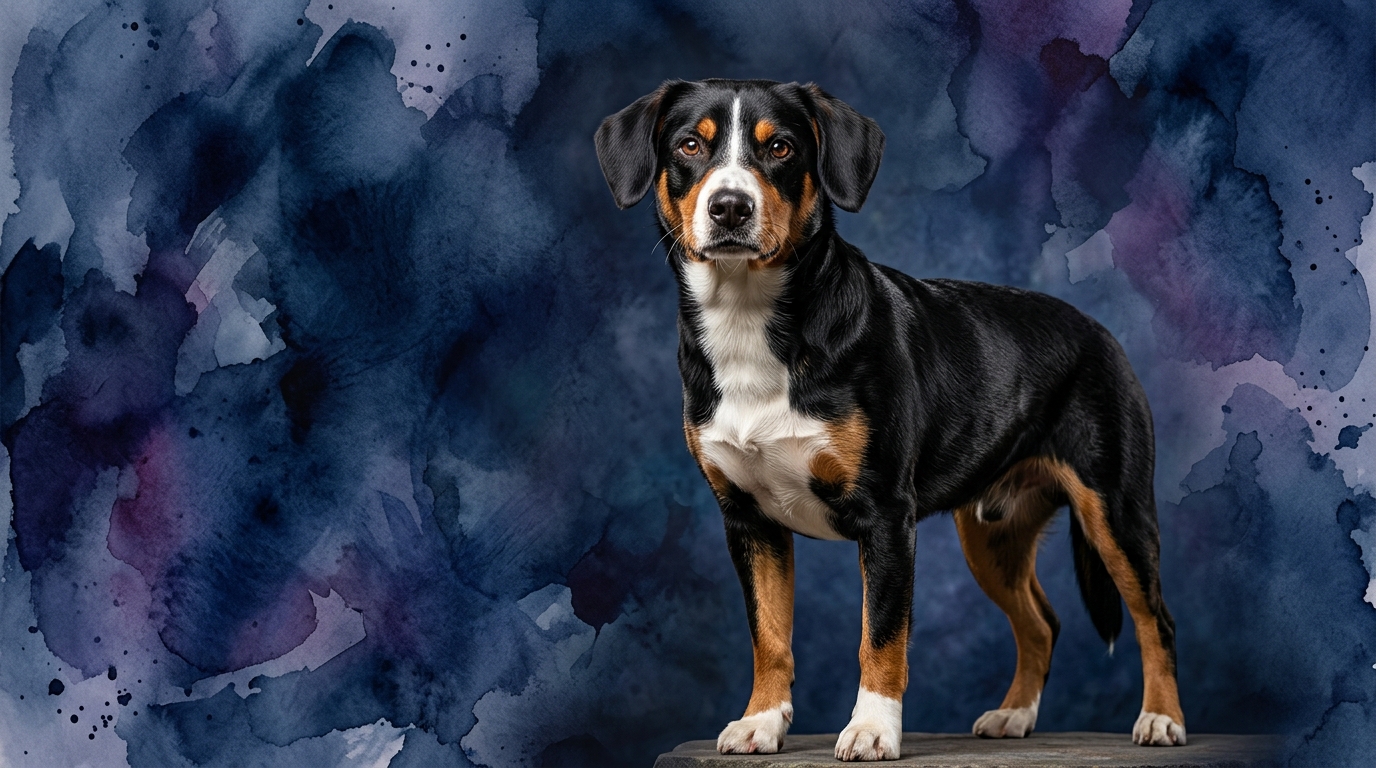
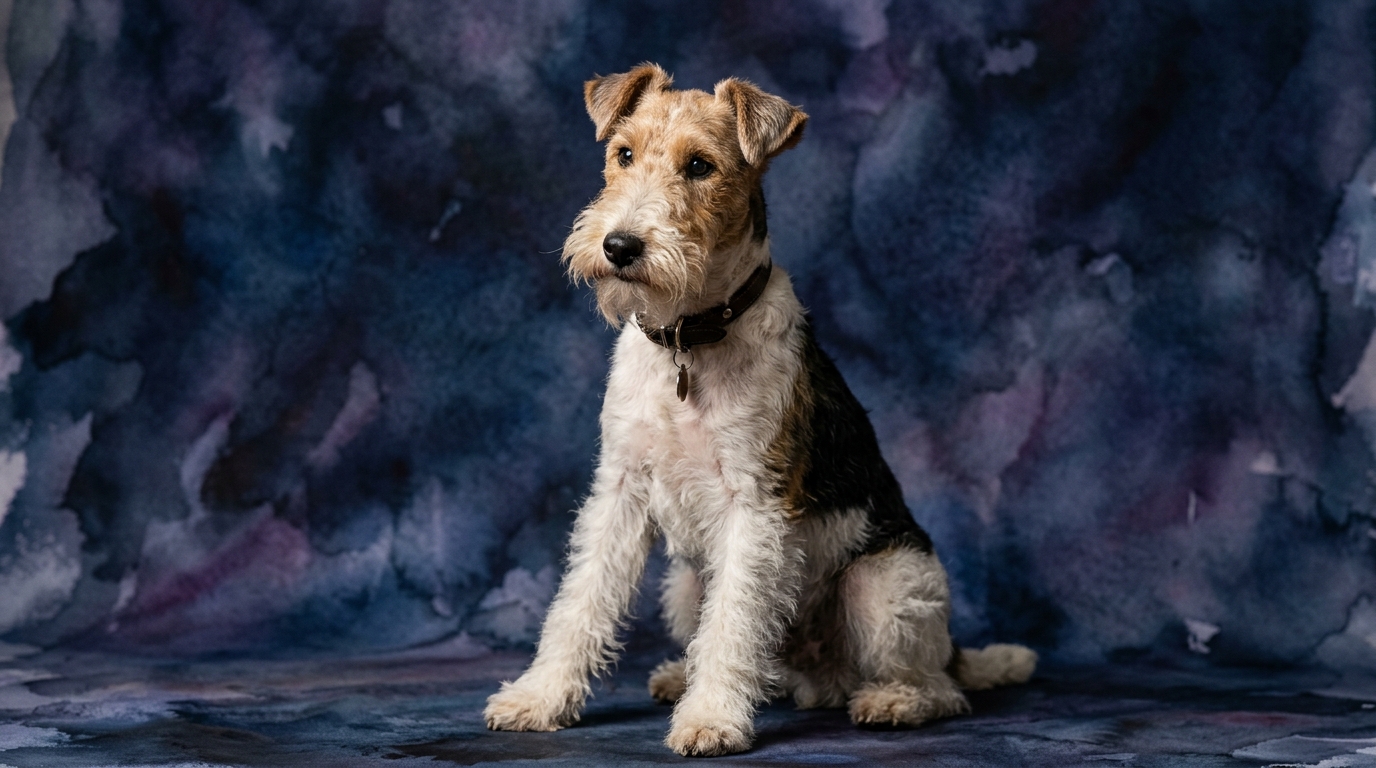
Side-by-Side IQ Profile: Entlebucher Mountain Dog vs. Wire Fox Terrier
**Entlebucher Mountain Dog (EMD): The Cooperative Herder**
**Problem Solving (3/5):** The Entlebucher demonstrates a practical, methodical approach to challenges. Their problem-solving isn't about abstract thought, but rather about executing learned sequences and adapting strategies to manage livestock or navigate familiar environments effectively. They excel at tasks with clear parameters, learning to anticipate and respond within a structured framework.
**Training Speed (3/5):** Possessing a good capacity for learning, the Entlebucher responds well to consistent, positive reinforcement. While they may not grasp new concepts with lightning speed, their desire to cooperate with their human partner ensures steady progress. Repetition and clear communication are key to embedding commands and behaviors.
**Social Intelligence (3/5):** The Entlebucher exhibits a discerning social awareness. They are attuned to their human family's emotions and intentions, often forming strong bonds. With strangers, however, their social intelligence manifests as a reserved watchfulness, evaluating new individuals before offering trust, a trait valuable in a guardian of the flock.
**Instinctive Drive (3/5):** Their strong herding instinct is a defining characteristic, driving them to gather, control, and protect. This manifests as a desire for purpose and structure, often channeling into activities like herding trials, agility, or even "herding" family members. This drive is manageable but requires appropriate outlets.
**Memory (3/5):** Entlebuchers retain learned commands, routines, and experiences reliably. Once a behavior is established through consistent training, it tends to stick. This memory serves their working heritage well, allowing them to recall complex sequences and past interactions, contributing to their dependable nature.
**Wire Fox Terrier (WFT): The Independent Hunter**
**Problem Solving (3/5):** The Wire Fox Terrier's problem-solving skills are characterized by tenacity and ingenuity, particularly when pursuing a goal. They are adept at figuring out how to bypass obstacles, dig under fences, or maneuver into tight spaces to investigate a scent. Their solutions are often practical and persistent, driven by their inherent curiosity and prey drive.
**Training Speed (3/5):** While capable of learning new commands at a good pace, the Wire Fox Terrier's independent nature and strong will can sometimes make training feel like a negotiation. They learn quickly when motivated by something they value, but their focus can be easily diverted by environmental stimuli. Consistency, engaging methods, and a strong bond are crucial for success.
**Social Intelligence (3/5):** Wire Fox Terriers are socially aware, picking up on human moods and other canine cues. However, their social intelligence often comes with a confident, sometimes assertive, demeanor. They understand boundaries but may choose to test them, especially with other dogs. They form deep attachments with their chosen humans but can be less overtly demonstrative than some breeds.
**Instinctive Drive (3/5):** The Wire Fox Terrier possesses a powerful prey drive, manifesting as an intense urge to chase, dig, and investigate. This drive is not merely an impulse; it's a core part of their cognitive makeup, fueling their determination and focus when a scent or movement catches their attention. Providing appropriate outlets for this drive is essential.
**Memory (3/5):** Wire Fox Terriers remember commands, routines, and experiences, both positive and negative, with good recall. However, their memory is often intertwined with their independent spirit; they might remember a command perfectly but choose not to execute it if their attention is captured by a more compelling instinctual pursuit.
Where Entlebucher Mountain Dog Wins Cognitively
The Entlebucher's cognitive strengths lean into cooperative effort and structured reasoning. Their 3/5 problem-solving often manifests as a more predictable engagement with human-directed tasks. Unlike some breeds that might try novel, independent solutions, the EMD excels at refining and applying learned strategies within a defined framework, which is a significant cognitive advantage in activities like obedience, rally, or complex herding patterns. Their social intelligence, while rated 3/5, translates into a nuanced understanding of human cues and a desire to work in sync, making them particularly adept at anticipating their handler’s next move in a collaborative setting. This isn't about raw intellectual power, but about a cognitive architecture that prioritizes partnership and efficient execution of shared goals. Their memory supports this by reliably recalling complex sequences and handler expectations, contributing to a fluid working relationship.
Where Wire Fox Terrier Wins Cognitively
The Wire Fox Terrier's cognitive advantages are rooted in independent action and tenacious pursuit. Their 3/5 problem-solving manifests as remarkable ingenuity and persistence when faced with a tangible goal, such as locating a hidden toy or figuring out how to access a forbidden area. This isn't about following a script, but about creative, often relentless, trial-and-error to achieve an objective fueled by their instinctive drive. Their social intelligence, also 3/5, often involves a keen sense of self-preservation and a confident assessment of their environment, allowing them to navigate complex social situations with assertive clarity rather than seeking constant human validation. This independent cognitive style, combined with their strong memory for successful strategies, makes them exceptional at self-directed tasks and overcoming obstacles with unwavering focus.
Which is Easier to Train and Why
Despite both breeds scoring 3/5 in training speed, the Entlebucher Mountain Dog is generally perceived as easier to train for a typical companion home. This isn't due to a faster learning curve, but rather their inherent cooperative nature, a hallmark of their herding heritage. An Entlebucher’s 3/5 social intelligence translates into a strong desire to please their human and work as a team, making them more inclined to engage in training sessions and adhere to learned commands. They thrive on structure and clear direction, and their memory of established routines is reliable, meaning fewer "selective hearing" moments.
The Wire Fox Terrier, while equally capable of learning at a 3/5 speed, presents a different training dynamic. Their powerful 3/5 instinctive drive and independent problem-solving mean they are often driven by their own agenda, especially when a tantalizing scent or movement captures their attention. Training a Wire Fox Terrier demands exceptional consistency, creativity, and a high-value reward system to compete with their natural inclinations. They might understand a command perfectly (their 3/5 memory ensures that), but their 3/5 social intelligence often involves asserting their own will, making consistent compliance a greater challenge. Training a WFT is less about teaching *if* they can learn, and more about teaching *why* they should choose to obey over pursuing their own interests.
Which Suits Active Owners vs. Relaxed Owners
Neither the Entlebucher Mountain Dog nor the Wire Fox Terrier is suited for relaxed owners; both breeds demand a truly active lifestyle. The Entlebucher, with its 3/5 instinctive herding drive, requires consistent physical exercise and, crucially, mental engagement through structured activities. They thrive when given a "job," whether it's participating in dog sports like agility or obedience, or accompanying their owners on long, purposeful hikes. Without adequate outlets, their energy and intelligence can lead to boredom and undesirable behaviors.
Similarly, the Wire Fox Terrier, propelled by a formidable 3/5 instinctive prey drive and boundless energy, is absolutely not for the faint of heart or the sedentary. They need vigorous daily exercise that includes running, chasing, and opportunities for mental stimulation such as puzzle toys or scent work. Their independent problem-solving at 3/5 means they will invent their own entertainment if not adequately challenged, which often involves digging, exploring, or engaging in spirited "prey hunts" in the backyard. Both breeds require owners who are prepared to dedicate significant time and energy to their physical and mental well-being, but the *type* of activity differs: structured, cooperative work for the EMD versus intense, often self-directed, exploratory activity for the WFT.
The Verdict
Choose the Entlebucher Mountain Dog if you seek a cooperative, dependable partner for structured activities and appreciate a dog that thrives on working closely with its human, valuing routine and clear communication.
Choose the Wire Fox Terrier if you are drawn to an independent, tenacious spirit, enjoy engaging with a dog that approaches life with relentless curiosity, and are prepared to channel their formidable drive with consistent, creative engagement.
🧠 Find Your Pet's IQ Score
Our Pet IQ Lab assessment covers 25+ tests across 5 cognitive dimensions — personalized to your breed.
Take the Full IQ Test →Frequently Asked Questions
Do Entlebucher Mountain Dogs and Wire Fox Terriers get along with other pets?
Entlebuchers, with their 3/5 social intelligence, can coexist peacefully with other pets if socialized early and properly, often forming strong bonds within their established "flock." Wire Fox Terriers, due to their 3/5 prey drive, may require more careful introductions and supervision around smaller pets, as their hunting instincts are deeply ingrained.
Are either of these breeds good for first-time dog owners?
Neither breed is typically recommended for first-time dog owners due to their significant exercise needs and distinct cognitive profiles. Both require consistent training and experienced handling to manage their 3/5 instinctive drives and ensure they develop into well-adjusted companions.
How do their 3/5 memory scores impact daily life?
For both breeds, a 3/5 memory means they retain information well, but how it's expressed differs. Entlebuchers reliably recall routines and commands, contributing to their predictability. Wire Fox Terriers also remember, but their independent streak means they might choose to prioritize a current distraction over a remembered command if not sufficiently motivated, making consistency paramount.