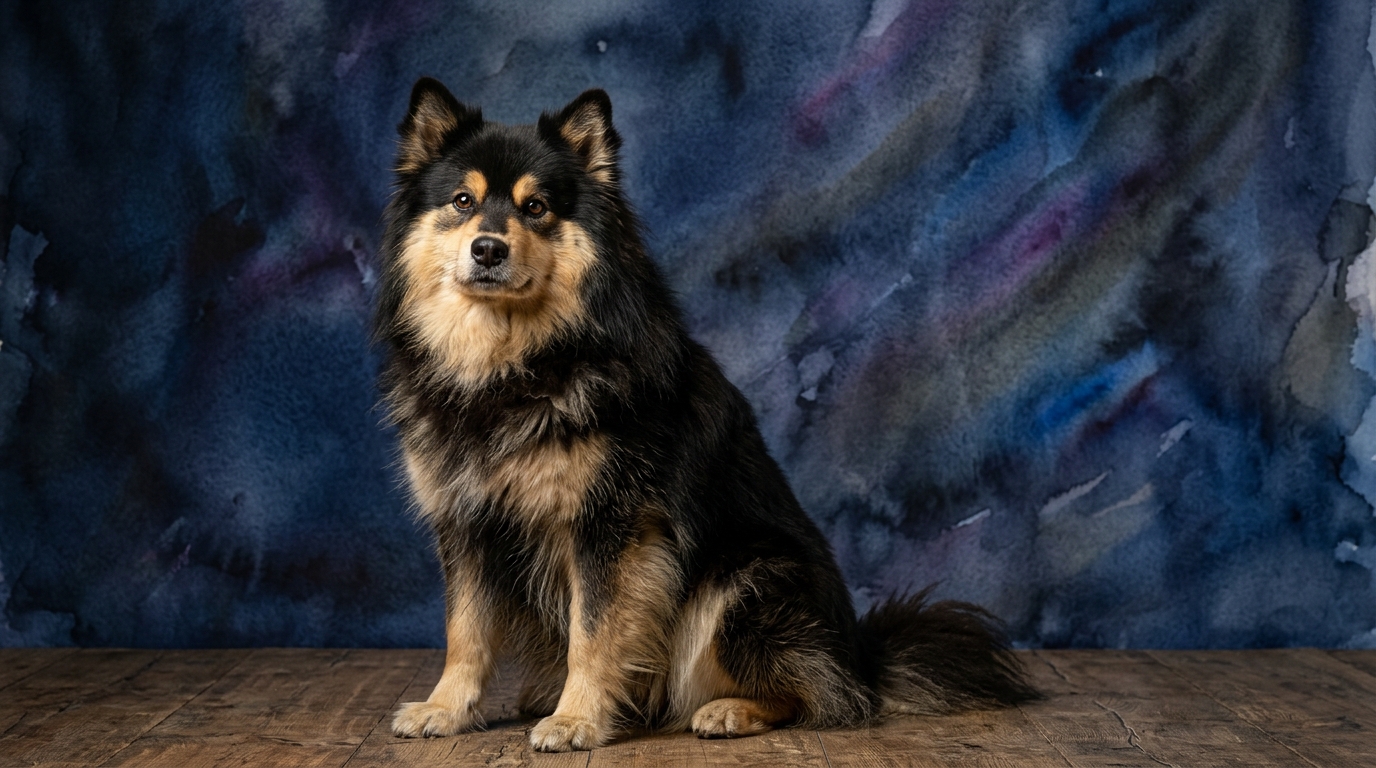
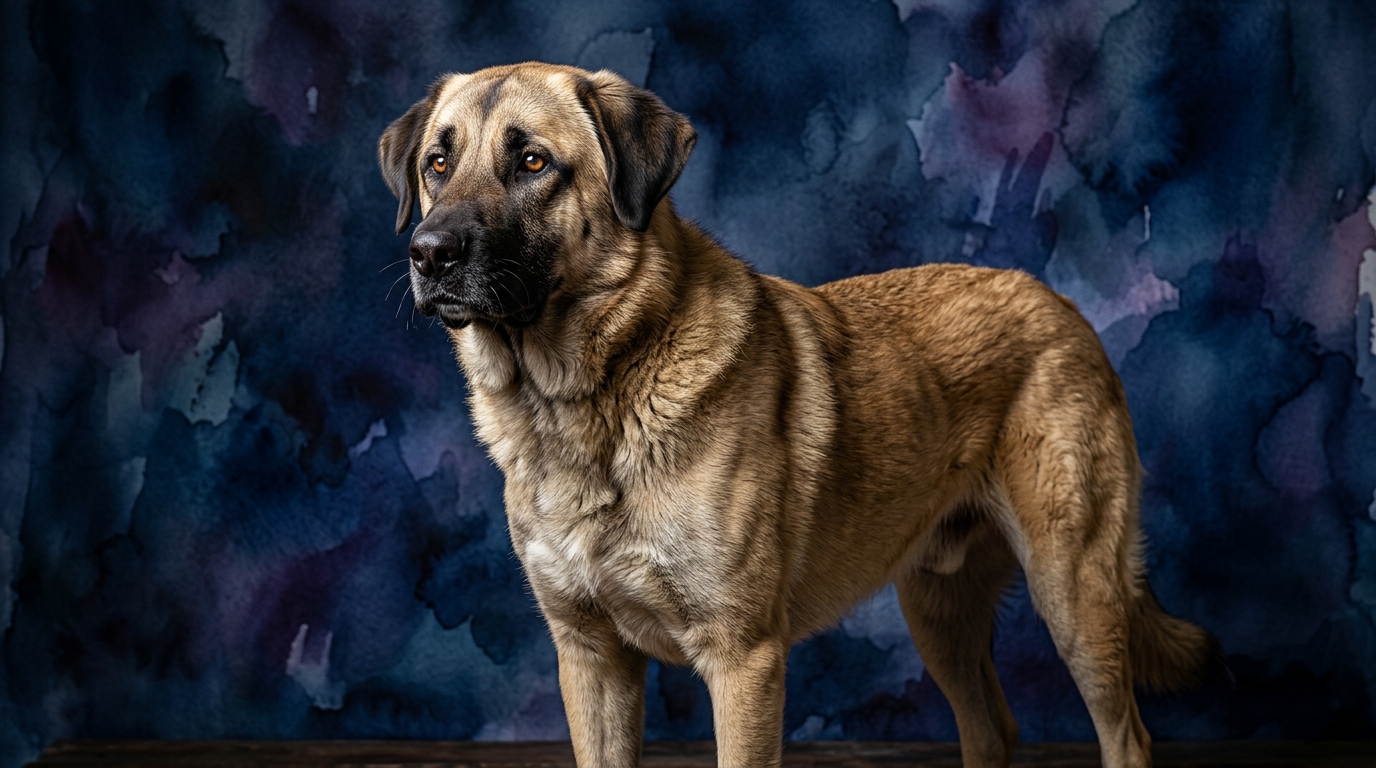
Side-by-Side IQ Profile: Lapphund vs. Anatolian Shepherd
At The Cosmic Pet Pet IQ Lab, we assess canine cognition across five key dimensions. Both the Finnish Lapphund and the Anatolian Shepherd Dog register a consistent 3/5 across the board, indicating robust cognitive capacities that are applied distinctively based on their ancestral roles and inherent temperaments.
The Finnish Lapphund, a breed steeped in herding reindeer across the Arctic tundra, demonstrates a Problem Solving score of 3/5 that excels in dynamic, adaptive situations within a cooperative framework. Their cognitive agility allows them to quickly assess and respond to the unpredictable movements of livestock or the demands of a complex dog sport course, often involving fluid movement and subtle redirection under human guidance.
Their Training Speed, also at 3/5, reflects a good capacity for learning new commands and routines, often eager to engage with their human counterparts. This responsiveness stems from a deep-seated desire to please and a history of working closely alongside handlers, making them generally receptive to structured learning.
A 3/5 in Social Intelligence means the Lapphund possesses a strong ability to read human emotions and intentions, forming deep, intuitive bonds with their family. They are attuned to the social dynamics of their household, making them excellent companions, though they can exhibit a reserved demeanor with unfamiliar individuals.
The Lapphund's Instinctive Drive, rated 3/5, is characterized by a strong, inherent herding instinct. This manifests through watchful attentiveness, gathering behaviors, and a propensity for vocalization to manage their 'flock.' This drive motivates them to keep their family unit together and safe, often playfully.
Finally, their Memory score of 3/5 highlights a solid retention of learned behaviors, commands, and the routines of their environment. This cognitive trait is vital for consistent performance in their traditional herding tasks and for navigating complex social structures within a family.
Turning to the Anatolian Shepherd Dog, a formidable guardian of livestock with roots in ancient Turkey, their 3/5 Problem Solving ability shines brightest in scenarios demanding independent judgment and strategic assessment. Their historical role required them to evaluate threats and make autonomous decisions in the absence of constant human intervention, prioritizing the safety of their charge over direct instruction.
Their Training Speed, also 3/5, indicates they are capable learners, but they often approach training with a thoughtful, independent nature rather than immediate eagerness to please. Their learning efficiency is influenced by their assessment of a command's utility and relevance to their primary guardian role, requiring patience and clear reasoning from their human.
The Anatolian Shepherd's Social Intelligence, rated 3/5, involves a profound understanding of their 'flock's' (be it livestock or family) safety and well-being, coupled with a vigilant awareness of their surroundings. They are socially intelligent in assessing potential threats and maintaining boundaries, displaying a natural reserve and wariness towards strangers.
Their Instinctive Drive, a powerful 3/5, is deeply ingrained with protective and territorial behaviors. This drive manifests as constant vigilance, a strong sense of duty, and a readiness to deter perceived dangers to their charges, often with an imposing presence rather than overt aggression.
The Anatolian Shepherd Dog's Memory, scoring 3/5, allows for excellent long-term retention of perceived threats, territorial boundaries, and established routines. This is crucial for effective and consistent guardianship, as they remember who belongs and who doesn't, contributing to their reliable protective nature.
Where the Finnish Lapphund Excels Cognitively
While both breeds share a 3/5 score across all cognitive dimensions, the Finnish Lapphund's strengths are particularly pronounced in cooperative problem-solving and emotional attunement. Their herding background cultivated a cognitive style that thrives on working in concert with a human handler, making them highly responsive to direction in dynamic, fluid situations. This means they are adept at quickly adjusting their approach based on human cues, a skill invaluable in activities like agility or complex obedience routines.
Their 3/5 social intelligence translates into a remarkable capacity for reading human emotions and intentions. Lapphunds are not merely following commands; they are often responding to the subtle shifts in their owner's mood or energy. This deep understanding fosters a strong emotional bond and makes them exceptionally well-suited for roles where empathy and responsiveness to human well-being are paramount, such as companion animals in active families.
Furthermore, the Lapphund's cognitive profile lends itself to a playful yet purposeful engagement with their environment. Their problem-solving often involves figuring out how to achieve a goal *with* their human, whether it's navigating an obstacle course or solving a puzzle toy. This collaborative cognitive style makes them highly rewarding for owners who enjoy interactive training and mental games that strengthen the human-canine partnership.
Where the Anatolian Shepherd Dog Excels Cognitively
The Anatolian Shepherd Dog's identical 3/5 cognitive scores manifest in distinct advantages, particularly in independent decision-making and strategic observation. Their historical role as a livestock guardian demanded a profound ability to assess threats and make autonomous judgments without human intervention. This means their problem-solving is geared towards self-sufficiency, evaluating complex scenarios and determining appropriate actions to protect their charges, often over vast territories.
Their 3/5 social intelligence is focused on a keen awareness of their environment and the safety of their 'flock' rather than just human emotional cues. Anatolian Shepherds are constant observers, scanning for anything amiss and processing information to maintain security. This vigilant cognitive style allows them to identify potential dangers and maintain boundaries with an unwavering focus, providing a steadfast presence.
The Anatolian's memory and instinctive drive, both at 3/5, contribute to an unwavering commitment to their perceived duty. They remember perceived threats, territorial lines, and the individuals who belong within their protected sphere over long periods. This long-term cognitive retention of vital information ensures consistent and reliable guardianship, making them highly effective in their specialized role of protection.
Which is Easier to Train and Why
When considering ease of training, the Finnish Lapphund generally presents a more straightforward experience for the average owner. Their 3/5 training speed is coupled with a natural eagerness to please their humans and a history of cooperative work. They respond well to positive reinforcement, often motivated by food, toys, or praise, making them receptive to traditional obedience methods. Their herding background means they are inherently inclined to take direction and engage in structured learning, leading to quicker acquisition of new commands and a more fluid training process.
The Anatolian Shepherd Dog, while possessing a 3/5 training speed, offers a different training challenge due to their independent and thoughtful nature. They are not inherently driven by a desire to 'please' in the same way; instead, they assess the utility and logic of commands from their guardian perspective. Training an Anatolian requires immense patience, consistency, and a deep understanding of their inherent protective instincts. They learn, but often on their own terms, requiring proof that a command is valuable or logical. Their independence means they may question directives that seem unnecessary or conflict with their perceived duty, making training a journey of mutual respect and clear communication rather than simple rote obedience.
Which Suits Active Owners vs. Relaxed Owners
The Finnish Lapphund is an ideal match for active owners who thrive on engaging their canine companion in a variety of physical and mental pursuits. Their herding background means they require consistent mental stimulation and ample physical exercise to be content. They excel in dog sports like agility, obedience, or rally, and enjoy hiking, long walks, and interactive playtime. Their cognitive abilities need an outlet, and without sufficient engagement, they can become bored or restless. Owners who enjoy a collaborative, active lifestyle will find the Lapphund a joyful and eager participant.
Conversely, the Anatolian Shepherd Dog, while powerful, often suits owners who are 'active' in a different sense. They are not typically suited for high-impact sports or constant, high-energy play. Their activity is more about patrolling, observing, and being vigilant across a large, secure territory. While they need regular, moderate exercise, their primary 'work' is mental vigilance. Owners must be 'active' in terms of providing consistent structure, early and ongoing socialization, and understanding their independent, protective nature. They are best for experienced owners with a large, securely fenced property where the dog can fulfill its natural guardian role, rather than for those seeking a running or hiking partner.
The Verdict
Choose the Finnish Lapphund if you seek a cooperative, emotionally attuned companion for active pursuits and family involvement, who thrives on working collaboratively and engaging in interactive mental challenges.
Opt for the Anatolian Shepherd Dog if you are an experienced owner with a large, secure property, seeking an independent, steadfast guardian capable of autonomous decision-making and requiring a nuanced understanding of their protective instincts.
🧠 Find Your Pet's IQ Score
Our Pet IQ Lab assessment covers 25+ tests across 5 cognitive dimensions — personalized to your breed.
Take the Full IQ Test →Frequently Asked Questions
Are Finnish Lapphunds good with children?
Yes, Finnish Lapphunds typically exhibit strong social intelligence and a gentle disposition, often making them very good with children within their family unit, though supervision is always recommended to ensure respectful interactions.
Do Anatolian Shepherd Dogs need a lot of space?
Absolutely. Their instinctive drive to patrol and guard requires a large, securely fenced property where they can observe their territory and fulfill their natural purpose, making apartments or small yards unsuitable.
Which breed is more vocal?
Finnish Lapphunds tend to be more vocal, using barks, 'yodeling,' and other sounds to communicate and manage their 'flock,' whereas Anatolian Shepherd Dogs are generally quieter, reserving their deep barks for alerting or deterring perceived threats.