Side-by-Side Pet IQ Lab Profile
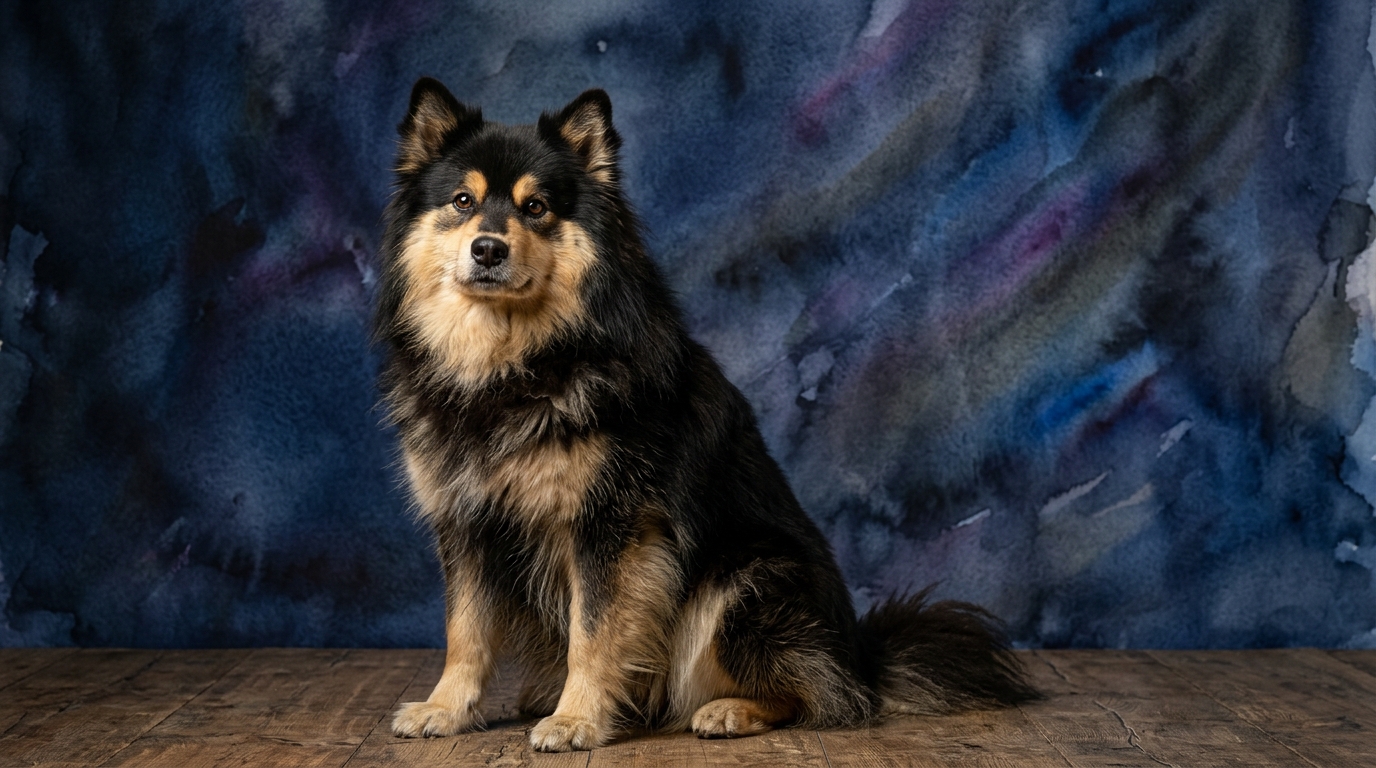
**Finnish Lapphund (Herding Group):**
**Problem Solving (3/5):** Finnish Lapphunds exhibit practical, context-dependent problem-solving, often related to their ancestral role in managing reindeer. Their ingenuity shines in tasks requiring observation and adaptation to achieve a goal, like navigating obstacles or gathering scattered objects. This approach is grounded and purpose-driven, not abstract.
**Training Speed (3/5):** These dogs absorb new commands with reasonable repetition, showing moderate training speed. Their eagerness to please and calm demeanor generally make them receptive learners. However, their independent nature, a remnant of working at a distance from handlers, requires consistent, positive reinforcement to solidify behaviors and overcome occasional self-reliance.
**Social Intelligence (3/5):** Lapphunds display balanced social intelligence, connecting well with family and often exhibiting a watchful yet friendly disposition towards strangers. They are adept at reading human cues, making them sensitive companions. Their social cognition extends to harmonious living within multi-dog households, though gentle “herding” of family members might occur.
**Instinctive Drive (3/5):** Their instinctive drive, rooted in reindeer herding, manifests as a moderate but persistent desire to observe, gather, and control movement. This focused energy towards organizing their environment or “flock” translates into enjoyment of activities mimicking herding, like rounding up toys or family.
**Memory (3/5):** Finnish Lapphunds show solid memory, retaining learned commands, routines, and social interactions effectively. They remember places, people, and past experiences, aiding both training and bond formation. This reliability contributes to their dependability once routines are established.
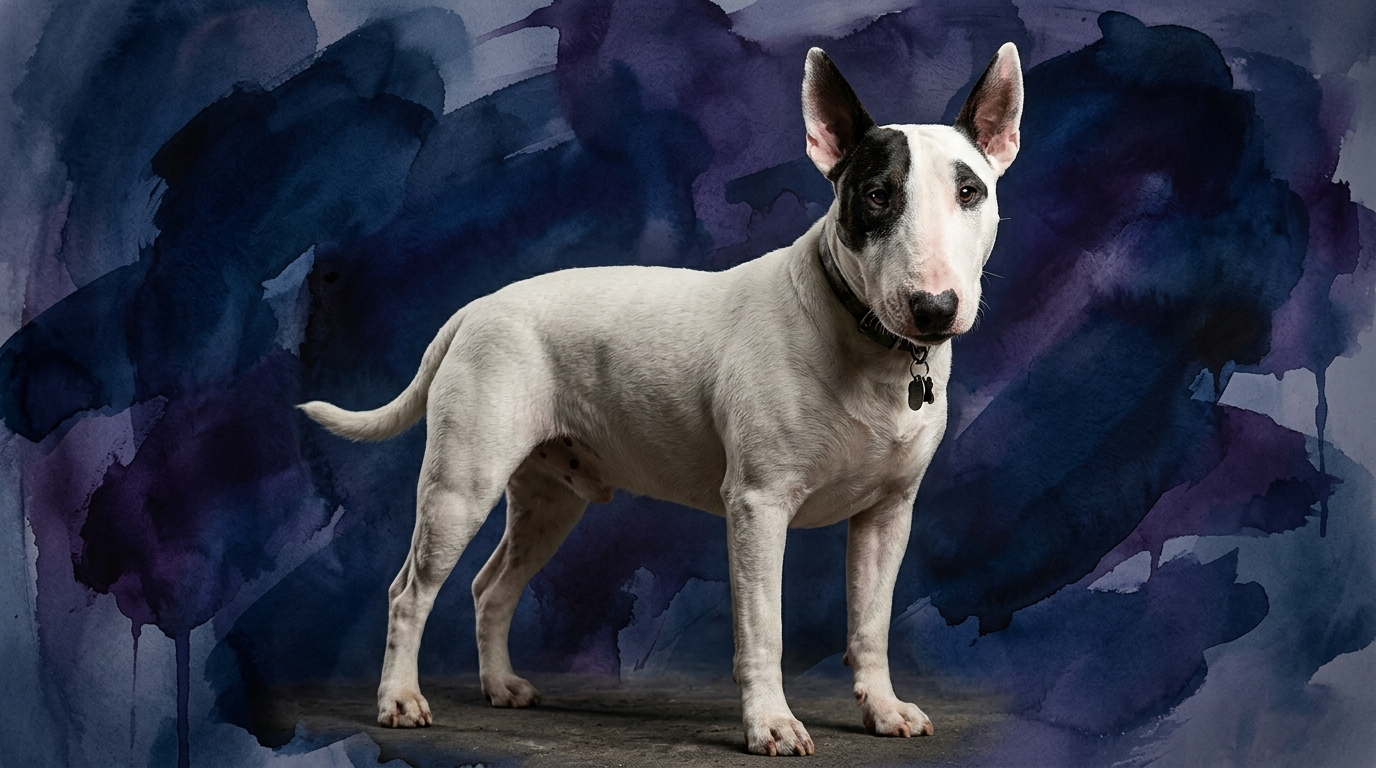
**Bull Terrier (Terrier Group, Coren Rank #66):**
**Problem Solving (3/5):** Bull Terriers apply a tenacious and often creative approach to problem-solving, especially when motivated by curiosity. Their ingenuity isn't always about efficiency but persistence, trying multiple, sometimes unconventional, angles to achieve goals like opening cabinets or retrieving hidden toys. This can be both impressive and challenging.
**Training Speed (3/5):** While capable, the Bull Terrier's training speed is influenced by their strong-willed, independent terrier nature. They require patience and consistency, often needing more repetitions than some breeds. Their Coren ranking of #66 suggests a lower likelihood of obeying on the first command, demanding an engaging, dedicated training approach to capture their focus.
**Social Intelligence (3/5):** Bull Terriers possess robust social intelligence, forming deep, often singular bonds with their primary human. They are adept at reading their chosen family's moods. While friendly with familiar faces, initial interactions with strangers or other animals may be reserved or require careful management due to their powerful build.
**Instinctive Drive (3/5):** Their instinctive drive is characteristic of terriers: a moderate but unwavering prey drive, coupled with a robust desire for interaction and play. This fuels their energy for games and determination to explore. It manifests as keen interest in chasing and investigating, requiring outlets to prevent misdirection.
**Memory (3/5):** Bull Terriers demonstrate reliable memory, recalling learned behaviors, boundaries, and social experiences. They remember past interactions and training cues, but their independent streak means recall doesn't always equate to immediate execution. Consistent reinforcement is crucial to leverage their memory for desired behaviors.
Where the Finnish Lapphund Wins Cognitively
The Finnish Lapphund generally surpasses the Bull Terrier in areas requiring nuanced social cooperation and environmental adaptability, stemming from their herding heritage. Their problem-solving, rated 3/5, is often geared towards collective action or understanding complex environmental cues for a shared goal, translating into a more intuitive grasp of collaborative human instructions. Their instinctive drive, focused on gentle gathering, means cognitive energy is less likely to be channeled into tenacious, independent pursuits and more towards harmonious interaction within a defined system, making them potentially more predictable in cooperative tasks. They also exhibit a slightly more generalized social intelligence, often comfortable with a wider range of social interactions beyond their immediate family, indicating broader cognitive processing of social dynamics.
Where the Bull Terrier Wins Cognitively
The Bull Terrier's cognitive strengths lie in their determined persistence and singular focus, particularly when driven by a specific objective. While both breeds score 3/5 in problem-solving, the Bull Terrier's approach is characterized by a relentless, "never give up" attitude, making them exceptionally good at figuring out complex mechanical puzzles or overcoming physical barriers through sheer will. This tenacity, though sometimes perceived as stubbornness, is a cognitive advantage for tasks requiring sustained, independent effort. Their memory, combined with this drive, means they won't easily forget a goal once set. Additionally, their social intelligence, while deeply bonded to their chosen human, allows for a profound understanding of that individual's specific routines and subtle cues, making them highly attuned personal companions.
Which is Easier to Train and Why
The Finnish Lapphund is generally considered easier to train. Their herding background instilled a desire to work with humans, responding to subtle cues and showing a natural inclination towards cooperation. Their independence is balanced by an inherent eagerness to please and a calmer temperament, making them more receptive to instruction. They learn commands with moderate repetition (3/5 training speed) and are more likely to execute them reliably. In contrast, the Bull Terrier, despite also having a 3/5 training speed, faces the challenge of its terrier tenacity and Coren rank #66. They often require more repetitions and consistent, high-value motivation to learn and obey. Their strong will means they might "decide" whether a command is worth executing, necessitating an engaging, positive, and patient approach.
Which Suits Active Owners vs. Relaxed Owners
Both breeds, despite identical 3/5 instinctive drive scores, suit different active owners. The Finnish Lapphund thrives with owners who enjoy structured activities engaging mind and body, like obedience, agility, or long hikes where they can "monitor" their surroundings. Their activity needs are consistent but not frantic, suiting active owners who appreciate a calm companion during downtime. For relaxed owners, a Lapphund requires daily walks and mental stimulation but can be content with less intense bursts. The Bull Terrier, however, is better for active owners who can channel their robust, playful energy and tenacity. They enjoy vigorous play, structured walks, and games challenging their problem-solving and prey drive. Their energy is intense and needs consistent outlets. A relaxed owner might find a Bull Terrier's persistent need for engagement and potential for destructive boredom challenging if not appropriately stimulated.
The Verdict
Opt for a Finnish Lapphund if you seek a cooperative, observant companion who thrives on collaborative activities and offers a balanced temperament. They are ideal for owners who appreciate a dog with a moderate energy level, a natural eagerness to please, and a gentle presence in the home, particularly if you enjoy structured outdoor adventures or dog sports that involve teamwork.
Select a Bull Terrier if you are an experienced, active owner ready for a deeply loyal, tenacious, and often comical companion with a strong personality. They are best for individuals who can commit to consistent, engaging training, provide ample physical and mental stimulation to channel their determined energy, and appreciate a dog with a unique, sometimes stubborn, problem-solving flair.
🧠 Find Your Pet's IQ Score
Our Pet IQ Lab assessment covers 25+ tests across 5 cognitive dimensions — personalized to your breed.
Take the Full IQ Test →Frequently Asked Questions
Do Finnish Lapphunds bark a lot?
Finnish Lapphunds are known to be vocal, using barks to alert their owners or communicate, a trait stemming from their herding roots. While not excessive, they do require training to manage their vocalizations, especially if left alone.
Are Bull Terriers good with children?
Bull Terriers can be excellent with children, often forming strong bonds and enjoying playtime, but their powerful build and boisterous nature mean supervision is always essential, especially with very young children, to ensure gentle interactions.
How much exercise do these breeds need daily?
Both breeds require moderate to high exercise. Finnish Lapphunds benefit from 60-90 minutes of activity, including walks and mental games, while Bull Terriers typically need 60-120 minutes of vigorous play and structured walks to satisfy their robust energy and prevent boredom.