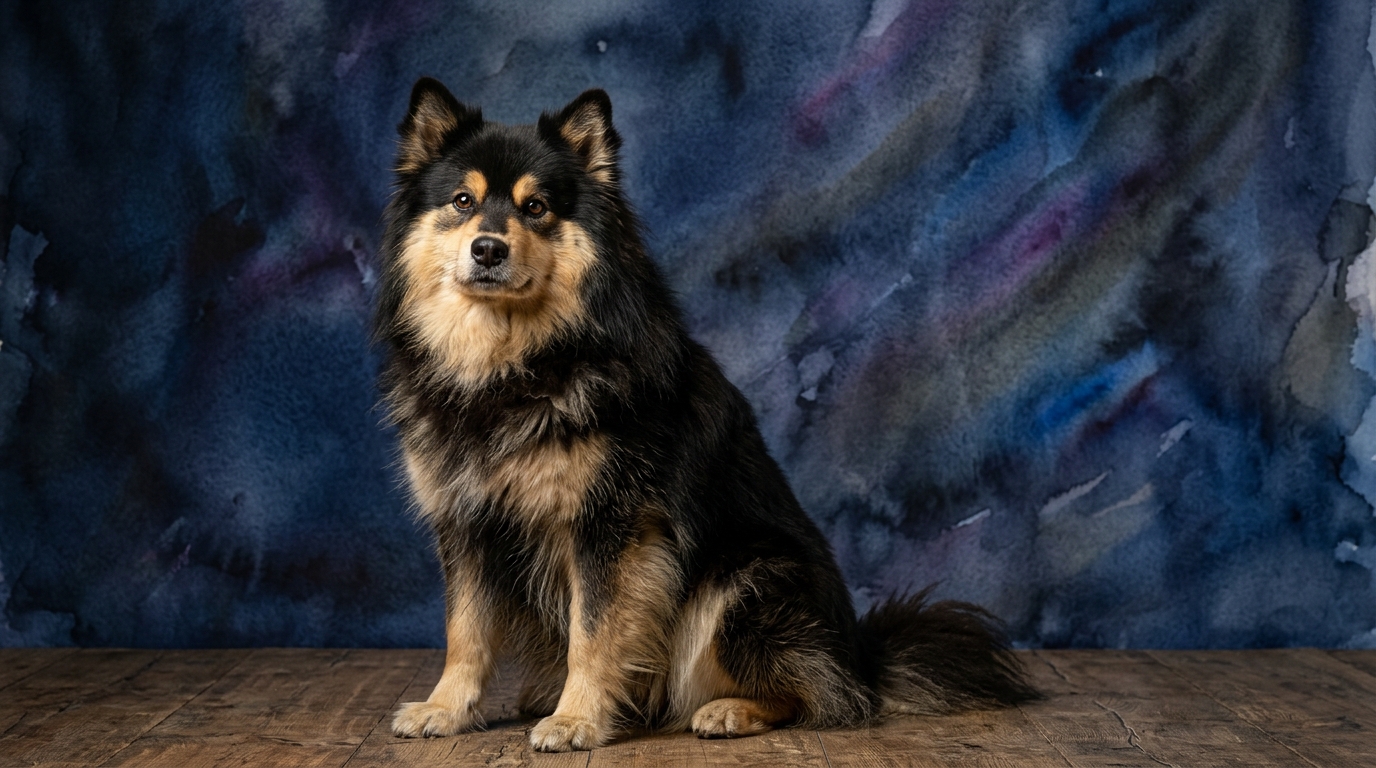

Side-by-Side IQ Profile: Finnish Lapphund
Problem Solving (3/5): The Finnish Lapphund, originating from the Arctic Circle, developed a practical problem-solving ability crucial for herding reindeer across vast, challenging landscapes. This isn't about abstract puzzles but rather navigating complex, dynamic environments, finding lost animals, and adapting to rapidly changing weather conditions. Their intelligence is geared towards real-world, survival-oriented solutions within their working context, demonstrating ingenuity in overcoming natural obstacles or maneuvering a flock effectively.
Training Speed (3/5): These dogs are generally responsive learners, eager to engage with their handlers, which contributes to their moderate training speed. Their historical role required them to understand and execute commands efficiently while also making independent decisions. They thrive on positive reinforcement and consistent methods, quickly associating actions with outcomes, though their independent spirit means they aren't always blindly obedient if they perceive a better way.
Social Intelligence (3/5): Finnish Lapphunds possess a refined social intelligence, allowing them to read human emotions and intentions with considerable accuracy. They are highly attuned to their family's mood, often acting as sensitive companions. Their ability to communicate effectively with both humans and other animals, coupled with their desire to keep their 'flock' together, makes them adept at navigating complex social dynamics within a household.
Instinctive Drive (3/5): Their primary instinctive drive is herding, manifesting as a desire to gather and control movement, often directed towards family members or other pets. This drive is moderate, allowing them to be attentive without being overly intense. They also possess a typical Nordic breed's curiosity and a moderate prey drive, which can be channeled through appropriate activities and training.
Memory (3/5): Finnish Lapphunds demonstrate a solid memory, retaining learned commands, routines, and the layout of their environment effectively. This memory is vital for their herding tasks, allowing them to remember specific routes, animal behaviors, and the locations of their charges over time. They also form lasting memories of people and experiences, contributing to their strong bonds with their families.
Side-by-Side IQ Profile: Cane Corso
Problem Solving (3/5): The Cane Corso's problem-solving skills are rooted in their historical role as guardians and protectors. Their intelligence is strategic, focused on assessing potential threats, understanding boundaries, and devising effective deterrents. This might involve figuring out how to bypass an obstacle to reach a specific vantage point or determining the most efficient way to patrol their territory. They are thinkers who can anticipate situations and respond with deliberate, measured actions.
Training Speed (3/5): While capable of learning quickly, the Cane Corso requires a particular approach to training. Their inherent strong will and discerning nature mean they need a confident, consistent handler who establishes clear leadership. They learn rapidly when motivated and when the training is structured and fair, but they are not easily coerced. If they don't perceive a command as logical or if the handler isn't firm, they may choose to follow their own judgment, which can appear as stubbornness.
Social Intelligence (3/5): Cane Corsos exhibit a deep, albeit selective, social intelligence. They are incredibly perceptive of their family's needs and intentions, forming profound bonds built on loyalty and trust. With strangers, their social intelligence manifests as careful observation and assessment, discerning friend from potential threat. They communicate their intentions clearly through body language and watchful eyes, making them excellent at reading and responding to their immediate social circle.
Instinctive Drive (3/5): The dominant instinctive drive in a Cane Corso is protection and guarding. This manifests as a strong territorial instinct and an unwavering desire to defend their family and property. This drive is powerful and requires careful management and socialization from a young age to ensure it is channeled appropriately. Unlike herding breeds, their focus is on deterring and containing, rather than gathering or chasing.
Memory (3/5): Cane Corsos possess an excellent memory for people, places, and established routines. This is critical for their guarding duties, as they remember who belongs and who doesn't, and can recall specific instructions or boundaries with precision. Their ability to retain information about their environment and social interactions contributes significantly to their effectiveness as discerning protectors.
Where Finnish Lapphund Wins Cognitively
The Finnish Lapphund generally demonstrates a cognitive edge in dynamic, fluid environments requiring quick, independent decision-making and adaptability. Their herding heritage has cultivated an intelligence focused on managing unpredictable variables, such as a scattering flock or changing terrain, making them exceptionally adept at navigating busy public spaces or responding to the spontaneous movements of children or other pets. Their social intelligence often translates into a more universally approachable and communicative demeanor, enabling them to read and respond to a wider spectrum of social cues from various individuals beyond their immediate family unit. They excel in situations demanding flexible, collaborative problem-solving where rapid assessment and non-aggressive intervention are more valuable than a rigid, protective stance.
Where Cane Corso Wins Cognitively
Conversely, the Cane Corso's cognitive strengths are particularly pronounced in situations demanding calm, strategic assessment and decisive action rooted in protection. Their problem-solving is often geared towards anticipating potential threats and identifying effective deterrents, such as positioning themselves strategically to observe an area or recognizing vulnerabilities in their territory. Their social intelligence, while more reserved with outsiders, is profoundly deep within their family unit, allowing them to perceive subtle shifts in mood, tension, or danger signals that might elude others, making them exceptional personal guardians. They thrive in roles requiring unwavering loyalty, a discerning eye for safety, and the capacity for measured, powerful responses when their loved ones are perceived to be at risk, showcasing a focused, resolute intelligence.
Which is Easier to Train and Why
When considering ease of training, the Finnish Lapphund generally presents a more straightforward experience for most owners. Their inherent biddability and eagerness to please their human companions, combined with their moderate instinctive drives, mean they are typically more receptive to learning commands and routines. They respond exceptionally well to positive reinforcement and clear, consistent direction, often grasping new concepts with relative speed. While they possess an independent streak characteristic of herding breeds, they naturally look to a leader for guidance, making them more forgiving of minor handler errors and less prone to overwhelming stubbornness if a task isn't immediately appealing. Their intelligence allows for a quicker understanding of what is expected, making training sessions productive and rewarding.
The Cane Corso, while equally capable of learning, requires a significantly more experienced and confident handler due to their strong-willed nature and powerful guarding instincts. Their problem-solving intelligence can be applied to finding loopholes in inconsistent training or testing boundaries if leadership isn't firmly established. Training must be engaging, structured, and consistently reinforced to ensure they understand and respect commands. Without clear boundaries and extensive socialization from a young age, their protective drives can become misdirected. They are not dogs that can be casually trained; rather, they demand an owner who is prepared to dedicate substantial time and effort to building a relationship based on mutual respect and unwavering leadership, preventing them from making their own, potentially undesirable, decisions.
Which Suits Active Owners vs. Engaged Owners
The Finnish Lapphund thrives with owners who are genuinely active, both physically and mentally. Their history as working dogs means they possess a significant drive for activity and engagement, making them ideal companions for hiking, running, agility sports, or even competitive obedience and herding trials. A relaxed, sedentary owner might find a Finnish Lapphund restless, prone to boredom, and inventive in finding their own 'work,' which can sometimes manifest as unwanted behaviors. They require consistent mental stimulation to keep their intelligent minds occupied, making an active lifestyle a prerequisite for their well-being.
The Cane Corso, while needing regular, moderate exercise, demands an owner who is 'active' in a different sense: actively engaged in consistent training, socialization, and establishing clear leadership. They are not suited for truly relaxed owners who prefer a hands-off approach, as their protective instincts and strong will require a structured environment and dedicated guidance to ensure they develop into well-adjusted adults. Their exercise needs are more about quality than sheer quantity, focusing on purposeful walks, mental challenges, and structured play. An owner who is committed to providing consistent boundaries, early and ongoing socialization, and clear leadership will find the Cane Corso a loyal and balanced companion, even if their own physical activity level is moderate.
The Verdict
Choose a Finnish Lapphund if you seek a resilient, adaptable companion eager to participate in a wide range of family activities and outdoor adventures, provided you can meet their consistent need for mental engagement and physical outlets.
Choose a Cane Corso if you are a confident, experienced owner prepared to dedicate significant time to consistent training, socialization, and firm leadership, seeking an incredibly loyal and protective family guardian.
🧠 Find Your Pet's IQ Score
Our Pet IQ Lab assessment covers 25+ tests across 5 cognitive dimensions — personalized to your breed.
Take the Full IQ Test →Frequently Asked Questions
Are Finnish Lapphunds good with children?
Yes, their gentle, patient nature and high social intelligence often make them excellent family dogs, particularly good with respectful children as they naturally enjoy being part of the 'flock' and are attuned to family dynamics.
Do Cane Corsos require a lot of exercise?
While they need regular, moderate physical exercise, their most crucial requirement is extensive mental stimulation and structured training to channel their powerful protective instincts positively and ensure they are well-behaved.
Which breed is better for first-time dog owners?
The Finnish Lapphund is generally more forgiving and adaptable for first-time owners willing to commit to their exercise and engagement needs. The Cane Corso's strong will and guarding instincts typically require more experienced handling and leadership.