
Side-by-Side IQ Profile: Herder vs. Companion Cognition
Despite their matching scores of 3/5 across the board, the application and manifestation of these cognitive dimensions vary significantly between the Finnish Lapphund and the Chinese Crested, shaped by their distinct historical roles and breed characteristics. Understanding these nuances provides a richer picture than raw numbers alone.
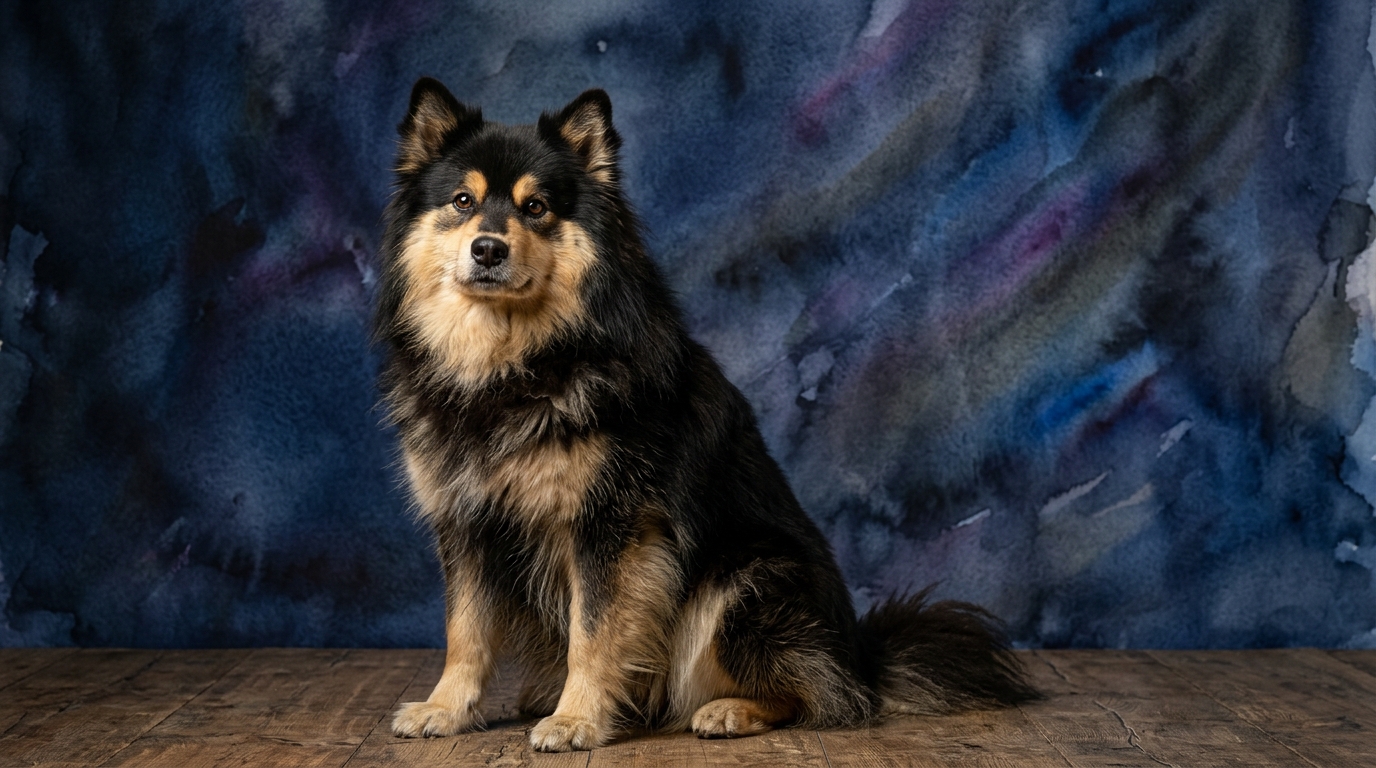
The Finnish Lapphund's cognitive strengths are deeply rooted in their herding heritage, reflecting centuries of working alongside humans in demanding environments. Their **Problem Solving (3/5)** skills are honed by practical needs, such as navigating varied terrain, assessing flock dynamics, and making independent decisions to manage livestock. This ingenuity is typically applied to real-world, dynamic environmental and social challenges rather than abstract puzzles. Their **Training Speed (3/5)** is moderate but consistent; they are eager to learn and please, especially when tasks align with their natural instincts for cooperative work. They absorb commands steadily, responding well to clear and consistent instruction, driven by a desire to engage meaningfully with their human partners. **Social Intelligence (3/5)** for a Lapphund is geared towards understanding group dynamics, both within their human family and a working flock. They are adept at reading cues, understanding intentions, and forming strong, reciprocal bonds essential for effective partnership. Their **Instinctive Drive (3/5)** is a prominent herding instinct, manifesting as a desire to gather, protect, and manage. This powerful internal motivation fuels their focus and persistence, channeling their energy into purposeful engagement, even when redirecting family members or toys. Finally, their **Memory (3/5)** is reliable for learned commands, established routines, and the layout of familiar territories, recalling specific tasks and the social dynamics within their family unit, enabling consistent performance and predictable behavior.
In contrast, the Chinese Crested’s cognitive profile, while numerically identical, is finely tuned for close companionship and domestic life. Their **Problem Solving (3/5)** abilities are often applied to their immediate environment, such as figuring out the most comfortable spot for a nap, subtly manipulating their owner for attention, or strategizing how to obtain a favorite treat. Their ingenuity is often geared towards personal comfort, security, and social interaction within their home. For **Training Speed (3/5)**, these sensitive dogs demonstrate a moderate capacity for learning a wide array of commands and tricks, often with a flair for performance. They respond best to positive reinforcement and gentle methods, as their sensitivity can make them easily discouraged. Their learning is often motivated by a desire to please and maintain a close, positive bond with their primary caregiver. The Chinese Crested's **Social Intelligence (3/5)** excels in understanding the emotional nuances of their human companions. They are highly attuned to moods, subtle gestures, and vocal tones, using this sensitivity to forge deep, empathetic connections, often displaying a "velcro dog" tendency focused on their immediate family. Their primary **Instinctive Drive (3/5)** is for companionship, warmth, and security, seeking close physical proximity to their humans. While they can possess a surprising prey drive for small critters, their core motivation revolves around social engagement, play, and comfort, shaping their daily activities and interactions within the home. Their **Memory (3/5)** is good for routines, the locations of their favorite people and objects, and past social interactions, both positive and negative, contributing to their consistent domestic habits and preferences.
Where the Finnish Lapphund Wins Cognitively
The Finnish Lapphund’s cognitive strengths are deeply rooted in their herding heritage, manifesting in a robust ability to navigate and influence dynamic, often unpredictable environments. Their **environmental problem-solving** outshines in situations requiring independent judgment in open spaces or varied terrains. For instance, while a Chinese Crested might figure out how to open a cabinet, a Lapphund is more likely to independently assess a changing weather pattern or the movement of a scattered flock, making decisions without direct human instruction. Their **cooperative work ethic** is another clear cognitive advantage; their social intelligence and training speed are specifically geared towards understanding and executing complex, multi-step tasks alongside a handler for extended periods, a necessity for managing livestock. This involves anticipating human needs and acting proactively. Furthermore, their **instinctive drive** provides a persistent, purposeful application of their cognitive abilities. This isn't just a physical drive, but a mental one, compelling them to apply their problem-solving and memory towards tasks that mimic their historical role, showcasing a focused mental endurance less common in toy breeds.
Where the Chinese Crested Wins Cognitively
The Chinese Crested’s cognitive victories lie in their refined social and domestic acumen, honed by centuries of close companionship. Their **emotional acuity and social sensitivity** are paramount; their social intelligence often translates into an exceptional ability to read subtle human emotional states, offering comfort or adjusting their behavior in response. They might perceive a change in their owner's mood far quicker and react more instinctively to provide solace than a Lapphund, whose social focus is broader. This makes them highly empathetic companions. They also demonstrate superior **domestic problem-solving**, adeptly navigating the intricacies of a home environment to achieve desired outcomes. This could mean figuring out the optimal sunbeam spot, subtly nudging for attention without being demanding, or discovering ingenious ways to access a favorite toy. Their cognitive application here is precise and often charmingly manipulative. Additionally, their **adaptability to novel social situations (within their comfort zone)**, while sometimes initially reserved, allows them to quickly pick up on and conform to social cues in new, controlled domestic settings, especially when their owner is present. They excel at understanding the unspoken rules of a new household or a quiet social gathering.
Training Dynamics: Nuances in Learning Styles
Determining which breed is “easier” to train is nuanced, as their motivations and learning styles differ significantly despite identical training speed scores. The **Finnish Lapphund** generally presents as straightforward to train for functional tasks due to their inherent desire to cooperate and their strong work ethic. Their 3/5 training speed is supported by a robust instinctive drive that makes them eager to engage in activities with purpose. They respond well to positive reinforcement and clear, consistent commands, absorbing complex sequences related to obedience or dog sports with dedication. However, their independent herding nature means they may occasionally test boundaries, requiring a firm yet gentle hand and unwavering consistency. This breed thrives on having a job, which translates into a willingness to learn tasks that provide mental and physical engagement.
The **Chinese Crested**, while equally capable of learning, often requires a different approach. Their 3/5 training speed is often influenced by their sensitive nature and a shorter attention span for repetitive drills if not made engaging. They are often motivated by attention, treats, and maintaining a positive bond with their owner. They can be quick to learn tricks and house manners but may become easily discouraged by harsh corrections or lack of immediate reward. Their training might feel “easier” for owners seeking a responsive companion for tricks and indoor activities, but require more patience and creativity for consistency compared to the Lapphund's inherent drive for structured work. Their motivation is often more about social interaction and comfort than performing a specific job.
Lifestyle Match: Active Adventures vs. Relaxed Companionship
The choice between these two breeds, given their identical IQ scores, often boils down to lifestyle compatibility. The **Finnish Lapphund** is undoubtedly better suited for **active owners**. Their strong herding instincts and robust physical build demand significant mental stimulation and physical exertion. They thrive when given a “job” to do, whether it's participating in dog sports like agility, obedience, or herding trials, or accompanying their owners on long hikes and outdoor adventures. An owner who enjoys an active lifestyle and can provide consistent engagement and training will find a cooperative and fulfilled Lapphund partner. Their 3/5 instinctive drive translates into a need for purposeful activity, making them restless without an outlet.
Conversely, the **Chinese Crested** is an ideal match for **relaxed owners**. While they enjoy play and short walks, their overall exercise requirements are moderate. Their deepest need is for companionship and close physical proximity to their human family. They are content to be lap warmers, enjoying indoor games and quiet evenings. Owners who prefer a more sedentary lifestyle, appreciate a devoted “velcro dog,” and can offer consistent affection and a secure indoor environment will find the Chinese Crested to be an exceptionally harmonious companion. Their 3/5 instinctive drive is primarily met through social bonding and comfort-seeking, making them perfect for those seeking a gentle, ever-present presence.
The Verdict
Opt for the Finnish Lapphund if you seek a robust, cooperative canine partner eager for outdoor adventures, dog sports, and purposeful engagement within an active family setting. Their independent problem-solving and strong work ethic make them an engaging companion for those who can provide consistent training and mental stimulation.
Select the Chinese Crested if your lifestyle leans towards relaxed domesticity, valuing a devoted, sensitive companion who thrives on close emotional connection and indoor comfort. Their empathetic social intelligence and clever domestic problem-solving make them an endearing lap dog for owners seeking a constant, gentle presence.
🧠 Find Your Pet's IQ Score
Our Pet IQ Lab assessment covers 25+ tests across 5 cognitive dimensions — personalized to your breed.
Take the Full IQ Test →Frequently Asked Questions
Do Finnish Lapphunds bark a lot?
Finnish Lapphunds are traditionally vocal herding dogs, using barks to communicate with their handlers and to alert to potential dangers or changes in their environment. While they can be trained to moderate their vocalizations, their natural inclination is to be quite communicative, making them effective watchdogs.
Are Chinese Cresteds good with children?
Chinese Cresteds can be good with older, respectful children who understand their delicate nature and sensitivity. Early socialization is crucial, and supervision is always recommended to ensure gentle interactions, as their small size makes them vulnerable to accidental rough play.
Do either breed shed much?
The Finnish Lapphund, with its thick double coat, experiences seasonal shedding, particularly heavy during coat blows. The Chinese Crested's shedding varies: the Powderpuff variety sheds moderately, while the Hairless variety sheds very little, primarily experiencing hair loss from the coated areas.